Agrivoltaics: How Solar Panels Are Revolutionizing Illinois Farmland
Agrivoltaics revolutionizes modern farming by combining solar energy production with traditional agriculture on the same land. This innovative approach allows farmers to simultaneously harvest crops and generate clean electricity, maximizing land use efficiency while providing substantial benefits for Illinois property owners. Unlike conventional solar installations, agrivoltaic systems elevate panels several feet above the ground, creating a controlled microclimate that can enhance crop yields while generating renewable energy. The partial shade from solar panels reduces water evaporation, protects plants from extreme weather, and maintains optimal growing conditions for many crops. This dual-use technology represents a significant advancement in sustainable agriculture, offering farmers a way to diversify income streams while contributing to clean energy production. As climate challenges intensify and land becomes increasingly precious, agrivoltaics emerges as a practical solution that bridges the gap between renewable energy goals and agricultural preservation.
What Is Agrivoltaics?
The Dual-Use Concept
Agrivoltaics represents an innovative approach to land management where the same piece of land serves two valuable purposes simultaneously: agricultural production and solar energy generation. By mounting solar panels at specific heights and angles above crops or grazing areas, farmers can maintain their agricultural activities while harvesting clean energy from the sun. This dual-use concept is particularly relevant in Illinois, where agricultural land is both abundant and valuable.
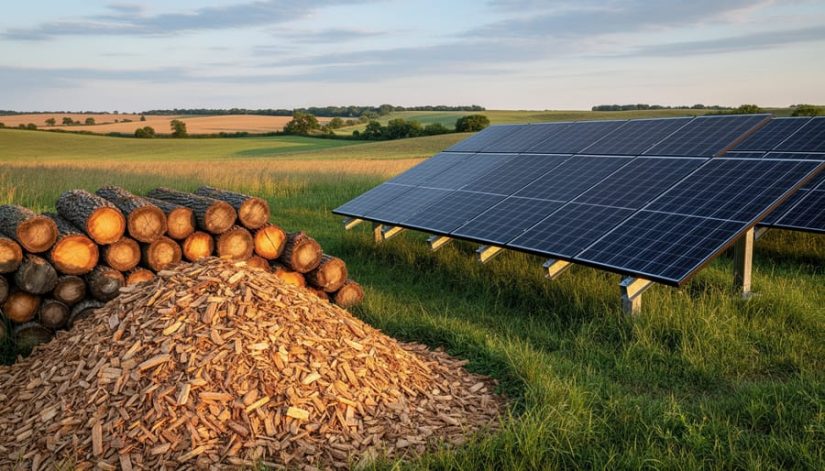
The setup typically involves elevated solar panel arrays installed several feet above the ground, allowing for sufficient clearance for crops to grow or livestock to graze underneath. The spacing between panels is carefully calculated to ensure adequate sunlight reaches the vegetation below while maximizing energy production above. This arrangement can actually benefit certain crops that prefer partial shade, especially during intense summer heat.
For Illinois farmers, this approach offers a practical solution to land-use challenges, providing an additional revenue stream through solar energy generation without sacrificing traditional farming operations. The dual-use concept effectively doubles the productivity of each acre while contributing to sustainable energy goals.

Key Components
An agrivoltaic system combines three essential components that work together to maximize land use and productivity. The first is the solar panel array, which is specially designed and positioned to allow adequate sunlight penetration for crops growing beneath. These panels are typically mounted higher than conventional solar installations, usually at heights of 8 to 12 feet, to accommodate farming equipment and ensure proper light distribution.
The second key component is the agricultural space beneath the panels, which requires careful crop selection and planning. In Illinois, shade-tolerant crops like leafy greens, root vegetables, and certain berries often perform well in these systems. The spacing between panel rows is strategically calculated to create optimal growing conditions.
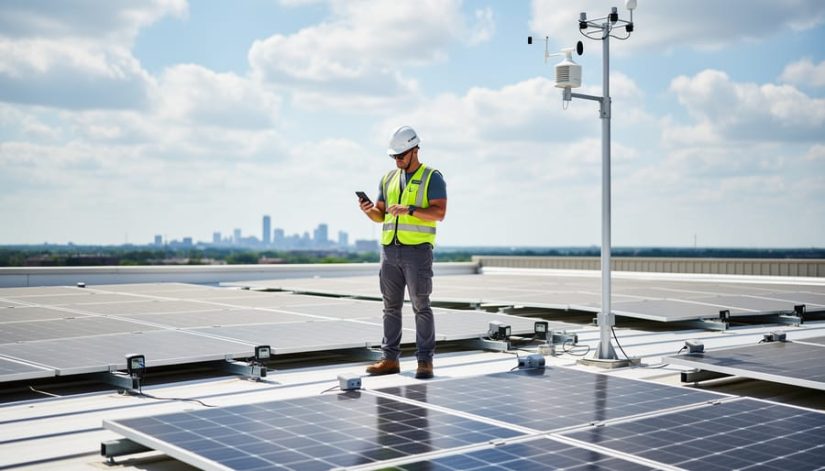
The third component is the integration system, which includes specialized mounting structures, water management solutions, and monitoring equipment. This infrastructure must be sturdy enough to withstand Illinois weather conditions while being minimally invasive to farming operations. Additional elements often include irrigation systems modified for the unique layout and sensors that track both energy production and crop growth metrics.

Benefits for Illinois Farmers
Increased Land Productivity
Agrivoltaic systems represent a groundbreaking approach to maximizing land value by combining agricultural production with continuous solar energy generation. This dual-use strategy allows Illinois farmers and landowners to maintain their existing agricultural operations while generating clean energy from the same piece of land.
Studies have shown that certain crops actually benefit from the partial shade provided by solar panels. In Illinois’s climate, where intense summer heat can stress plants, the strategic placement of solar arrays can create microenvironments that protect crops and enhance growth. For example, leafy greens, root vegetables, and certain berries have demonstrated increased yields under solar panels compared to traditional open-field farming.
The economic advantages are equally impressive. Landowners can generate two revenue streams from a single property: one from crop production and another from solar power generation. This approach typically results in a 60-80% increase in land-use efficiency compared to separate solar and farming installations.
Water conservation is another significant benefit. The shade from solar panels reduces soil evaporation, meaning crops require less irrigation. Illinois farmers implementing agrivoltaic systems have reported water savings of up to 30% while maintaining or improving crop yields. This dual-purpose approach not only maximizes land productivity but also contributes to more sustainable farming practices in our state.
Climate Resilience
One of the most significant advantages of agrivoltaic systems is their ability to create resilient growing conditions for crops, particularly in Illinois’s varying climate. The partial shade provided by solar panels acts as a natural shield, protecting plants from excessive sun exposure and heat stress during intense summer months. This controlled environment helps maintain optimal growing conditions, especially for shade-tolerant crops common to our region.
The microclimate created beneath solar panels offers several benefits for crop cultivation. The panels help regulate temperature fluctuations, reducing soil moisture evaporation and protecting plants from extreme weather events. During hot summer days, crops under panels can be up to 15 degrees cooler than those in traditional open fields, reducing water stress and improving growth conditions.
In Illinois, where weather patterns can be unpredictable, this climate resilience is particularly valuable. The partial shade can protect crops from harmful UV radiation while still allowing sufficient light for photosynthesis. During drought conditions, the reduced evaporation rates mean crops require less irrigation, making agrivoltaic systems more water-efficient than conventional farming methods.
The strategic placement of solar panels can also help shield crops from damaging hail and heavy rainfall, common weather challenges in our region. This protection extends the growing season and provides more stable conditions for crop development, ultimately leading to more reliable yields for farmers.
Implementation and Design
System Configuration
The success of an agrivoltaic system heavily depends on proper panel configuration and spacing to ensure both agricultural productivity and solar energy generation. In Illinois, where agricultural land is precious, optimal panel placement typically involves elevating solar panels 8 to 12 feet above the ground, allowing farm equipment to operate underneath while maintaining crop access to essential sunlight.
Panel spacing is calculated based on the specific needs of crops being grown. For row crops like corn and soybeans, common in Illinois, panels are usually arranged in east-west oriented rows with wider spacing to prevent excessive shading. This configuration allows for approximately 70-80% of normal sunlight to reach crops while generating clean energy above.
The tilt angle of panels can be adjusted seasonally to maximize both energy production and crop yield. During peak growing seasons, panels can be positioned at a steeper angle to allow more light penetration, while during winter months, they can be optimized for maximum energy capture. These adjustable systems can be integrated with modern solar power storage solutions to ensure consistent energy availability.
For Illinois farmers, implementing a dual-tracking system that follows the sun’s path while maintaining optimal spacing has shown promising results. This configuration typically requires 20-40% more land area compared to traditional solar installations but offers the advantage of continued agricultural production. The specific spacing requirements vary based on factors such as local climate conditions, crop types, and farming equipment dimensions.

Crop Selection
Successful agrivoltaic systems depend heavily on selecting crops that can thrive in partially shaded conditions while maximizing land use efficiency. In Illinois’s climate, several crop varieties have proven particularly compatible with solar panel installations.
Shade-tolerant crops like leafy greens, including lettuce, spinach, and kale, perform exceptionally well in agrivoltaic settings. These plants actually benefit from the partial shade provided by solar panels, which helps prevent leaf burn and extends the growing season. Root vegetables such as potatoes, carrots, and beets also adapt well to these conditions.
For larger-scale operations, certain varieties of wheat, soybeans, and corn can be suitable when properly spaced and oriented with the solar array. However, these traditional Illinois crops may require careful panel spacing to ensure adequate sunlight reaches the plants during critical growth periods.
Small fruits like strawberries and blackberries have shown promising results in agrivoltaic systems, taking advantage of the microclimate created by the panels. The shade can help reduce water stress and protect berries from extreme heat during summer months.
When selecting crops, consider:
– Plant height at maturity to avoid interference with panels
– Seasonal sunlight requirements
– Local market demand for the crop
– Equipment accessibility needs
– Water requirements and irrigation methods
It’s recommended to start with pilot plots of different crops to determine which varieties perform best under your specific solar array configuration. Working with local agricultural extension services can provide valuable insights into crop selection based on regional climate patterns and soil conditions.
Agrivoltaics presents a compelling opportunity for Illinois landowners and farmers to maximize their property’s potential while contributing to sustainable energy production. By combining solar energy generation with agricultural activities, this innovative approach addresses both food security and renewable energy needs in our state. For those interested in implementing agrivoltaic systems, the first step is to consult with local solar energy experts who understand Illinois’s unique climate and agricultural conditions.
Property owners should also connect with their local agricultural extension offices and solar installers to evaluate their land’s suitability for agrivoltaic installation. Important considerations include crop selection, solar panel configuration, and available incentives or grants. The Illinois Department of Agriculture and various renewable energy organizations offer resources and guidance for those looking to explore this dual-use approach.
As Illinois continues to advance its clean energy goals, agrivoltaics stands out as a practical solution that benefits both the agricultural community and the environment. By taking action today, landowners can position themselves at the forefront of this growing trend while contributing to a more sustainable future for Illinois.