Technology and Innovation

How Solar Drones Are Revolutionizing O&M for Illinois Solar Farms

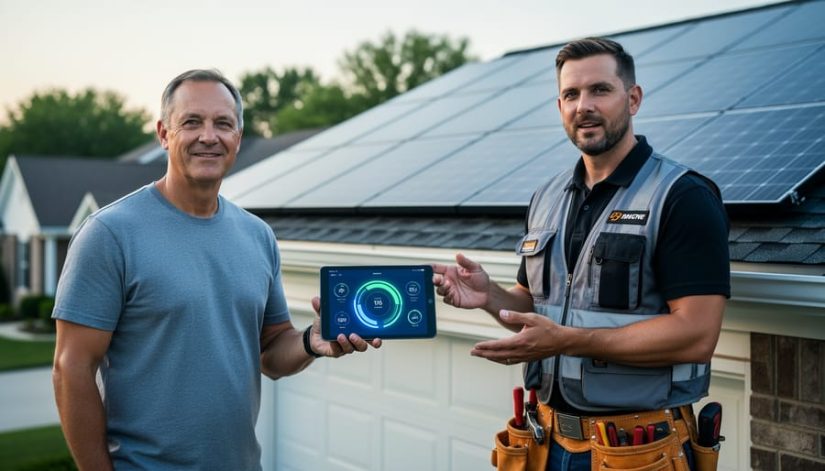
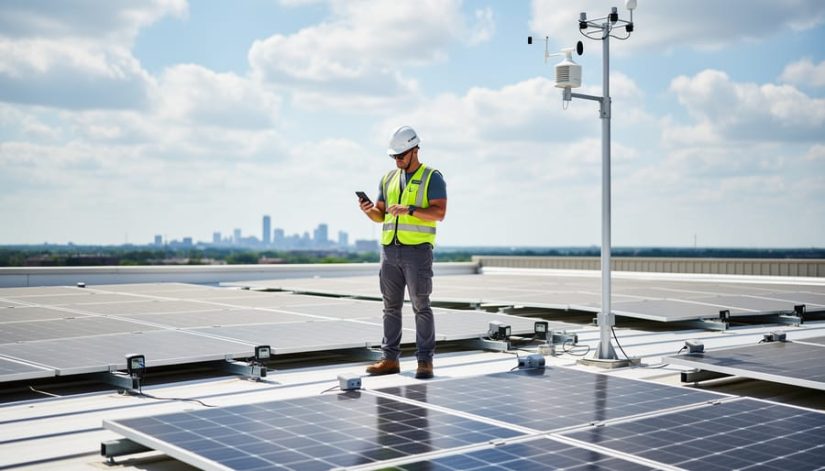
Solar drones are transforming how Illinois solar system owners protect their energy investments through advanced aerial inspection technology. These unmanned aircraft equipped with thermal imaging cameras and high-resolution sensors can scan entire solar arrays in minutes, detecting problems invisible to ground-level inspections.
For homeowners and businesses managing solar installations across Illinois’s diverse climate conditions, drone inspections identify critical issues before they become costly failures. Hot spots indicating defective cells, microcracks from hail damage, and panel soiling patterns emerge clearly in …

Renewable Energy Partnerships

How Solar Partnerships Are Transforming Waste into Illinois Energy

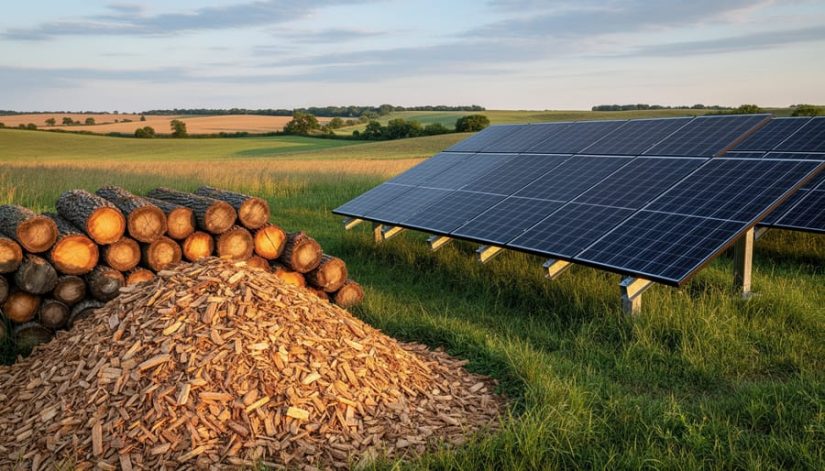
Sustainable energy partnerships transform how Illinois communities access renewable power by embedding solar solutions within circular economy frameworks that minimize waste, maximize resource efficiency, and create lasting environmental value. Unlike traditional transactional installations, these collaborations integrate lifecycle planning from manufacturing through decommissioning, ensuring panels, batteries, and components return to productive use rather than landfills.
Choose partners who demonstrate circular economy commitment through verified recycling programs, component refurbishment capabilities, and transparent material …

Historical Energy Perspectives

How the Power Distribution Grid Brings Electricity to Your Illinois Home

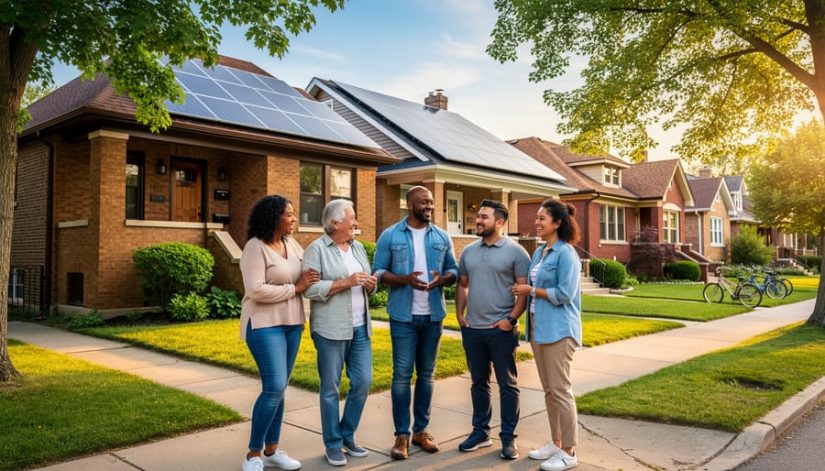
Every time you flip a light switch or charge your phone, you’re tapping into one of the most sophisticated infrastructure networks ever built—the power distribution grid. This intricate system of wires, transformers, and substations delivers electricity from massive generation facilities to your front door, evolving dramatically since Thomas Edison’s first DC networks illuminated New York City streets in the 1880s.
Understanding how the grid works matters more than ever for Illinois property owners, especially as solar energy transforms from alternative technology to mainstream power source. The grid isn’t just …

Technology and Innovation

Your Electric Car Could Power Your Illinois Home (And Save You Money)

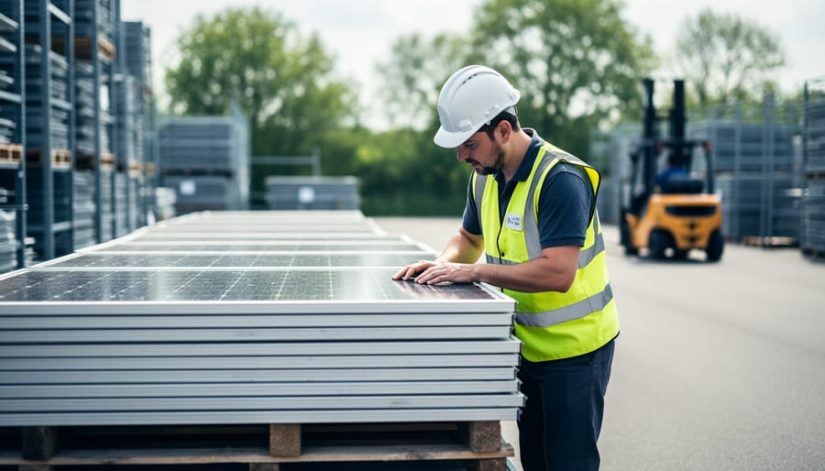
Your electric vehicle can do more than just drive—it can power your home, stabilize Illinois’ electrical grid, and generate income while parked in your driveway. Vehicle-to-grid (V2G) technology transforms your EV battery into a two-way energy storage system, allowing electricity to flow from the grid to your vehicle when charging, and back to the grid or your home when needed. This bidirectional capability becomes especially powerful when paired with rooftop solar panels, creating a complete energy ecosystem that reduces your dependence on traditional utilities.
Illinois homeowners and businesses are uniquely positioned to …

Renewable Energy Project Showcase

How Tax Equity Financing Makes Solar Projects Affordable in Illinois

You’re paying less for your solar installation than you would have a decade ago, and tax equity financing is a major reason why. This sophisticated financial arrangement allows solar companies to convert federal tax incentives into immediate capital, dramatically lowering the upfront costs passed on to homeowners and businesses across Illinois.
Tax equity financing works like this: Large institutional investors with substantial tax liability—banks, insurance companies, and corporations—provide funding to solar developers in exchange for the tax credits these projects generate. Since most homeowners and small businesses can…

Regulatory Compliance and Permitting

What Solar Developers in Illinois Must Know About Clean Water Act Permits

Understand that the Clean Water Act regulates discharges into wetlands and waterways, requiring federal permits for solar projects that disturb protected water resources—even small-scale installations near streams or drainage areas may trigger Section 404 permitting requirements. Review your property’s proximity to jurisdictional waters before breaking ground, as the U.S. Army Corps of Engineers maintains authority over these determinations and can halt construction that proceeds without proper authorization.
Conduct a preliminary wetland delineation if your solar site includes low-lying areas, seasonal ponds, or vegetation …

Consumer Energy Solutions

How Green Community Programs Slash Your Solar Costs While Strengthening Your Neighborhood

Community solar programs eliminate the traditional barriers to solar energy by allowing multiple participants to share the benefits of a single solar array without installing panels on their property. Instead of investing $15,000-$30,000 in rooftop installation, Illinois residents and businesses can subscribe to a portion of a community solar farm and receive credits on their electricity bills for the power generated by their share.
These programs solve critical challenges facing solar adoption: homeowners with shaded roofs, renters without property ownership, and businesses with unsuitable building structures can now access clean …

Specialized Applications

How Illinois Turned Unusable Land Into Clean Energy Powerhouses

Closed landfills across Illinois represent untapped potential for large-scale solar energy production, transforming environmental liabilities into revenue-generating clean energy assets. These sites, often deemed unsuitable for traditional development due to contamination concerns, offer ideal conditions for solar installations: expansive open space, minimal shading, and existing electrical infrastructure nearby.
The concept addresses a critical challenge in the Illinois renewable energy landscape—…

Renewable Energy Education

Why Understanding Non-Renewable Energy Makes You a Smarter Solar Buyer

Non-renewable energy comes from sources that cannot be replenished within a human lifetime—primarily fossil fuels like coal, natural gas, and oil, along with nuclear energy derived from uranium. These resources formed over millions of years deep beneath the Earth’s surface and exist in finite quantities. When you burn natural gas to heat your Illinois home or rely on coal-fired electricity from the grid, you’re using energy that took geological ages to create but will eventually run out.
Understanding non-renewable energy matters because it directly affects your energy costs, environmental impact, and long-term …

Emerging Energy Technologies

Perovskite Solar Cells Could Slash Your Energy Bills (Here’s What Illinois Property Owners Need to Know)

The solar energy landscape is shifting beneath our feet, and Illinois homeowners and businesses stand at a remarkable crossroads. Perovskite solar cells—a revolutionary technology using crystal structures originally discovered in the 19th century—are poised to transform how we think about solar investment decisions in 2024 and beyond.
Unlike the silicon panels currently dominating rooftops across Illinois, perovskite solar cells offer a fundamentally different approach to converting sunlight into electricity. These …

Energy Lifestyle Integration

How Biophilic Design Slashes Your Energy Bills While Making Your Space Healthier

Biophilia in architecture transforms ordinary buildings into living environments that reduce stress, boost productivity, and cut energy costs by up to 30 percent. This design philosophy integrates natural elements—daylight, vegetation, natural materials, and organic patterns—with building systems to create spaces that honor our innate connection to nature while delivering measurable performance benefits.
For Illinois property owners, biophilic design offers particular advantages in our climate of cold winters and humid summers. Strategic window placement maximizes natural daylight during shorter winter days, reducing artificial …

Renewable Energy Supply Chains

How Digital Supply Chains Are Transforming Solar Energy in Illinois

The solar industry is undergoing a fundamental transformation, and if you’re considering solar panels for your Illinois home or business, understanding digitization of the supply chain directly impacts your project’s success. Traditional solar installations once relied on phone calls, paper contracts, and manual coordination between manufacturers, distributors, and installers—a process that could stretch timelines by weeks and introduce costly errors. Today, digital supply chains connect every step from panel production to your rooftop through integrated software platforms, real-time inventory tracking, and automated …

Client Support and Customer Experience

How AI Customer Support Saves Solar Companies Time (While Making Customers Happier)

Artificial intelligence is transforming how solar energy companies in Illinois serve their customers, making expert guidance available instantly while keeping the personal touch that locally owned businesses are known for. When you call about your solar panel system’s performance or need help understanding your energy production data, AI-powered tools now work behind the scenes to provide faster, more accurate responses—analyzing your system’s specific data in seconds rather than hours. This technology handles routine questions about billing, system monitoring, and maintenance scheduling automatically, which means human …

Integrated Energy Communities

How Solar Energy Creates Real Economic Value in Illinois Communities

When you flip on a light switch or power up your business equipment, you’re participating in something far more complex than a simple transaction with your utility company. Every energy decision ripples through your local economy, affecting jobs, tax revenues, property values, and community resilience. An integrated economy approach reveals these interconnected effects, showing how renewable energy investments create cascading benefits that traditional cost-benefit analyses often miss.
Think of Illinois’s economy as a web rather than a collection of isolated transactions. When a manufacturing facility in Rockford …

Business Operations and Local Market

What to Expect During Your Chicago Electrical Inspection (And How to Pass the First Time)

Schedule your electrical inspection through the Chicago Department of Buildings at least three business days before your planned work completion date, as the city requires permits for most electrical modifications including panel upgrades, new circuits, and solar panel installations. Property owners must understand that Chicago operates under the 2018 Chicago Electrical Code, which includes specific requirements that differ from generic National Electrical Code standards, particularly regarding grounding systems, service entrance configurations, and renewable energy connections.
Verify your contractor holds a valid City of Chicago …