Your Solar Battery’s Second Career: How Illinois Is Turning Old EV Batteries Into Home Power Storage
Electric vehicle batteries don’t simply disappear when they can no longer power cars. Once an EV battery drops to about 70-80% of its original capacity, it’s retired from automotive use—but it still holds tremendous potential for stationary energy storage. These second-life batteries are finding new purpose in homes and businesses across Illinois, offering a cost-effective alternative to brand-new battery systems while supporting sustainable energy goals.
Second-life batteries represent a practical solution for Illinois property owners looking to add energy storage without the premium price tag of new units. These repurposed EV batteries can store solar energy, provide backup power during outages, and help reduce electricity costs through strategic energy management. They undergo rigorous testing and reconditioning before deployment, ensuring they meet safety and performance standards for residential and commercial applications.
The appeal extends beyond cost savings. By giving these batteries a second career, you’re participating in a circular economy that reduces waste and maximizes the value of existing resources. For Illinois businesses and homeowners already investing in solar energy, second-life batteries offer an accessible entry point into energy storage that aligns with both financial and environmental priorities.
Understanding how second-life batteries work, what to expect in terms of performance and lifespan, and whether they’re the right fit for your property requires examining both the technology and the practical considerations specific to Illinois’s energy landscape and climate conditions.
What Happens When Solar and EV Batteries Retire?

The First Life: Performance Requirements
When electric vehicle manufacturers and solar energy system operators decide to retire a battery, it doesn’t mean the battery is completely worn out. Rather, these batteries are retired when they fall below specific performance thresholds required for their demanding original applications.
In electric vehicles, batteries are typically retired when their capacity drops to around 70-80% of their original rating. At this point, the reduced range becomes impractical for daily driving needs, even though the battery still holds a substantial charge. Similarly, batteries used in commercial solar installations are replaced when they can no longer meet the strict performance standards needed for grid-scale energy management and peak demand response.
These retirement benchmarks are based on industry standards that prioritize optimal performance and user experience. For EVs, maintaining reliable range is essential for driver confidence. For solar systems, consistent energy delivery matters for commercial operations and utility partnerships.
The key point for Illinois property owners to understand is this: a battery retired from its first life still retains 70-80% of its storage capacity. This remaining capacity, while insufficient for a vehicle traveling hundreds of miles, is more than adequate for stationary energy storage applications like backup power or managing your home’s solar energy production during evening hours.
Still Plenty of Power Left
When electric vehicle batteries retire from automotive duty, they typically still retain 70-80% of their original capacity. While this reduced performance no longer meets the demanding requirements of powering vehicles on highways, it remains more than sufficient for stationary energy storage applications. Think of it like a smartphone battery that no longer holds a full-day charge but still works perfectly fine for lighter use.
These second-life batteries can reliably store solar energy, provide backup power during outages, and help reduce electricity costs for another 5-10 years in residential or commercial settings. The capacity reduction simply means they store slightly less energy than when new, but their core functionality remains intact. For homeowners and businesses in Illinois looking to add battery storage to their solar systems, this represents a practical advantage. You’re getting proven battery technology that’s already demonstrated its durability through years of automotive use, now repurposed for less intensive applications where that 70-80% capacity delivers excellent value. The batteries continue performing their fundamental job of storing and releasing electricity, just in a new role that perfectly matches their current capabilities.
Second-Life Batteries: Giving Power Storage a New Purpose
How Battery Repurposing Works
Battery repurposing transforms electric vehicle batteries that no longer meet automotive performance standards into reliable storage solutions for homes and businesses. The process begins with comprehensive testing and evaluation. When EV batteries drop to about 70-80% of their original capacity, they’re considered unsuitable for vehicles but remain perfectly viable for stationary energy storage applications where high performance demands are less critical.
Professional technicians first conduct detailed diagnostics to assess each battery’s health, measuring capacity, internal resistance, and overall performance. Batteries that pass initial screening move to the refurbishing stage, where individual cells or modules are inspected, cleaned, and repaired as needed. Any damaged components are replaced to ensure safe operation.
Next comes reconfiguration. Engineers restructure the battery packs specifically for stationary storage use, which differs significantly from automotive applications. This involves rewiring connections, updating battery management systems, and adding new protective casings. The goal is creating storage units optimized for slower, steadier charge and discharge cycles typical in solar energy systems.
Finally, repurposed batteries undergo rigorous safety testing and certification to meet industry standards. They’re paired with compatible inverters and management software that monitor performance and prevent issues. For Illinois homeowners and businesses investing in solar energy, these second-life batteries offer a cost-effective way to store excess daytime solar production for use during evening hours or power outages, extending energy independence while supporting environmental sustainability through battery reuse.
Safety and Performance Standards
Safety is a top priority when it comes to second-life batteries, and you can feel confident knowing these systems undergo extensive testing before they’re approved for reuse. Before a battery from an electric vehicle can be repurposed for energy storage, it must pass rigorous inspection and certification processes that evaluate its remaining capacity, performance characteristics, and structural integrity.
Testing protocols examine each battery module for signs of degradation, thermal performance, and charging efficiency. Qualified technicians use advanced diagnostic equipment to identify any cells that don’t meet strict safety thresholds. Only batteries that retain sufficient capacity—typically 70-80% of their original performance—and pass comprehensive safety checks move forward for second-life applications.
Certification standards from organizations like UL (Underwriters Laboratories) and IEEE ensure these batteries meet the same safety requirements as new systems. This includes protection against overheating, short circuits, and other potential hazards. Many second-life batteries also come with monitoring systems that track performance in real-time, alerting you to any irregularities.
For Illinois homeowners and businesses, working with experienced solar energy professionals means you’ll receive properly certified second-life batteries that have been thoroughly vetted. These systems are designed to provide reliable, safe energy storage while meeting all local and national electrical codes.
Why Second-Life Battery Storage Makes Sense for Illinois
Illinois Clean Energy Policies and Incentives
Illinois is making significant strides in supporting energy storage solutions, creating opportunities for homeowners and businesses to adopt second-life battery systems. The state’s Climate and Equitable Jobs Act sets ambitious goals for renewable energy, targeting 100% clean energy by 2050. This legislation directly supports the Illinois clean energy future by encouraging energy storage adoption.
The Illinois Power Agency administers programs that provide financial incentives for energy storage projects, making second-life batteries more accessible and affordable. The Adjustable Block Program offers credits for solar systems paired with battery storage, helping offset installation costs. Additionally, Illinois’ net metering policies allow property owners to receive credits for excess energy sent back to the grid, maximizing the value of battery storage systems.
Local utilities are also developing time-of-use rates, which reward customers who store energy during off-peak hours and use it during peak demand periods. For Illinois residents and businesses exploring cost-effective energy storage, these policies create a supportive environment for implementing second-life battery solutions alongside solar installations.
Local Climate and Energy Patterns
Illinois experiences distinct seasonal extremes that create unique energy storage opportunities. Our hot, humid summers drive air conditioning demand to peak levels, often coinciding with the highest electricity rates of the year. Conversely, cold winters increase heating costs and reduce solar production hours, making stored energy especially valuable during shorter days.
The state’s utility rate structures typically include time-of-use pricing, where electricity costs more during peak afternoon and evening hours. Second-life batteries allow homeowners and businesses to store solar energy generated during the day and use it during these expensive peak periods, significantly reducing utility bills. This strategy, known as peak shaving, becomes even more cost-effective when using affordable second-life battery systems.
Illinois also experiences severe weather events, from thunderstorms and tornadoes to ice storms and blizzards, which can disrupt grid power. Having energy storage provides backup power during outages, protecting both comfort and business operations. For agricultural and industrial operations across the state, this reliability is critical. As a locally owned company with expertise in solar energy, we understand these regional patterns and can help you determine the right storage capacity to match Illinois’s specific climate challenges and energy demands.
Real Benefits for Homeowners and Businesses
Lower Upfront Costs Than New Batteries
One of the most appealing aspects of second-life batteries is their significantly lower upfront cost compared to brand-new battery systems. Because these batteries have already served their first purpose in electric vehicles, they’re available at a fraction of the original price. Typically, second-life battery systems cost 30 to 50 percent less than new lithium-ion batteries, making energy storage accessible for more homeowners and businesses in Illinois.
For example, a new residential battery storage system might range from $10,000 to $15,000 installed, while a comparable second-life battery system could cost between $5,000 and $9,000. This substantial savings allows you to invest in energy storage without the steep financial commitment, while still receiving a system that meets your backup power and energy independence needs.
The reduced cost doesn’t mean compromised quality. Second-life batteries still retain 70 to 80 percent of their original capacity, which is more than sufficient for residential and commercial solar energy storage applications. For Illinois property owners looking to maximize their solar investment while keeping costs manageable, second-life batteries offer an economically smart solution that balances affordability with reliable performance.
Maximizing Your Solar Investment
If you’ve invested in solar panels for your Illinois home or business, second-life batteries offer an affordable way to get even more value from your system. When your solar panels generate electricity during sunny days, excess power that isn’t immediately used typically goes back to the grid. With second-life battery storage, you can capture and store that surplus energy instead.
This stored power becomes available exactly when you need it most—during evening hours when your panels aren’t producing, during unexpected power outages, or during peak-rate periods when electricity costs more. By integrating home battery backup systems into your solar setup, you maximize your energy independence while reducing reliance on grid power during expensive rate periods.
Second-life batteries make these benefits accessible at a lower price point than brand-new systems. As locally owned solar experts, we help Illinois property owners evaluate solar storage solutions that fit their specific energy needs and budget, ensuring you capture the full potential of your solar investment while keeping costs manageable.

Environmental Impact You Can Feel Good About
Choosing second-life batteries delivers measurable environmental benefits that extend far beyond your property. When you give an EV battery a second purpose in solar energy storage, you’re directly reducing the demand for new lithium-ion battery production. This matters because mining the raw materials for new batteries—lithium, cobalt, and nickel—requires significant energy and can impact local ecosystems.
By extending a battery’s useful life by another 5 to 10 years, second-life batteries keep thousands of pounds of materials out of landfills. These batteries still retain 70-80% of their original capacity, making them perfectly suited for home and business energy storage where performance demands are less intense than in vehicles.
The environmental math is compelling: reusing existing batteries requires substantially less energy than manufacturing new ones from scratch. For Illinois homeowners and businesses already committed to clean energy through solar installations, second-life batteries align perfectly with sustainability goals. You’re not just storing solar energy efficiently—you’re participating in a circular economy that maximizes the value of existing resources while minimizing environmental impact. It’s a practical way to make your solar investment even greener.
Is Second-Life Storage Right for Your Property?
Residential Applications
For Illinois homeowners, second-life batteries offer an affordable entry point into home energy storage without compromising on reliability. These repurposed battery systems integrate seamlessly with residential solar installations, storing excess energy generated during the day for use when the sun isn’t shining. This capability is especially valuable during evening peak hours when electricity rates are highest.
With smart battery storage, homeowners can maximize their solar investment through time-of-use optimization. The system automatically charges when electricity is cheapest and discharges during expensive peak periods, reducing monthly utility bills. During power outages, which Illinois experiences due to severe weather, second-life batteries provide reliable backup power for essential appliances and home systems.
These batteries typically retain 70-80% of their original capacity, which is more than sufficient for most residential applications. A properly sized second-life battery system can power critical loads like refrigerators, heating systems, and lights for several hours or even days. Because they cost significantly less than new batteries, homeowners can achieve energy independence and grid resilience without the premium price tag, making sustainable energy storage accessible to more Illinois families.
Commercial and Industrial Uses
For businesses and industrial facilities in Illinois, second-life batteries offer powerful solutions that go beyond basic backup power. These larger-scale systems help companies reduce operational costs while advancing sustainability initiatives and improving energy resilience.
One of the most valuable applications is demand charge reduction. Commercial electricity rates in Illinois often include demand charges based on peak power usage during billing periods. Second-life battery systems can discharge during these peak times, reducing the maximum demand recorded on your meter and significantly lowering monthly utility bills. Over time, these savings can substantially offset the initial investment in battery storage.
Industrial facilities also use second-life batteries for load shifting, storing energy during off-peak hours when electricity rates are lower and using that stored power during expensive peak periods. This strategy is particularly effective for Illinois businesses enrolled in time-of-use rate structures.
Beyond financial benefits, these systems provide critical backup power for facilities that can’t afford downtime. Manufacturing plants, cold storage warehouses, and data centers rely on second-life battery installations to maintain operations during grid outages, protecting equipment and inventory.
For Illinois companies with corporate sustainability goals, implementing second-life battery storage demonstrates environmental leadership while creating measurable reductions in carbon footprint. When paired with solar installations, these systems maximize renewable energy utilization and help businesses achieve net-zero targets.
What to Expect: Installation and Performance
Installation Process and Requirements
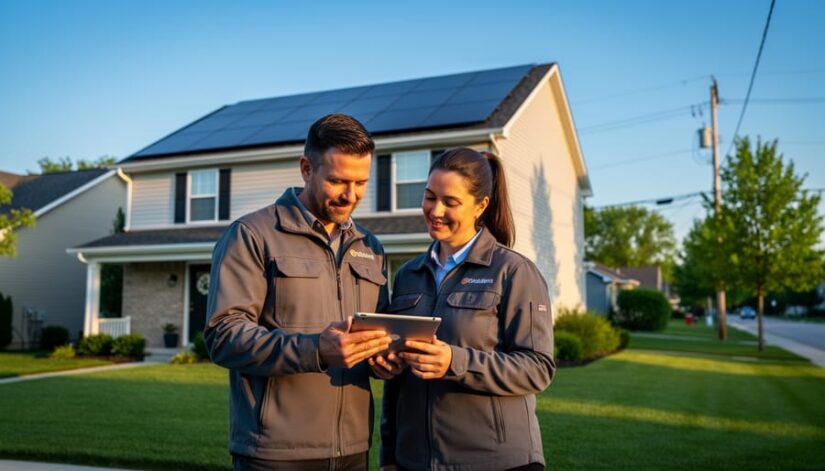
Installing a second-life battery system involves several straightforward steps that property owners should understand. First, a professional site assessment evaluates your property’s electrical infrastructure, available space for battery placement, and compatibility with your existing or planned solar array. This assessment ensures your home or business can safely accommodate the storage system.
In Illinois, you’ll need to secure proper permits from your local municipality and comply with building codes. Your solar installation partner should handle this process, coordinating with local authorities and ensuring all electrical work meets state safety standards. The permitting timeline varies by location but typically takes a few weeks.
Integration with existing solar systems is usually seamless. Second-life batteries connect to your current solar inverter or require a compatible battery inverter if one isn’t already installed. The installation team will configure the system to automatically store excess solar energy during peak production hours and discharge it when needed.
Most residential installations take one to two days to complete. Working with locally owned solar experts familiar with Illinois regulations ensures smooth installation and proper system configuration. Professional installers will also handle utility interconnection requirements and help you understand how to monitor your new energy storage system effectively.

Expected Lifespan and Warranties
Second-life batteries typically deliver 5 to 10 years of reliable performance in stationary storage applications, depending on their initial condition and how they’re used. When an EV battery reaches about 70-80% of its original capacity, it’s no longer ideal for vehicles but still has plenty of life left for less demanding applications like home or business energy storage. In these settings, the reduced capacity matters less because the battery isn’t subjected to the rapid charging and demanding conditions of vehicle operation.
Warranty coverage for second-life batteries varies by provider and should be carefully reviewed before purchase. Most reputable suppliers in Illinois offer warranties ranging from 3 to 7 years, covering defects in materials and significant capacity degradation beyond normal wear. Some warranties guarantee a minimum capacity threshold, such as maintaining at least 60% of rated capacity during the warranty period. It’s important to understand what’s included and excluded—warranties typically don’t cover damage from improper installation, extreme temperatures, or misuse. When working with a locally owned solar energy company experienced in energy storage solutions, you’ll receive guidance on realistic performance expectations and warranty terms that protect your investment while keeping costs manageable compared to new battery systems.
The Future of Battery Recycling and Reuse in Illinois
The second-life battery market is expanding rapidly across the United States, and Illinois is positioned to become a significant player in this growing industry. As more electric vehicles reach the end of their automotive service life over the next decade, the supply of batteries suitable for repurposing will increase substantially, making second-life options more accessible and affordable for homeowners and businesses throughout the state.
Illinois is already taking steps to build the infrastructure needed to support battery reuse and recycling. Local companies are beginning to establish testing and refurbishment facilities, while state policies are evolving to encourage circular economy practices in the energy sector. This means Illinois property owners will have better access to certified second-life batteries as the market matures.
When second-life batteries eventually reach the end of their useful life after 5 to 15 years of stationary storage service, responsible recycling becomes essential. Illinois is developing recycling programs that recover valuable materials like lithium, cobalt, and nickel, reducing the need for new mining and keeping hazardous materials out of landfills. These recycling facilities create local jobs while supporting environmental sustainability.
As a locally owned solar energy company, we’re monitoring these developments closely to ensure our customers have access to the most cost-effective and environmentally responsible energy storage solutions. The future of battery technology in Illinois looks promising, with second-life options playing an important role in making clean energy storage accessible to more residents and businesses across the state.
For Illinois property owners looking to make smart, sustainable energy choices, second-life batteries represent a compelling opportunity. These repurposed storage systems deliver reliable performance at a fraction of the cost of new batteries, making energy independence more accessible than ever. Whether you’re a homeowner wanting backup power during outages or a business seeking to reduce demand charges, second-life batteries offer practical solutions without compromising on quality or safety.
Beyond the financial advantages, choosing second-life batteries supports a circular economy and reduces electronic waste, aligning your energy decisions with environmental responsibility. As Illinois continues advancing its clean energy goals, integrating affordable storage with solar systems positions you to maximize savings while contributing to a more sustainable grid.
The key to success lies in working with knowledgeable professionals who understand both the technology and Illinois-specific regulations. A locally owned solar provider with expertise in energy storage can evaluate your property’s needs, recommend appropriate solutions, and ensure proper installation and ongoing support. If you’re ready to explore how second-life batteries might fit into your energy strategy, connecting with local experts is your next step toward smarter, more affordable power management.