
What Happens to Your Old Solar Panels? The Smart Solution for Returns and Reuse
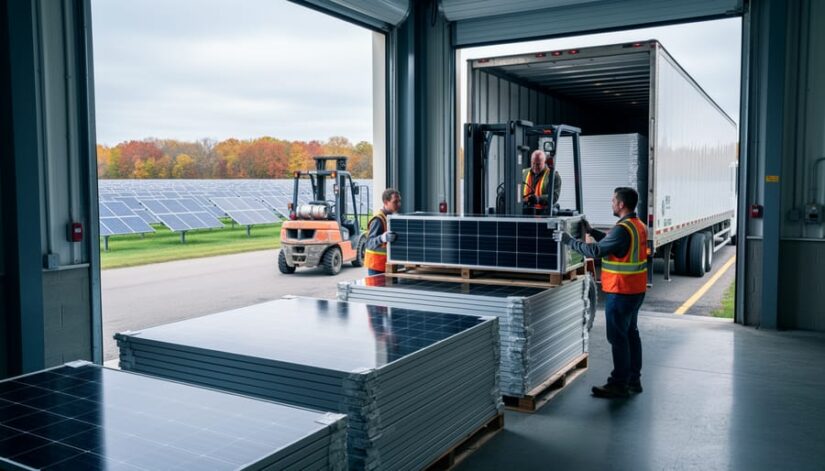
Solar panels reaching the end of their 25-30 year lifespan present a critical challenge that Illinois property owners must plan for today. When your system needs replacement, repair, or disposal, reverse logistics—the process of moving products backward through the supply chain—determines whether those panels become environmental hazards or valuable recycled materials.
Third-party logistics providers (3PLs) specializing in reverse logistics handle the complex journey of decommissioning, transporting, and processing solar equipment. These specialized partners manage everything from safe panel removal and hazardous material handling to refurbishment opportunities and certified recycling. For Illinois solar owners, understanding this process means protecting your investment, meeting state environmental regulations, and contributing to the circular economy that makes solar truly sustainable.
The stakes are substantial. A typical residential solar installation contains 20-40 panels, each weighing 40-50 pounds and containing materials like silicon, silver, and small amounts of lead. Multiply this across Illinois’s growing solar market, and the volume of panels requiring proper end-of-life management will reach thousands of tons in the coming decades. Without effective reverse logistics partnerships, these panels could overwhelm landfills and waste valuable resources.
Working with experienced 3PL providers ensures your solar investment remains environmentally responsible from installation through retirement. Whether you’re a homeowner planning ahead, a business managing multiple solar sites, or an installer looking to offer comprehensive service, understanding reverse logistics 3PL solutions protects both your interests and Illinois’s environmental future.
Understanding Reverse Logistics in the Solar Industry
What Makes Solar Panel Reverse Logistics Different
Solar panel reverse logistics presents unique challenges that set it apart from typical product returns or recycling. Understanding these distinctions helps Illinois solar panel owners and businesses appreciate why specialized 3PL providers are essential for end-of-life panel management.
First, the physical characteristics of solar panels create logistical complexity. Standard residential panels measure approximately 65 by 39 inches and weigh between 40 to 50 pounds each. Commercial installations often involve hundreds of panels, creating substantial transportation and handling requirements. Their size makes standard shipping methods impractical, requiring specialized equipment and vehicles.
Glass fragility compounds these challenges. Solar panels contain tempered glass that, while durable during normal operation, can crack or shatter during disassembly, transportation, or processing. Broken glass increases safety risks for handlers and complicates material recovery efforts. Proper packaging, trained personnel, and careful handling protocols become critical throughout the reverse logistics chain.
Material composition also distinguishes solar panel logistics from standard electronics recycling. Panels contain valuable materials like silicon and silver that require specialized extraction processes. However, these materials are embedded within layered construction using adhesives and encapsulants, making separation technically demanding.
Finally, regulatory requirements add another layer of complexity. Solar panels classify as electronic waste in Illinois, subject to specific handling, transportation, and disposal regulations. Compliance requires documentation, proper labeling, certified processing facilities, and adherence to environmental protection standards. Experienced 3PL providers navigate these requirements while ensuring responsible material recovery and environmental stewardship.
The Role of 3PL Providers
Third-party logistics providers, or 3PLs, are specialized companies that handle supply chain operations on behalf of businesses. In reverse logistics for solar panels, these providers manage the complex journey of materials moving backward through the supply chain after their useful life ends. Unlike traditional logistics that moves products from manufacturers to consumers, reverse logistics requires unique expertise in handling decommissioned equipment.
For Illinois solar system owners and installers, 3PL providers offer essential services that make end-of-life panel management practical and cost-effective. These companies coordinate transportation of removed panels from residential or commercial sites to processing facilities, ensuring compliance with state regulations. They operate warehousing facilities where panels are temporarily stored and sorted by condition and material composition.
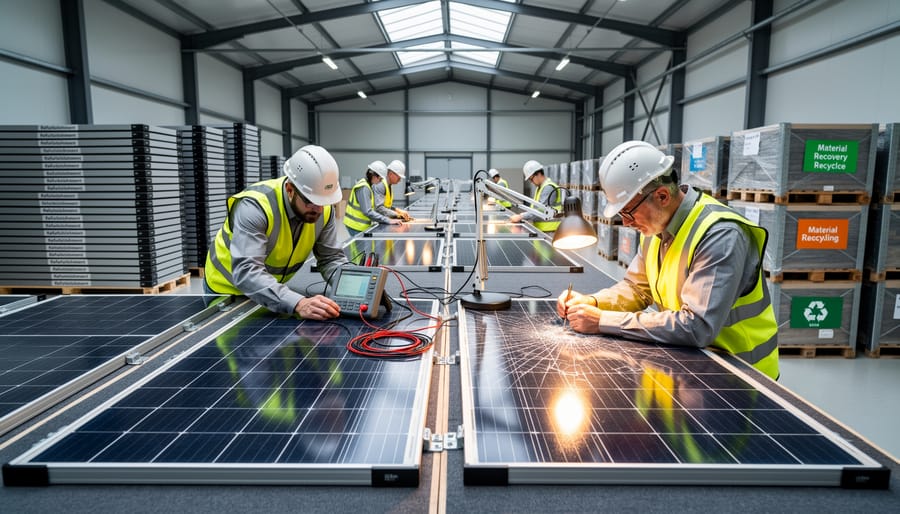
A key function is inspection and testing to determine whether panels can be refurbished for secondary markets or must be recycled. 3PL providers also manage relationships with specialized recycling facilities capable of extracting valuable materials like silicon, silver, and aluminum from solar panels. For locally owned solar businesses, partnering with experienced 3PL providers streamlines the reverse logistics process, reduces liability, and supports environmental responsibility. These partnerships ensure that Illinois’s growing inventory of aging solar panels is handled efficiently, transforming potential waste into recovered resources while maintaining the industry’s commitment to sustainability.

When Solar Panels Need to Be Returned or Replaced
Warranty and Performance Issues
Solar panel manufacturers typically provide warranties covering 25 years or more, guaranteeing that panels will maintain a certain level of performance throughout their lifespan. However, when panels degrade beyond acceptable thresholds—usually when output drops below 80% of original capacity—or experience manufacturing defects, homeowners and businesses have options for returns and replacements.
In Illinois, initiating a warranty claim begins with documenting the performance issue through your solar monitoring system. Contact your installation company first, as they often handle warranty communications with manufacturers. If panels require return shipping, this is where reverse logistics 3PL providers become essential. These specialized companies coordinate the safe removal, packaging, and transportation of defective panels back to manufacturers or designated facilities.
For business owners with larger commercial installations, 3PL partners streamline the entire process, managing logistics while you focus on maintaining energy production. They handle everything from scheduling pickup to ensuring proper handling during transit. Working with locally owned solar providers in Illinois gives you an advantage—they understand regional regulations and can connect you with reliable 3PL services that specialize in solar equipment. This expertise ensures warranty claims proceed smoothly, minimizing downtime and protecting your investment in clean energy.
Damage and System Upgrades
Illinois weather conditions present unique challenges for solar panel systems throughout their operational life. Hail storms, strong winds, and heavy snow loads can cause physical damage ranging from microcracks to complete panel breakage. When panels sustain damage, working with a 3PL experienced in reverse logistics ensures proper assessment, safe removal, and appropriate recycling or disposal of compromised equipment.
Physical damage isn’t always immediately visible. Microcracks from hail impact may reduce efficiency gradually over time rather than causing immediate failure. Professional 3PL providers can coordinate testing and evaluation to determine whether repair, replacement, or system upgrades represent the best path forward for your specific situation.
Sometimes damage presents an opportunity rather than just a setback. If your panels are more than 10-15 years old and sustain weather-related damage, upgrading to more efficient panels may prove more cost-effective than repairing older technology. Modern panels offer significantly improved efficiency rates and longer warranties, potentially offsetting replacement costs through increased energy production. A knowledgeable 3PL partner can manage the entire transition, handling damaged panel removal, proper recycling, and coordination with installers for your upgraded system.
How Reverse Logistics 3PL Services Work for Solar Panels
The Collection and Transportation Process
When solar panels reach the end of their lifecycle, the collection and transportation process requires careful coordination and specialized handling. Third-party logistics providers work directly with installers, property owners, and solar companies throughout Illinois to schedule efficient pickups that minimize disruption to your property.
The process typically begins with an assessment of the panels’ condition and location. Since solar panels contain glass, silicon, and metal components, 3PLs use specialized packaging materials designed to prevent breakage during transport. Panels are carefully removed from rooftops or ground mounts, then secured in protective crates or pallets that cushion them against road vibrations and handling impacts.
Transportation considerations are particularly important given Illinois’s diverse geography. Urban areas like Chicago require navigating dense traffic and coordinating with building management for high-rise installations, while rural properties across central and southern Illinois may involve longer transportation routes. Locally owned 3PL providers with expertise in solar energy understand these regional differences and plan routes accordingly, often consolidating multiple pickups to improve efficiency.
Temperature fluctuations during Illinois winters also factor into transportation planning, as extreme cold can make certain materials more brittle. Professional 3PLs account for seasonal conditions and use climate-appropriate vehicles when necessary.
Most 3PL partners maintain relationships with certified recycling facilities within or near Illinois, reducing transportation distances and associated costs. This regional approach not only speeds up the reverse logistics process but also supports local environmental initiatives while keeping transportation emissions lower than shipping panels across the country.
Assessment, Sorting, and Next Steps
Once returned solar panels arrive at a processing facility, a thorough assessment begins to determine their condition and best path forward. Professional 3PL providers specializing in solar reverse logistics employ trained technicians who inspect each panel for physical damage, test electrical output, and evaluate overall functionality. This systematic evaluation is essential because not all returned panels are actually defective—some may have been removed due to system upgrades, building renovations, or minor cosmetic concerns.
Based on assessment results, panels are sorted into distinct categories. Fully functional panels with minimal wear may qualify for complete reuse, either through resale in secondary markets or donation programs. Panels showing reduced efficiency but still operational enter the refurbishment category, where repairs or component replacements can restore performance to acceptable levels. When panels cannot be economically repaired, they move to parts recovery, where valuable materials like junction boxes, frames, and wiring are carefully extracted for reuse in other applications.
Panels beyond repair proceed to specialized recycling facilities. Illinois residents benefit from 3PL partners who understand state regulations and environmental standards governing solar waste. These facilities break down panels to recover silicon, glass, aluminum, and trace metals, preventing hazardous materials from entering landfills.
Each category follows a specific routing protocol, with 3PL providers coordinating transportation to appropriate facilities—whether refurbishment centers, material recovery operations, or certified recycling plants. This organized approach maximizes resource recovery while minimizing environmental impact, turning potential waste into valuable commodities.
The Reuse and Refurbishment Opportunity
Secondary Markets for Used Solar Panels
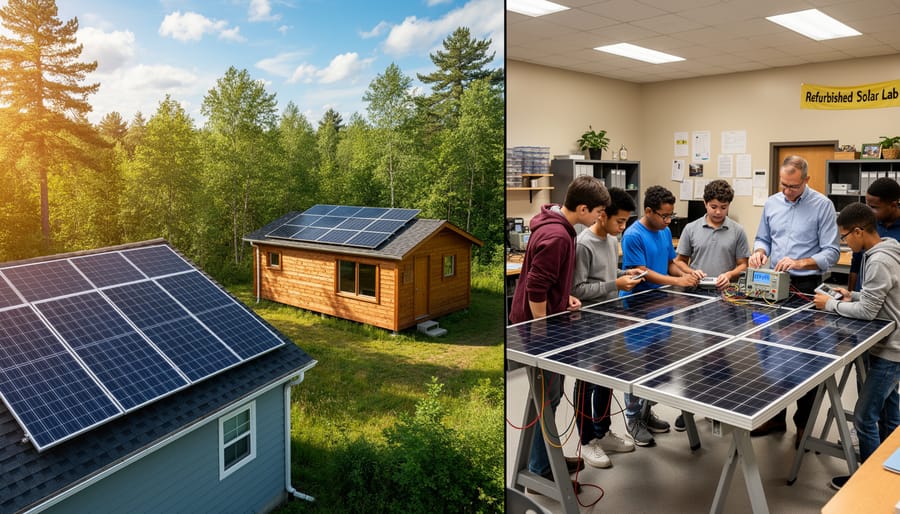
Refurbished solar panels find valuable second lives in markets where cost considerations outweigh the need for absolute peak performance. Smaller residential installations represent a significant opportunity, as homeowners with limited budgets can achieve energy independence at 40-60% lower costs compared to new panels. Off-grid applications like cabins, RVs, and remote agricultural operations benefit tremendously from these affordable options, where slight efficiency reductions matter less than upfront savings.
Developing markets worldwide actively seek quality used panels, extending their useful life while making renewable energy accessible to communities that couldn’t otherwise afford it. Educational institutions in Illinois and beyond purchase refurbished panels for training programs, giving students hands-on experience without the premium price tag.
The value proposition is straightforward: these panels typically retain 80-90% of their original efficiency while costing significantly less. For applications where space isn’t constrained and maximum power output isn’t critical, refurbished panels deliver excellent returns. This secondary market creates a win-win scenario—original owners responsibly retire their systems, new users access affordable solar technology, and perfectly functional equipment avoids premature disposal. As a locally owned company with expertise in solar energy, we understand how these secondary markets support Illinois residents in making sustainable, cost-effective energy choices.
Quality Standards and Testing
When you’re considering previously used solar panels, quality assurance becomes essential. Reputable reverse logistics 3PLs implement rigorous testing protocols to ensure panels meet performance standards before entering the secondary market. These specialists typically conduct electrical performance tests, thermal imaging inspections, and visual assessments to identify any degradation or damage. Most tested panels retain 80-90% of their original efficiency, making them viable options for various applications.
Professional 3PLs often provide performance guarantees and detailed documentation about each panel’s history and current condition. This transparency helps buyers make informed decisions while reducing concerns about reliability. In Illinois, where solar adoption continues growing, these quality standards protect both sellers looking to responsibly retire equipment and buyers seeking cost-effective solar solutions. Locally owned providers with expertise in solar energy understand regional climate impacts on panel longevity and can better assess quality for Illinois-specific conditions, ensuring the secondary solar market remains trustworthy and beneficial for all stakeholders.
Environmental and Economic Benefits of Professional Reverse Logistics
Professional reverse logistics through third-party providers delivers substantial environmental and economic advantages for solar panel management. Instead of sending decommissioned panels to landfills, specialized 3PLs redirect them toward recovery of valuable materials like silver, silicon, copper, and aluminum. These materials can be extracted and reintroduced into manufacturing processes, reducing the need for virgin resource extraction and supporting a circular economy.
The environmental impact is significant. Manufacturing new solar panels requires substantial energy and resources. By refurbishing and recycling existing panels, reverse logistics operations can reduce carbon emissions by up to 70% compared to producing new ones from scratch. This process also prevents harmful materials from contaminating soil and water when panels would otherwise end up in landfills.
From an economic perspective, professional reverse logistics creates multiple value streams. Panels that still function at reduced efficiency can be refurbished and resold for applications where peak performance isn’t critical, generating revenue that would be lost in disposal. The recovered materials themselves have market value, offsetting processing costs. For Illinois homeowners and businesses, working with a qualified 3PL means potential buy-back programs or reduced disposal fees.
Compliance represents another crucial benefit. As regulations around electronic waste become stricter, professional reverse logistics ensures you meet environmental requirements without managing complex processes yourself. This is particularly relevant as Illinois’s renewable energy goals expand and state policies evolve to address end-of-life solar equipment responsibly.
Working with locally owned providers who understand Illinois’s specific regulatory environment adds another layer of assurance. They navigate state requirements while delivering environmental stewardship and economic efficiency that align with your commitment to sustainable energy practices.
Choosing the Right Approach for Illinois Solar Owners
When evaluating solar companies in Illinois, understanding their approach to reverse logistics and end-of-life panel management should be part of your decision-making process. A solar installation is a long-term investment, and partnering with a company that plans for the entire lifecycle demonstrates commitment to both customers and environmental responsibility.
Start by asking potential installers direct questions about their end-of-life plans. What happens if a panel needs replacement during the warranty period? How do they handle decommissioning when your system reaches the end of its productive life? Companies with established reverse logistics processes will have clear answers. They should be able to explain their take-back programs, recycling partnerships, and how they minimize the burden on you as the system owner.
Look for companies that have relationships with reputable third-party logistics providers specializing in solar equipment. These 3PL partnerships indicate a structured approach to handling returns, replacements, and recycling. Ask whether the company manages these processes in-house or works with certified logistics partners who understand the specialized handling requirements for solar panels.
At Illinois Renewables, we’ve built reverse logistics into our service model from day one. When panels require replacement under warranty or need removal, our locally owned team coordinates the entire process. We handle transportation, proper packaging to prevent further damage, and ensure panels are directed to appropriate recycling facilities that recover valuable materials like silicon, glass, and metals. Our established 3PL partnerships mean we can execute these returns efficiently without passing logistical headaches to our customers.
The importance of working with companies that have formalized reverse logistics cannot be overstated. Without these systems, homeowners and businesses may face uncertainty about disposal options, potential environmental liabilities, or unexpected costs when panels reach end-of-life. Companies with mature reverse logistics operations treat panel recovery as an integral service, not an afterthought. This forward-thinking approach protects your investment while supporting Illinois’s broader renewable energy goals and circular economy initiatives.
Choosing solar energy represents a significant commitment to sustainability, but truly responsible renewable energy goes beyond installation—it includes thoughtful planning for the entire system lifecycle. When panels eventually reach their end of service, how they’re managed makes a real difference for our environment and communities. This is where reverse logistics partnerships with experienced third-party providers become essential to completing the sustainability circle.
At Illinois Renewables, we believe comprehensive service means supporting our clients throughout their solar journey, including solar panel lifecycle management. As a locally owned company with deep expertise in solar energy, we’re committed to ensuring that the systems we install today don’t become tomorrow’s environmental burden. This commitment extends to partnering with qualified reverse logistics providers who can handle decommissioning, transportation, and responsible recycling when the time comes.
If you’re considering solar installation or currently work with a solar provider, we encourage you to ask important questions: What happens to my panels at end-of-life? Do you work with certified reverse logistics partners? How will materials be recovered and recycled? These conversations ensure you’re working with a provider who shares your commitment to genuine sustainability. Contact Illinois Renewables today to learn how our comprehensive approach includes responsible end-of-life planning for complete peace of mind.
