
Smart Home Energy Control: How IoT Makes Your Solar System Work Harder
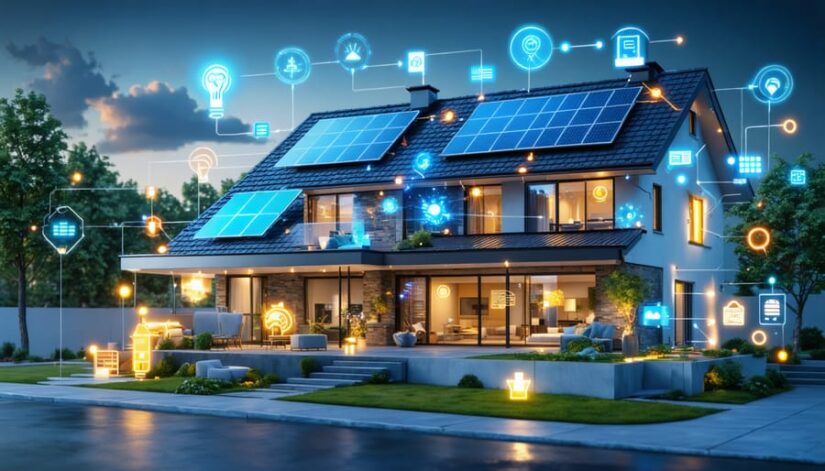
IoT integration transforms ordinary solar energy systems into intelligent powerhouses that optimize your home’s energy production and consumption in real-time. By connecting your solar panels, inverters, and home energy systems through smart sensors and internet-enabled devices, Illinois homeowners can unlock unprecedented control and efficiency. This interconnected ecosystem automatically adjusts power distribution based on your usage patterns, weather conditions, and grid demands, maximizing your solar investment while reducing energy costs.
The convergence of IoT technology with solar energy systems represents more than just adding smart features—it’s about creating a responsive, self-optimizing energy management system that adapts to your specific needs. From monitoring panel performance and predicting maintenance requirements to automating energy storage decisions, IoT integration brings intelligence to every aspect of your solar installation. For Illinois residents looking to maximize their solar energy investment, understanding IoT integration is crucial for building a future-proof, efficient home energy system.
What IoT Integration Means for Your Home Energy System
Core Components of IoT Energy Integration
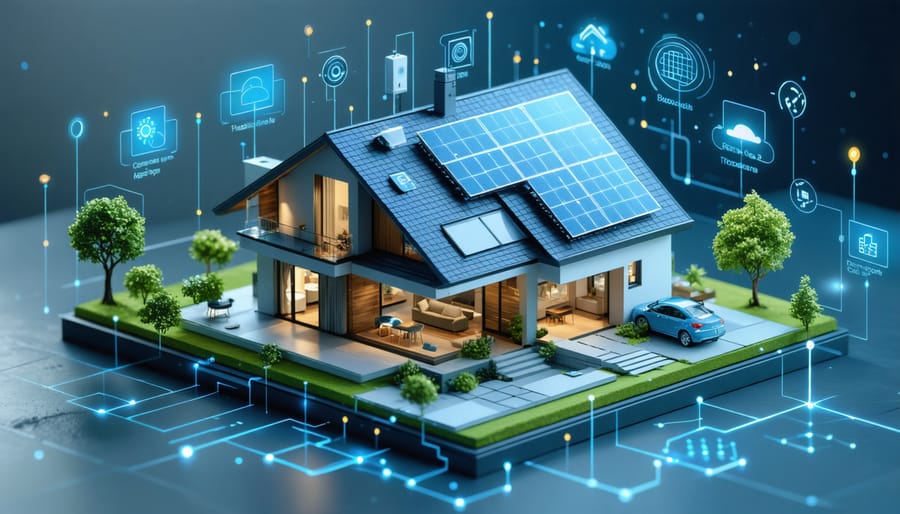
A well-integrated IoT energy system relies on several key components working together seamlessly. Smart meters form the foundation, providing real-time monitoring of energy production and consumption. These devices communicate directly with your solar panels and home energy management system, offering precise data about your power usage patterns.
Motion and occupancy sensors play a crucial role by automatically adjusting energy usage based on room activity. Smart thermostats learn your temperature preferences while optimizing HVAC operations around solar production peaks. Weather stations and solar radiation sensors help predict energy generation potential, allowing your system to make intelligent decisions about energy storage and usage.
Power optimizers and smart inverters ensure maximum efficiency from your solar panels, while automated switches and smart plugs give you granular control over individual appliances. Energy storage monitoring devices track battery levels and manage charging cycles to maximize your solar investment.
All these components connect through a central hub or gateway, creating a comprehensive system that optimizes energy flow throughout your Illinois home.
Real-Time Energy Monitoring and Control
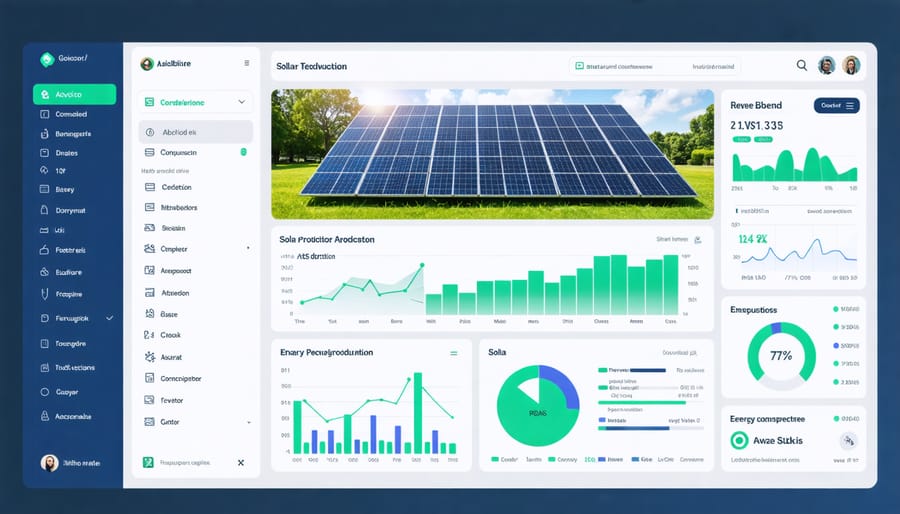
Real-time energy monitoring through IoT integration puts the power of knowledge directly in homeowners’ hands. Smart sensors and connected devices throughout your home continuously collect data about energy consumption patterns, solar panel performance, and overall system efficiency. This information is instantly accessible through user-friendly mobile apps or web dashboards.
With IoT-enabled monitoring, you can track energy usage by individual appliances, identify peak consumption periods, and receive alerts when usage patterns change unexpectedly. The system allows you to remotely control connected devices, such as smart thermostats and lighting systems, helping you optimize energy consumption based on real-time data.
For solar energy users, IoT integration provides detailed insights into solar panel performance, battery storage levels, and grid interaction. You can see exactly how much energy your panels are producing, how much is being stored, and when you’re drawing power from the grid. This visibility enables informed decisions about energy use, such as scheduling high-consumption activities during peak solar production hours.
The system can also predict energy needs based on weather forecasts and historical usage patterns, automatically adjusting settings to maximize efficiency and savings.
Benefits of IoT Integration with Solar Systems
Enhanced Energy Efficiency
IoT integration revolutionizes energy management by creating smart, responsive systems that optimize power consumption in real-time. For homeowners investing in residential solar installations, IoT devices continuously monitor energy usage patterns, weather conditions, and system performance to maximize efficiency. Smart sensors can automatically adjust power distribution based on peak usage times, ensuring that solar-generated electricity is utilized when it provides the most value.
These intelligent systems can reduce energy waste by up to 30% through automated controls that turn off unused appliances and optimize HVAC operations. In Illinois homes, where seasonal temperature variations significantly impact energy consumption, IoT-enabled thermostats can learn household patterns and adjust settings accordingly. The technology also provides detailed energy consumption data, allowing homeowners to make informed decisions about their power usage and identify opportunities for additional savings.
When connected to solar monitoring systems, IoT devices can predict maintenance needs, prevent system failures, and ensure optimal performance year-round, leading to substantial long-term cost savings and improved return on investment.
Predictive Maintenance and System Health
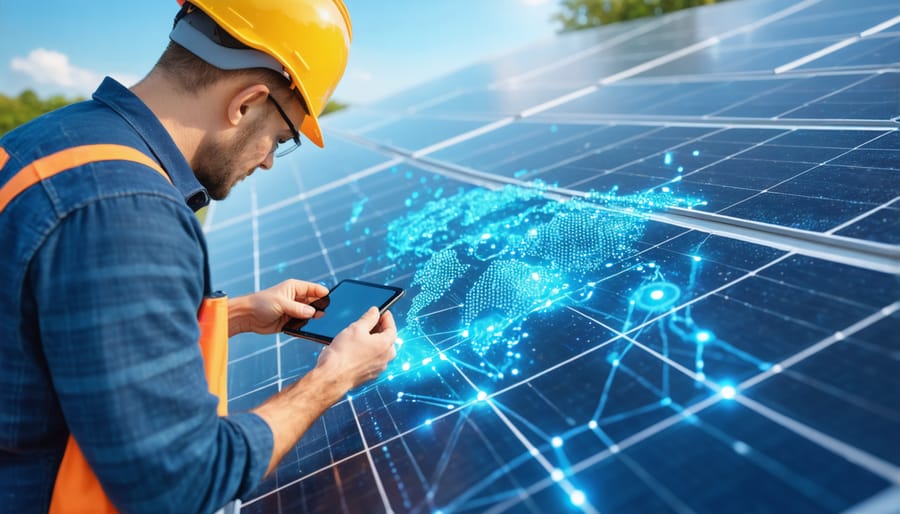
IoT integration transforms solar system maintenance from reactive to proactive by continuously monitoring system performance and health. Smart sensors throughout your solar installation collect real-time data on energy production, equipment temperatures, and component efficiency. This constant stream of information allows the system to detect potential issues before they become serious problems.
For Illinois homeowners and businesses, this means fewer unexpected system failures and more consistent energy production. The IoT system analyzes weather patterns, historical performance data, and current operating conditions to predict when maintenance might be needed. You’ll receive alerts when panels need cleaning, when inverters show signs of stress, or when production levels drop below expected thresholds.
This predictive approach is particularly valuable during Illinois’s diverse weather conditions, from hot summers to snowy winters. The system can automatically adjust settings for optimal performance and flag potential weather-related concerns. Additionally, the collected data helps maintenance technicians arrive prepared with the right tools and replacement parts, reducing system downtime and maintenance costs.
By catching and addressing issues early, IoT integration helps extend the lifespan of your solar investment while maintaining peak efficiency year-round.
Implementing IoT Integration in Your Illinois Home
Getting Started with Smart Energy Management
Getting started with smart energy management through IoT integration is simpler than you might think. Begin by assessing your current energy setup and identifying key areas where monitoring would be most beneficial. For homes and businesses in Illinois, this typically includes solar panels, HVAC systems, and major appliances.
The basic requirements include smart meters or energy monitoring devices, a reliable internet connection, and a central hub or gateway device to collect and process data. You’ll also need compatible smart devices or sensors that can communicate with your system. Many Illinois homeowners start with smart thermostats and plug-in energy monitors, gradually expanding their network as needed.
Consider working with a local energy solutions provider to ensure proper installation and configuration. They can help you select appropriate devices that work with your existing solar setup and ensure everything communicates effectively. Start small with one or two connected devices, then scale up as you become more comfortable with the technology.
Remember to prioritize cybersecurity from the beginning by using strong passwords and keeping all devices updated with the latest firmware. This foundation will support a more comprehensive smart energy management system as your needs grow.
IoT integration represents a transformative force in how we manage and optimize our energy systems, particularly in solar installations across Illinois. As technology continues to advance, we can expect even more sophisticated integration capabilities, leading to smarter homes and more efficient businesses. The future outlook for IoT integration in solar energy systems is exceptionally promising, with emerging technologies like artificial intelligence and machine learning enhancing system performance and predictive maintenance capabilities.
For homeowners and businesses in Illinois, embracing IoT integration means staying ahead of the curve in energy management while maximizing their solar investment returns. The combination of real-time monitoring, automated adjustments, and predictive maintenance creates a robust framework for sustainable energy management that will only become more valuable over time.
As we move forward, IoT integration will play an increasingly crucial role in achieving energy efficiency goals and supporting the broader transition to renewable energy. By understanding and implementing IoT solutions today, Illinois residents and businesses are well-positioned to benefit from this technological revolution while contributing to a more sustainable future.
