

Virtual Home Energy Audits: Save Money Without the House Call
Imagine saving up to 30% on your energy bills while making your home more comfortable year-round. A home energy audit delivers exactly that – a comprehensive assessment that pinpoints where your money is literally seeping through the cracks. As Illinois homeowners face rising energy costs and extreme weather patterns, understanding your home’s energy efficiency isn’t just smart – it’s essential for your wallet and comfort.
Professional energy auditors use advanced diagnostic tools like infrared cameras and blower door tests to create a detailed roadmap of your home’s energy waste spots. While the upfront cost typically ranges from $200-$600, the resulting energy improvements can pay for themselves within the first year through reduced utility bills and available energy efficiency rebates.
Whether you’re looking to lower your carbon footprint, increase your home’s value, or simply stop throwing money away on wasted energy, a professional energy audit provides the expert insights needed to make informed, cost-effective improvements that deliver lasting results.
What Exactly is a Virtual Energy Audit?
Traditional vs. Virtual Audits
Traditional energy audits involve a certified professional visiting your home to conduct a thorough inspection using specialized equipment like blower doors and infrared cameras. During these in-person assessments, auditors can physically examine insulation, identify air leaks, and assess your HVAC system’s efficiency. They provide detailed, hands-on analysis that often catches issues that might be missed through other methods.
Virtual energy audits, on the other hand, offer a convenient alternative that’s gaining popularity in Illinois. These remote assessments typically combine utility bill analysis, virtual home tours via smartphone video calls, and detailed questionnaires about your home’s energy usage patterns. While virtual audits can’t provide the same level of detailed diagnostic testing as traditional audits, they offer significant advantages in terms of convenience and cost.
Both methods have their place, depending on your needs. Traditional audits are ideal for older homes or when planning major energy upgrades, while virtual audits work well for initial assessments or when you’re looking for quick, basic energy-saving recommendations. Some Illinois homeowners even opt to start with a virtual audit and follow up with an in-person assessment if more detailed analysis is needed.
The Technology Behind Virtual Audits
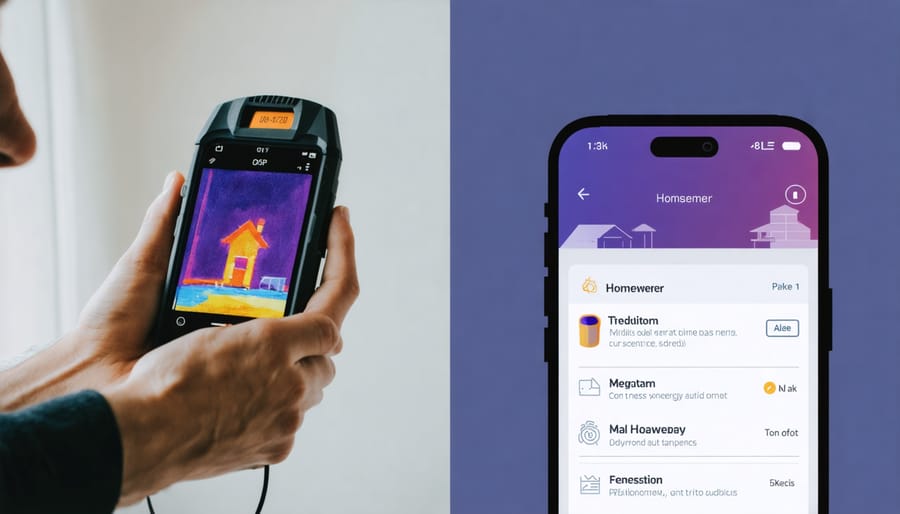
Virtual energy audits leverage cutting-edge technology to deliver comprehensive home assessments without requiring an in-person visit. Through smartphone apps and video conferencing tools, homeowners can guide auditors through their space while specialized software analyzes energy consumption patterns. These digital platforms often integrate with smart home energy control systems to gather real-time data about your home’s energy usage.
The process typically involves using your smartphone’s camera to capture detailed images of key areas like windows, insulation, and HVAC systems. Advanced thermal imaging capabilities in newer phones can even detect heat loss points and air leaks. Machine learning algorithms analyze utility bills, weather data, and home specifications to generate customized energy-saving recommendations.
Digital measurement tools help calculate room dimensions and window efficiency, while automated reporting software compiles findings into easy-to-understand action plans. Many virtual audit platforms also offer interactive features that let homeowners track their progress and simulate potential energy savings from recommended improvements. This technology makes energy assessments more accessible while maintaining professional-grade accuracy in identifying energy-saving opportunities.
The Real Value of Virtual Energy Audits
Immediate Cost Savings
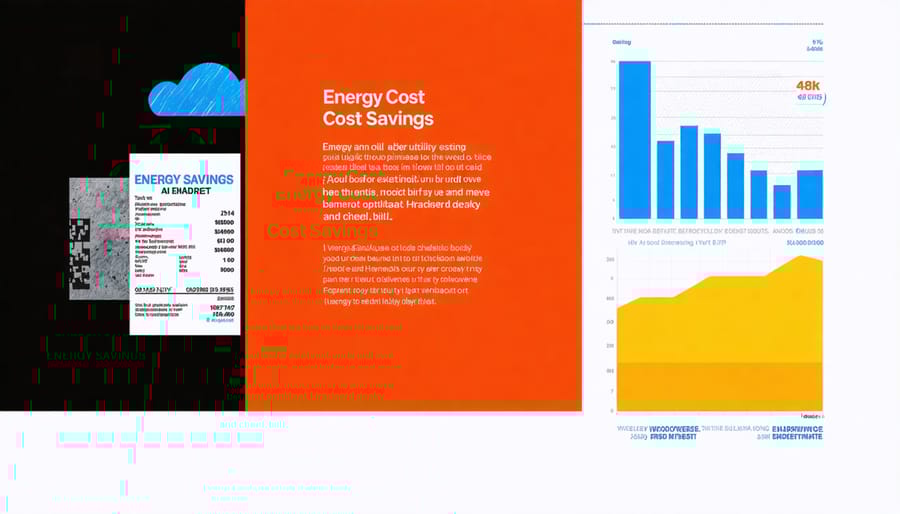
A home energy audit typically costs between $200 and $600, depending on your home’s size and the audit’s comprehensiveness. While this might seem like a significant upfront investment, the potential savings often justify the expense within the first year. Most homeowners discover they can reduce their energy bills by 15-30% by implementing the recommendations from their audit.
Consider this: if your monthly energy bill averages $200, a 20% reduction would save you $480 annually. When combined with personalized energy analytics and proper implementation of audit recommendations, these savings can multiply over time. Many Illinois residents find that simple fixes identified during an audit, such as sealing air leaks or adding insulation, can be completed for a few hundred dollars while delivering substantial long-term savings.
Additionally, various Illinois energy efficiency programs and incentives can help offset the initial audit cost, making it an even more attractive investment. Some utility companies even offer free or discounted energy audits to their customers, further improving the cost-benefit ratio of this valuable home improvement tool.
Time and Convenience Benefits
A home energy audit can save you significant time compared to figuring out energy inefficiencies on your own through trial and error. Professional auditors typically complete a comprehensive assessment in just 2-4 hours, providing you with actionable insights immediately. Virtual audits offer even more convenience, allowing you to schedule the assessment around your busy lifestyle without having to take time off work or rearrange your day.
With modern technology and smartphones, you can participate in a virtual audit from anywhere in your home, walking through the process with an expert who guides you remotely. This flexibility means you can address energy concerns promptly without waiting weeks for an in-person appointment. Plus, you’ll have digital documentation of the entire assessment, making it easier to reference recommendations and track improvements over time.
Common Issues Identified in Virtual Audits
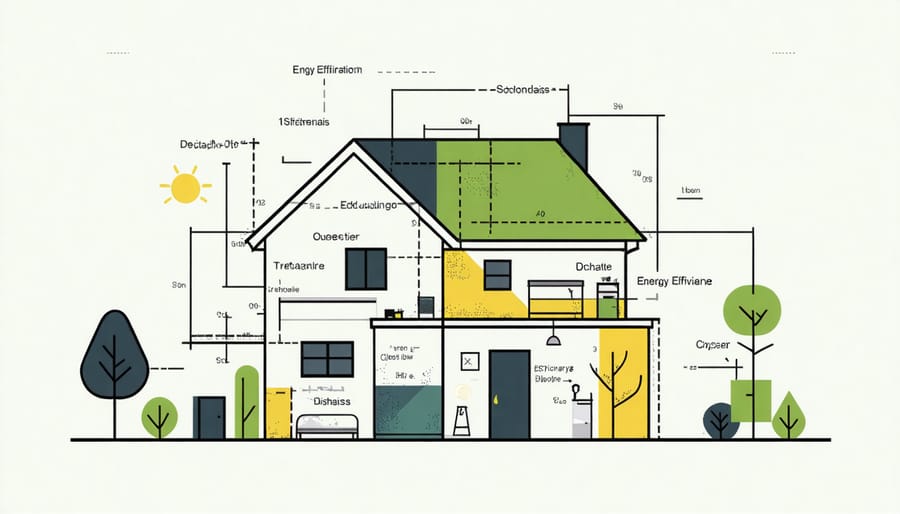
Virtual energy audits consistently reveal several common energy efficiency issues across Illinois homes. Poor insulation and air leakage typically top the list, with many homeowners discovering significant heat loss through attics, walls, and around windows and doors. These issues are often identified through thermal imaging analysis of photos submitted by homeowners.
Outdated or inefficient HVAC systems are another frequent finding, particularly in homes over 15 years old. Virtual assessments often spot improper maintenance patterns and aging equipment that’s consuming more energy than necessary. Inadequate energy-efficient lighting solutions also emerge as a common concern, with many homes still using outdated incandescent bulbs or poorly placed lighting fixtures.
Water heating inefficiencies are regularly identified through utility bill analysis, revealing opportunities for better insulation and temperature adjustment. Many virtual audits also uncover phantom energy usage from electronics and appliances left plugged in when not in use. Additionally, improper thermostat programming and outdated weatherstripping are commonly spotted issues that contribute to higher energy costs.
These problems are typically identified through a combination of utility bill analysis, photo submissions, and detailed questionnaires about home energy usage patterns. While virtual audits may not catch every issue, they’re remarkably effective at spotting these common energy-draining problems that affect most Illinois homes.
Is a Virtual Energy Audit Right for Your Home?
Virtual energy audits offer a convenient alternative to traditional in-person assessments, but they may not be suitable for every home. Consider your property’s age, size, and complexity when deciding between virtual and traditional options. Virtual audits work best for newer homes with readily available documentation and straightforward layouts.
During a virtual audit, you’ll use your smartphone or tablet to guide an energy professional through your home via video call. While this method is cost-effective and time-efficient, it may miss subtle issues that an in-person inspection would catch, such as hidden air leaks or insulation problems.
Virtual audits are ideal if you’re comfortable with technology, have good internet connectivity, and can accurately follow instructions to gather necessary information. However, older homes, properties with complex HVAC systems, or those with significant energy issues might benefit more from a traditional audit’s hands-on approach.
Consider starting with a virtual audit if you’re looking for basic energy-saving recommendations or want a preliminary assessment before committing to a comprehensive in-person evaluation. This approach can provide valuable insights while helping you determine if a more detailed assessment is necessary.
Virtual energy audits offer a practical, cost-effective way to improve your home’s energy efficiency. By combining convenience with professional expertise, these assessments help Illinois homeowners identify energy-saving opportunities without disrupting their daily routines. Take the first step toward energy savings by scheduling a virtual audit today and start implementing personalized recommendations that will benefit both your wallet and the environment.
