
Why Your 9 Volt Batteries Won’t Last as Long as You Think (And What to Do About It)
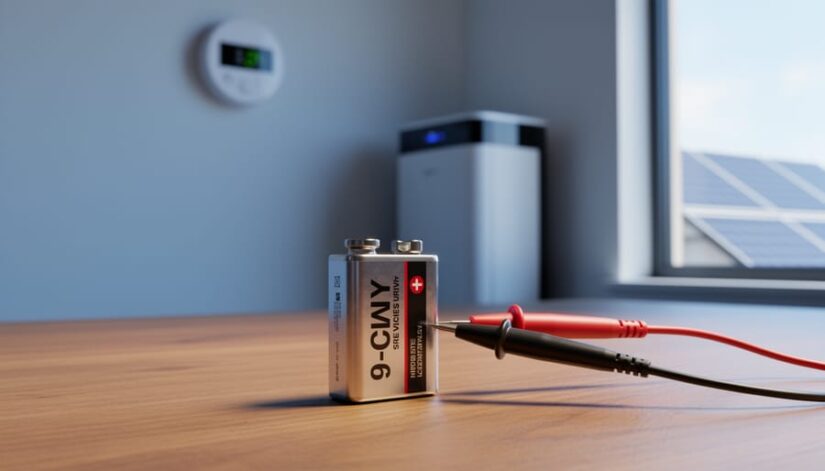
Check expiration dates printed on 9-volt battery packaging before purchase—most alkaline varieties maintain 80-90% capacity for 5-7 years when stored properly, while lithium versions can last up to 10 years on the shelf. Store batteries in cool, dry locations between 50-77°F, avoiding humid basements or hot garages that accelerate self-discharge and reduce usable life by up to 50%. Test older batteries using a simple voltmeter or battery tester before installation in smoke detectors, guitar pedals, or other critical devices—any reading below 8.4 volts indicates significant depletion.
Understanding battery lifecycle extends beyond simple shelf life considerations. Whether you’re managing household battery inventory or exploring larger energy storage systems, the principles of proper storage and end-of-life management remain remarkably similar. Illinois homeowners increasingly recognize that battery technology plays a vital role not just in everyday devices, but in renewable energy solutions that power entire homes.
Smart battery management reduces waste and saves money while contributing to broader sustainability goals. The same attention to storage conditions and replacement timing that preserves your 9-volt batteries applies to solar energy storage systems, though on a dramatically different scale. Just as neglected household batteries lose capacity and eventually require proper disposal, commercial energy storage solutions demand informed lifecycle planning.
This comprehensive guide covers everything from maximizing shelf life and recognizing degradation signs to responsible disposal options available throughout Illinois, connecting everyday battery knowledge with the growing importance of energy storage in our renewable energy future.
What Actually Determines 9 Volt Battery Shelf Life
How Illinois Weather Impacts Battery Performance
Illinois weather presents unique challenges for 9 volt battery storage due to its dramatic seasonal temperature swings and humidity variations. Understanding these local conditions helps you maximize battery shelf life and performance.
Temperature extremes significantly impact battery chemistry. During Illinois winters, when temperatures regularly drop below freezing, batteries stored in unheated garages or sheds experience slower chemical reactions that can reduce capacity. Conversely, summer heat waves pushing temperatures above 90°F accelerate internal chemical degradation, potentially cutting shelf life by 50% or more. The ideal storage temperature for 9 volt batteries ranges between 50°F and 77°F, which means finding climate-controlled spaces in your home becomes essential during our extreme seasons.
Humidity adds another layer of complexity. Illinois experiences high humidity levels, particularly during spring and summer months, which can corrode battery terminals and damage packaging seals. This moisture exposure leads to premature discharge and reduced reliability. Store batteries in dry locations away from basements prone to dampness or bathrooms with regular moisture exposure.
The state’s frequent temperature fluctuations between day and night, especially during spring and fall transitions, create condensation risks. These rapid changes can cause moisture buildup on battery surfaces and within storage containers. Consider using sealed containers with desiccant packets to maintain stable conditions.
Whether managing household batteries or exploring larger energy storage solutions, understanding how environmental factors affect battery performance remains crucial for Illinois residents seeking reliable, long-lasting power systems.
Realistic Shelf Life Expectations for Different Battery Types
Understanding how long your 9-volt batteries remain viable helps you maintain reliable backup power for smoke detectors, emergency devices, and other critical equipment. Different battery chemistries offer varying shelf lives, and knowing what to expect can prevent unexpected failures.
Alkaline 9V batteries, the most common type found in stores, typically maintain their charge for 5 to 7 years when stored properly. These batteries are ideal for everyday household use and represent the standard option for most applications. You’ll find them powering smoke detectors, carbon monoxide alarms, and wireless devices throughout your home.
Lithium 9V batteries offer superior longevity, with shelf lives extending up to 10 years or more. While they cost more upfront, their extended lifespan and better performance in temperature extremes make them worthwhile for critical safety devices. Many Illinois homeowners choose lithium batteries for outdoor sensors and equipment that experiences our state’s temperature fluctuations.
Carbon-zinc 9V batteries, an older technology, have the shortest shelf life at approximately 3 to 5 years. These budget-friendly options work fine for low-drain devices but aren’t recommended for critical safety equipment.
Rechargeable nickel-metal hydride 9V batteries lose about 20 to 30 percent of their charge annually when stored, requiring periodic recharging even when unused. However, they can be recharged hundreds of times, making them economical for frequently used devices.
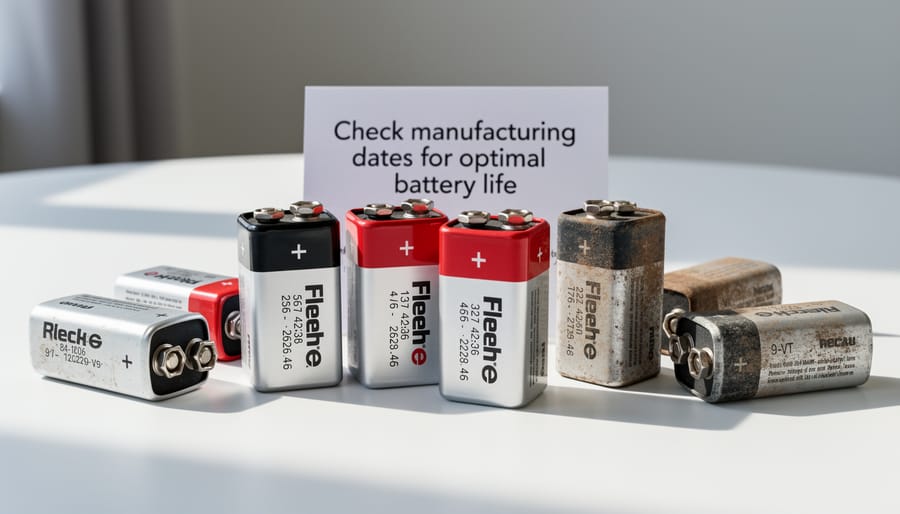
Signs your stored batteries have degraded include visible corrosion around terminals, bulging or deformed casings, and leaked electrolyte residue. Even without visible damage, batteries that have exceeded their expected shelf life should be replaced in critical devices like smoke detectors.
Testing stored batteries with a multimeter helps determine their remaining voltage. A fresh 9V battery measures around 9.5 volts, while anything below 7.5 volts indicates significant degradation. For safety devices, replace batteries proactively rather than waiting for complete failure. Just as proper energy storage management matters for solar battery systems, maintaining fresh batteries in your essential devices ensures reliable performance when you need it most.
Battery End-of-Life: When Your 9 Volt Stops Working
Illinois Battery Disposal Regulations and Resources
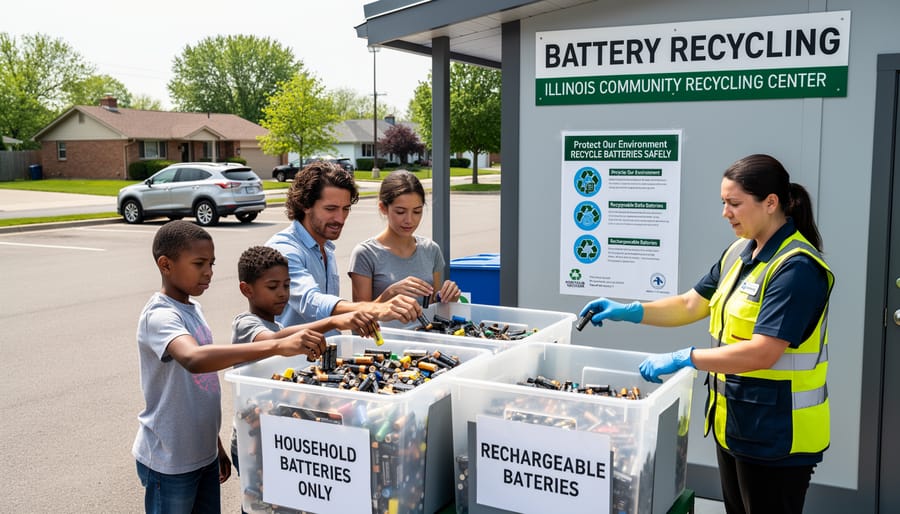
When your 9-volt batteries reach the end of their useful life, proper disposal is important for both environmental protection and compliance with Illinois regulations. While Illinois doesn’t currently ban household batteries from landfills at the state level, responsible disposal protects our local environment and conserves valuable materials.
The Illinois Environmental Protection Agency encourages residents to recycle all batteries, including 9-volt types, through designated collection programs. Many municipalities throughout Illinois offer household hazardous waste collection events where you can drop off old batteries free of charge. Check with your local waste management authority for scheduled collection dates in your area.
Before disposing of 9-volt batteries, take a simple safety step: place clear tape over both terminals. This prevents potential short circuits that could cause fires during transport or storage. Nine-volt batteries are particularly prone to this issue because their positive and negative terminals sit close together on top of the battery.
Several retail chains in Illinois accept used batteries for recycling, including major home improvement stores and electronics retailers. Call ahead to confirm their current acceptance policies, as programs can change.
For businesses and industries handling larger quantities of batteries, Illinois regulations may require specific disposal procedures. Commercial generators should consult with licensed waste handlers to ensure compliance with all applicable rules.
Understanding proper battery disposal connects to broader energy storage concepts. Just as household batteries need responsible end-of-life management, larger-scale battery systems used in solar energy installations also follow careful recycling protocols. This comprehensive approach to battery lifecycle management helps Illinois move toward more sustainable energy practices while protecting our communities and natural resources.
Second-Life Battery Storage: Beyond 9 Volt Applications
While understanding 9 volt battery shelf life helps you manage household batteries, the principles behind battery storage and lifecycle management extend far beyond small consumer products. The same concepts that determine when a 9 volt battery reaches the end of its primary usefulness apply to much larger energy storage systems, particularly in solar installations.
Just as a 9 volt battery retains usable capacity even after it no longer powers your smoke detector optimally, electric vehicle batteries and solar storage systems can serve new purposes when they drop below their original performance thresholds. This concept of second-life battery applications represents a significant opportunity for Illinois homeowners and businesses looking to maximize renewable energy investments while reducing waste.
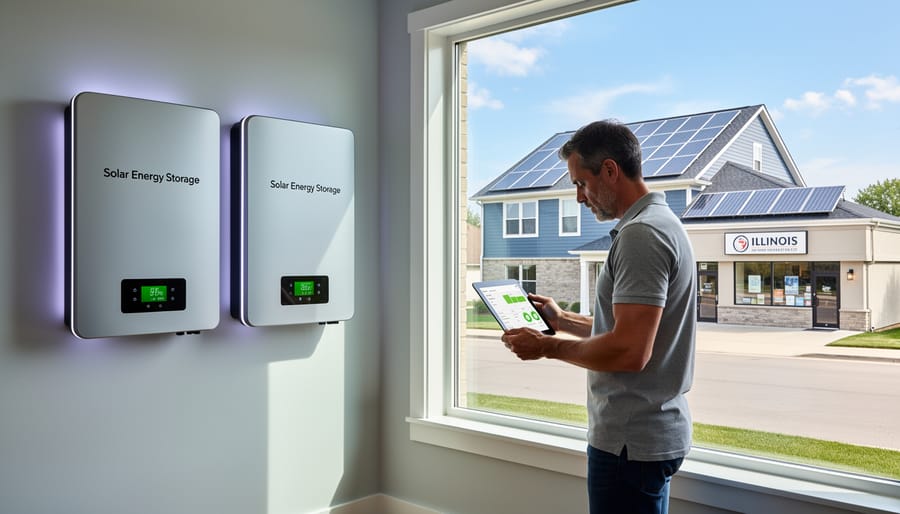
In residential and commercial solar installations, battery storage systems capture excess energy generated during peak sunlight hours for use during evenings or cloudy days. These systems help Illinois property owners reduce reliance on grid power and lower energy costs year-round. Understanding battery lifecycle management means knowing when batteries need replacement and recognizing their potential for continued service in less demanding applications.
For Illinois property owners considering solar energy, battery storage is no longer just an add-on feature. It has become a central component of energy independence. Our locally owned team specializes in designing solar systems with storage solutions tailored to your specific energy needs, whether residential or commercial. We understand Illinois weather patterns, energy consumption trends, and how to optimize battery performance throughout each season. This expertise ensures your investment delivers maximum value while contributing to a more sustainable energy future for our community.
How Solar Battery Storage Differs from Traditional Batteries
While standard 9-volt batteries have a shelf life of 3-5 years and lose approximately 2% of their charge annually when stored, solar battery storage systems operate on an entirely different scale and philosophy. Understanding these differences helps homeowners and businesses in Illinois make informed decisions about their energy storage needs.
Traditional 9V batteries are designed for single-use convenience in low-drain devices like smoke detectors and remote controls. Once depleted, they’re discarded. In contrast, home battery backup systems connected to solar installations are engineered for thousands of charge-discharge cycles over 10-15 years or more.
Solar batteries utilize advanced lithium-ion or lithium iron phosphate technology with sophisticated battery management systems that actively monitor temperature, voltage, and charge states. These systems prevent overcharging, maintain optimal operating conditions, and extend battery lifespan through intelligent cycling. A 9V battery simply sits dormant until use, with no active management to preserve its charge.
Capacity retention differs dramatically between these systems. While a stored 9V battery gradually loses power through self-discharge, solar batteries are designed to maintain 70-80% of their original capacity even after a decade of daily use. This longevity makes them ideal investments for both residential and commercial applications.
Perhaps most importantly, solar storage solutions embrace second-life applications. When a solar battery reaches 70-80% capacity and is no longer optimal for home energy storage, it can be repurposed for less demanding applications like community energy storage or backup power systems, extending its useful life by years.
This approach to battery lifecycle management reflects a fundamental shift from disposable consumer batteries to sustainable, long-term energy storage infrastructure. As a locally owned company with expertise in solar energy, we help Illinois residents understand how proper battery management contributes to both energy independence and environmental stewardship.
Smart Storage Solutions for Illinois Homes and Businesses
Whether you’re storing 9-volt batteries for household smoke detectors or managing larger backup power systems for your Illinois business, proper storage practices can significantly extend battery life and reduce unnecessary waste.
For small-scale storage, keep 9-volt batteries in their original packaging or use individual plastic cases to prevent terminal contact, which can cause discharge. Store them in a cool, dry location away from direct sunlight—ideally between 50-70°F. Basements in Illinois homes often provide suitable conditions, but avoid areas prone to humidity or temperature extremes. Never store batteries in refrigerators or freezers, as condensation can damage terminals and packaging.
Create an inventory system by labeling batteries with purchase dates and rotating stock using a first-in, first-out approach. This simple practice ensures you use older batteries before they exceed their shelf life, typically 3-5 years for quality alkaline 9-volt batteries when stored properly.
For Illinois businesses managing larger battery inventories or backup systems, designate a specific storage area with climate control. Keep batteries elevated off concrete floors and maintain adequate ventilation. Implement quarterly checks to inspect for corrosion, bulging, or leakage, removing compromised units immediately.
The same principles that optimize small battery storage apply to larger energy systems. Smart battery storage for solar installations requires similar attention to temperature management and regular monitoring to maximize performance and lifespan.
By treating batteries as valuable resources requiring proper care, Illinois property owners reduce replacement costs, minimize environmental impact, and ensure reliable power when needed. These practices create a foundation for understanding battery management across all scales of energy storage.
The Future of Battery Storage in Illinois Energy Systems
Just as understanding 9-volt battery shelf life helps you manage household power needs efficiently, the same principles apply to larger energy storage systems transforming Illinois homes and businesses. The connection between personal battery management and renewable energy storage is more relevant than ever.
Illinois is experiencing significant growth in advanced energy storage technology, particularly with solar energy systems. Homeowners installing solar panels now have access to sophisticated battery storage solutions that capture excess energy during peak production hours for use during evenings or cloudy days. These systems follow the same fundamental principles as your 9-volt batteries, just on a much larger scale.
Second-life electric vehicle batteries represent an exciting opportunity for Illinois property owners. When EV batteries drop below 70-80 percent capacity for automotive use, they still retain plenty of life for stationary energy storage. These repurposed batteries offer cost-effective storage solutions for homes and businesses, extending the useful life of these power sources while reducing waste.
For Illinois businesses, battery storage systems provide backup power during outages and help manage electricity costs through peak shaving, using stored energy when utility rates are highest. This practical application mirrors how you might keep fresh 9-volt batteries on hand for emergencies, but with significant financial benefits.
As our state continues expanding renewable energy infrastructure, understanding battery lifecycle management, from small household batteries to large-scale storage systems, becomes increasingly valuable. Illinois Renewables brings locally owned expertise to help homeowners and businesses navigate these energy storage solutions, ensuring you maximize both efficiency and cost savings while contributing to a cleaner energy future.
Understanding 9 volt battery shelf life is more than just knowing when to replace the batteries in your smoke detector. It represents a fundamental principle that applies to all energy storage systems, from the smallest household battery to commercial solar installations across Illinois. By learning proper storage techniques, you can extend the useful life of disposable batteries by years. By recognizing when batteries reach their end of useful life and disposing of them responsibly through municipal recycling programs, you help prevent environmental contamination while recovering valuable materials.
These same principles of lifecycle management, storage optimization, and responsible end-of-life planning apply directly to the renewable energy systems that power homes and businesses throughout our state. Whether you’re storing a pack of 9 volt batteries in a cool, dry place or considering solar energy storage for your property, understanding how batteries age and perform helps you make informed decisions. As a locally owned company with expertise in solar energy, we recognize that smart energy choices begin with understanding how all storage systems work. Every battery, regardless of size, deserves thoughtful management throughout its entire lifecycle to maximize value and minimize environmental impact.
