
How Offshore Wind Power Could Transform Illinois Energy (And What It Means for Your Business)
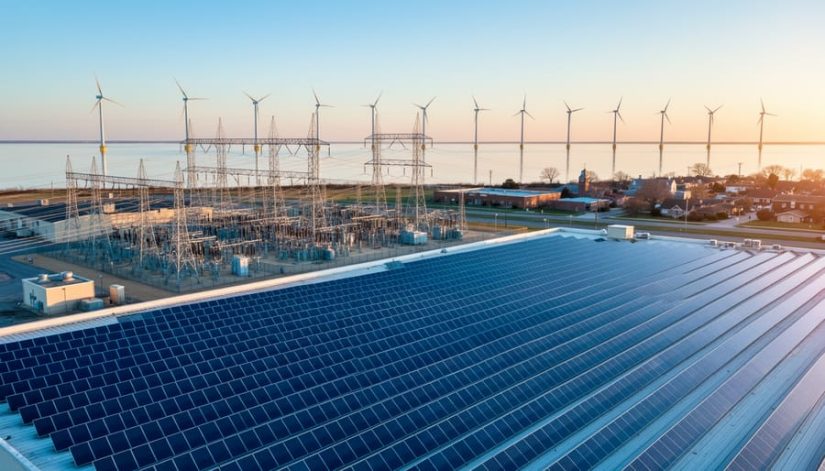
Wind power infrastructure is transforming America’s renewable energy landscape, with massive turbines rising from ocean floors and prairie lands to feed electricity into regional grids. As offshore wind farms multiply along the East Coast, these projects require sophisticated integration systems including underwater cables, offshore substations, and reinforced transmission networks that connect distant generation sites to population centers. Understanding this infrastructure matters for Illinois property owners because the same grid modernization enabling offshore wind also supports land-based renewable expansion, including solar installations across the Midwest.
The technical challenges of integrating offshore wind mirror those facing distributed solar systems: both require updated transformers, advanced inverters, and smart grid technology to balance variable energy production with consistent demand. Illinois sits at a unique crossroads where investments in grid infrastructure for distant offshore projects create opportunities for local renewable adoption. When utilities upgrade transmission capacity and install bidirectional power flow equipment for wind integration, they simultaneously enhance the grid’s ability to accommodate residential and commercial solar arrays.
This infrastructure evolution reduces barriers for homeowners and businesses considering renewable energy investments. Modern grid capabilities mean your solar panels can contribute excess power more efficiently while drawing from diverse clean sources during low production periods. The expanding renewable infrastructure network demonstrates how large-scale wind projects and local solar installations complement each other, building a resilient, clean energy system that benefits everyone connected to the grid.
What Offshore Wind Grid Infrastructure Actually Means
The Basic Components: Turbines, Substations, and Transmission Lines
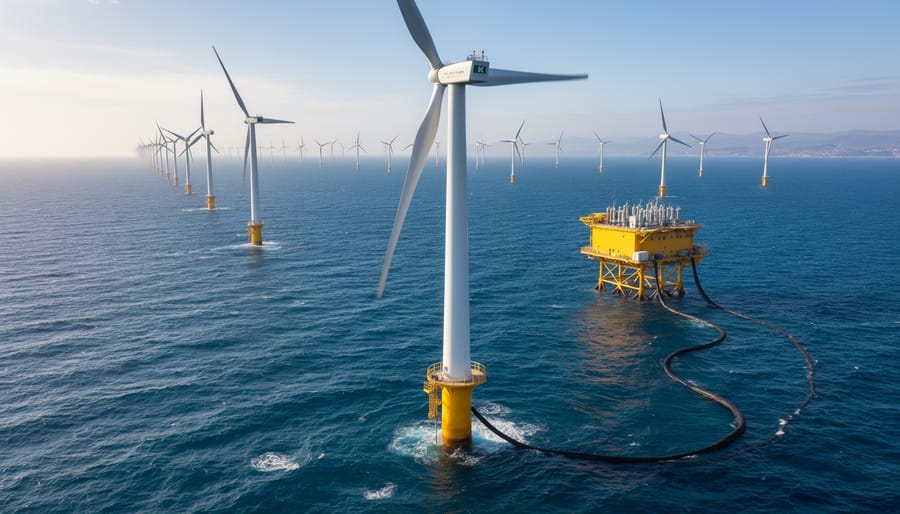
Offshore wind power infrastructure relies on three essential components working together to deliver clean energy to homes and businesses. Understanding these basics helps illustrate how renewable energy systems function, whether you’re considering wind or solar power for your Illinois property.
Turbines form the foundation of offshore wind farms. These massive structures, often standing over 500 feet tall, capture wind energy through rotating blades. As wind turns the blades, they spin a generator inside the turbine housing, converting kinetic energy into electricity. Each turbine can generate enough power for hundreds of homes, operating more efficiently offshore where wind speeds are typically higher and more consistent than on land.
Substations serve as the collection and conversion hubs for the electricity generated by turbines. Offshore substations gather power from multiple turbines and transform it from the generation voltage to higher voltages suitable for long-distance transmission. This process reduces energy loss during transport, similar to how solar inverters convert DC power from solar panels into usable AC electricity for your property.
Transmission lines complete the infrastructure by carrying electricity from offshore substations to the mainland grid. Underwater cables buried beneath the ocean floor protect against weather and marine activity while maintaining reliable power delivery. Once onshore, these lines connect to the existing electrical grid, distributing clean energy to communities.
While offshore wind infrastructure operates on a larger scale, the principle mirrors residential renewable energy systems: capture natural energy, convert it to electricity, and integrate it with the existing power grid to reduce reliance on conventional energy sources.
How Energy Travels from Ocean to Your Property
Understanding how electricity travels from offshore wind turbines to your property helps demystify this renewable energy source. The process begins when wind spins massive turbine blades mounted on platforms anchored in the ocean. These blades turn a generator that produces electricity at the turbine itself.
From there, underwater cables called array cables collect power from multiple turbines and transport it to an offshore substation. This facility transforms the electricity to a higher voltage, making it more efficient for long-distance transmission. High-voltage submarine cables then carry the power from the offshore substation to an onshore connection point along the coast.
Once electricity reaches land, it enters a transmission substation where voltage is adjusted again to match the regional power grid’s requirements. From this point, the process mirrors how any electricity reaches Illinois homes and businesses. The power flows through transmission lines to local distribution networks, eventually connecting to your property through existing utility infrastructure.
This integration relies heavily on smart grid technology that balances supply and demand in real-time, ensuring reliable delivery whether the source is offshore wind, solar panels, or conventional generation. The grid doesn’t distinguish between energy sources, meaning offshore wind power integrates seamlessly with Illinois’s growing renewable energy portfolio.
Why Illinois Should Pay Attention to Offshore Wind Development
The Regional Grid Connection
Illinois benefits from its strategic position within regional energy grids that are rapidly evolving to accommodate renewable power sources from across multiple states. The state connects to the Midcontinent Independent System Operator (MISO) grid, one of the largest energy markets in North America, which coordinates electricity flow across 15 states and a Canadian province. This regional network is increasingly incorporating offshore wind power generated along the East Coast and Great Lakes regions.
As offshore wind farms come online, they feed electricity into these interconnected grids, allowing Illinois to access clean energy even from distant sources. The beauty of this system is that renewable energy generated in one location can support demand in another, creating a more resilient and sustainable power network. MISO has committed to significant transmission upgrades to handle the growing influx of wind and solar energy, ensuring reliable delivery to homes and businesses throughout the region.
For Illinois property owners, this regional integration means greater access to diverse renewable energy sources. While offshore wind contributes to the broader grid mix, local solar installations offer you direct control over your energy production. Solar panels on your property work in harmony with grid-supplied power, whether that electricity comes from wind farms hundreds of miles away or nearby sources. This combination of regional wind power and local solar generation creates a robust renewable energy ecosystem that benefits both individual property owners and the larger Illinois community, reducing dependence on fossil fuels while maintaining energy reliability.
Market Impact on Energy Prices and Stability
As offshore wind capacity expands across the Great Lakes region and beyond, Illinois consumers stand to benefit from significant impacts on energy pricing and grid reliability. Large-scale offshore wind projects introduce substantial amounts of clean electricity into regional power markets, which can help moderate energy costs over time by diversifying the energy supply and reducing dependence on fossil fuel price fluctuations.
One of the most notable effects of increased offshore wind capacity is price stabilization during peak demand periods. Wind energy typically has lower operating costs than conventional power plants since it requires no fuel purchases, which can translate to more predictable electricity rates for homeowners and businesses. As these projects come online, they add competitive pressure to wholesale electricity markets, potentially lowering overall costs for Illinois consumers connected to the regional grid.
Grid stability also improves with diversified renewable energy sources. When offshore wind integrates with other clean energy systems, including rooftop and ground-mounted solar installations, the power grid becomes more resilient. Wind generation often peaks during different times than solar production, creating a complementary relationship that smooths out supply variations throughout the day. This natural balance reduces the need for expensive backup power plants and helps maintain consistent electricity delivery.
For Illinois property owners considering renewable energy investments, understanding this market dynamic is valuable. While offshore wind developments contribute to regional grid improvements, locally owned solar installations provide direct control over energy costs and immediate savings on utility bills. The combination of large-scale wind infrastructure and distributed solar resources creates a more stable, affordable energy future for communities throughout Illinois, offering businesses and homeowners multiple pathways to participate in the clean energy transition while protecting themselves from volatile energy markets.
Integration Challenges Facing Offshore Wind Projects
Grid Capacity and Transmission Bottlenecks
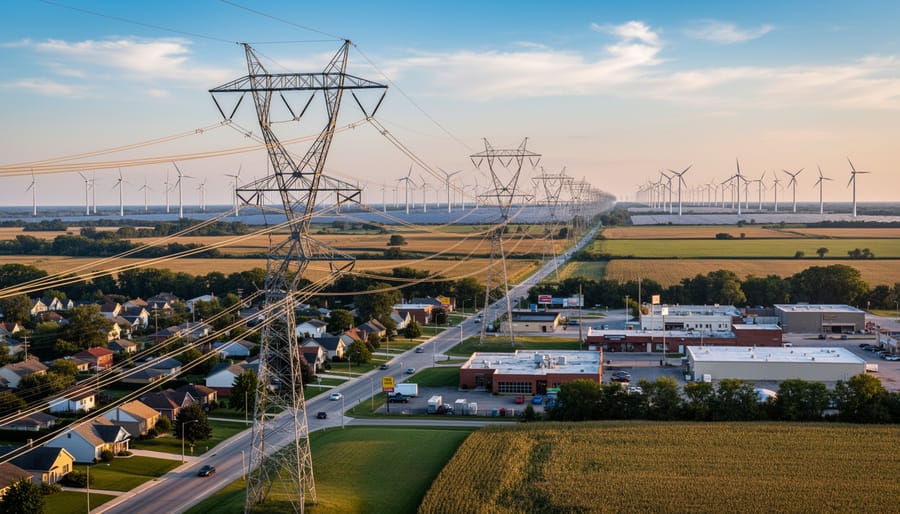
As offshore wind farms expand along coastal regions, the existing electrical grid faces significant capacity challenges that require substantial infrastructure upgrades. The current transmission network was designed decades ago to handle power flowing in one direction—from centralized power plants to consumers. Integrating large-scale offshore wind generation reverses this traditional model, requiring the grid to accommodate massive amounts of electricity generated far from shore.
One of the primary obstacles involves transmission bottlenecks, where existing power lines lack the capacity to carry the additional electricity from offshore wind farms to population centers. These congestion points can lead to curtailment, where perfectly good renewable energy must be wasted because there’s no way to transport it to where it’s needed. Upgrading transmission infrastructure requires new high-voltage power lines, substations, and interconnection points—investments that demand careful planning and substantial funding.
The same grid storage challenges affecting coastal wind projects also impact Illinois property owners considering renewable energy. Understanding these infrastructure limitations helps homeowners and businesses make informed decisions about their own solar installations and energy independence strategies. While offshore wind development occurs hundreds of miles away, the lessons learned about grid modernization apply directly to local renewable energy integration, ensuring that Illinois can effectively incorporate both solar and wind power into a reliable, sustainable energy future.
Weather Variability and Energy Storage Solutions
Wind power generation faces a fundamental challenge: the wind doesn’t blow consistently. Unlike traditional power plants that can adjust output on demand, wind turbines produce electricity only when wind conditions are favorable. This variability creates peaks and valleys in power production that don’t always align with when electricity is needed most.
For Illinois property owners considering renewable energy, understanding this challenge is important because wind and solar power often complement each other. Wind typically generates more electricity during winter months and nighttime hours, while solar panels produce energy during sunny days. However, both sources require solutions to address intermittency.
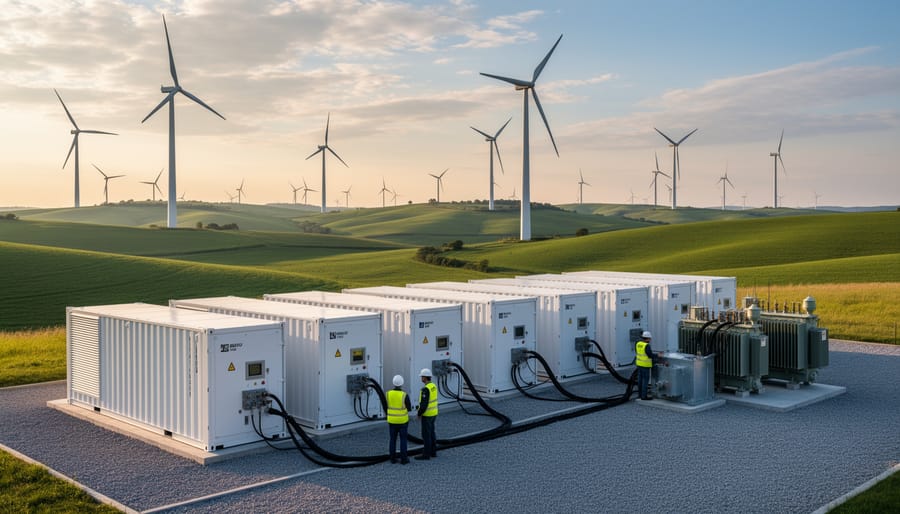
This is where energy storage solutions become essential. Modern battery systems, similar to those paired with residential and commercial solar installations, store excess electricity generated during high-production periods. This stored energy can then be released during calm periods or peak demand times, ensuring a steady, reliable power supply.
Large-scale storage technologies are rapidly advancing, making renewable energy more dependable. These include lithium-ion batteries, compressed air systems, and other innovative approaches. For Illinois businesses and homeowners, the same principles apply to solar installations with battery backup, providing energy independence and grid stability. As offshore wind projects develop and connect to regional grids, storage technologies will play an increasingly vital role in creating a balanced, renewable energy infrastructure that benefits all consumers.
Permitting and Coordination Across Multiple Jurisdictions
Offshore wind projects face significant regulatory challenges because they span multiple layers of government authority. At the federal level, agencies like the Bureau of Ocean Energy Management oversee ocean floor leasing and environmental reviews. State governments manage coastal zone impacts and grid connection points where power comes ashore. Local municipalities control land-use permits for transmission infrastructure that runs through their communities.
This multi-jurisdictional coordination can extend project timelines considerably. Each authority has distinct requirements for environmental assessments, public hearings, and technical approvals. For property owners and businesses in Illinois, understanding these regulatory frameworks helps illustrate why renewable energy development—whether offshore wind or local solar installations—requires careful planning and expertise. While Illinois doesn’t have offshore wind opportunities, similar coordination happens here between state regulators, utility companies, and local governments when connecting solar systems to the grid. Working with experienced renewable energy providers who understand these regulatory relationships helps streamline the approval process and ensures projects meet all compliance requirements efficiently.
What This Means for Illinois Renewable Energy Adoption
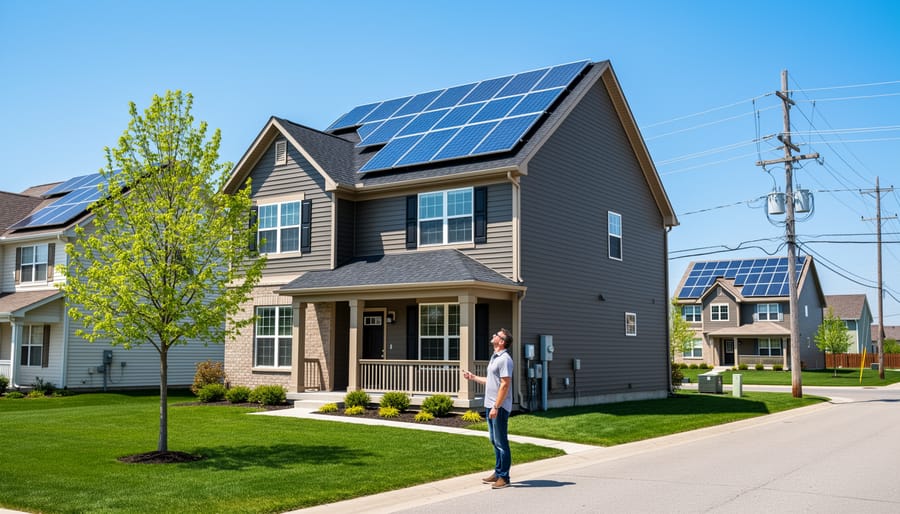
Complementary Relationship Between Wind and Solar
While offshore wind and solar energy might seem like separate technologies, they actually work together to create a stronger, more reliable renewable energy system. As offshore wind infrastructure develops, it opens doors for solar adoption across Illinois in several practical ways.
First, the substantial investment in offshore wind grid infrastructure means utilities are upgrading transmission lines and grid technology to handle renewable energy sources more effectively. These improvements benefit all forms of clean energy, including rooftop and ground-mounted solar systems. When the grid becomes more flexible and capable of managing variable energy sources, it makes integrating solar installations smoother for homeowners and businesses throughout Illinois.
Second, offshore wind generates most of its power during different times than solar panels. Wind turbines often produce peak electricity during evening hours and winter months, while solar panels generate maximum power during sunny summer afternoons. This natural complement means that as both technologies expand together, Illinois can maintain more consistent renewable energy supply throughout the day and across seasons.
Third, the growth of wind infrastructure creates favorable market conditions for all renewable energy investments. As renewable energy becomes a larger part of Illinois’s power mix, battery storage solutions and grid management systems become more cost-effective and accessible. These same technologies help solar system owners maximize their energy independence and savings.
For Illinois property owners considering solar, the expansion of offshore wind infrastructure signals a long-term commitment to renewable energy that makes solar investments even more valuable and future-proof.
Infrastructure Improvements That Benefit All Renewables
Offshore wind projects are driving significant improvements to Illinois’ electrical grid infrastructure that create benefits for all renewable energy sources, including solar installations. As utilities and grid operators prepare to handle large-scale offshore wind power from Lake Michigan, they’re investing in advanced transmission lines, modernized substations, and sophisticated distribution networks. These upgrades directly improve the capacity and reliability of the grid for homeowners and businesses adding solar panels to their properties.
Smart grid technology represents one of the most valuable improvements. To manage the variable nature of wind power, utilities are implementing advanced monitoring systems, automated controls, and two-way communication networks. These same technologies make renewable energy integration smoother for local solar systems, allowing them to connect more efficiently and operate more reliably alongside other power sources.
Energy storage solutions are another critical infrastructure advancement. Offshore wind projects are accelerating investments in battery storage systems and other technologies designed to store excess renewable energy for use during peak demand periods. Illinois solar system owners benefit from these storage capabilities, which help stabilize electricity prices and ensure consistent power availability even when the sun isn’t shining.
Grid modernization efforts also include enhanced forecasting tools and load management systems that optimize how renewable energy flows through the network. These improvements reduce connection costs for new solar installations and improve overall system performance, making renewable energy more accessible and cost-effective for Illinois property owners looking to invest in clean power solutions.
Making Smart Energy Decisions for Your Illinois Property
Timing Your Solar Investment Strategically
Understanding how offshore wind and broader renewable energy infrastructure develops can help you make smarter decisions about your own solar investment. As Illinois and neighboring states expand their renewable energy grids, several factors come into play that directly affect solar adopters.
Grid integration improvements driven by offshore wind projects often mean enhanced infrastructure that benefits all renewable energy sources, including solar. When utilities invest in upgrading transmission lines and grid management systems to accommodate offshore wind, these improvements create a more robust network for distributed solar energy as well. For Illinois property owners, this means your solar system may perform more efficiently as the grid becomes better equipped to handle variable renewable energy sources.
Timing your solar installation to coincide with available incentives is crucial. Federal tax credits, state programs, and utility rebates can significantly reduce your upfront costs. As renewable energy infrastructure expands, policy support often follows in waves. Monitoring these trends helps you identify the optimal window for investment.
Additionally, as more renewable energy comes online through offshore wind projects, electricity prices may stabilize or decrease in certain markets, affecting your potential savings calculations. However, installing solar now locks in your energy costs and provides protection against future price volatility.
Working with a locally owned Illinois solar company ensures you receive guidance tailored to regional infrastructure developments and state-specific incentive programs. Our expertise in solar energy means we stay current on how broader energy trends impact your investment timeline and potential returns.
Questions to Ask Your Renewable Energy Provider
Whether you’re exploring wind power or solar energy for your Illinois property, asking the right questions ensures your renewable energy investment integrates seamlessly with existing infrastructure. Start by inquiring about grid connection requirements and how your provider handles interconnection applications with your local utility. Understanding these processes is essential for both wind and solar installations.
Ask about their experience with grid capacity planning in your specific area, as this affects installation timelines and system sizing. Your provider should explain how local grid conditions impact your project and what upgrades might be necessary.
Discuss future-proofing options, including energy storage capabilities and system expandability as technology advances. For Illinois property owners, it’s important to understand how your installation fits into regional renewable energy goals and state incentive programs.
Finally, ask how they monitor performance and handle maintenance. A locally owned provider should offer clear answers about long-term support, warranty coverage, and how your system contributes to Illinois’s broader clean energy transition. These conversations help you make informed decisions aligned with both your energy needs and sustainability goals.
The development of offshore wind infrastructure along the Great Lakes and beyond represents more than just an expansion of renewable energy capacity—it creates a stronger, more resilient foundation for all clean energy adoption throughout Illinois. As offshore wind projects demonstrate the viability of large-scale renewable integration into our existing power grid, they pave the way for distributed energy solutions like solar to become even more accessible and effective for homeowners and businesses.
Understanding how these systems work together helps you make informed decisions about your own energy future. While offshore wind addresses utility-scale generation, rooftop and ground-mounted solar systems offer immediate opportunities for Illinois property owners to participate in the clean energy transition today. The same grid improvements and infrastructure investments that support offshore wind development benefit solar installations by improving interconnection processes and grid stability.
Partnering with locally-owned renewable energy providers who understand both the technology and Illinois’s unique regional context ensures you receive guidance tailored to your specific needs. These experts can help you navigate available incentives, assess your property’s solar potential, and implement solutions that complement the broader renewable energy infrastructure taking shape across our state, positioning you at the forefront of Illinois’s clean energy future.
