
Why America’s Railroads Abandoned Electrification (And Why It Matters for Your Energy Future)
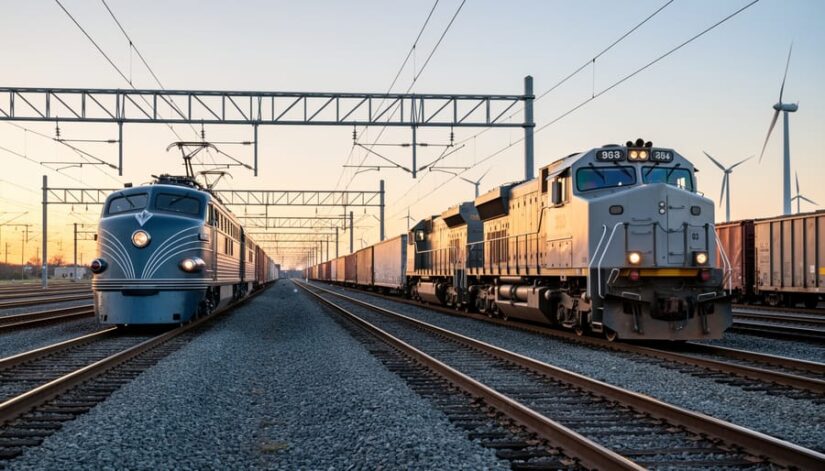
America once led the world in electric railroad technology, with over 3,000 miles of electrified main lines carrying passengers and freight across major routes by the 1930s. Today, that number has plummeted to just over 700 miles, making the United States a stark outlier among developed nations. While European and Asian countries have electrified 50-80% of their rail networks, America remains dependent on diesel locomotives that contribute significantly to transportation emissions.
This dramatic reversal tells a story familiar to many infrastructure transitions: early innovation followed by decades of underinvestment. The same forces that halted railroad electrification a century ago—cheap fossil fuels, lack of coordinated planning, and short-term cost calculations—continue to shape our energy landscape. Understanding this history offers valuable lessons for today’s renewable energy adoption, particularly as Illinois and other states work to modernize their infrastructure.
Railroad electrification represents more than historical curiosity. It demonstrates how technological superiority alone cannot guarantee adoption without supportive policy, adequate investment, and long-term vision. For Illinois businesses and property owners considering energy transitions, these parallels matter. The challenges that prevented widespread electric rail adoption mirror obstacles facing renewable energy today: upfront capital costs, infrastructure coordination, and competition from established fossil fuel systems. Yet the successful electrification projects that remain prove the concept works when properly supported, offering a roadmap for sustainable transportation and energy futures.
America’s Electric Railroad Era: What We Built and Lost
The Golden Age of Electric Trains
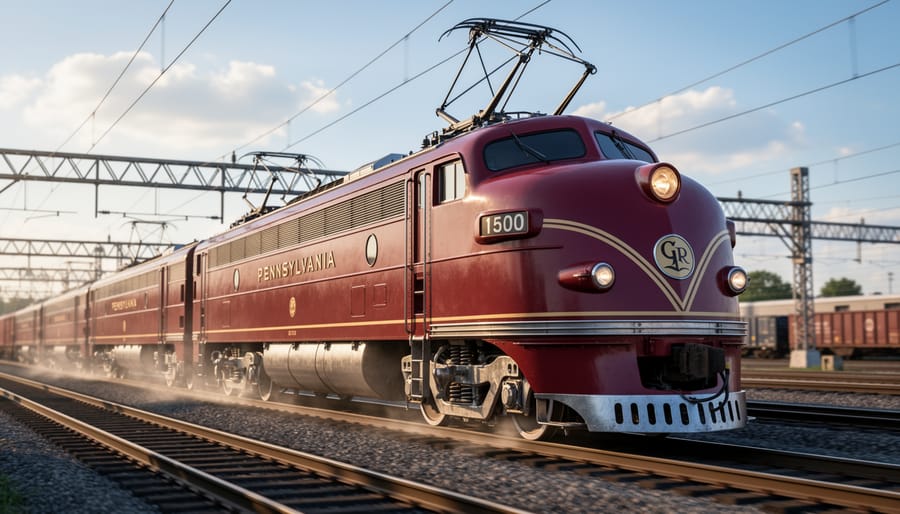
Between 1900 and 1950, American railroads embraced electrification on a remarkable scale. The Pennsylvania Railroad led this transformation, electrifying 2,200 miles of track and operating electric trains from New York to Washington, D.C. Their system required massive infrastructure investment, including substations every few miles to convert alternating current from power plants into direct current for locomotives.
The Milwaukee Road’s ambitious project stretched 656 miles through the Rocky Mountains, making it the longest electrified main line in North America. This system demonstrated how electric power could handle steep grades more efficiently than steam locomotives, reducing operational costs despite the substantial upfront investment in overhead wires and electrical equipment.
Other railroads, including the Great Northern and the Norfolk & Western, also installed electrified sections where geography and traffic density justified the expense. These systems operated similarly to how modern solar installations work—requiring significant initial capital but delivering long-term savings through reduced fuel costs and improved efficiency. At its peak, American railroads operated over 3,000 miles of electrified track, proving that large-scale transportation electrification was technically feasible and economically viable under the right conditions.
Why Railroads Went Electric in the First Place
American railroads embraced electrification in the early 20th century for compelling practical reasons. Electric locomotives delivered superior performance compared to their steam counterparts, offering better acceleration and the ability to haul heavier loads up steep grades. This made them particularly valuable for mountain routes and challenging terrain.
The efficiency gains were remarkable. Electric trains converted energy more effectively than steam engines, reducing operating costs despite the substantial infrastructure investment required. Maintenance demands dropped significantly since electric motors had fewer moving parts than complex steam engines, meaning less downtime and lower long-term expenses.
Perhaps most critically, electrification solved serious health and safety problems in tunnels and urban terminals. Steam locomotives filled enclosed spaces with dangerous smoke and heat, creating hazardous conditions for workers and passengers alike. Electric trains eliminated these concerns entirely, making underground operations safer and more practical.
Major northeastern railroads, including the Pennsylvania Railroad and New Haven Railroad, recognized these advantages and invested heavily in electrification between 1900 and 1940. Their success demonstrated that electric power could transform railroad operations, much like how modern renewable energy technologies are reshaping how we power buildings and facilities today.
The Great Reversal: Why America Pulled Down the Wires
The Diesel Advantage That Changed Everything
The diesel-electric locomotive emerged in the 1930s and 1940s as a game-changing alternative to both steam and electric trains. Unlike electrification, which required railroads to invest heavily in overhead wires, substations, and power distribution systems across thousands of miles, diesel locomotives were self-contained power units. They could operate anywhere, on any track, without fixed infrastructure.
This flexibility proved economically decisive. Railroads could purchase diesel units incrementally, deploying them wherever needed most, rather than committing to massive upfront electrification projects. Maintenance became simpler too—diesel locomotives could be serviced at existing facilities without specialized electrical equipment.
The diesel advantage extended beyond economics. These locomotives performed reliably in all weather conditions and could handle diverse terrain without the power supply interruptions that sometimes affected electric systems. For freight operations spanning vast distances across varied landscapes, diesel offered unmatched versatility.
By the 1950s, diesel-electric technology had effectively ended the electrification movement in the United States. The lesson remains relevant today: infrastructure transitions succeed when they balance initial investment costs with operational flexibility—a consideration that applies equally to modern energy decisions, from transportation to building power systems.
The Hidden Cost of Electric Infrastructure
The upfront costs of railroad electrification presented substantial financial hurdles that private rail companies struggled to overcome. Installing overhead catenary systems required significant capital investment, often running into millions of dollars per mile of track. This infrastructure included not just the overhead wires themselves, but also substations, power distribution systems, and specialized equipment to maintain consistent electrical supply across vast distances.
Unlike traditional diesel locomotives that could operate anywhere, electric trains demanded continuous infrastructure along every mile of route. Private railroad companies faced a challenging calculation: the long-term fuel savings and operational efficiencies had to justify massive immediate expenditures. For many railroads operating on tight margins, particularly during economic downturns, this simply didn’t pencil out.
Maintenance costs added another layer of complexity. Overhead systems required regular inspection and repair, especially in regions experiencing harsh weather conditions. Ice storms, high winds, and temperature extremes could damage catenary wires, requiring specialized crews and equipment for repairs. These ongoing operational expenses made electrification less attractive compared to the relative simplicity of diesel operations.
Without government subsidies or guaranteed return on investment, most private railroads couldn’t justify electrification projects. European and Asian countries that successfully electrified their rail networks typically did so with substantial public funding and coordinated planning. In America’s privatized rail system, individual companies bore the full financial burden, making widespread adoption economically unfeasible. This financial barrier ultimately contributed to the decline of electric rail systems across the United States, even as the technology proved reliable and efficient where it was implemented.
Where Railroad Electrification Still Lives in America
The Northeast Corridor: America’s Electric Railway Lifeline
The Northeast Corridor remains America’s electric railway success story, stretching 457 miles from Boston to Washington, D.C. This busy route carries Amtrak’s high-speed Acela trains and regional services, plus commuter operations, serving over 800,000 passengers daily. Unlike failed electrification projects elsewhere, the Northeast Corridor thrives because of consistent, high-density traffic that justifies the infrastructure investment.
The route’s success stems from several practical factors. Dense population centers along the corridor create steady ridership demand. The infrastructure, originally built by private railroads in the early 1900s, benefits from continuous use and maintenance rather than abandonment. Frequent service means the electric catenary system and substations stay actively managed and upgraded.
Compare this to diesel operations: electric trains accelerate faster, require less maintenance, and eliminate local emissions in urban areas. The concentrated passenger market generates revenue that supports ongoing electrical system improvements. This model demonstrates an important principle applicable to renewable energy adoption: infrastructure investments succeed when supported by consistent demand and proper maintenance. The corridor proves that electric transportation works exceptionally well in high-traffic environments, much like how concentrated solar installations serve businesses with predictable energy needs most effectively.
Urban Transit and Commuter Rail Success Stories
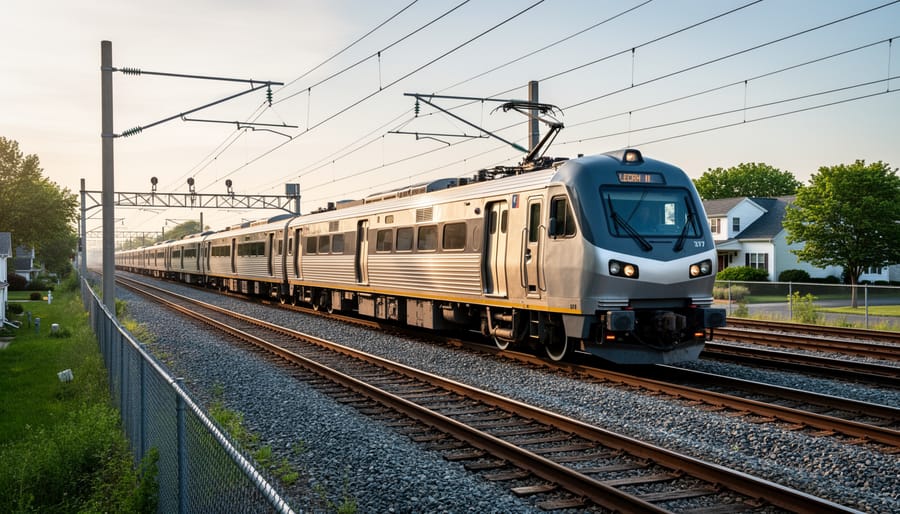
Several major U.S. cities demonstrate how railroad electrification thrives in urban environments. The Northeast Corridor, connecting Boston to Washington D.C., stands as America’s most successful electrified rail system, serving millions of commuters annually with reliable, efficient service. Chicago’s Metra Electric Line has operated continuously since 1926, proving the long-term viability of electrified commuter rail in dense metropolitan areas.
These systems succeed because they operate in high-density corridors where frequent service justifies the infrastructure investment. Much like solar energy installations that become more cost-effective with consistent use, electrified rail lines achieve excellent returns when passenger volumes remain high. The upfront costs of electrification—installing overhead wires and upgrading power systems—pay dividends through lower operating costs, reduced maintenance, and cleaner air quality for communities. New York’s extensive subway and commuter rail networks further demonstrate how electric rail becomes the backbone of sustainable urban transportation, moving people efficiently while reducing dependence on fossil fuels.
The Push to Bring Back Electric Railroads
Climate Goals and Transportation Decarbonization
Railroad electrification represents a significant opportunity within America’s broader climate strategy. As states including Illinois work toward ambitious emissions reduction targets, electrifying freight and passenger rail systems could eliminate millions of tons of carbon dioxide annually. The transportation sector accounts for nearly 30% of U.S. greenhouse gas emissions, with freight rail contributing a substantial portion despite being more efficient than trucking.
Modern transportation electrification efforts extend beyond personal vehicles to include commercial fleets, public transit, and rail networks. Electric trains powered by renewable energy sources like solar offer a pathway to truly zero-emission transportation. Illinois, with its expanding solar infrastructure, is particularly well-positioned to support electrified rail corridors through clean energy generation.
The parallels between railroad electrification and solar adoption are clear: both require significant upfront infrastructure investment but deliver long-term operational savings and environmental benefits. As businesses and industries evaluate their carbon footprints, supporting electrified transportation infrastructure through renewable energy procurement becomes increasingly strategic. Railroad electrification, when paired with solar power generation, creates a sustainable transportation ecosystem that aligns with corporate sustainability goals while reducing operational costs over time.
Modern Technology Makes It More Feasible
Today’s railroad electrification looks dramatically different than it did decades ago, thanks to breakthrough innovations in power technology. Modern power electronics now convert and manage electricity more efficiently, reducing energy waste and lowering operational costs. These systems can handle varying power demands smoothly, making electric locomotives more reliable and economical to operate.
The integration of energy storage solutions represents another game-changer for rail electrification. Battery systems can store excess energy during low-demand periods and release it when trains need extra power, reducing strain on the electrical grid. This flexibility means railroads can better manage peak electricity costs and maintain consistent service.
Perhaps most significantly, renewable energy sources like solar and wind can now power electrified rail lines directly. Solar installations along rail corridors can generate clean electricity on-site, reducing dependence on fossil fuels and cutting long-term energy expenses. These advances mirror the same technological improvements making solar energy increasingly practical for Illinois businesses and property owners, demonstrating how sustainable energy solutions benefit transportation and stationary applications alike.
What Railroad Electrification Teaches Us About Energy Infrastructure
The Infrastructure Investment Challenge
The story of railroad electrification in America mirrors challenges we see today with renewable energy adoption. Just as railroads faced steep upfront costs to electrify their lines despite clear long-term savings in fuel and maintenance, homeowners and businesses in Illinois encounter similar decisions when considering solar energy investments.
During the early 20th century, electric railroads demonstrated remarkable efficiency advantages over steam locomotives. They required less maintenance, produced no smoke, and operated more quietly through urban areas. However, the substantial infrastructure investment needed for overhead wires, substations, and electrical systems deterred many railroad companies, even when operational savings were proven.
This pattern repeats itself in modern energy transitions. Solar installations require significant initial capital, yet deliver substantial savings over time through reduced electricity costs and minimal maintenance needs. The parallel is clear: without supportive policies and financial incentives, beneficial technologies struggle to gain traction despite their merits.
Understanding this historical challenge helps explain why policy support matters. Federal and state programs, including those available to Illinois property owners, help bridge the gap between upfront costs and long-term benefits, making infrastructure improvements financially accessible today that might otherwise remain out of reach.
Why Local Energy Generation Changes the Equation
The history of railroad electrification reveals a fundamental challenge that remains relevant today: dependence on distant, centralized power sources. Early electric railroads required massive infrastructure investments and remained vulnerable to transmission losses and grid failures. This same vulnerability affects many businesses and homeowners in Illinois today.
Modern distributed energy generation through solar power offers a different approach. Instead of relying solely on distant power plants, Illinois property owners can generate electricity where it’s needed. This locally owned energy production provides greater control over costs and supply, similar to how railroads with their own power stations once operated more independently.
Today’s smart grid technology enables homes and businesses to both consume and contribute power, creating flexibility that wasn’t possible during the railroad electrification era. Illinois businesses can reduce dependence on traditional utilities while supporting broader electrification goals, including modern electric transportation. This distributed approach addresses the same reliability and cost concerns that once limited railroad electrification, but with solutions that put control in the hands of local property owners.
The Future of Electrified Transportation in Illinois
Illinois’s Role in Transportation Electrification
Illinois is taking meaningful steps toward transportation electrification, creating opportunities that extend beyond passenger vehicles to include rail infrastructure. The state’s Climate and Equitable Jobs Act, passed in 2021, sets ambitious renewable energy targets and establishes frameworks that support electrified transportation systems. These policies recognize that transitioning away from diesel-powered trains reduces emissions while improving air quality in communities along rail corridors.
Local infrastructure plays a vital role in making railroad electrification feasible. Solar energy installations throughout Illinois can provide clean power to support electrified rail lines, creating a sustainable energy ecosystem. As a locally owned company with expertise in solar energy, we understand how distributed solar generation can complement large-scale transportation projects. Business owners and industries near rail lines have unique opportunities to participate in this transition by installing solar systems that contribute to the regional power grid.
Metra, Chicago’s commuter rail system, continues exploring electrification options for additional lines, building on existing electric service. These initiatives demonstrate how state policies, renewable energy infrastructure, and transportation planning intersect. For Illinois homeowners and businesses, supporting solar development means contributing to a broader movement toward clean transportation, reducing our collective dependence on fossil fuels while strengthening local energy independence.
Powering Tomorrow’s Electric Transportation
The transition to electric transportation extends beyond traditional passenger vehicles to include rail systems, creating unprecedented demand for clean electricity. Solar installations play a crucial role in meeting this growing need, particularly as Illinois continues developing its renewable energy infrastructure. Just as historic railroad electrification required reliable power sources, today’s expanding electric vehicle infrastructure and electrified transit systems depend on sustainable electricity generation. Local solar projects provide energy independence by generating power where it’s needed, reducing transmission losses and grid strain. For Illinois businesses and property owners, installing solar systems means participating in this transportation revolution while lowering energy costs. As electrified rail and vehicle charging networks expand, distributed solar generation becomes increasingly valuable, creating resilient, locally-produced power that supports our state’s transition to cleaner transportation systems.
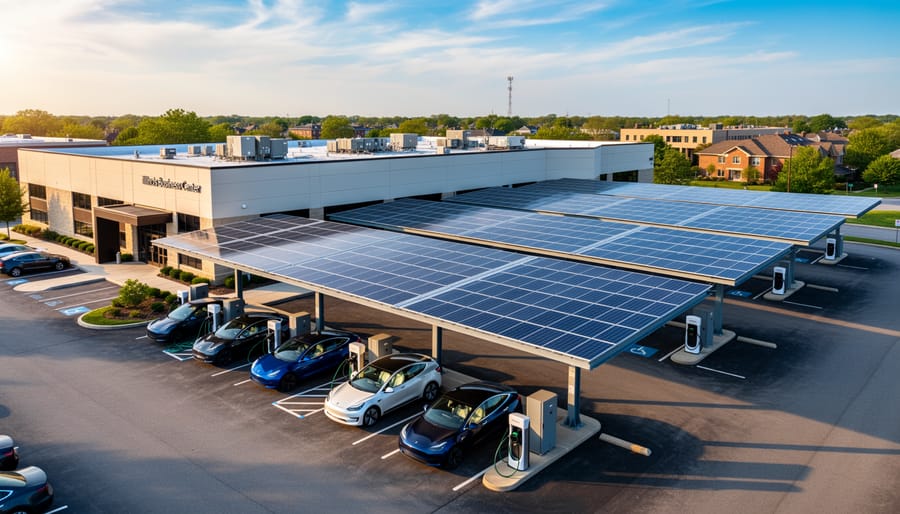
America’s struggle with large-scale railroad electrification offers valuable lessons for today’s energy landscape. While railroads faced the challenge of centralized infrastructure requiring massive upfront investment and coordination across vast networks, modern renewable energy solutions present a fundamentally different opportunity. Today’s distributed energy technologies, particularly solar power, put control directly in the hands of individual homeowners and businesses across Illinois.
The key difference is ownership and scale. Railroad electrification demanded unified systems managed by a few entities, but solar energy allows you to generate power right where you need it. As transportation continues its shift toward electrification—from electric vehicles to potential rail expansion—Illinois property owners can participate in this energy transition on their own terms. By investing in solar now, you’re not just reducing energy costs; you’re building the distributed clean energy infrastructure that will power tomorrow’s electric transportation networks, all while maintaining independence from centralized utility constraints.
