

How Quality Management Makes or Breaks Your Solar Installation Success
Quality management in project delivery demands rigorous oversight from day one. Establish clear, measurable quality metrics before project initiation, incorporating both technical specifications and stakeholder expectations. Implement a comprehensive quality control system that tracks deliverables against predetermined benchmarks to protect your solar investment and ensure consistent results.
Professional project managers understand that quality isn’t merely an endpoint inspection – it’s a continuous process woven throughout every project phase. By integrating quality checkpoints into project milestones, maintaining detailed documentation, and fostering open communication channels between stakeholders, teams can identify and address potential issues before they impact project outcomes.
Modern quality management extends beyond traditional checklists and inspections. Today’s successful projects leverage data analytics, automated monitoring systems, and real-time reporting tools to maintain quality standards while adapting to changing project conditions. This proactive approach not only ensures deliverable excellence but also optimizes resource allocation and minimizes costly rework.
Consider quality management as your project’s foundation rather than an additional layer of oversight. When quality principles guide every decision, from vendor selection to final implementation, projects consistently meet or exceed expectations while staying within budget and timeline constraints.
Key Components of Solar Project Quality Management
Pre-Installation Quality Planning
Before any installation begins, thorough quality planning is essential to ensure a successful project outcome. This phase starts with a comprehensive site assessment, where our team evaluates the location’s specific characteristics, including structural integrity, shading analysis, and electrical requirements. We carefully document existing conditions and identify potential challenges that could affect installation quality.
Equipment selection is another crucial step, where we match components to your specific needs and local conditions. In Illinois’s variable climate, we prioritize equipment that performs reliably in both extreme summer heat and winter cold. Our selection process includes verifying manufacturer certifications, warranty terms, and performance ratings to ensure long-term value.
Design verification involves detailed review of system layouts, electrical diagrams, and structural calculations. We use advanced modeling software to optimize system performance while adhering to local building codes and utility requirements. This process includes multiple checkpoints where our experienced engineers review plans for safety, efficiency, and compliance with Illinois-specific regulations.
Each step is documented in our quality management plan, creating a clear roadmap for installation teams to follow.
Installation Phase Quality Controls
Quality control during the installation phase requires systematic checkpoints to ensure every component meets specifications and safety standards. Effective installation timeline management helps coordinate these crucial inspections while maintaining project momentum.
Key checkpoints include verifying proper mounting system alignment, ensuring correct panel spacing and orientation, and confirming secure electrical connections. Installers must document torque specifications for all mechanical fasteners and conduct pull tests on roof attachments. Weather sealing and flashing installation require careful inspection to prevent future water infiltration.
For electrical components, testing includes proper wire management, grounding verification, and voltage measurements across strings. Inverter installation demands precise placement for ventilation requirements and accessibility. Documentation of these quality checks, including photos and measurement records, provides verification for both immediate quality assurance and future reference.
Each checkpoint must align with Illinois state regulations and local building codes while meeting manufacturer specifications. This systematic approach helps prevent common installation issues and ensures long-term system reliability.

Quality Assurance Standards for Illinois Solar Projects
Regulatory Requirements
In Illinois, solar installations must comply with specific regulatory requirements to ensure quality and safety standards. The Illinois Commerce Commission (ICC) oversees solar project implementations, requiring all installations to meet the National Electrical Code (NEC) standards and local building codes. Project managers must obtain necessary permits from local authorities and ensure compliance with the Illinois Distributed Generation Interconnection Standard.
Quality management in solar projects must align with the Illinois Power Agency’s requirements, particularly for projects participating in state incentive programs like Illinois Shines. These regulations mandate specific equipment certifications, installation practices, and documentation procedures.
Key regulatory considerations include:
– UL certification for all solar equipment
– Compliance with Illinois Energy Conservation Code
– Adherence to local zoning requirements
– Professional licensing for installers
– OSHA safety standards compliance
– Environmental impact assessments when required
Project managers should maintain detailed documentation of compliance measures, including permits, inspections, and certifications. Regular audits and inspections by certified authorities are mandatory to verify ongoing compliance with state regulations.
Industry standards such as those set by the Solar Energy Industries Association (SEIA) and the North American Board of Certified Energy Practitioners (NABCEP) provide additional quality benchmarks. These standards often exceed minimum regulatory requirements and are considered best practices in the industry.
Certification and Testing Protocols
Quality management in solar projects requires rigorous testing and certification processes to ensure compliance with both Illinois state regulations and industry standards. Each project phase demands specific testing protocols, starting with equipment verification upon delivery to final system commissioning.
Key certification requirements include UL listings for all major components and ICC-SWCC certification for solar thermal systems. Project managers must maintain detailed documentation of all testing procedures, including flash test results for solar panels, torque verification for mounting systems, and complete electrical safety checks.
Testing protocols typically follow a three-phase approach. Initial testing occurs during component installation, where technicians verify proper mounting, wiring connections, and preliminary electrical measurements. Mid-project testing includes weatherization checks and interim performance monitoring. Final testing encompasses comprehensive system performance validation, safety protocols, and utility interconnection requirements.
In Illinois, projects must pass local jurisdiction inspections and obtain necessary permits before commissioning. This includes electrical inspections by certified professionals and structural assessments for roof-mounted systems. Documentation of these certifications becomes part of the project’s permanent record and is essential for warranty validation and future maintenance reference.
Project managers should establish a quality control checklist that includes all required certifications and testing milestones. Regular updates to testing protocols ensure compliance with evolving industry standards and local regulations, maintaining the highest quality standards throughout the project lifecycle.
Quality Control Monitoring Systems
Performance Monitoring Solutions
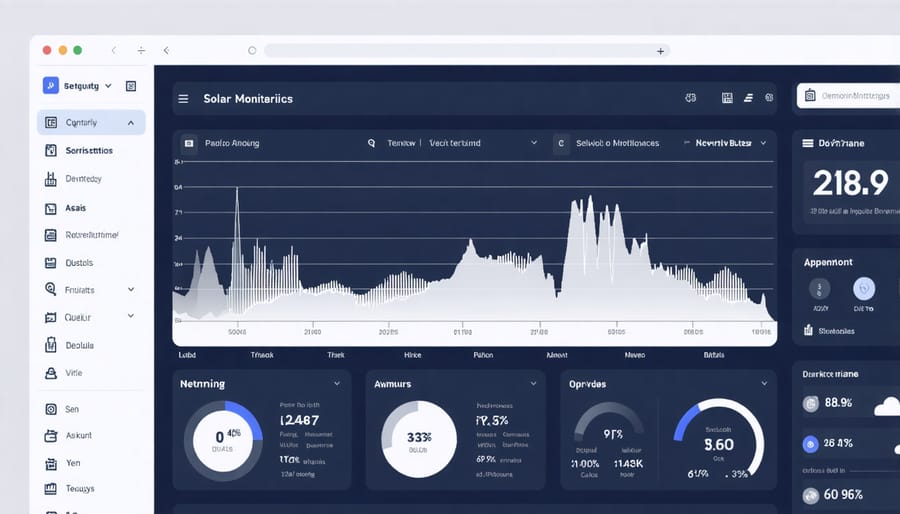
Modern performance monitoring solutions have revolutionized how we track and maintain solar energy systems in Illinois. Advanced solar monitoring technology allows project managers to track system performance in real-time, ensuring optimal energy production and early detection of potential issues.
These monitoring platforms typically include user-friendly dashboards that display key performance indicators (KPIs) such as energy output, system efficiency, and component health. Remote monitoring capabilities enable teams to respond quickly to performance dips or maintenance needs, reducing system downtime and maximizing return on investment.
Popular monitoring solutions in Illinois incorporate weather data integration, automated alert systems, and detailed reporting features. These tools help project managers maintain compliance with local regulations while providing valuable insights for system optimization. Many platforms also offer mobile apps, allowing property owners to track their system’s performance from anywhere.
For larger installations, enterprise-level monitoring solutions provide advanced analytics and predictive maintenance capabilities. These features help identify trends, forecast potential issues, and schedule preventive maintenance, ensuring long-term system reliability and performance optimization.
Maintenance Quality Protocols
Regular quality maintenance protocols are essential for ensuring project success and longevity. Begin with establishing a clear schedule for routine inspections, typically conducted monthly or quarterly depending on project scope. These inspections should focus on key performance indicators and quality metrics specific to your project goals.
Documentation plays a crucial role in maintenance quality. Implement a standardized reporting system that tracks inspection results, maintenance activities, and any corrective actions taken. This creates a valuable historical record and helps identify patterns or recurring issues that may need addressing.
For solar installations in Illinois, weather-related maintenance checks are particularly important. Schedule additional inspections after severe weather events, focusing on system integrity and performance metrics. Maintain detailed checklists that cover all critical components, from electrical connections to mounting hardware.
Create a response protocol for addressing quality issues when they arise. This should include clear escalation procedures and timeframes for resolution. Train team members on proper maintenance procedures and ensure they understand quality standards and expectations.
Regular calibration of testing equipment and updating of maintenance procedures helps maintain consistency in quality checks. Keep detailed records of all maintenance activities, including dates, personnel involved, and outcomes, to support continuous improvement efforts.
Quality Management Best Practices
Documentation and Reporting
Thorough documentation and reporting are crucial elements in maintaining quality throughout your solar project’s lifecycle. Every inspection, test result, and quality check should be systematically recorded and stored in an organized manner. This documentation serves as both a legal record and a valuable resource for future reference.
Implementing a standardized reporting system helps track project progress, identify potential issues early, and maximize project returns through better decision-making. Essential documentation should include daily inspection reports, material certifications, installation photographs, performance test results, and any corrective actions taken during the project.
In Illinois, maintaining detailed records is particularly important for compliance with state regulations and utility interconnection requirements. We recommend using digital documentation systems that allow for easy storage, retrieval, and sharing of information among team members. These systems should include:
– Quality control checklists
– Equipment maintenance logs
– Safety inspection reports
– Performance verification data
– Warranty documentation
– Permit and inspection certificates
Regular reporting intervals should be established to keep all stakeholders informed of project progress and quality metrics. Monthly quality assessment reports, coupled with photographic evidence and performance data, provide transparency and help maintain accountability throughout the project timeline.
Team Training and Certification
A well-trained team is the foundation of quality project management in solar installations. In Illinois, we emphasize continuous education and certification to ensure our installation teams maintain the highest standards of workmanship and safety. All team members must complete basic solar installation training and obtain relevant certifications, including NABCEP (North American Board of Certified Energy Practitioners) credentials.
Our training program covers both technical skills and quality management processes. Team members regularly participate in manufacturer-specific training sessions to stay current with the latest solar technology and installation techniques. This includes hands-on practice with different mounting systems, electrical components, and safety equipment.
Safety certification is mandatory, with all field personnel required to complete OSHA safety training and maintain current certifications. We also provide specialized training in Illinois building codes and local regulations to ensure compliance with state-specific requirements.
Quality management training focuses on inspection procedures, documentation practices, and problem-solving techniques. Team members learn to identify potential issues before they become problems and understand the importance of proper documentation throughout the installation process.
Regular performance evaluations help identify areas for improvement and additional training needs. We maintain detailed records of all certifications and training completions, ensuring our team’s qualifications always meet or exceed industry standards. This comprehensive approach to team training directly contributes to the consistent quality of our solar installations.

Quality management plays a vital role in ensuring successful solar installations that meet both customer expectations and industry standards. By implementing comprehensive quality control measures throughout the project lifecycle, solar providers can deliver systems that perform optimally, maintain safety standards, and provide maximum return on investment for property owners.
The combination of proper planning, rigorous inspections, adherence to Illinois-specific regulations, and ongoing monitoring creates a foundation for excellence in solar installations. When quality management principles are effectively applied, projects are more likely to be completed on time, within budget, and with minimal complications during both installation and operation.
For Illinois property owners, investing in solar energy represents a significant commitment. Working with installation companies that prioritize quality management provides peace of mind and ensures their solar investment will generate clean, reliable energy for decades to come. From initial site assessment to final system commissioning, each step in the quality management process contributes to the long-term success and sustainability of solar energy projects across the state.
Remember, quality isn’t just about meeting minimum requirements – it’s about exceeding expectations and delivering solar solutions that stand the test of time.
