
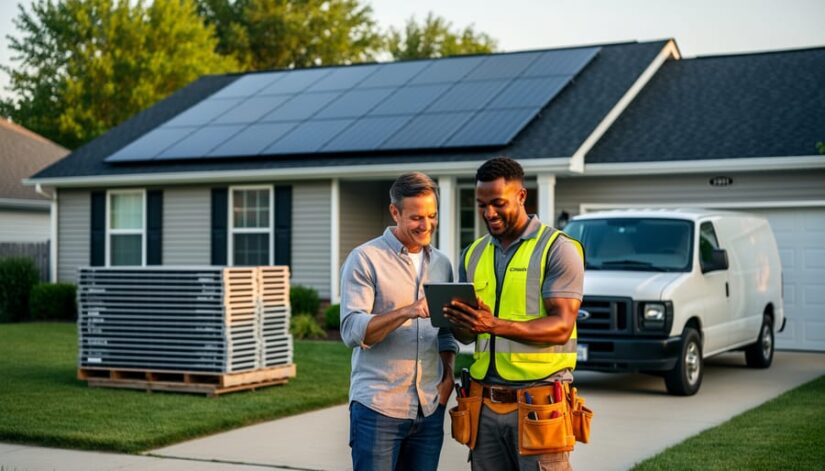
Why Your Solar Project Needs a Sustainability Plan (Before Installation Begins)
Evaluate solar installers by asking how they handle panel recycling at the end of your system’s 25-30 year lifespan—companies with decommissioning plans demonstrate commitment to true sustainability beyond installation day. Request detailed documentation showing how equipment will be sourced, including whether panels are manufactured using renewable energy and ethical labor practices, as these upstream decisions directly impact your project’s environmental footprint. Demand transparency about warranty structures and maintenance protocols, since systems designed for longevity and easy repairs prevent premature waste and protect your financial investment over decades.
Project sustainability in solar energy means examining every phase of your installation—from initial site assessment through eventual system retirement—to ensure environmental responsibility and long-term value. For Illinois homeowners and businesses, this lifecycle approach transforms solar from a simple equipment purchase into a strategic decision that affects local communities, property values, and environmental impact for generations. When sustainability principles guide planning, installation, operation, and decommissioning phases, you avoid hidden costs like premature equipment failure, difficult warranty claims, or disposal challenges that undermine both financial returns and environmental benefits.
The difference between conventional solar installation and sustainability-integrated project management becomes clear in real outcomes: systems that maintain peak performance longer, partnerships with installers who remain responsive throughout your ownership, and confidence that your renewable energy investment truly reduces environmental harm rather than simply shifting it elsewhere. As a locally owned Illinois company, we recognize that genuine sustainability requires examining material sourcing, installation practices, ongoing maintenance approaches, and end-of-life planning—not just promising clean energy production. This comprehensive perspective ensures your solar project delivers on its environmental and financial promises across its entire operational lifetime.
What Project Sustainability Really Means for Solar Installations

Beyond Green Energy: The Full Picture
When you think about solar energy, you might picture clean electricity powering your Illinois home or business. But true project sustainability goes far beyond the energy your panels produce. It encompasses every phase of your solar investment, from the factory floor to your rooftop and eventually, responsible decommissioning.
Manufacturing sustainability considers how panels are produced—the energy used in factories, the source of raw materials like silicon and aluminum, and whether manufacturers follow ethical labor practices. Transportation adds another layer, as shipping components from overseas facilities creates carbon emissions that can offset some environmental benefits.
The installation phase matters too. Does your installer minimize waste by carefully planning materials? Are excess packaging and damaged components properly recycled? As a locally owned company with deep expertise in solar energy, we understand that these details directly impact your project’s environmental footprint.
Finally, end-of-life planning ensures panels don’t end up in landfills after 25-30 years of service. Responsible installers think decades ahead, considering recycling programs and emerging technologies for panel recovery. When evaluating solar providers, asking about these comprehensive sustainability practices helps you choose partners committed to environmental stewardship throughout your system’s entire lifecycle, not just during operation.
Why Lifecycle Thinking Matters for Your Investment
When you invest in solar energy, you’re making a long-term commitment that extends far beyond installation day. Thinking about your project’s complete lifecycle helps you maximize that investment in measurable ways.
First, lifecycle thinking protects your financial investment. By considering maintenance requirements, equipment warranties, and timeline management from the start, you avoid costly surprises down the road. This approach helps you budget accurately for the 25-30 year lifespan of your solar system, ensuring predictable returns on your investment.
System performance also benefits significantly from lifecycle planning. When installers consider long-term durability, seasonal weather patterns specific to Illinois, and component compatibility upfront, your system operates more efficiently throughout its lifetime. This means more consistent energy production and greater savings on your utility bills year after year.
Finally, lifecycle thinking directly impacts your property value. Homes and businesses with well-planned, professionally maintained solar installations command premium prices in the Illinois market. Prospective buyers recognize the value of systems designed with longevity in mind, complete with clear maintenance records and transferable warranties. This comprehensive approach transforms your solar investment from a simple upgrade into a lasting asset that serves your property for decades.
The Five Phases Where Sustainability Makes or Breaks Your Project

Planning and Design: Setting Sustainability Standards
Sustainable solar projects begin long before installation crews arrive. A thorough site assessment evaluates shading patterns, structural integrity, and electrical capacity to ensure your system operates efficiently for decades. This upfront analysis helps protect your investment by identifying potential issues early.
Equipment selection matters significantly. Choosing solar panels and inverters with proven longevity records—typically 25-30 years for panels—reduces replacement frequency and waste. Look for manufacturers offering equipment designed for recyclability at end-of-life, ensuring components don’t simply become landfill material.
Roof condition evaluation prevents costly mistakes. Installing solar panels on a roof nearing replacement means premature system removal within just a few years. Illinois homeowners should address roof repairs or replacement before installation to align timelines properly.
Designing for maintenance access often gets overlooked but proves essential. Proper spacing between panel rows, accessible inverter placement, and clear pathways allow technicians to perform routine inspections and repairs efficiently. This foresight minimizes service disruptions and extends system lifespan, making your solar investment truly sustainable from day one.
Material Sourcing: The Hidden Environmental Cost
Before solar panels ever reach your rooftop, they’ve already accumulated an environmental footprint. The manufacturing process requires energy and raw materials, making your choice of equipment partners significant from a sustainability standpoint.
When evaluating solar projects, ask your installer about the manufacturers they work with. Responsible manufacturers increasingly use recycled materials, renewable energy in production facilities, and transparent supply chains. Different panel types carry varying carbon footprints—for example, monocrystalline panels require more energy-intensive production than thin-film alternatives, though they typically offer better long-term efficiency.
One often-overlooked aspect is end-of-life planning. Quality manufacturers now offer take-back programs, ensuring panels don’t end up in landfills after 25-30 years of service. These programs recover valuable materials like silicon, glass, and silver for reuse in new products.
As a locally owned company with deep expertise in solar energy, we recognize that true sustainability means looking beyond installation day. When selecting equipment for Illinois homes and businesses, we prioritize partnerships with manufacturers committed to circular economy principles—reducing waste and keeping materials in productive use throughout their entire lifecycle.

Installation: Minimizing Immediate Impact
A sustainable solar installation begins with minimizing disruption to your property during the construction phase. Professional installers implement comprehensive waste management strategies, separating recyclable materials like packaging, metal scraps, and equipment containers from general waste. This approach reduces landfill contributions and aligns with the environmental values that drive solar adoption.
Protecting your existing structures and landscaping is equally important. Experienced teams use ground protection systems to prevent soil compaction and turf damage, especially when heavy equipment accesses installation sites. They designate clear pathways for materials and workers, avoiding unnecessary traffic across gardens or lawns. For roof-mounted systems, installers assess the structural integrity beforehand, ensuring panels integrate without compromising your building’s foundation or existing features.
Installation methods matter significantly. Rather than aggressive techniques that might damage roofing materials or penetrate critical barriers, reputable Illinois solar companies employ quality management practices that preserve building integrity. This includes using appropriate mounting hardware, sealing penetrations properly, and conducting thorough inspections throughout the process. These careful approaches prevent future issues like leaks or structural weaknesses, ensuring your solar system enhances rather than compromises your property’s long-term value.
Operations and Maintenance: Sustaining Performance
Your solar energy system requires consistent care to deliver peak performance throughout its 25-30 year lifespan. Establishing a regular maintenance schedule protects your investment and maximizes energy production.
At Illinois Renewables, we recommend seasonal inspections to check panel surfaces, electrical connections, and structural mounting. Our locally owned team uses eco-friendly cleaning methods—biodegradable solutions and soft brushes—that remove debris without harming the environment or your equipment. Rainwater often handles light dust, but bird droppings and pollen buildup can reduce efficiency by 15-20%.
Advanced monitoring systems provide real-time performance data, alerting you to issues before they escalate. Early detection prevents minor problems from becoming costly repairs.
Plan ahead for component replacement. Inverters typically need replacement after 10-15 years, while panels maintain 80% efficiency after 25 years. Understanding these timelines helps you budget appropriately and ensures your system continues generating clean energy reliably. Regular maintenance isn’t just about protecting equipment—it’s about sustaining the environmental benefits that made solar worthwhile from the start.
End-of-Life: Closing the Loop Responsibly
Even high-quality solar panels eventually reach the end of their productive life, typically after 25-30 years. Planning for this phase now ensures your sustainability commitment remains intact throughout the entire project lifecycle. Modern solar panels contain valuable materials like silicon, aluminum, and glass that can be recovered and reused. In Illinois, several manufacturers and specialized recycling facilities accept decommissioned panels, keeping these materials out of landfills.
Rather than replacing entire systems at once, consider strategic upgrades. Inverters typically need replacement after 10-15 years, but your panels may continue performing well. Upgrading individual components extends system life while reducing waste and cost. Similarly, adding battery storage or additional panels to an existing array maximizes your initial investment.
For electrical components like wiring and mounting hardware, proper disposal through certified e-waste recyclers prevents environmental contamination. When working with a locally owned installer experienced in long-term solar projects, ask about their end-of-life planning services. Responsible companies will help you develop a decommissioning plan that accounts for recycling options, component reuse possibilities, and upgrade pathways, ensuring your solar investment delivers sustainable benefits from installation through retirement.
How Sustainable Project Management Saves You Money
Avoiding Costly Mistakes Through Proper Planning
Poor planning decisions at the start of a solar project can lead to expensive complications down the road. Consider a common scenario: a homeowner in Illinois rushes into installation without a thorough roof assessment. Six years later, the roof needs replacement, requiring the costly removal and reinstallation of the entire solar array—often costing $3,000 to $8,000 in labor alone.
Another frequent mistake involves choosing the wrong mounting system for Illinois weather conditions. One business owner opted for a budget installer who used inadequate fastening, resulting in water infiltration during heavy spring rains. The subsequent repairs exceeded $15,000, far outweighing initial savings.
Electrical system oversights also prove costly. When installers fail to properly assess a home’s existing electrical panel capacity, homeowners face surprise upgrades adding $2,000 to $4,000 post-installation. Sustainable planning prevents these issues through comprehensive site evaluation, proper material selection for local climate conditions, and realistic timeline development that accounts for necessary preparatory work. Working with locally owned experts who understand Illinois-specific challenges ensures your investment remains financially sound throughout its 25-plus year lifespan.
Extended System Life Means Better ROI
Quality materials and proper installation practices directly impact how long your solar energy system delivers value. When you invest in a solar project, you’re not just purchasing panels—you’re committing to decades of clean energy production. The difference between a standard installation and one built for longevity can mean the difference between 20 years and 30-plus years of reliable service.
Consider the math: A typical solar system in Illinois costs between $15,000 and $30,000 after incentives. If that system lasts 20 years, you’re paying roughly $750 to $1,500 per year of operation. Extend that lifespan to 30 years through quality components and proactive maintenance, and your annual cost drops to $500 to $1,000—a 33% improvement in return on investment without generating a single additional watt.
What makes this extended lifespan possible? Premium inverters with longer warranties, corrosion-resistant mounting hardware suited to Illinois weather patterns, and professional-grade wiring that withstands temperature extremes all contribute to system durability. Regular maintenance—cleaning panels, checking connections, and monitoring performance—prevents small issues from becoming costly failures.
This approach to resource optimization ensures your investment continues producing value well beyond the initial payback period. Every additional year of operation represents pure savings, turning your solar system from a good investment into an exceptional one. As a locally owned company, we’ve seen firsthand how quality installations continue performing efficiently decades after installation, delivering consistent returns to Illinois property owners.
Questions to Ask Your Solar Installer About Sustainability
Material and Equipment Vetting
When evaluating solar providers, asking the right questions about materials and equipment ensures your investment supports long-term sustainability. Start by investigating where manufacturers source their solar panels and components. Reputable companies provide transparency about their supply chains, including whether materials are ethically sourced and produced with minimal environmental impact.
Equipment warranties matter significantly for project longevity. Quality solar panels typically come with 25-year performance warranties, while inverters should include at least 10-year coverage. These warranties protect your investment and reflect the manufacturer’s confidence in their products’ durability.
Ask potential installers about recycling programs for system components at end-of-life. As a locally owned company with deep expertise in solar energy, we recognize that true sustainability includes planning for responsible decommissioning. Leading manufacturers partner with recycling facilities to reclaim valuable materials like silicon, glass, and metals from retired panels.
Material sourcing transparency separates conscientious providers from those simply chasing trends. Request documentation about manufacturing practices, carbon footprints of production facilities, and certifications demonstrating environmental responsibility. Illinois homeowners and businesses deserve partners who view sustainability as encompassing the entire product lifecycle, not just operational energy savings.
Installation and Lifecycle Support
A truly sustainable solar project addresses environmental impacts at every stage, not just during operation. When evaluating installers, ask about their waste management practices during installation—responsible companies minimize packaging waste and recycle materials like metal brackets and wire scraps. As a locally owned Illinois company with deep solar expertise, we prioritize clean job sites and proper disposal of all materials.
Maintenance planning is equally important for long-term sustainability. Quality solar systems require minimal upkeep, but routine inspections and cleaning ensure optimal performance for decades. Ask potential installers about their maintenance programs and whether they offer monitoring systems that track your system’s energy production in real-time. These digital tools help identify issues early, preventing energy losses and extending equipment life.
Finally, consider end-of-life services. Solar panels typically last 25-30 years, but what happens afterward? Forward-thinking installers should discuss panel recycling programs and decommissioning plans. Illinois increasingly supports solar recycling infrastructure, allowing valuable materials like silicon, glass, and aluminum to be recovered and reused. A comprehensive lifecycle approach ensures your solar investment remains environmentally responsible from day one through eventual retirement.
Local Expertise and Long-Term Partnership
Choosing a locally owned Illinois solar company creates a foundation for lasting accountability and responsive support throughout your system’s 25-30 year lifespan. Local installers understand how Illinois weather patterns—from heavy winter snow loads to summer humidity and severe storms—affect panel performance and structural integrity over time. This regional knowledge informs better initial design decisions and more accurate maintenance planning. When issues arise, locally owned businesses respond faster than distant corporations, often within the same day for urgent concerns. Your investment also supports the regional economy while establishing a partnership with professionals who genuinely understand Illinois-specific incentives, regulations, and utility interconnection requirements. Unlike national chains that may shift priorities or exit markets, local companies build reputations within their communities, creating strong motivation to deliver exceptional long-term service. This proximity and commitment translate directly into better system longevity, as your installer remains accessible for routine maintenance, troubleshooting, and eventual upgrades—ensuring your solar project delivers sustainable value for decades.
Choosing solar energy is an important step toward a cleaner future, but the true environmental and financial benefits only materialize when sustainability is woven into every phase of your project. From the initial design and equipment selection through decades of operation and eventual recycling, intentional lifecycle planning ensures your investment delivers maximum value while minimizing environmental impact.
For Illinois homeowners and business owners, this means looking beyond the lowest upfront price tag. A solar system designed without consideration for long-term performance, local climate conditions, or end-of-life management may cost you more in repairs, replacements, and lost efficiency over its 25-plus year lifespan. Conversely, a thoughtfully planned project that prioritizes quality components, proper installation, and ongoing maintenance can significantly reduce your total cost of ownership while protecting our environment.
When evaluating solar partners, make sustainability integration a non-negotiable expectation. Ask potential installers how they address lifecycle impacts, what warranties they offer, and whether they plan for system decommissioning. A locally owned company with deep expertise in solar energy will understand Illinois-specific challenges and design systems that perform optimally in our climate for the long haul.
The choice is clear: lifecycle thinking transforms your solar investment from a simple purchase into a genuine contribution to environmental stewardship and financial resilience. By partnering with installers who prioritize sustainability at every project phase, you ensure your system delivers clean energy efficiently and responsibly from day one through decommissioning. This comprehensive approach protects both your financial interests and our shared environment, making sustainability not just an ideal but a practical reality for Illinois solar adoption.
