

How Solar Energy Actually Affects Your Environment (The Complete Impact Picture)
Solar energy stands as one of the cleanest power sources available, yet understanding its complete environmental footprint helps you make truly informed decisions about installation. While solar panels generate electricity without air pollution or greenhouse gas emissions during operation, the full lifecycle—from manufacturing through disposal—creates environmental considerations that deserve honest examination. Land use, water consumption during production, habitat disruption, and end-of-life waste management all factor into solar’s environmental equation.
The encouraging reality is that solar energy’s environmental benefits dramatically outweigh its impacts. A properly planned solar installation offsets fossil fuel emissions within 1-4 years of operation, then continues delivering clean energy for 25-30 years. Manufacturing processes have become significantly cleaner as the industry matures, and recycling programs now reclaim up to 95% of panel materials. For Illinois property owners, working with experienced local installers ensures projects minimize negative impacts through careful site assessment, appropriate system sizing, and responsible equipment sourcing. Understanding both the challenges and solutions empowers you to choose solar confidently, knowing you’re making a genuinely sustainable investment that protects our environment for decades to come.
Why Environmental Impact Assessments Matter for Solar Projects
What Goes Into a Solar EIA
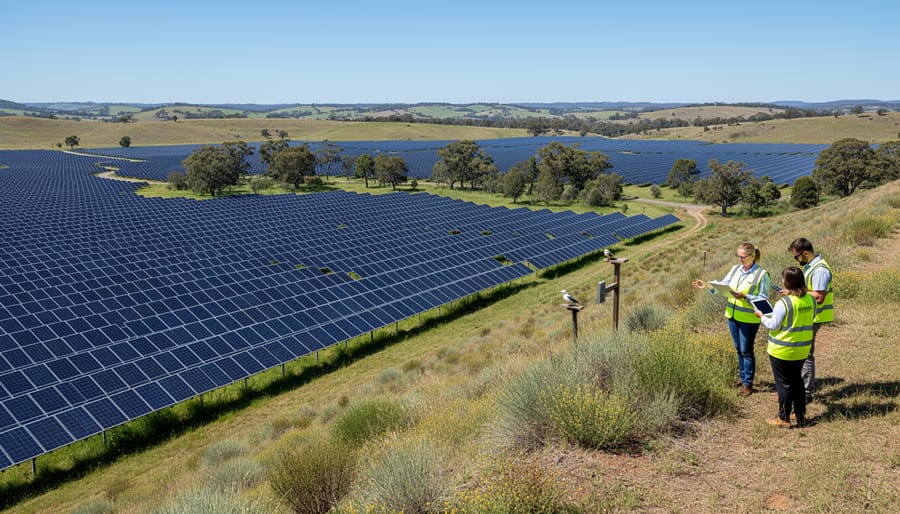
Before breaking ground on a solar installation, a comprehensive Environmental Impact Assessment (EIA) examines how the project will interact with its surroundings. This process ensures that solar developments meet environmental compliance requirements while protecting Illinois communities and ecosystems.
A thorough solar EIA evaluates five key components. Land use analysis examines how the project site will be developed, including considerations for soil quality, topography, and agricultural preservation. Wildlife assessments identify any protected species or critical habitats that might be affected. Water resource evaluation looks at stormwater management, drainage patterns, and potential impacts on local watersheds. Air quality studies measure any emissions during construction and compare them to operational benefits. Community impact reviews consider visual aesthetics, noise during installation, and how the project fits within local development plans.
The assessment process typically unfolds over several months. Initial site surveys and data collection happen first, followed by detailed analysis and report preparation. Public comment periods allow community members to voice concerns or ask questions. Finally, regulatory agencies review findings and issue permits or request modifications.
For Illinois property owners, understanding this process provides confidence that solar installations are thoughtfully planned. Professional solar developers conduct these assessments proactively, identifying potential concerns early and implementing solutions before construction begins. This upfront diligence ensures solar projects deliver clean energy benefits while respecting the environment and surrounding communities.
The Positive Environmental Impacts of Solar Energy
Dramatic Reduction in Greenhouse Gas Emissions
Solar energy represents one of the most effective tools for reducing greenhouse gas emissions. When you install solar panels in Illinois, you eliminate the need for electricity generated from coal or natural gas, which typically produces about 1 pound of carbon dioxide per kilowatt-hour. A typical residential solar system in Illinois generating 10,000 kilowatt-hours annually prevents approximately 5 tons of CO2 emissions each year – equivalent to planting 120 trees or taking a car off the road for 12,000 miles.
The lifecycle emissions of solar panels, which include manufacturing, transportation, installation, and eventual recycling, amount to roughly 40 grams of CO2 per kilowatt-hour over their 25-30 year lifespan. This is dramatically lower than coal at 900 grams or natural gas at 450 grams per kilowatt-hour.
For Illinois businesses, the impact scales significantly. A commercial installation generating 100,000 kilowatt-hours annually prevents 50 tons of CO2 emissions yearly. Over the system’s lifetime, that’s 1,250 tons of greenhouse gases avoided. These reductions contribute directly to Illinois’ clean energy goals while providing measurable environmental benefits that homeowners and businesses can feel good about supporting.
Cleaner Air and Water in Your Community
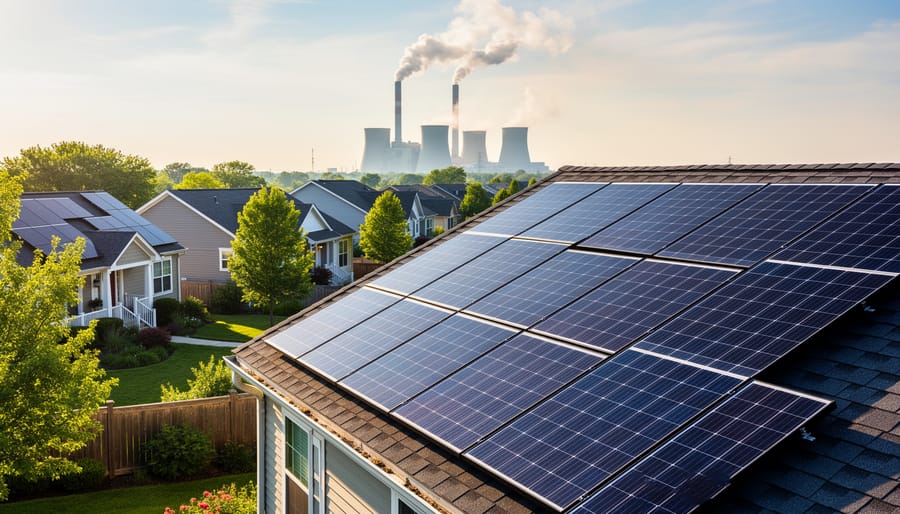
Unlike conventional power plants that release harmful pollutants into the air, solar panels generate electricity without combustion, meaning zero emissions during operation. This translates to measurable improvements in local air quality. Traditional coal and natural gas plants release sulfur dioxide, nitrogen oxides, and particulate matter that contribute to smog, acid rain, and respiratory problems. By choosing solar energy, Illinois communities can reduce these pollutants significantly.
Water conservation represents another substantial benefit. Conventional power plants consume enormous amounts of water for cooling systems, with thermoelectric power generation accounting for approximately 40% of all freshwater withdrawals in the United States. Solar photovoltaic systems require virtually no water to generate electricity, only occasional panel cleaning. This reduced water demand helps preserve this precious resource for agriculture, municipal use, and natural ecosystems.
The health benefits for your community are equally important. Cleaner air means fewer asthma attacks, reduced cardiovascular issues, and lower rates of respiratory diseases, particularly benefiting children and elderly residents. Studies have shown that transitioning to renewable energy sources like solar can prevent thousands of premature deaths annually nationwide. When you invest in solar energy, you’re not just reducing your carbon footprint; you’re actively contributing to a healthier environment for your neighbors and future generations.
Long-Term Energy Independence Benefits
One of solar energy’s most significant environmental advantages becomes clear when you look at the full lifespan of a system. Over 25 to 30 years of operation, a typical residential or commercial solar installation generates clean electricity without ongoing resource extraction. This stands in stark contrast to conventional energy sources that require continuous mining, drilling, or harvesting of fuels throughout their operational life.
Every kilowatt-hour your solar panels produce represents electricity that doesn’t require coal mining, natural gas extraction, or uranium processing. For Illinois property owners, this means directly contributing to the preservation of natural habitats, watersheds, and ecosystems that would otherwise face disruption from ongoing resource extraction activities. The cumulative effect across thousands of installations creates substantial environmental benefits for communities statewide.
Solar systems also reduce the transportation-related impacts associated with fuel delivery. Once installed, your panels generate power on-site, eliminating the environmental costs of transporting coal, natural gas, or other fuels to power plants. This reduction in freight traffic means fewer emissions, less road wear, and decreased risk of transportation-related environmental incidents.
The financial savings from solar energy often enable property owners to invest in additional sustainability measures, creating a multiplier effect for environmental protection. As locally owned solar experts, we’ve seen how the initial decision to go solar frequently inspires Illinois homeowners and businesses to pursue broader environmental goals, from energy efficiency upgrades to water conservation initiatives. This ripple effect amplifies the positive environmental impact well beyond the panels themselves, contributing to a more sustainable future for our state.
Environmental Challenges to Address in Solar Planning
Land Use and Habitat Considerations
Ground-mounted solar installations require physical space, typically ranging from 5 to 10 acres per megawatt of capacity. While this footprint is considerably smaller than many other energy sources when accounting for fuel extraction and processing, thoughtful site selection remains essential to minimize habitat disruption and preserve Illinois’s natural ecosystems.
The most significant concern involves installing solar arrays on undeveloped land, which can disrupt local wildlife habitats and affect native plant species. However, responsible solar developers prioritize previously disturbed or developed sites to avoid these impacts. Brownfields, former industrial sites, closed landfills, and contaminated properties offer excellent opportunities for solar development. These locations transform underutilized land into productive energy assets while avoiding impacts to pristine habitats.
In Illinois, many solar projects incorporate dual-use approaches that benefit both energy production and local ecosystems. Agrivoltaics, which combines solar panels with continued agricultural use, allows farmers to maintain grazing livestock or grow shade-tolerant crops beneath elevated panel arrays. This practice preserves agricultural productivity while generating clean energy.
Native prairie restoration under and around solar arrays represents another best practice gaining traction across Illinois. By planting native grasses and wildflowers instead of traditional turf grass, solar sites can actually enhance local biodiversity, support pollinators, and improve soil health. These pollinator-friendly solar installations create valuable habitat corridors that benefit bees, butterflies, and other essential species.
Careful environmental site assessments before construction help identify and protect sensitive areas, endangered species habitats, and important ecological features. When properly planned, solar installations can coexist harmoniously with local environments while delivering clean energy benefits.
Manufacturing and Material Sourcing Impacts
While solar energy produces clean electricity, the manufacturing process does have environmental considerations worth understanding. Solar panel production requires energy and involves extracting materials like silicon, silver, and aluminum. The mining and processing of these materials can impact local ecosystems and consume significant energy resources.
Modern solar manufacturing has made considerable progress in reducing these impacts. Today’s facilities increasingly use renewable energy to power production lines, and manufacturers have improved efficiency to minimize material waste. The industry has also developed better recycling methods for silicon and other components used in panels.
It’s important to consider these manufacturing impacts within the broader context of a solar system’s 25-30 year lifespan. Research shows that most solar panels generate enough clean energy to offset their manufacturing footprint within 1-3 years of operation. After this energy payback period, your system produces emissions-free electricity for decades.
When evaluating the true environmental value of solar, examining the complete lifecycle costs provides the clearest picture. Over their lifetime, solar panels prevent significantly more environmental damage than their production creates. For Illinois property owners, this means your investment delivers genuine environmental benefits while reducing your carbon footprint for years to come. Working with experienced local installers ensures you’re choosing quality panels from manufacturers committed to responsible production practices.
End-of-Life and Recycling Considerations
Solar panels typically last 25-30 years, but proper end-of-life planning is essential to minimize environmental impact. When panels reach the end of their useful life, they contain valuable materials like silicon, silver, aluminum, and glass that should be recovered rather than discarded in landfills.
Currently, recycling infrastructure for solar panels remains limited in the United States, though this is rapidly changing. Several specialized facilities now recover up to 95% of panel materials, including glass and semiconductor materials that can be reused in new panels. The Solar Energy Industries Association has established voluntary recycling programs, and some manufacturers offer take-back programs for their products.
The key challenge involves the complex layering of materials in panels, which makes separation and recovery more labor-intensive than traditional recycling. However, emerging technologies are making the process more economical and efficient.
For Illinois homeowners and businesses considering solar, working with installers who prioritize end-of-life planning demonstrates environmental responsibility. Ask about decommissioning plans during the design phase, including panel recycling options and proper disposal protocols. As locally owned solar experts, we help clients understand their long-term responsibilities and connect them with recycling resources when the time comes. Planning for responsible disposal from day one ensures your solar investment remains environmentally beneficial throughout its entire lifecycle.
Visual and Community Impact Factors
Solar installations can raise visual concerns for communities, as panels and mounting equipment alter the appearance of rooftops or open land. However, thoughtful design significantly reduces aesthetic impact. Modern solar panels feature low-profile designs and darker frames that blend more naturally with building materials. For rooftop installations, positioning panels to align with roof angles and using flush-mounted systems creates a cleaner appearance that respects neighborhood character.
Glare from solar panels is another consideration, though modern panels are designed with anti-reflective coatings that minimize light reflection. Proper placement ensures panels don’t direct reflected light toward adjacent properties, roadways, or flight paths. Illinois installers conduct site assessments to identify potential glare issues before installation begins.
Community impact goes beyond appearance. Ground-mounted systems require careful placement to preserve natural landscapes and avoid disrupting local wildlife habitats. Setback requirements and vegetation screening help solar arrays blend into rural settings while maintaining property values. Locally owned solar companies understand Illinois communities and work closely with homeowners and businesses to design installations that balance energy production with environmental sensitivity. Through collaborative planning and attention to site-specific conditions, solar projects can enhance rather than detract from community spaces.
How Professional Solar Installers Minimize Environmental Impact
Site-Specific Assessment and Smart Design
Professional solar installers in Illinois understand that every property is unique, which is why they begin with a thorough solar energy audit to evaluate site-specific conditions. This assessment examines factors like soil composition, drainage patterns, existing vegetation, and wildlife habitats to identify the optimal placement for your solar array.
During this evaluation, experienced installers actively identify and avoid sensitive environmental areas. This includes preserving native plant communities, steering clear of wetlands or water sources, and maintaining buffer zones around wildlife corridors. By mapping these features upfront, installers can design systems that work with your property’s natural characteristics rather than against them.
Smart design also considers practical elements like roof orientation, shading patterns, and ground conditions to maximize energy production while minimizing land disturbance. For ground-mounted systems, this might mean using areas already cleared or disturbed rather than removing established vegetation. The goal is achieving excellent solar performance while protecting the environmental features that make your Illinois property valuable. This careful planning ensures your solar investment benefits both your energy goals and the local ecosystem.
Installation Practices That Protect Your Property
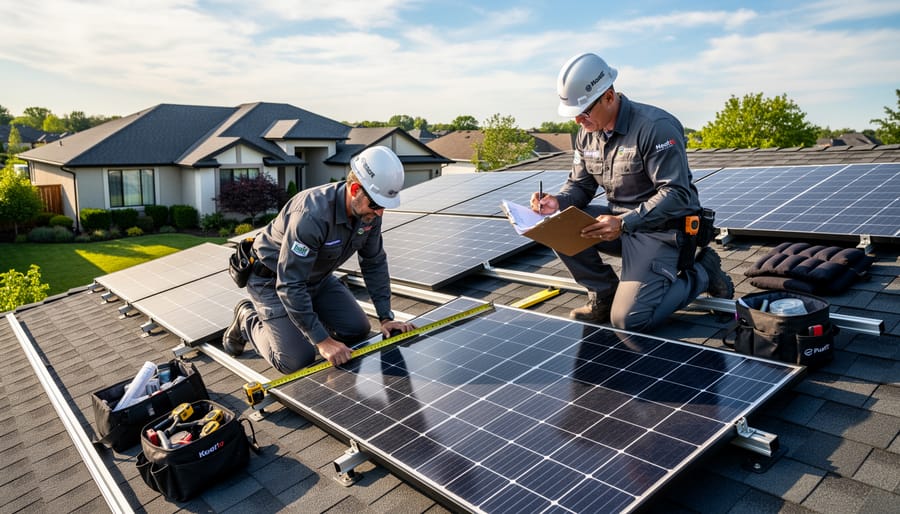
Reputable Illinois solar installers follow strict construction practices to protect your property and the surrounding environment during installation. These measures ensure your investment benefits the planet without causing unintended harm to your immediate landscape.
Erosion control stands as a top priority during any solar project. Local installers use silt fencing, erosion blankets, and strategic placement of materials to prevent soil displacement, especially on sloped properties. This protection becomes particularly important during Illinois’s wet seasons when exposed soil can easily wash away.
Vegetation preservation efforts minimize disruption to existing landscaping and natural ground cover. Professional installers carefully mark areas to avoid and limit equipment movement to designated zones. When tree removal becomes necessary for adequate sun exposure, responsible companies often replant native species in suitable locations to offset the loss.
Stormwater management techniques prevent runoff issues that could affect your property or neighboring areas. Installers incorporate proper grading, permeable surfaces where appropriate, and drainage solutions that maintain natural water flow patterns. Ground-mounted systems receive particular attention to ensure rainwater disperses correctly around and beneath panels.
Through proper solar project planning, local Illinois installers conduct thorough site assessments before breaking ground. This preparation identifies potential environmental sensitivities, existing drainage patterns, and optimal equipment placement. During construction, crews follow documented protocols for waste disposal, material storage, and site cleanup to leave your property in excellent condition once your system becomes operational.
The Net Environmental Benefit: Putting It All in Perspective
When evaluating solar energy’s environmental footprint, it’s essential to look at the complete picture. While manufacturing, installation, and end-of-life considerations do create some environmental impacts, the overall equation strongly favors solar energy as an environmentally beneficial technology.
The most telling measure comes from energy payback time, which is how long a solar panel must operate to generate the amount of clean energy that was used in its production. For most modern solar installations, this payback period ranges from just 1 to 4 years, depending on panel type, location, and sunlight exposure. Given that solar panels typically last 25 to 30 years or longer, this means each system generates clean, emissions-free electricity for more than two decades beyond its environmental “break-even” point.
In Illinois, where we experience four distinct seasons, properly sited solar installations still achieve favorable payback periods while delivering decades of carbon-free electricity. The cumulative impact is substantial: a typical residential solar system prevents approximately 100 tons of carbon dioxide emissions over its lifetime, equivalent to planting over 2,000 trees or taking two cars off the road for 25 years.
The key to maximizing these benefits while minimizing potential drawbacks lies in proper planning and professional installation. Environmental Impact Assessments help identify sensitive areas, optimize site selection, and implement appropriate mitigation measures from the start. Working with experienced, locally owned solar providers who understand Illinois-specific environmental conditions ensures your installation delivers maximum environmental benefit while respecting local ecosystems.
The evidence is clear: solar energy represents one of our most effective tools for reducing greenhouse gas emissions and combating climate change, with environmental benefits that far outweigh the temporary impacts of production and installation.
When properly planned and installed, solar energy represents a significant environmental improvement over conventional energy sources. While solar installations do create some localized impacts during manufacturing and construction, these are far outweighed by the long-term benefits of clean, renewable electricity generation that produces zero emissions for decades.
The key to minimizing environmental concerns lies in working with experienced professionals who understand the importance of comprehensive site assessment and responsible installation practices. Illinois property owners benefit from partnering with locally owned solar installers who are familiar with regional ecosystems, weather patterns, and regulatory requirements. These knowledgeable professionals conduct thorough environmental evaluations, implement appropriate mitigation strategies, and ensure compliance with all applicable guidelines.
By choosing solar energy, you’re making a meaningful contribution to reducing carbon emissions, improving air quality, and preserving natural resources for future generations. Combined with available Illinois solar incentives, transitioning to solar becomes both environmentally responsible and financially advantageous.
Ready to explore solar for your property? Partner with experienced local installers who prioritize environmental stewardship alongside technical expertise, ensuring your solar investment delivers maximum benefits for both your bottom line and our planet.
