
AI Energy Consumption: Smart Solutions That Actually Lower Your Power Bills
Artificial Intelligence is revolutionizing our world, but its environmental footprint raises crucial questions about sustainability. As data centers power increasingly complex AI models, their energy consumption has skyrocketed – with some estimates suggesting that training a single large language model can generate as much carbon dioxide as five cars over their entire lifetimes. Yet this technology also holds the key to unprecedented energy optimization, offering solutions that could reduce global energy consumption by 15-20% across industries.
In Illinois, where renewable energy initiatives are gaining momentum, the intersection of AI and energy use presents both challenges and opportunities. From smart grid management to predictive maintenance in solar installations, AI applications are transforming how we generate, distribute, and consume power. This transformation comes at a critical time, as businesses and homeowners across the Prairie State seek innovative ways to balance technological advancement with environmental responsibility.
Understanding AI’s energy impact isn’t just about measuring consumption – it’s about harnessing its potential to create a more sustainable future.
How AI Systems Impact Energy Usage

The Real Energy Cost of AI Operations
The energy demands of artificial intelligence systems are more substantial than many realize. A single large AI model training session can consume as much electricity as five average Illinois homes use in an entire year. This significant energy requirement comes primarily from the powerful computing systems and cooling infrastructure needed to process vast amounts of data.
For example, training a common natural language processing model can use approximately 656,000 kWh of electricity, equivalent to the annual power consumption of about 60 typical households. The environmental impact varies depending on the energy source – while traditional grid power may lead to higher carbon emissions, incorporating renewable energy sources like solar can significantly reduce this footprint.
Data centers hosting AI operations in Illinois are increasingly turning to solar solutions to offset these energy demands. By implementing solar panels and energy-efficient cooling systems, businesses can reduce both their environmental impact and operating costs. Some facilities have reported energy cost reductions of up to 30% after transitioning to solar-powered operations, demonstrating that sustainable AI implementation is both environmentally and economically beneficial.
Balancing AI Benefits with Energy Demands
As we embrace AI technology in our homes and businesses, it’s crucial to understand the balance between its benefits and energy requirements. While AI systems can significantly improve energy efficiency through smart management and optimization, they also require substantial power to operate, particularly in data centers and large-scale applications.
For Illinois businesses and homeowners, this balance becomes especially relevant when integrating AI-powered energy management systems with solar installations. The key is to implement AI solutions strategically, focusing on applications that deliver the highest energy savings relative to their consumption. For example, AI-driven smart thermostats typically consume minimal power while potentially reducing HVAC energy use by 10-15%.
Modern AI systems are becoming more energy-efficient through improved hardware and software design. Local processing, or “edge computing,” can reduce the energy needed for data transmission, making AI more practical for home automation systems. When combined with solar power, these systems can operate with a minimal carbon footprint, especially during peak sunlight hours.
The goal is to harness AI’s capabilities while maintaining energy consciousness, ensuring that the technology’s benefits outweigh its power demands.
AI-Powered Energy Optimization Solutions
Smart Building Management Systems
Smart building management systems powered by artificial intelligence are revolutionizing how Illinois properties handle their energy consumption. These systems use advanced sensors and machine learning algorithms to continuously monitor and optimize building operations, resulting in significant energy savings and improved comfort for occupants.
AI-driven systems analyze multiple data points in real-time, including occupancy patterns, weather conditions, and historical energy usage. This allows for automatic adjustments to heating, cooling, and lighting systems based on actual needs rather than fixed schedules. For example, when sensors detect that a conference room is empty, the system automatically reduces lighting and adjusts temperature settings to conserve energy.
These intelligent systems also learn from building usage patterns over time, becoming more efficient at predicting and responding to energy needs. They can identify potential equipment issues before they become problems, schedule maintenance proactively, and suggest optimization strategies to building managers.
In Illinois properties equipped with solar installations, AI management systems are particularly valuable. They can coordinate solar energy production with building demand, storing excess energy during peak production times and utilizing it during high-demand periods. This intelligent energy management helps maximize the return on solar investments while reducing reliance on grid power.
Building owners typically see a 20-30% reduction in energy costs after implementing AI-powered management systems, with some achieving even greater savings through continued optimization and fine-tuning of their systems.

Solar Energy Integration and AI
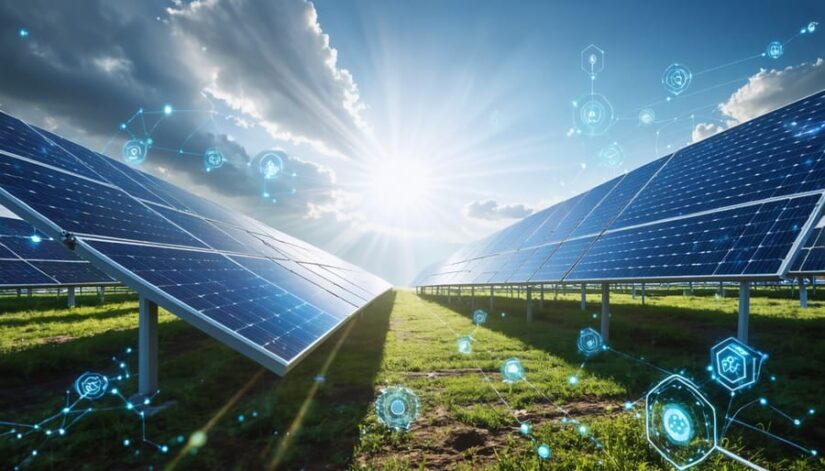
Artificial Intelligence is revolutionizing how we harness and manage solar energy, making renewable power more accessible and efficient for Illinois property owners. By analyzing weather patterns, historical performance data, and real-time conditions, AI systems can optimize solar panel positioning and energy distribution throughout the day. This intelligent management has helped many local businesses and homeowners maximize their solar energy benefits in Illinois.
AI-powered predictive maintenance systems can identify potential issues before they affect performance, reducing downtime and maintenance costs. These systems monitor panel degradation, dust accumulation, and electrical anomalies, ensuring optimal energy generation throughout the year. For large-scale installations, AI algorithms manage complex grid integration, balancing supply and demand while maintaining system stability.
Machine learning models also help forecast solar power generation based on weather predictions, enabling more efficient energy storage and distribution. This predictive capability is particularly valuable in Illinois’s variable climate, where weather conditions can significantly impact solar panel performance. By anticipating cloudy periods or peak sunshine hours, AI systems can adjust energy storage and usage patterns to maximize cost savings and minimize reliance on grid power.
The integration of AI with solar technology continues to evolve, making renewable energy systems more intelligent, efficient, and cost-effective for Illinois residents and businesses.

Implementing AI Energy Solutions in Illinois
Local Success Stories
Several Illinois businesses and organizations have successfully implemented AI-driven energy optimization systems, demonstrating remarkable results in both energy efficiency and cost savings. The Chicago-based manufacturing facility Miller Industries reduced its energy consumption by 27% after implementing an AI-powered smart grid system that automatically adjusts production schedules based on peak energy periods.
In Springfield, the Lincoln Memorial Hospital deployed machine learning algorithms to optimize their HVAC systems, resulting in a 32% reduction in energy costs while maintaining optimal patient comfort levels. The AI system continuously monitors weather patterns, occupancy rates, and equipment performance to make real-time adjustments.
Bloomington’s Tech Park, a hub for local startups, implemented an AI-driven solar energy management system that increased their solar panel efficiency by 24%. The system uses predictive analytics to adjust panel angles and manage energy storage based on weather forecasts and usage patterns.
A notable success story comes from the University of Illinois, where researchers developed and implemented an AI system that manages the campus’s entire energy grid. This system has reduced the university’s carbon footprint by 35% while saving approximately $2.5 million annually in energy costs. The AI analyzes data from thousands of sensors across campus buildings to optimize energy distribution and consumption in real-time.
These local examples demonstrate how AI technology can significantly improve energy efficiency while providing substantial cost benefits to Illinois organizations.
Getting Started with AI Energy Management
Implementing AI-powered energy management systems starts with assessing your current energy usage patterns and identifying optimization opportunities. For property owners considering solar installation, AI solutions can help maximize system efficiency and return on investment.
Begin by installing smart meters and sensors throughout your property to collect real-time energy consumption data. These devices connect to a central AI platform that analyzes usage patterns, weather conditions, and energy prices to make intelligent decisions about power distribution and storage.
Next, integrate your AI system with existing smart home or building management systems. This allows for automated control of lighting, HVAC, and other energy-intensive systems based on occupancy, time of day, and environmental conditions.
Consider implementing predictive maintenance features that use AI to monitor solar panel performance and identify potential issues before they impact efficiency. The system can also optimize energy storage by predicting peak demand periods and adjusting charging cycles accordingly.
Start small with basic automation features and gradually expand as you become more comfortable with the technology. Many Illinois-based solar providers offer AI-enhanced monitoring systems that can be customized to your specific needs and scaled over time. Regular system updates and maintenance ensure optimal performance and continued energy savings.
Remember to train staff or family members on using the AI interface and establish clear protocols for manual overrides when needed. This ensures everyone can benefit from the system’s capabilities while maintaining control over their environment.
As we look toward the future of energy management, artificial intelligence stands as a transformative force in optimizing our power consumption and advancing alternative energy technologies. The integration of AI systems in energy management has already demonstrated significant benefits, from reducing operational costs to improving grid reliability and supporting the transition to renewable energy sources.
For Illinois homeowners and businesses, AI-powered energy solutions offer unprecedented control over energy usage while maximizing the benefits of solar installations. Smart systems can now predict energy demands, adjust consumption patterns, and optimize solar panel performance based on weather forecasts and historical data. These innovations not only reduce energy waste but also contribute to substantial cost savings and environmental protection.
Looking ahead, we can expect AI to play an even more crucial role in developing sustainable energy solutions. Advanced machine learning algorithms will continue to improve energy storage systems, enhance grid stability, and create more efficient ways to integrate renewable energy sources. For the Illinois community, this means greater energy independence, reduced carbon footprints, and more affordable access to clean energy options.
As AI technology evolves, its own energy consumption will become more efficient through improved hardware and software optimization. This development, combined with AI’s capacity to enhance renewable energy systems, creates a positive feedback loop that benefits both energy providers and consumers. By embracing these smart energy solutions today, Illinois residents and businesses can position themselves at the forefront of the clean energy revolution while enjoying immediate benefits in energy efficiency and cost reduction.
