
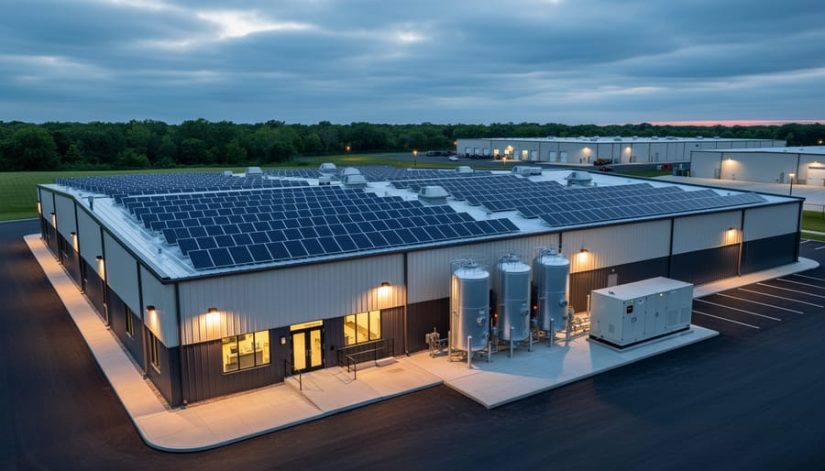
Why Hydrogen Could Power Your Business When the Sun Doesn’t Shine
Solar panels harvest energy brilliantly during sunny Illinois afternoons, but what happens when clouds roll in or night falls? This is where hydrogen steps onto the renewable energy stage as a game-changing storage solution. Unlike batteries with limited capacity, hydrogen can store massive amounts of renewable energy for weeks or even months, transforming excess solar power into a fuel that’s available exactly when you need it.
Hydrogen deserves your attention because it solves renewable energy’s biggest challenge: intermittency. When your solar installation produces more electricity than you can use, that surplus energy can split water into hydrogen and oxygen through electrolysis. Store that hydrogen, and you’ve created a clean fuel that generates zero emissions when converted back to electricity, leaving only water vapor behind.
For Illinois homeowners and businesses already investing in solar, hydrogen represents the next frontier. It complements your existing renewable infrastructure by providing reliable backup power during extended cloudy periods or peak demand times. Industries requiring consistent, high-temperature heat—like manufacturing facilities across our state—find hydrogen particularly valuable since it delivers energy solar panels alone cannot provide.
The technology isn’t distant future speculation. Hydrogen fuel cells already power vehicles, buildings, and industrial operations. As production costs decrease and infrastructure expands, hydrogen is becoming an increasingly practical option for anyone serious about comprehensive renewable energy solutions that work year-round in Illinois’s variable climate.
The Energy Storage Problem Solar Can’t Solve Alone
Solar panels deliver clean, affordable electricity—but only when the sun is shining. This fundamental limitation creates a significant challenge for anyone relying entirely on solar energy. In Illinois, this challenge becomes even more pronounced due to our seasonal climate patterns and variable weather conditions.
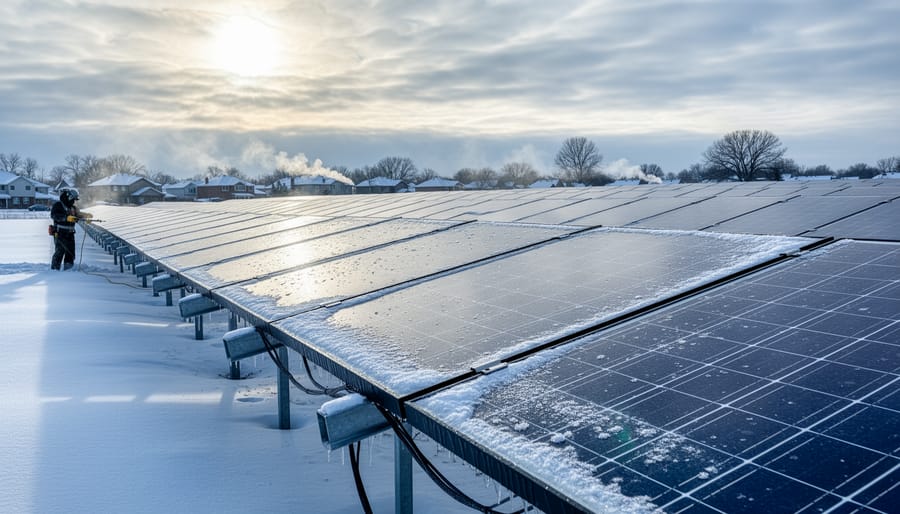
During summer months, solar systems generate abundant energy when the sun is high and days are long. However, winter brings shorter days, lower sun angles, and frequent cloud cover that dramatically reduces solar output. Illinois property owners experience these solar production limitations firsthand, often seeing production drop by 50% or more during December and January compared to peak summer months.
Traditional battery storage systems can help bridge the gap during nighttime hours, but they’re not designed for long-term, seasonal energy storage. Most lithium-ion batteries are effective for storing energy for hours or a few days at most. When you need to store surplus summer energy to use during the darker winter months, conventional batteries become impractical due to their limited capacity and inevitable energy loss over extended periods.
This is where hydrogen emerges as a game-changing solution. Hydrogen can store massive amounts of energy for weeks or months without significant losses. During periods of high solar production, excess electricity can convert water into hydrogen through electrolysis. That hydrogen remains stable and ready to generate electricity when solar production drops—whether that’s during a week of cloudy weather or throughout the winter season. For Illinois property owners and businesses investing in renewable energy, hydrogen represents a practical way to maximize the value of solar installations while ensuring reliable, year-round clean energy availability.
What Makes Hydrogen a Renewable Energy Resource
How Green Hydrogen Works
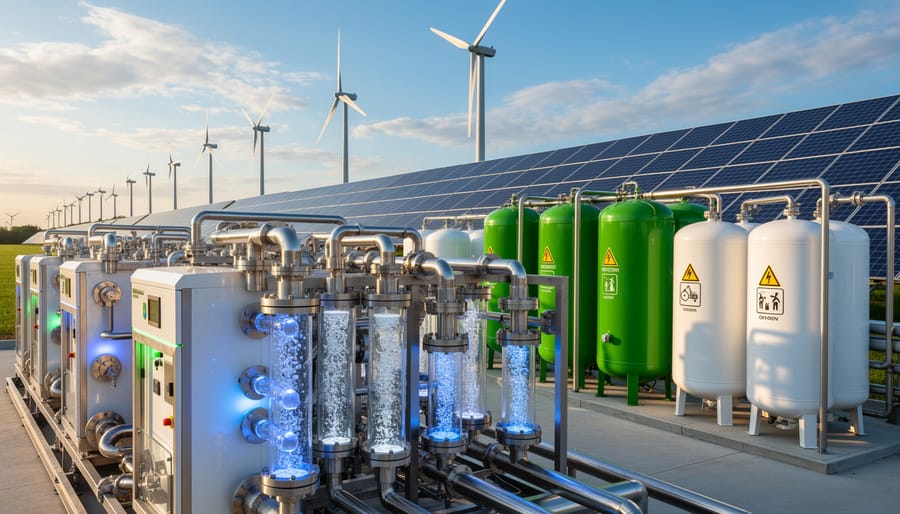
Understanding how green hydrogen production works is surprisingly straightforward. The process centers on electrolysis, a method that uses electricity to split water molecules into their basic components: hydrogen and oxygen.
Here’s how it works in practice. When renewable electricity—such as power generated from solar panels—flows through an electrolyzer filled with water, it triggers a chemical reaction. The electrical current separates the hydrogen atoms from the oxygen atoms. The hydrogen gas is then captured and stored for future use, while the oxygen is released harmlessly into the atmosphere.
What makes this process particularly valuable for Illinois homeowners and businesses with solar installations is the ability to use excess energy productively. During peak sunlight hours, your solar panels often generate more electricity than you can immediately use. Instead of sending this surplus power back to the grid at minimal compensation, that excess solar energy can power the electrolysis process, creating hydrogen fuel for later use.
The beauty of this system lies in its simplicity and clean operation. When the entire process runs on renewable electricity, the only byproducts are hydrogen, oxygen, and water vapor—no carbon emissions or harmful pollutants. This makes hydrogen production an ideal complement to existing solar infrastructure, transforming intermittent solar energy into a storable, versatile fuel that can be used whenever needed.
Why Hydrogen Stores Energy Better Than Batteries
While battery systems excel at short-term energy storage, hydrogen offers distinct advantages for different applications. Understanding these differences helps businesses and homeowners choose the right energy storage solution for their needs.
Batteries are ideal for daily energy cycling—storing solar power during the day and releasing it at night. However, they face limitations in three key areas where hydrogen shines: storage duration, capacity, and space efficiency.
For seasonal storage, hydrogen outperforms batteries significantly. In Illinois, where solar production peaks in summer but heating demand peaks in winter, hydrogen can store excess summer energy for months without degradation. Batteries lose charge over time and aren’t economical for this extended storage period.
When it comes to large-scale applications, hydrogen’s advantages become even clearer. A single hydrogen storage facility can hold energy equivalent to thousands of battery units, making it practical for industrial operations and utility-scale projects. The energy density of hydrogen means you can store more power in less physical space—a crucial factor for commercial properties with limited real estate.
Additionally, hydrogen doesn’t degrade with charge cycles like batteries do. While battery systems typically need replacement after 10-15 years of regular use, hydrogen storage infrastructure can operate for decades. This makes hydrogen particularly valuable for Illinois manufacturers and agricultural operations requiring reliable, long-term energy solutions that complement their existing solar investments.
Four Key Reasons Hydrogen Matters for Renewable Energy
Seasonal Energy Storage
Illinois experiences dramatic seasonal variations in solar energy production. During summer months, solar panels generate significantly more energy than winter, when shorter days and cloud cover reduce output by up to 50%. This creates a challenge for businesses and homeowners who need consistent energy throughout the year.
Hydrogen offers a practical solution to this seasonal mismatch. Hydrogen storage systems can capture excess solar energy produced during abundant summer months and store it for extended periods without significant loss. This stored energy can then power your operations during Illinois winters when solar production drops.
For businesses with year-round energy demands, this seasonal storage capability is particularly valuable. Manufacturing facilities, warehouses, and commercial operations can maintain stable energy costs and reliable power supply regardless of weather conditions. Rather than relying entirely on the grid during low-production months, you can draw from hydrogen reserves created during peak solar seasons. This approach maximizes your solar investment while ensuring energy independence throughout the year.
Grid Stabilization and Backup Power
One of hydrogen’s most practical applications is providing consistent, reliable power when and where it’s needed most. Hydrogen fuel cells serve as excellent backup power systems during electrical grid outages, offering a cleaner alternative to traditional diesel generators. Unlike batteries that gradually discharge, hydrogen fuel cells can operate continuously as long as fuel is available, making them ideal for critical facilities like hospitals, data centers, and manufacturing operations.
Beyond emergency backup, hydrogen plays a vital role in grid stabilization during peak demand periods. When Illinois experiences extreme weather—sweltering summer afternoons or frigid winter evenings—electricity demand surges dramatically. Hydrogen fuel cells can quickly ramp up to meet these peak loads, reducing strain on the electrical grid and preventing brownouts or blackouts. This capability becomes increasingly important as more renewable energy sources come online, since hydrogen can fill the gaps when solar production drops in the evening just as demand increases.
For businesses and homeowners investing in renewable energy systems, hydrogen represents a complementary technology that addresses reliability concerns. While your solar panels generate clean electricity during the day, hydrogen systems ensure you have dependable power around the clock, creating a truly resilient energy solution.
Clean Transportation Fuel
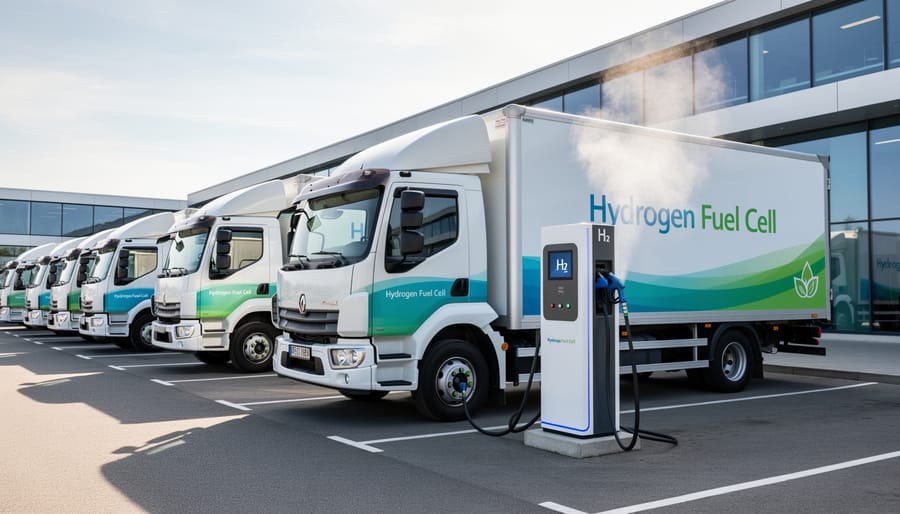
For Illinois businesses operating vehicle fleets and heavy equipment, hydrogen offers a practical solution to reduce emissions without sacrificing performance. Unlike battery-electric options that require lengthy charging times and have limited range, hydrogen fuel cell vehicles can refuel in minutes and travel longer distances—making them ideal for commercial trucks, delivery vans, and construction machinery that need consistent uptime.
The technology works by converting hydrogen into electricity through a fuel cell, with water vapor as the only emission. This makes hydrogen particularly valuable for industries like construction, manufacturing, and logistics where heavy-duty equipment operates throughout long shifts. Major manufacturers including Toyota, Hyundai, and Nikola are already producing hydrogen-powered commercial vehicles, with refueling infrastructure expanding across the Midwest.
For Illinois business owners, this presents an opportunity to future-proof their operations. As emissions regulations tighten and sustainability becomes increasingly important to clients and partners, hydrogen-powered fleets demonstrate environmental commitment while maintaining operational efficiency. The technology integrates well with existing renewable energy investments, as excess solar power can produce hydrogen through electrolysis, creating a complete clean energy ecosystem for forward-thinking companies.
Industrial Applications and Heat Generation
Illinois manufacturers and large facilities face a significant challenge: many industrial processes require extremely high temperatures that electricity alone can’t efficiently provide. This is where hydrogen emerges as a game-changing solution. Industries like steel production, glass manufacturing, and chemical processing traditionally rely on natural gas to generate heat exceeding 1,000 degrees Fahrenheit. Hydrogen can directly replace natural gas in these applications without requiring complete equipment overhauls.
For Illinois businesses, this transition means maintaining production capabilities while dramatically reducing carbon emissions. Hydrogen burns cleanly, producing only water vapor as a byproduct, making it ideal for facilities looking to meet environmental regulations and sustainability goals. Large commercial buildings can also use hydrogen for heating systems, offering a renewable alternative to conventional natural gas furnaces.
The practical advantage for Illinois manufacturers is particularly compelling: hydrogen can be produced on-site using renewable electricity during off-peak hours, then stored and used when needed for high-temperature processes. This approach provides energy independence while supporting the state’s renewable energy objectives, creating a reliable pathway for heavy industry to transition away from fossil fuels without sacrificing operational efficiency.
How Hydrogen Fits Into Illinois’s Renewable Energy Future
Illinois is positioning itself as a significant player in the hydrogen economy, with initiatives that complement the state’s already robust solar infrastructure. The Illinois Hydrogen Economy Plan, launched in recent years, aims to establish the state as a hub for clean hydrogen production and distribution, leveraging its strategic location and existing energy infrastructure.
Several state-level policies support hydrogen development in Illinois. The Climate and Equitable Jobs Act includes provisions that recognize hydrogen’s role in achieving the state’s carbon reduction goals by 2050. This legislation creates pathways for integrating hydrogen into various sectors while maintaining the momentum of solar expansion that homeowners and businesses have already embraced.
For Illinois industries, hydrogen presents transformative opportunities. The state’s substantial manufacturing sector, particularly steel production and heavy equipment manufacturing, could benefit from hydrogen as a clean fuel alternative for high-temperature processes that electricity alone cannot easily power. Agriculture, another cornerstone of Illinois’s economy, may utilize hydrogen for fertilizer production and farm equipment operation, reducing carbon footprints while maintaining productivity.
Illinois is also home to several pilot projects exploring hydrogen production through electrolysis powered by renewable sources. This creates a perfect synergy with solar installations—excess solar energy generated during peak production hours can be converted into hydrogen for storage, addressing one of solar’s primary limitations.
The state’s extensive natural gas pipeline infrastructure provides an additional advantage. With modifications, these existing networks could transport hydrogen blends, reducing the need for entirely new infrastructure investments. This practical approach makes Illinois particularly well-suited for scaling hydrogen adoption alongside continued solar development, offering residents and businesses multiple pathways to participate in the clean energy transition while supporting local economic growth.
What This Means for Your Solar Investment
If you’ve already invested in solar energy or you’re considering it for your Illinois home or business, understanding hydrogen’s role can help you make smarter long-term decisions. While hydrogen infrastructure is still developing, planning with this technology in mind today could enhance your system’s future value and capabilities.
Your solar panels generate the most electricity during sunny midday hours, often producing more than you can immediately use. Currently, excess energy either goes back to the grid or gets stored in battery systems. As hydrogen infrastructure expands, you may eventually have the option to use surplus solar electricity to produce hydrogen through electrolysis. This hydrogen could serve as long-term energy storage, helping you maintain power during extended cloudy periods or winter months when solar production naturally decreases in Illinois.
When planning your solar installation now, consider sizing your system with future energy needs in mind. A slightly larger solar array than your current consumption requires could position you to take advantage of hydrogen production technologies as they become commercially available. Work with experienced local professionals who understand both current solar capabilities and emerging technologies.
For businesses with high energy demands or those operating year-round, keeping informed about hydrogen developments is particularly important. Industrial operations might benefit significantly from hydrogen’s ability to store large amounts of energy and provide consistent power regardless of weather conditions. Even if hydrogen integration is years away, designing flexible renewable energy systems today ensures you won’t need costly retrofits later. The renewable energy landscape is evolving, and staying informed helps protect and enhance your investment.
Hydrogen represents a promising piece of the renewable energy puzzle, but it’s important to view it as a complementary technology rather than a replacement for proven solutions like solar energy. While hydrogen technology continues to develop and scale, solar remains the most accessible and cost-effective renewable option for Illinois property owners today. The beauty of the renewable energy landscape is that these technologies can work together—solar panels can generate clean electricity during the day while hydrogen systems potentially store that energy for later use.
For homeowners and businesses in Illinois considering renewable energy investments, the key takeaway is that hydrogen’s potential shouldn’t distract from the immediate benefits solar energy offers right now. Solar technology is mature, affordable, and delivers measurable returns on investment through reduced energy bills and increased property values. As hydrogen infrastructure develops in Illinois and nationwide, it may create additional opportunities to enhance your renewable energy system.
Making informed decisions about renewable energy requires understanding both current technologies and emerging innovations. Consulting with renewable energy experts who understand Illinois-specific conditions, incentives, and regulations ensures you’re choosing solutions that align with your goals and budget. A comprehensive approach considers your unique energy needs, property characteristics, and long-term sustainability objectives, helping you invest wisely in renewable energy solutions that deliver real value today while remaining adaptable for tomorrow’s advancements.
