
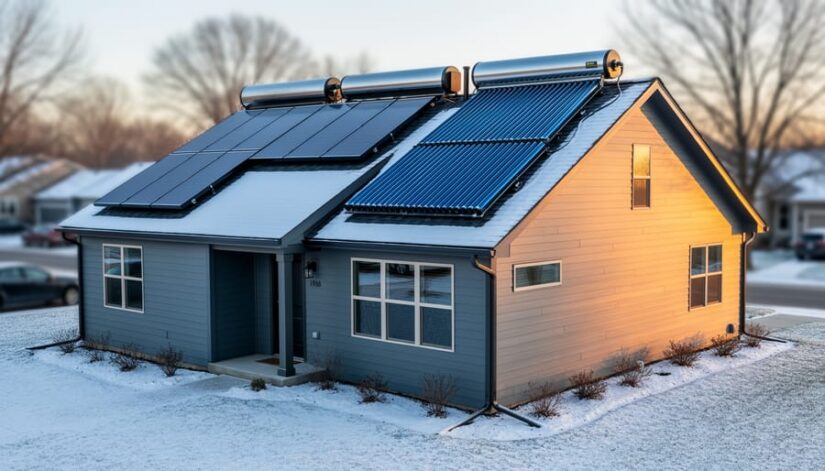
Why Thermal Energy Keeps Working When Other Sources Stop
The answer is nuanced: thermal energy itself isn’t renewable, but the sources that generate it can be. When you capture heat from the sun, earth, or other naturally replenishing sources, you’re harnessing renewable thermal energy. Conversely, burning fossil fuels produces thermal energy that’s decidedly non-renewable.
Understanding this distinction matters for Illinois property owners evaluating energy options. Thermal energy represents heat in motion, transferring from warmer to cooler objects. In renewable systems, this heat comes from inexhaustible sources like solar radiation warming panels or geothermal wells tapping Earth’s constant underground temperatures.
Solar thermal systems exemplify renewable thermal energy in action. These installations absorb sunlight to heat water or air for residential and commercial use, reducing reliance on natural gas or electric heating. The sun continuously provides energy, making the thermal output genuinely renewable. Similarly, geothermal heat pumps extract stable underground temperatures to warm buildings in winter and cool them in summer.
For Midwest homeowners and businesses, renewable thermal technologies offer practical benefits beyond environmental stewardship. They provide predictable energy costs, reduced utility bills, and independence from fossil fuel price volatility. As a locally owned company with solar energy expertise, we’ve seen firsthand how Illinois properties benefit from combining photovoltaic panels with thermal applications.
The key takeaway: thermal energy’s renewable status depends entirely on its source. Natural, replenishing origins make it sustainable; finite fuel combustion doesn’t. This article explores how thermal energy fits into renewable systems and what options work best for Illinois properties.
What Makes Energy ‘Renewable’ in the First Place
To understand whether thermal energy is renewable, we first need to clarify what makes any energy source “renewable” in the first place. The term can be confusing because it’s often applied loosely, but there’s a specific framework that defines it.
Renewable energy refers to power derived from natural sources that replenish themselves on a human timescale. The key distinction here is between the energy source and the energy itself. Renewable energy sources include sunlight, wind, moving water, and geothermal heat from the Earth’s core. These sources naturally regenerate faster than we can deplete them.
In contrast, non-renewable sources like coal, oil, and natural gas took millions of years to form and exist in finite quantities. Once burned, they’re gone. The renewable classification isn’t about the energy itself, which according to physics can neither be created nor destroyed, but rather about the sustainability of the source generating that energy.
For homeowners and businesses in Illinois considering energy options, understanding this distinction matters because it affects long-term availability and environmental impact. When we talk about renewable energy systems, we’re discussing technologies that harness these naturally replenishing sources. Solar panels, for example, capture sunlight that arrives daily without depletion.
Three criteria typically define a renewable energy source: it must naturally replenish within a reasonable timeframe, its use shouldn’t permanently diminish the source, and it should be sustainable over the long term. This framework helps us evaluate different energy types, including thermal energy, which brings us to an important question about heat and its relationship to these renewable principles.
Understanding Thermal Energy in Renewable Systems
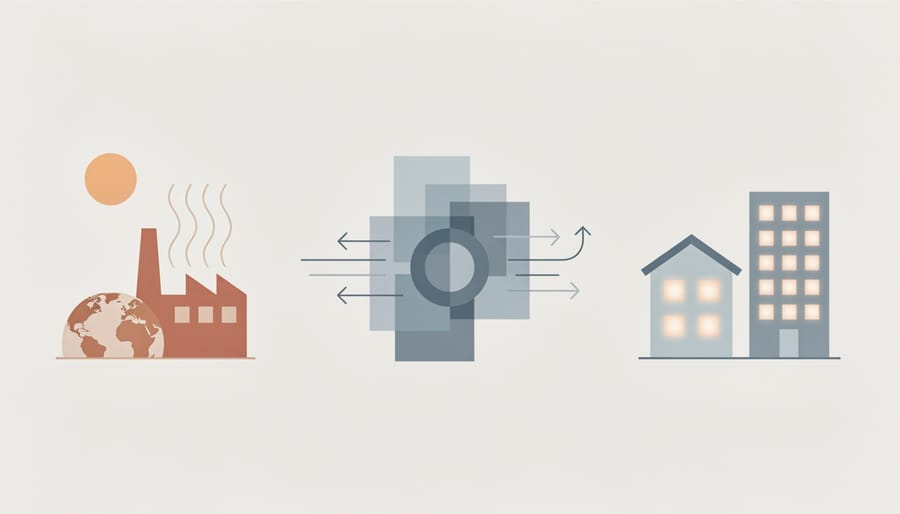
Where Thermal Energy Comes From
Thermal energy in renewable systems comes from several natural and sustainable sources. The most abundant source is solar thermal energy, which captures heat directly from the sun rather than converting it to electricity. Solar thermal systems use collectors to absorb sunlight and transfer that heat to water or air for immediate use in homes and businesses. This makes them highly efficient for applications like water heating and space heating.
Geothermal energy taps into the Earth’s natural heat stored beneath the surface. This consistent underground temperature remains stable year-round, making it a reliable renewable thermal source for heating and cooling systems. In Illinois, ground-source heat pumps use this principle to maintain comfortable indoor temperatures efficiently.
Waste heat recovery represents another renewable thermal source by capturing excess heat from industrial processes, power generation, or even building ventilation systems. Instead of letting this energy escape, recovery systems redirect it for useful purposes like preheating water or warming buildings.
Biomass combustion also generates thermal energy renewably when organic materials like wood pellets or agricultural waste are burned responsibly. Each of these sources provides clean, sustainable thermal energy that reduces dependence on fossil fuels while meeting practical heating needs for Illinois properties.
How Thermal Energy Harvesting Actually Works
Thermal energy harvesting captures heat from natural sources and converts it into usable power for homes and businesses. The most common and practical application in Illinois involves solar thermal systems, which work differently from traditional solar panels.
Solar thermal collectors absorb sunlight and convert it directly into heat rather than electricity. Flat-plate collectors, the most widely used type, contain dark-colored absorber plates that capture solar radiation. As sunlight strikes these plates, the absorbed energy heats a fluid (typically water or a water-glycol mixture) flowing through tubes attached to the plates. This heated fluid then transfers its thermal energy to your building’s water heating system or space heating needs.
In Illinois, where heating demands are significant during colder months, solar thermal systems can reduce conventional energy consumption by preheating water before it reaches your standard water heater. This means your existing system uses less electricity or natural gas to reach desired temperatures.
Evacuated tube collectors offer another approach, using vacuum-sealed glass tubes to minimize heat loss in colder weather. These perform especially well during Illinois winters when temperatures drop but sunlight remains available. The vacuum insulation allows them to maintain efficiency even when outdoor temperatures fall below freezing, making them a practical choice for year-round thermal energy harvesting in our climate.
The Renewable Status of Thermal Energy: A Straight Answer
The short answer is: it depends on the source. Thermal energy itself isn’t inherently renewable or non-renewable. Instead, it’s a form of energy that transfers heat from one place to another. What matters is where that heat comes from.
Think of thermal energy like electricity flowing through your home’s wiring. The electricity isn’t renewable or non-renewable on its own. What determines its environmental impact is how it was generated. Was it from coal, natural gas, solar panels, or wind turbines? The same logic applies to thermal energy.
When thermal energy comes from renewable sources, it’s considered renewable. These sources include solar thermal systems that capture the sun’s heat, geothermal energy from the Earth’s natural heat, and biomass heating from organic materials. For Illinois homeowners and businesses, solar thermal systems offer a particularly practical option. These systems use the sun’s abundant energy to heat water or air for your property, providing a clean and sustainable alternative.
On the other hand, thermal energy generated by burning fossil fuels like coal, oil, or natural gas is not renewable. These sources deplete finite resources and release carbon emissions into the atmosphere. Traditional furnaces and boilers that rely on these fuels create thermal energy, but they contribute to environmental challenges.
Understanding this distinction helps you make informed decisions about your property’s energy systems. If you’re considering renewable thermal energy solutions, you’re looking at technologies that harness naturally replenishing sources. Solar thermal collectors, for instance, can supplement or even replace conventional water heaters in Illinois homes, reducing both your carbon footprint and utility costs.
The key takeaway is simple: thermal energy’s renewable status depends entirely on its origin. By choosing systems powered by the sun, Earth, or sustainable biomass, you’re investing in genuinely renewable thermal energy that benefits both your property and the environment.
Thermal Energy Harvesting Technologies You Can Use Today
Solar Thermal Systems
Solar thermal systems offer one of the most straightforward ways to harness renewable thermal energy from the sun. Unlike photovoltaic panels that generate electricity, solar thermal technology directly captures the sun’s heat and transfers it to a working fluid, typically water or a specialized antifreeze solution.
The basic principle is simple: dark-colored collector panels absorb sunlight and convert it into heat. This heat warms the fluid circulating through tubes within the panels. The heated fluid then flows to a storage tank or directly into your property’s heating system. In Illinois, where heating demands are significant during colder months, this technology provides practical year-round benefits.
For residential applications, solar thermal systems excel at water heating. A typical installation can provide 50-80% of a household’s hot water needs, significantly reducing energy bills. The system works even on cloudy days, though efficiency increases with direct sunlight. Commercial properties benefit similarly, with larger systems supporting space heating, pool heating, and industrial processes requiring consistent hot water.
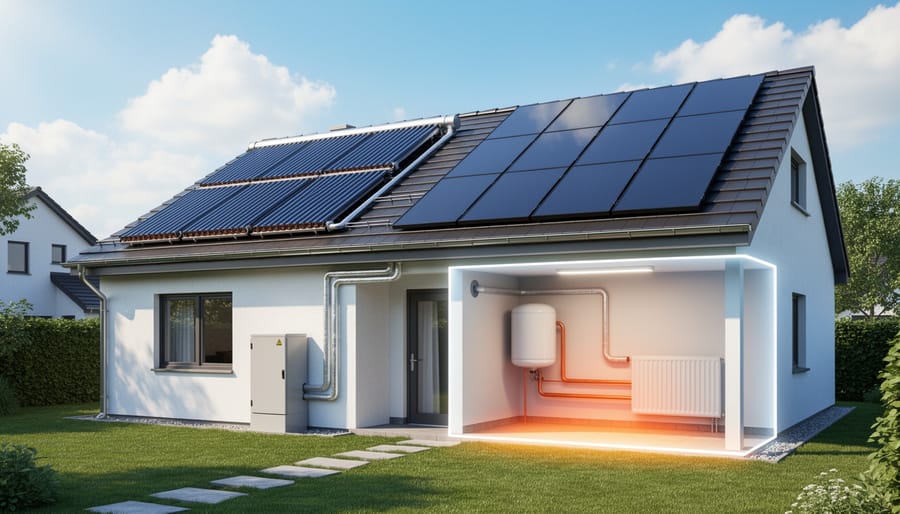
Modern solar thermal installations integrate seamlessly with existing heating infrastructure. Many Illinois solar installations now combine both thermal and photovoltaic technologies, maximizing roof space efficiency. The systems require minimal maintenance and typically last 20-30 years, making them a reliable renewable energy investment. For Illinois property owners, solar thermal represents an accessible entry point into renewable energy adoption, offering immediate cost savings while reducing dependence on fossil fuels for heating needs.
Geothermal Heat Pumps and Ground Source Systems
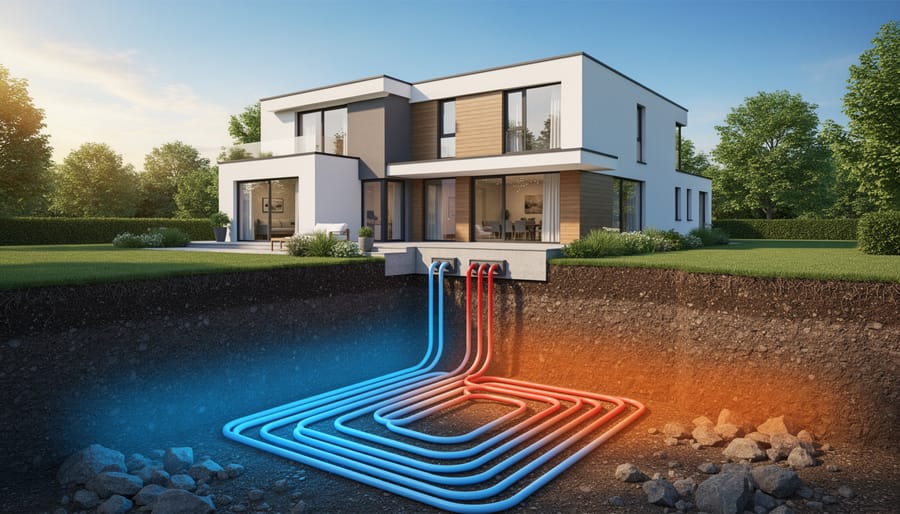
Geothermal heat pumps offer Illinois property owners a reliable way to harvest renewable thermal energy stored beneath the earth’s surface. Unlike conventional heating and cooling systems that generate heat, these ground source systems transfer existing thermal energy between your building and the ground, making them remarkably efficient even during harsh Midwest winters.
The technology works by circulating fluid through pipes buried 6-10 feet underground, where temperatures remain a constant 50-55 degrees Fahrenheit year-round in Illinois. In winter, the system extracts warmth from the ground to heat your building. During summer, it reverses the process, depositing excess heat back into the earth to cool your space. This heat transfer process uses significantly less electricity than traditional HVAC systems because you’re moving heat rather than creating it.
For Illinois homeowners and businesses, geothermal systems typically reduce heating costs by 30-60% and cooling costs by 20-50% compared to conventional systems. They work particularly well in our climate because the consistent underground temperatures provide stable performance regardless of surface weather conditions. The systems last 25-50 years with minimal maintenance, making them a solid long-term investment.
Common applications include residential heating and cooling, agricultural operations needing climate control, and commercial buildings seeking sustainable solutions. While the upfront installation costs run higher than conventional systems, federal tax credits and Illinois energy incentives help offset expenses. When combined with solar panels to power the heat pump, you create an entirely renewable heating and cooling solution for your property.
How Thermal Energy Fits Into Your Solar System
When most people think about solar energy systems, they focus on photovoltaic panels converting sunlight into electricity. However, thermal energy plays a surprisingly important role in how your solar system performs and how you can maximize its benefits.
Solar panels actually generate significant heat during operation. This thermal energy can work against you if not managed properly, since excessive heat reduces solar panel efficiency. For every degree Celsius above 25°C, typical panels lose about 0.5% of their efficiency. In Illinois summers, this can mean noticeable performance drops during peak heat.
This is where smart thermal management becomes valuable. Some innovative systems incorporate cooling mechanisms that capture the waste heat from panels while improving their electrical output. This hybrid approach transforms what would be lost energy into usable thermal energy for heating water or building spaces.
For property owners considering solar installations, understanding this relationship matters practically. Proper ventilation and mounting systems that allow air circulation beneath panels help manage heat buildup naturally. During Illinois winters, the thermal mass of rooftop panels can even provide slight insulation benefits to buildings below.
Hybrid photovoltaic-thermal systems take this concept further by intentionally harvesting heat from panels. While these remain less common in residential applications, they demonstrate how thermal and electrical energy generation complement each other in renewable systems. The captured thermal energy can feed into radiant heating systems or domestic hot water supplies.
As a locally owned solar provider, we help Illinois property owners optimize both the electrical and thermal aspects of their solar investments. This includes proper system design that accounts for seasonal temperature variations and integration with energy storage solutions that maximize your renewable energy benefits year-round. Understanding how thermal energy interacts with your solar system ensures you get the most efficient, cost-effective installation possible for Illinois conditions.
The Real-World Benefits for Illinois Properties
For Illinois property owners, thermal energy harvesting offers tangible benefits that directly impact your bottom line and energy independence. Understanding these advantages helps you make informed decisions about renewable energy investments for your home or business.
Cost savings represent one of the most compelling benefits. Geothermal heat pumps, which harness thermal energy from the ground, can reduce heating costs by 30-60% compared to conventional furnaces. The ground maintains a relatively stable temperature year-round in Illinois, typically between 50-60°F just below the frost line. This consistency means your system works efficiently whether it’s a scorching July afternoon or a frigid January morning, providing reliable year-round energy availability.
Beyond immediate savings, thermal energy systems significantly reduce your dependence on natural gas and electricity from the grid. For Illinois businesses facing rising utility costs, this stability provides predictable operating expenses and protection against price fluctuations. Homeowners appreciate knowing their heating and cooling costs won’t spike unexpectedly during extreme weather events.
The systems also require minimal maintenance compared to traditional HVAC equipment. With fewer mechanical components exposed to outdoor elements, geothermal systems typically last 25 years or more, with ground loops lasting over 50 years. This longevity translates to fewer replacement costs and consistent performance over decades.
When combined with solar energy installations, thermal systems create a comprehensive renewable energy solution. Solar panels generate electricity while thermal systems handle heating and cooling efficiently. This pairing maximizes your property’s energy independence while minimizing environmental impact. As a locally owned company with expertise in solar energy, we help Illinois property owners integrate these complementary technologies for optimal results.
What to Consider Before Adding Thermal Energy Harvesting
Before investing in thermal energy harvesting for your Illinois property, several key factors deserve careful evaluation to ensure you make the right decision for your specific situation.
Illinois climate plays a significant role in thermal energy performance. Our state experiences cold winters and warm summers, creating distinct seasonal variations in heating and cooling demands. Ground-source heat pumps work exceptionally well here because ground temperatures remain relatively stable year-round, typically around 50-55 degrees Fahrenheit below the frost line. Solar thermal systems can be productive during our sunny seasons but may require supplemental heating during extended cloudy winter periods.
Upfront costs represent a substantial consideration. Ground-source heat pump installations typically range from $15,000 to $30,000 for residential properties, depending on system size and property characteristics. Solar thermal systems generally cost less, averaging $8,000 to $12,000 for domestic hot water applications. While these numbers may seem high, various federal tax credits and Illinois-specific incentives can significantly reduce your initial investment.
Payback periods vary based on your current energy costs and system efficiency. Most thermal energy harvesting systems pay for themselves within 7 to 15 years through reduced utility bills. Properties with higher heating and cooling demands typically see faster returns on investment.
Integration with existing systems requires professional assessment. Many thermal energy solutions work alongside conventional HVAC equipment or can complement existing solar photovoltaic installations. A locally owned renewable energy expert can evaluate your property’s unique characteristics, including available space, soil conditions for geothermal systems, roof orientation for solar thermal, and your current energy infrastructure. This professional guidance ensures you select the most practical and cost-effective thermal energy solution for your Illinois property.
So, is thermal energy renewable? The answer is yes, when it comes from natural, replenishing sources like the sun, earth’s core, or biomass. Understanding this distinction is crucial for anyone considering energy solutions for their home or business. While thermal energy itself is simply heat that can come from various sources, the renewable aspect depends entirely on where that heat originates.
For Illinois property owners, this knowledge opens doors to practical applications. Solar thermal systems harness the sun’s abundant energy to heat water and spaces efficiently. Geothermal systems tap into the earth’s consistent underground temperatures for year-round climate control. These technologies represent smart investments that reduce utility costs while supporting environmental sustainability.
The key takeaway is that thermal energy becomes a renewable resource when harvested from sustainable sources. Whether you’re a homeowner looking to reduce heating bills or a business owner seeking to improve your facility’s energy efficiency, thermal energy solutions offer tangible benefits. As a locally owned company with expertise in solar energy, we understand the unique climate challenges and opportunities that Illinois presents. We’re committed to helping our community explore the full range of renewable energy options that make sense for their specific needs.
Taking the first step toward renewable thermal energy doesn’t have to be complicated. Start by evaluating your property’s energy consumption patterns and considering which thermal energy harvesting methods align with your goals. The transition to renewable thermal energy is an investment in both your financial future and our shared environment.
