
Why Your Roof Needs Protection Before Solar Panels Go On
Illinois weather demands serious consideration when installing solar panels—our climate swings from humid 90-degree summers to sub-zero winters with heavy snow loads, ice dams, and driving rain. Your roof must withstand these extremes for the 25-30 year lifespan of your solar array, making proper thermal and moisture protection not optional, but essential.
Solar panels create unique roofing challenges that many property owners don’t anticipate. The panels themselves can trap moisture underneath, creating condensation problems during temperature fluctuations. Mounting hardware penetrates your roof’s protective barrier, potentially creating leak pathways if not properly sealed. During winter, snow melt-and-freeze cycles around mounting points can force water beneath shingles, while summer heat buildup under panels can accelerate roof deterioration.
Without adequate protection, you risk costly damage that undermines your solar investment. Water infiltration leads to structural decay, mold growth, and insulation damage. Thermal stress can cause premature shingle failure. These problems often go undetected until significant damage occurs because the panels hide the affected areas from routine inspection.
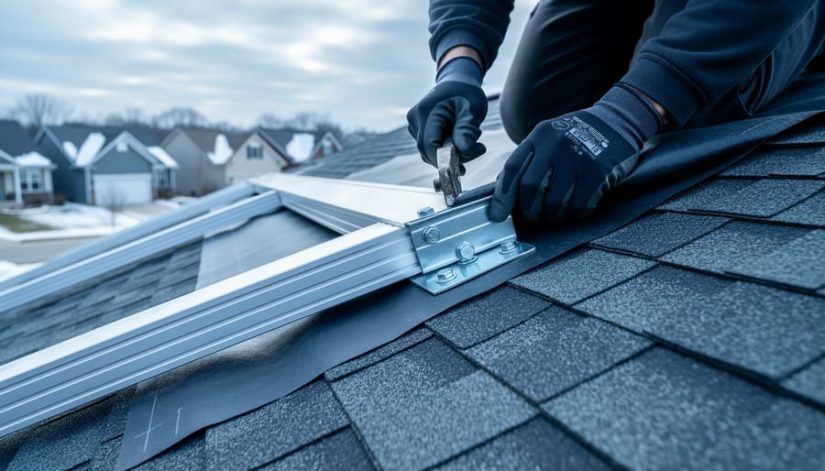
The solution lies in comprehensive barrier systems installed before your array goes up—high-quality waterproof membranes, proper flashing around all penetrations, thermal break materials, and strategic ventilation. Professional installation ensures these protection layers work together as an integrated system, not just individual components. When done correctly, your roof remains protected throughout your solar system’s entire operational life, preserving both your property value and your renewable energy investment.
The Double Threat: Heat and Water Damage Beneath Solar Arrays
How Solar Panels Change Your Roof’s Environment
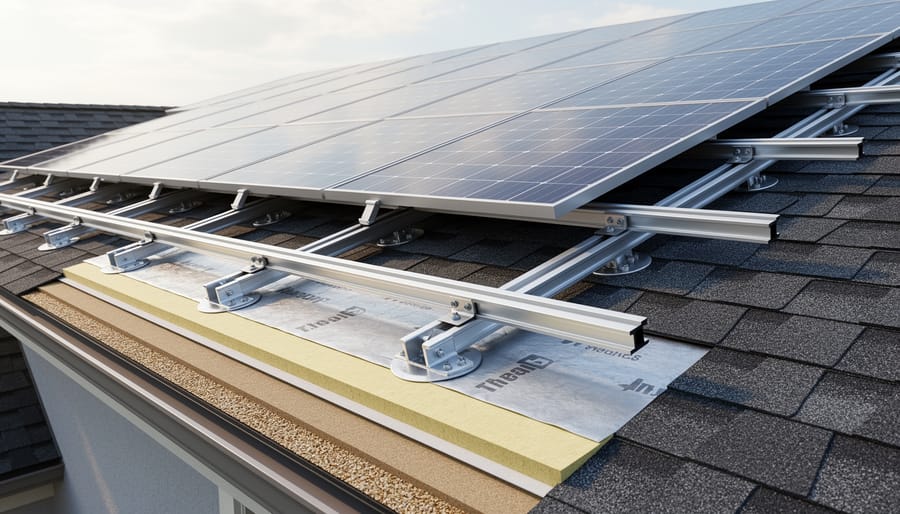
When solar panels are installed on your roof, they create a distinct microclimate in the space between the panels and your roofing material. Understanding this environment is essential for protecting your investment and maintaining your roof’s integrity, especially given Illinois’s diverse weather conditions.
Solar panels act as an additional layer above your roof, affecting both temperature and moisture levels beneath them. During sunny days, panels absorb heat and can raise temperatures in the space below, while simultaneously shading the roof surface. This creates a unique situation where certain areas experience temperature swings that differ from exposed roofing sections. In Illinois, where summer temperatures can reach the high 80s and 90s, this trapped heat becomes particularly significant.
The real challenge comes with moisture accumulation. Illinois experiences considerable humidity throughout the year, along with frequent rain, snow, and freeze-thaw cycles. When warm, moist air becomes trapped beneath solar arrays, it can lead to condensation, especially during cooler evenings or seasonal transitions. Winter presents additional concerns, as snow melt from panels can create moisture pockets that refreeze, potentially causing ice dams or water infiltration.
The gap between panels and roofing also affects airflow patterns. Proper ventilation becomes crucial to prevent moisture buildup that could lead to mold growth, wood rot, or deteriorated roofing materials. Without adequate protection measures, this microclimate can compromise your roof’s lifespan and the structural integrity supporting your solar investment. Understanding these environmental factors helps ensure appropriate protective systems are implemented during installation.
What Happens When Protection Fails
When thermal and moisture protection systems fail beneath your solar array, the consequences can be both costly and extensive. Understanding these risks helps Illinois property owners make informed decisions about proper installation from the start.
Moisture infiltration is often the first problem to emerge. Without adequate protection, water can seep through mounting penetrations and compromised roof membranes, leading to saturated insulation. Wet insulation loses its thermal resistance, causing your heating and cooling costs to spike during Illinois’s extreme seasonal temperature swings. Over time, trapped moisture creates an environment for mold growth and structural wood rot within your roof deck.
The roof membrane itself deteriorates faster when exposed to thermal cycling without proper protection. Temperature fluctuations beneath solar panels can be significant, particularly in our climate where summer temperatures exceed 90°F and winter conditions drop below freezing. This constant expansion and contraction weakens roofing materials, causing premature cracking, splitting, and general degradation. What should have been a 20-year roof may need replacement in just 10 years.
Your solar system’s performance also suffers. Compromised roof structure can shift panel positioning, reducing energy production efficiency. In severe cases, water damage may require removing the entire solar array to repair the underlying roof, an expensive process that could have been avoided. These are common ways solar panels damage roofs when protection measures are overlooked during installation.
Working with experienced local solar installers who understand Illinois-specific weather challenges ensures proper thermal and moisture protection from day one, protecting both your roof and your investment.
Thermal Protection: Managing Heat Where Panels Meet Roof
Understanding Heat Buildup Under PV Systems
When solar panels are installed on your roof, they create an additional layer that can trap heat against your roofing materials. During sunny days, the space between the panels and your roof can become significantly warmer than the roof surface would be without solar installation. This trapped heat can reach temperatures 10 to 30 degrees higher than the ambient air temperature.
In Illinois, this heat buildup presents unique challenges due to our dramatic seasonal swings. Summer temperatures can push trapped heat well above 150 degrees Fahrenheit, while winter’s freeze-thaw cycles create moisture that can become trapped beneath arrays. These temperature differentials cause roofing materials to expand and contract repeatedly, potentially accelerating deterioration of shingles, membranes, and underlying structures.
The concern isn’t just about heat alone. When warm air meets cooler surfaces, condensation forms. Without proper ventilation and moisture barriers, this condensation can lead to water damage, mold growth, and premature roof failure. Illinois’s humid summers and cold winters make this moisture management particularly critical.
Understanding these thermal dynamics is the first step in protecting your investment. Proper thermal and moisture protection systems are designed specifically to address these challenges, ensuring your roof remains healthy throughout your solar system’s 25-plus year lifespan.
Protective Barriers and Ventilation Solutions
Creating effective thermal barriers beneath solar panels requires careful attention to both materials and installation techniques. The key to protecting your Illinois property lies in establishing proper air circulation while managing heat transfer.
A critical component is maintaining adequate air gap spacing between your roof surface and the solar panels. Industry standards recommend a minimum 4 to 6-inch air gap, which allows heat to dissipate naturally through convection. This spacing prevents heat buildup that could damage roofing materials and reduces thermal transfer into your building.
Reflective underlayments provide an additional layer of protection by bouncing radiant heat away from the roof deck. These specialized membranes are installed during the mounting process and work particularly well in Illinois, where summer temperatures can push roof surfaces well above 150 degrees Fahrenheit. The reflective surface helps keep your roof cooler, extending its lifespan while improving overall energy efficiency.
Proper ventilation strategies are equally important. Ridge vents, soffit vents, and strategic panel placement ensure continuous airflow beneath the array. This circulation prevents moisture accumulation during Illinois’s humid summers and reduces condensation during cold winters. Your solar installation team should design the ventilation system to work harmoniously with your existing roof ventilation.
Modern mounting systems incorporate these protective features by design, using standoff brackets that create consistent air gaps and allowing for natural ventilation pathways. When professionally installed, these systems protect your investment while maximizing your solar array’s performance. Working with experienced local installers ensures these protective barriers are properly implemented for Illinois’s unique climate conditions.
Moisture Management: Keeping Water Away from Your Structure
Illinois Weather Challenges: Rain, Snow, and Ice
Illinois experiences some of the most diverse weather conditions in the country, which creates unique challenges for moisture management beneath solar arrays. The state receives an average of 36-40 inches of precipitation annually, including heavy spring rains, intense summer thunderstorms, and significant winter snowfall that can accumulate on panels and eventually melt.
The freeze-thaw cycles common during Illinois winters present particular concerns. As temperatures fluctuate above and below freezing, moisture can penetrate small cracks or gaps in roofing materials, then expand when it freezes, causing progressive damage over time. This cycle repeats dozens of times each winter, potentially compromising the integrity of protective barriers if they’re not properly designed and installed.
Humidity levels also play a significant role, especially during the muggy summer months when moisture can become trapped beneath solar panels. Without adequate ventilation and proper waterproofing systems, this trapped moisture can lead to condensation, which promotes mold growth and accelerates material deterioration. Understanding these weather-specific challenges is essential for Illinois property owners considering solar installations. A locally owned solar provider with expertise in Illinois conditions can design moisture protection systems that account for these regional weather patterns, ensuring your investment remains protected year-round.
Waterproofing Membranes and Flashing Systems
Waterproofing membranes form the first line of defense against moisture infiltration beneath solar arrays. These specialized materials include self-adhering modified bitumen sheets, rubberized asphalt membranes, and synthetic underlayments that create watertight barriers between your roof and the mounting hardware.
The integration process requires careful coordination. Waterproofing membranes must extend beyond mounting points and overlap with existing roof materials to prevent water from finding pathways through gaps. Professional installers apply these membranes in layers, ensuring continuous coverage across the entire array footprint.
Flashing systems work hand-in-hand with membranes to protect vulnerable areas. Metal or composite flashing pieces surround each roof penetration where mounting hardware anchors to your structure. These L-shaped or customized components channel water away from bolt holes and attachment points, directing moisture toward drainage pathways rather than allowing it to seep into your building.
Penetration points deserve special attention because they represent potential weak spots in your roof’s defense system. Each mounting bracket creates an opening where water could enter if not properly sealed. Illinois weather patterns, with freeze-thaw cycles and heavy rainfall events, can exploit even minor installation errors. That’s why experienced installers apply multiple protective layers at these critical junctions, combining mechanical flashing with sealants and membrane coverage to ensure long-term weathertight performance. Proper installation today prevents costly repairs tomorrow.
Drainage and Condensation Control
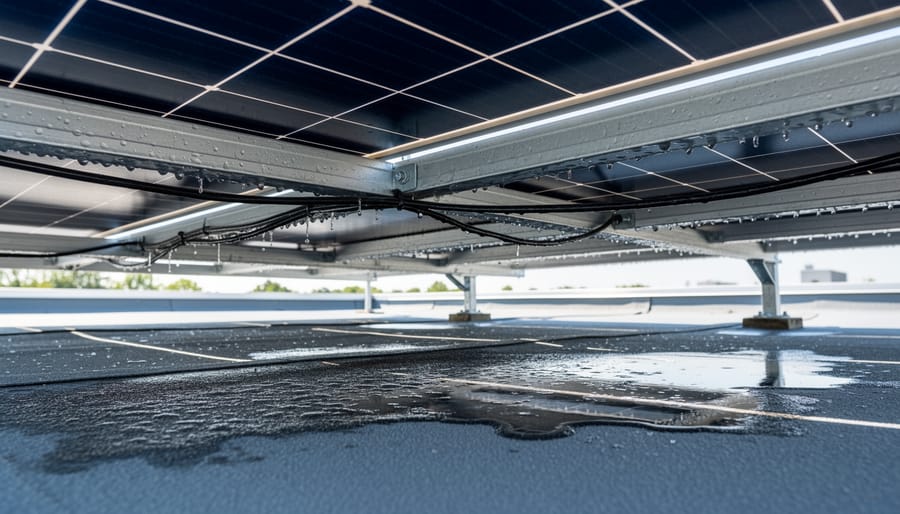
Water management beneath solar arrays is essential for protecting your Illinois property from costly damage. Solar panels can create new water flow patterns that lead to drainage issues if not properly addressed during installation.
Proper drainage design prevents water pooling by directing moisture away from vulnerable areas. This includes ensuring adequate roof slope (typically a minimum of 1/4 inch per foot) to facilitate water runoff and installing appropriate gutters and downspouts to handle increased water volume from panel surfaces.
Condensation management is equally important in Illinois’s humid climate. Temperature differences between panels and roofing materials can create condensation underneath arrays. Proper ventilation between panels and the roof surface allows air circulation, reducing moisture buildup. Vapor barriers and underlayment materials further protect against condensation damage.
Professional installers assess your roof’s existing drainage system and make necessary modifications to accommodate solar arrays, ensuring long-term moisture protection for your investment.
Pre-Installation Roof Assessment: What You Need to Know
Roof Condition and Lifespan Considerations
Before investing in solar panels, it’s essential to evaluate your roof’s current condition and remaining lifespan. Most solar arrays last 25-30 years, so your roof should be able to support them for that entire period without requiring replacement. A professional roof inspection should assess the age, material condition, and structural integrity of your existing roof.
If your roof is nearing the end of its expected lifespan—typically 15-20 years for asphalt shingles common in Illinois—consider replacing it before solar installation. Removing and reinstalling solar panels later adds significant costs, often $2,000-$5,000 or more. This makes coordinating roof replacement with solar installation much more cost-effective.
When planning these projects together, your roofing contractor and solar installer should work in sequence. Complete the roof replacement first, ensuring proper underlayment and moisture barriers are installed. Then, your solar installer can mount the array on a fresh, weatherproof surface. This approach maximizes both investments and ensures comprehensive protection.
Our locally owned team has expertise coordinating these projects for Illinois property owners, helping you avoid costly mistakes and ensuring your roof provides decades of reliable protection. Proper planning means preventing roof damage while maximizing your solar investment.
Identifying Existing Moisture or Thermal Issues
Before installing solar panels on your Illinois property, it’s essential to evaluate your roof’s current condition. Water damage often reveals itself through discolored ceiling spots, peeling paint, or musty odors in your attic space. During inspections, look for sagging areas or soft spots on the roof deck, which indicate moisture penetration that could compromise both your roof structure and future solar installation.
Inadequate insulation is another common issue, particularly in older Illinois buildings. Uneven heating or cooling, ice dams forming along roof edges during winter, or unusually high energy bills all suggest insufficient insulation. These problems won’t resolve themselves once solar panels are installed—in fact, they may worsen if not addressed beforehand.
Ventilation deficiencies present similar concerns. Poor attic airflow creates moisture buildup, leading to mold growth and premature roof deterioration. Check for blocked soffit vents, damaged ridge vents, or insufficient air circulation. In Illinois’ variable climate, proper ventilation becomes even more critical as temperature swings between seasons create condensation challenges.
Addressing these pre-existing conditions before your solar installation protects your investment and ensures your roof remains structurally sound for decades. Professional assessment identifies these issues early, preventing costly repairs later.
Installation Best Practices for Long-Term Protection
Proper Mounting and Sealing Techniques
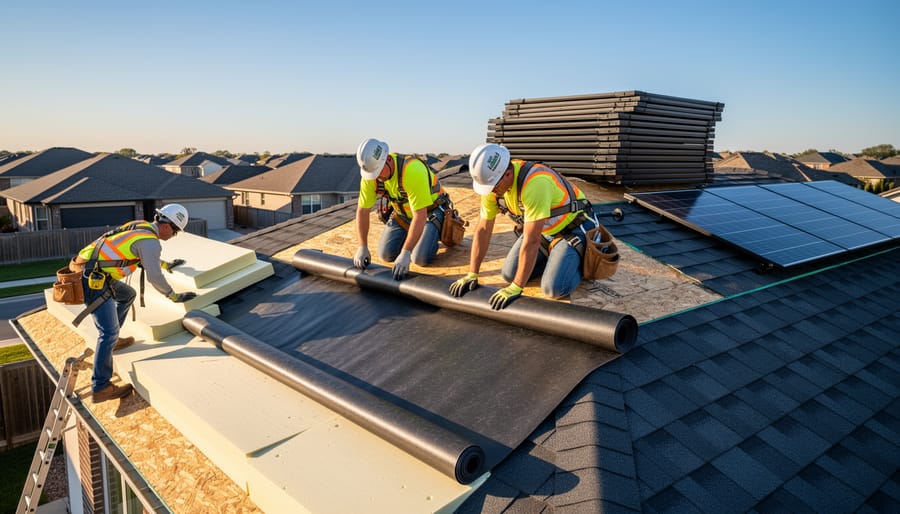
Professional solar installation requires careful attention to mounting techniques that protect your home or business from water damage. When installers attach racking systems to your roof, they create penetrations that must be properly sealed to maintain roof integrity.
Experienced installers use specialized flashing around each mounting point, creating a weathertight barrier that directs water away from penetrations. In Illinois, where freeze-thaw cycles can expand small gaps into significant problems, high-quality sealants rated for extreme temperature variations are essential. Professional-grade butyl or polyurethane sealants create flexible, long-lasting bonds that accommodate roof movement without cracking.
The mounting process typically involves locating roof rafters to ensure secure attachment points, then installing lag bolts with properly fitted flashing boots. Each penetration receives multiple layers of protection: the flashing itself, sealant beneath the flashing, and often an additional top seal. Some systems use waterproof underlayment extensions that integrate with your existing roof barrier.
Ballasted systems, which avoid roof penetrations entirely, offer an alternative for flat commercial roofs, though they require structural capacity verification. Regardless of method, proper installation by experienced professionals ensures your solar investment enhances your property without compromising its weather protection.
Quality Materials That Withstand Illinois Conditions
Illinois weather demands protection materials that can handle extreme temperature swings, heavy snow loads, and intense summer heat. When installing solar panels, choosing products rated for our local climate ensures long-term performance and prevents costly repairs.
High-quality underlayment materials like synthetic roofing felt or rubberized asphalt membranes provide superior moisture barriers compared to traditional tar paper. These products resist cracking in subzero winters and won’t deteriorate during humid Illinois summers. Look for materials with a minimum temperature rating of -40°F to +250°F.
For flashing and sealants around mounting hardware, specify products with ASTM certifications for weather resistance. Butyl-based sealants and EPDM rubber flashings maintain flexibility across temperature extremes, preventing water infiltration at critical junction points.
Metal components should feature galvanized or stainless steel construction to withstand moisture exposure without corroding. As a locally owned company with expertise in solar energy, we understand Illinois conditions and select materials proven to perform reliably in our challenging Midwest climate, protecting both your roof and your solar investment for decades.
Maintenance and Monitoring After Installation
Regular Inspection Points and Schedules
Establishing a regular inspection routine helps protect your solar investment and prevents minor issues from becoming costly repairs. For Illinois properties, we recommend inspecting your roof and PV array twice annually—once in spring after winter weather subsides and again in fall before freezing temperatures arrive.
During each inspection, check for debris accumulation around panel edges, signs of water pooling or staining on roofing materials, and proper functioning of drainage systems. Examine flashing around mounting points for gaps or deterioration, and look for any signs of moisture penetration in attic spaces beneath the array. After severe weather events, including heavy snow loads or ice storms common to our region, conduct additional spot checks.
Professional inspections by experienced solar installers should occur every three to five years to assess sealant integrity, thermal barrier performance, and overall system condition. Between professional visits, homeowners can safely perform visual ground-level checks using binoculars to spot obvious issues like damaged shingles or displaced panels. Document your findings with photos and dates to track changes over time, making it easier to identify developing problems before they compromise your roof’s thermal and moisture protection.
Warning Signs of Protection Failure
Recognizing early warning signs of protection failure can save you from costly repairs. Inside your building, look for water stains on ceilings or walls, particularly below solar panel installations. Peeling paint, bubbling drywall, or musty odors indicate moisture intrusion. Check for unexplained increases in heating or cooling costs, which suggest compromised thermal barriers. From the outside, inspect for missing or damaged shingles, visible gaps around mounting hardware, or sagging sections of roofing. Illinois property owners should pay special attention after severe weather events common to our region, including heavy snowfall, ice dams, or summer storms. Ice buildup along roof edges during winter months may signal inadequate ventilation beneath panels. If you notice any of these indicators, contact a qualified professional immediately to assess your thermal and moisture protection systems before minor issues escalate into major structural damage.
Why Professional Installation Matters in Illinois
Installing solar panels involves more than just mounting equipment on your roof—it requires a deep understanding of how thermal and moisture protection systems work together to safeguard your property. This is where professional installation makes all the difference, especially in Illinois where our weather patterns demand specialized knowledge.
Experienced local solar installers understand the unique challenges presented by Illinois’ climate, from heavy snowfall in winter to intense summer heat and humidity. They know which materials and techniques work best for our region and stay current with state and local building codes that govern solar installations. These regulations exist to protect your investment, ensuring that your roof remains watertight and structurally sound for decades to come.
Professional installers conduct thorough roof assessments before installation begins, identifying potential issues like existing moisture damage, inadequate ventilation, or areas where thermal bridging could occur. They understand how different roofing materials interact with mounting systems and can recommend the appropriate flashing, sealants, and underlayment materials for your specific situation. This expertise prevents costly mistakes that could void your roof warranty or lead to water damage down the line.
Working with locally owned solar companies offers additional advantages. These businesses have established relationships with local suppliers, inspectors, and permitting offices, streamlining the installation process. They’re also accountable to the community they serve, maintaining high standards to build their reputation.
Illinois Renewables brings this comprehensive approach to every project, combining technical expertise with local knowledge. Our team evaluates your property’s unique characteristics, designs protection systems that address Illinois-specific challenges, and ensures every installation meets or exceeds code requirements. This attention to detail protects both your solar investment and the building beneath it, giving you confidence that your system will perform reliably for years to come.
Protecting your roof with proper thermal and moisture barriers isn’t just a technical requirement—it’s a smart investment that pays dividends for decades. When you install solar panels without adequate protection, you’re putting both your roofing system and your solar investment at risk. Illinois weather, with its temperature extremes and moisture challenges, makes these protective measures even more critical for long-term performance.
Quality thermal and moisture protection extends your roof’s lifespan, prevents costly water damage, and ensures your solar panels operate at peak efficiency. The upfront investment in proper installation techniques and materials is minimal compared to the expense of premature roof replacement or panel inefficiency caused by heat and moisture issues.
As a locally owned solar provider with deep expertise in solar energy, we understand the unique challenges Illinois property owners face. Every building has different needs based on its existing roof condition, age, and construction materials. We encourage you to consult with experienced professionals who can conduct a comprehensive assessment of your property. A thorough evaluation will identify the right combination of protective systems for your specific situation, ensuring your solar investment delivers maximum returns while keeping your building envelope secure for years to come.
