
Illinois Lakes Could Power Your Business: Why Floating Solar Farms Are Coming to Our Reservoirs
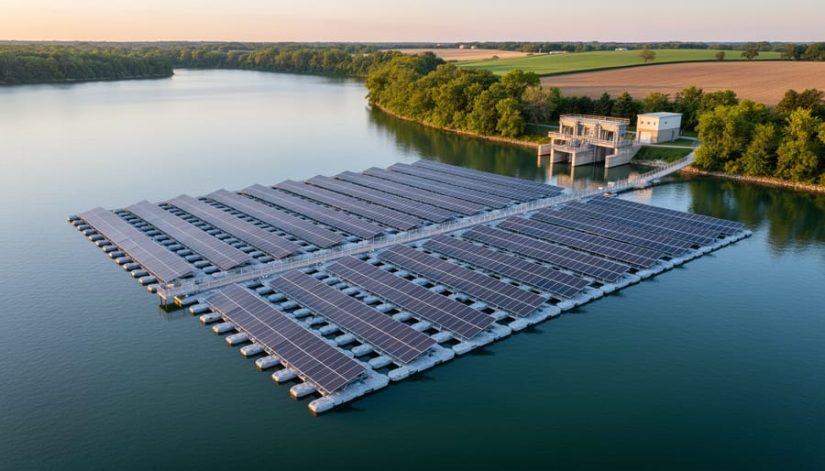
Illinois property owners and municipalities are turning to floating solar farms as a practical solution for renewable energy generation on underutilized water surfaces. These innovative photovoltaic systems, mounted on buoyant platforms across reservoirs, retention ponds, and wastewater treatment lagoons, offer a compelling alternative when land availability or cost becomes a barrier to traditional ground-mounted installations.
Floating solar technology works by anchoring arrays of solar panels to floating structures designed specifically for aquatic environments. These systems generate electricity just like rooftop or ground-mounted panels, but with distinct advantages particularly relevant to Illinois conditions. The water beneath the panels provides natural cooling, which can boost energy production by 5-10% compared to land-based systems during hot summer months. This cooling effect addresses one of the common efficiency challenges faced by solar installations in the state’s variable climate.
The dual-use approach makes floating solar especially attractive for Illinois businesses and municipalities. Instead of converting productive farmland or valuable real estate to solar generation, these systems utilize existing water bodies that serve other purposes like stormwater management, irrigation storage, or industrial cooling. The shade provided by the panels reduces water evaporation and limits algae growth, creating operational benefits beyond electricity generation.
For decision-makers evaluating this technology, understanding the economic fundamentals is essential. Floating solar typically requires 10-15% higher upfront investment than comparable ground-mounted systems due to specialized equipment and installation requirements. However, the improved efficiency, land preservation, and potential operational savings from reduced water treatment costs create a value proposition worth examining for properties with suitable water features across Illinois.
What Makes Floating Solar Different from Traditional Solar Panels
The Technology Behind Floating Solar Arrays
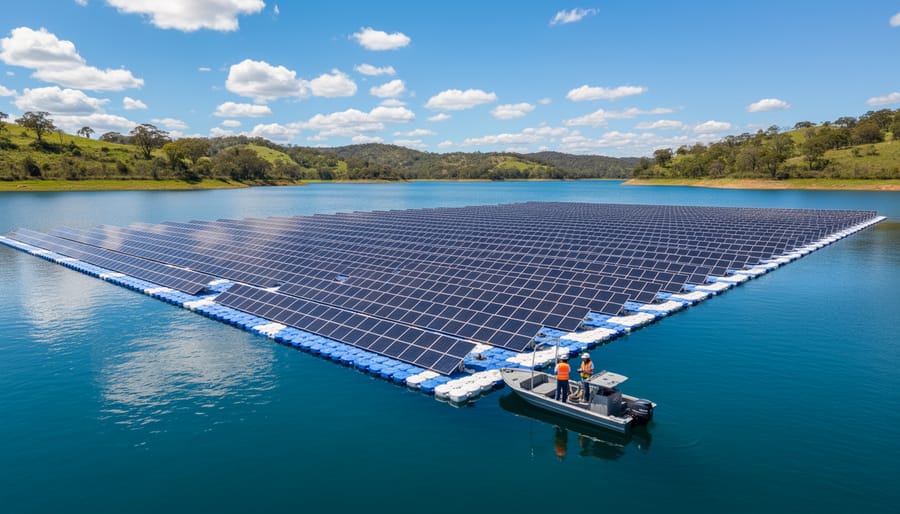
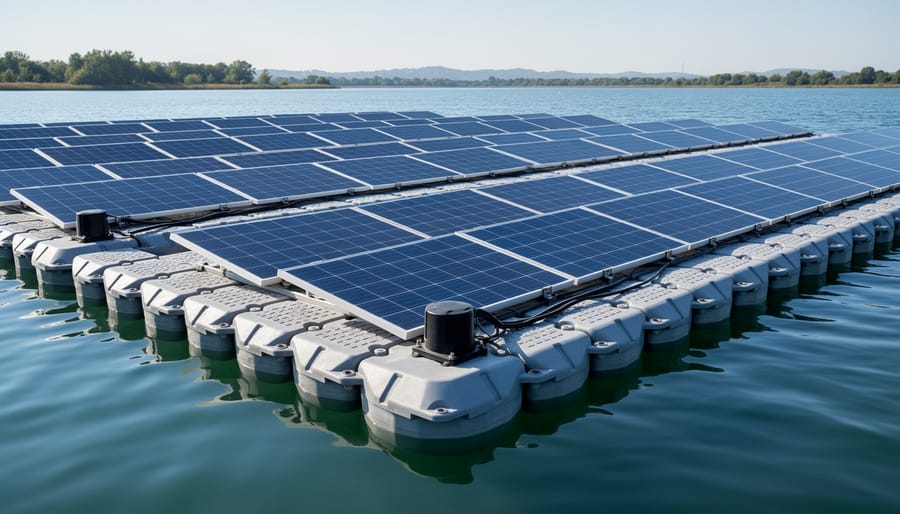
Floating solar arrays might sound complex, but the technology is surprisingly straightforward. At their core, these systems rest on specialized flotation platforms made from high-density polyethylene—the same durable, UV-resistant material used in many outdoor applications. These platforms are designed to support the weight of solar panels while withstanding constant water exposure and temperature fluctuations common in Illinois.
The electrical components receive special waterproof treatment to protect against moisture. Cables run beneath the floating platforms, connecting panels together before routing power to an inverter station, typically located on shore. This inverter converts the direct current generated by the panels into alternating current that feeds into the electrical grid—the same process used in ground-mounted systems.
Keeping the array stable is crucial. Engineers use anchoring systems that account for water level changes throughout the year, which is particularly important given Illinois’ seasonal variations. Mooring lines attach to anchors on the reservoir or lagoon bottom, while allowing enough flexibility for the array to move gently with water currents and wind.
The connection to the grid happens through underwater cables that run from the floating array to shore-based equipment. From there, standard electrical infrastructure delivers power just like any traditional solar installation. For Illinois property owners considering this technology, the good news is that these systems are engineered for longevity and minimal maintenance, making them a practical renewable energy solution.
Why Water-Based Solar Actually Performs Better
Floating solar panels enjoy a natural performance advantage thanks to their aquatic environment. Water acts as a natural cooling system, keeping panel temperatures lower than their land-based counterparts. Since solar panels lose efficiency as they heat up—typically about 0.5% per degree Celsius above 25°C—this cooling effect translates to measurably better energy output, often 10-15% higher than identical panels on rooftops or ground mounts.
Illinois property owners will appreciate another practical benefit: panels floating on water stay remarkably cleaner. Without surrounding soil and dust that plague ground installations, and with morning dew naturally rinsing the surfaces, these systems require less maintenance and experience fewer efficiency losses from dirt accumulation. This is particularly valuable for agricultural operations near farm ponds or industrial facilities with treatment lagoons, where dust and particulates are common concerns.
The consistent airflow across water surfaces also contributes to improved performance. This natural ventilation helps maintain optimal operating temperatures throughout the day, maximizing energy production during peak sunlight hours when your business or property needs power most.
Illinois Reservoirs and Lagoons: Untapped Solar Potential
Ideal Water Bodies in Illinois for Floating Solar
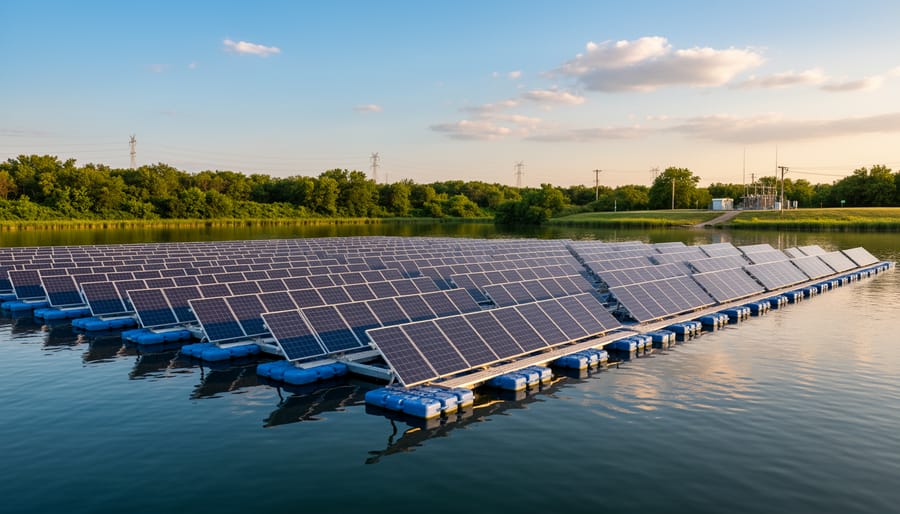
Illinois offers diverse water bodies well-suited for floating solar installations, each presenting unique opportunities for renewable energy generation. Understanding which sites work best can help property owners and municipalities make informed decisions about this innovative technology.
Municipal reservoirs across Illinois represent prime locations for floating solar systems. These water bodies already serve dual purposes for communities, and adding solar arrays can generate clean electricity while reducing water evaporation and algae growth. Lake Bloomington and Lake Springfield exemplify the type of reservoirs that could benefit from floating solar installations, providing renewable energy directly to nearby communities.
Industrial cooling ponds at manufacturing facilities and power plants throughout the state offer another excellent opportunity. These private water bodies often have existing electrical infrastructure nearby, making integration more straightforward. Industries in the Chicago metro area and along the Mississippi River corridor have particularly suitable sites for such installations.
Wastewater treatment lagoons present a compelling option for municipalities seeking to offset operational costs. These facilities typically have available water surface area that isn’t used for recreation, making them ideal candidates. Communities across central and southern Illinois maintain treatment lagoons that could support floating solar arrays while continuing their primary function.
Finally, agricultural retention ponds throughout Illinois farmland offer opportunities for farmers to diversify their renewable energy portfolios. These water features, designed for irrigation and drainage management, can generate additional farm income without compromising their original purpose.
Illinois Climate and Its Impact on Floating Solar Efficiency
Illinois experiences distinct seasonal variations that create both challenges and opportunities for floating solar installations. The state’s climate features hot, humid summers with temperatures often exceeding 90°F and cold winters where temperatures can plunge below zero. These extremes require floating solar systems to be engineered for durability and consistent performance year-round.
During Illinois summers, floating solar panels actually benefit from their water-based location. The cooling effect of the water beneath the panels helps maintain optimal operating temperatures, which can improve efficiency by 5-15% compared to ground-mounted systems. This is particularly valuable during peak energy demand periods when air conditioning usage drives electricity consumption higher.
Winter months present different considerations. Snow accumulation on panels can temporarily reduce output, though the angled installation and water proximity often facilitate faster melting. The panels and floating structures must withstand freezing conditions, ice formation, and potential ice expansion on the water surface. Modern floating solar systems designed for Illinois conditions use UV-resistant, weather-rated materials that handle freeze-thaw cycles without degradation.
Seasonal variations in sunlight angle and duration affect energy production throughout the year, with longer summer days generating more power. However, properly designed systems account for these fluctuations, ensuring reliable performance across all seasons. For Illinois property owners considering floating solar, working with locally owned companies that understand regional weather patterns ensures your installation is optimized for our specific climate conditions, maximizing both efficiency and longevity.
Real Benefits for Illinois Property and Business Owners
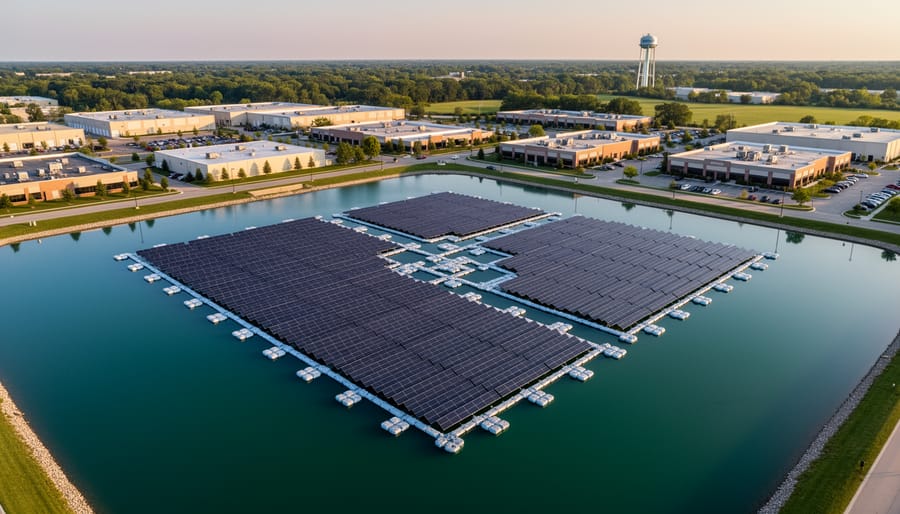
Dual-Use Water Management
Floating solar installations offer significant water management benefits beyond clean energy generation, making them particularly valuable for Illinois reservoirs, agricultural lagoons, and industrial water storage facilities. The solar panels create shade that covers the water surface, dramatically reducing evaporation rates by up to 70 percent. For agricultural operations and municipal water systems facing increasingly warm summers, this conservation effect translates to substantial water savings throughout the growing season.
The shading provided by floating solar arrays also helps control algae growth by limiting sunlight penetration and reducing water temperature. This natural algae suppression improves water quality without chemical treatments, benefiting both drinking water reservoirs and irrigation sources. Agricultural lagoons used for livestock operations can particularly benefit from this dual-purpose approach, as cleaner water means healthier conditions and reduced maintenance costs.
Illinois property owners and businesses managing water bodies gain a practical advantage through this combined approach. The panels preserve water resources while generating renewable energy, creating two revenue streams from a single installation. For industries with cooling ponds or treatment lagoons, floating solar systems optimize existing infrastructure without compromising water management operations. This efficiency makes floating solar an innovative solution for operations seeking both sustainability improvements and operational cost reductions.
Land Preservation and Property Value
One of the most compelling advantages of floating solar systems is their ability to generate clean energy without consuming valuable land resources. For Illinois businesses, municipalities, and property owners facing space constraints, this represents a significant opportunity to embrace solar energy while preserving land for other productive uses.
Traditional ground-mounted solar installations require substantial acreage, which can be costly or simply unavailable in developed areas. Floating solar transforms underutilized water surfaces like retention ponds, wastewater treatment lagoons, and reservoirs into energy-generating assets. This approach is particularly valuable for industrial facilities, agricultural operations, and commercial properties where every square foot of land contributes to operations or revenue.
From a property value perspective, floating solar installations typically don’t trigger the same concerns as ground-mounted systems. The water body itself often has limited alternative uses, meaning the solar array adds functionality without sacrificing existing land-based activities. For municipalities considering floating solar on public reservoirs, this means generating renewable energy and revenue without reducing parkland, agricultural zones, or future development opportunities.
Illinois property owners appreciate that floating solar preserves the flexibility of their land holdings while still capturing the financial and environmental benefits of solar energy generation. This makes floating systems an increasingly attractive option for forward-thinking organizations with access to suitable water bodies.
Energy Cost Savings and Revenue Opportunities
Floating solar installations deliver substantial energy cost savings by generating clean electricity that directly offsets consumption from the grid. Illinois property owners benefit from competitive utility rates that make solar payback periods particularly attractive, typically ranging from 7 to 12 years depending on system size and energy usage patterns.
Net metering programs available through Illinois utilities allow floating solar owners to receive credits for excess power sent back to the grid. When your system produces more electricity than you use, those credits roll over to offset future bills, maximizing your return on investment. This arrangement proves especially valuable for businesses with fluctuating seasonal energy demands.
Long-term return on investment projections show that floating solar systems in Illinois typically pay for themselves within their first decade of operation, then continue generating free electricity for 25 years or more. The combination of reduced electricity bills, potential revenue from excess generation, and available federal tax incentives creates a compelling financial case. Our locally owned team provides detailed ROI analyses tailored to your specific site conditions and current utility rates.
Installation and Maintenance Considerations
Permitting and Regulations in Illinois
Developing a floating solar farm in Illinois requires navigating several regulatory layers to ensure compliance and project success. Understanding the permitting and regulations specific to your location is essential before moving forward.
At the state level, projects must comply with Illinois Environmental Protection Agency requirements, particularly for installations on public waters or regulated bodies. Environmental assessments evaluate potential impacts on water quality, aquatic ecosystems, and wildlife habitats. These studies help ensure floating solar systems don’t disrupt local ecological balance.
Water rights considerations are critical in Illinois. If your project involves privately owned ponds or lagoons, ownership typically grants you greater flexibility. However, installations on municipal or shared water bodies require additional approvals from relevant authorities and may involve water use permits.
Local zoning ordinances vary significantly across Illinois counties and municipalities. Some jurisdictions have specific provisions for solar installations, while others may require special use permits or variances. Engaging with your local planning department early in the process helps identify requirements unique to your area.
Utility interconnection procedures govern how your floating solar system connects to the electrical grid. This involves submitting applications to your utility provider, meeting technical standards, and potentially upgrading infrastructure. Working with experienced local solar professionals familiar with Illinois utilities streamlines this process and ensures compliance with state renewable energy standards.
What Maintenance Actually Looks Like
One of the most appealing aspects of floating solar systems is their relatively low-maintenance requirements. Unlike ground-mounted installations that may require vegetation management and frequent cleaning, floating arrays benefit from naturally cooler operating temperatures and reduced dust accumulation over water.
For Illinois property owners, routine maintenance typically involves quarterly inspections to check mounting connections, electrical components, and the integrity of the floating platform. These inspections can often be conducted from accessible walkways or via boat, depending on your system’s design. Most locally owned solar providers include inspection services as part of their maintenance packages.
Winter considerations are important in Illinois. While snow accumulation can be less problematic on floating systems due to wind exposure and the warming effect of water below, ice formation requires monitoring. Modern floating solar installations are designed to withstand freeze-thaw cycles common in our region, with flexible mooring systems that accommodate water level changes and ice movement.
Most owners can expect minimal hands-on maintenance. Professional cleaning once or twice annually, typically done by trained technicians, helps maintain optimal energy production. Monitoring systems alert you to any performance issues immediately, allowing for prompt attention when needed. Overall, floating solar systems offer a set-it-and-forget-it approach to renewable energy generation, making them practical for busy property and business owners.
Is Floating Solar Right for Your Illinois Property?
Key Factors to Evaluate
Before investing in a floating solar farm for your Illinois property, consider these essential factors to determine feasibility and potential return on investment.
Water Body Characteristics: Assess the size and depth of your reservoir, pond, or lagoon. Most floating solar installations require at least one acre of water surface and sufficient depth to accommodate anchoring systems. The water body should be relatively calm, with minimal wave action that could damage the equipment.
Ownership and Permits: Verify you have clear ownership rights or permission to use the water surface. In Illinois, you may need permits from local authorities and potentially the Illinois Environmental Protection Agency, depending on the water body type and location.
Energy Requirements: Calculate your current and projected electricity consumption. Understanding your energy needs helps determine the appropriate system size and whether floating solar can offset a meaningful portion of your usage.
Grid Connection Access: Evaluate proximity to existing electrical infrastructure. The distance to connection points affects installation costs significantly. Properties with nearby utility access points typically see more cost-effective implementations.
Budget and Financing: Determine your available capital and explore financing options. Factor in installation costs, maintenance expenses, and potential savings from reduced energy bills. Consider available federal tax credits and Illinois-specific solar incentives that can improve project economics.
Getting Started with a Floating Solar Assessment
If you’re considering floating solar for your Illinois property, the first step is conducting a thorough site evaluation. Assess your water body’s size, depth, and seasonal fluctuations, as these factors directly impact system design and anchoring requirements. Water quality and any existing uses of the reservoir or lagoon should also be documented.
Working with local solar experts who understand Illinois-specific regulations and environmental conditions is essential. These professionals can evaluate your site’s solar potential, navigate permitting requirements, and design a system optimized for your energy needs. Their familiarity with regional weather patterns and utility interconnection procedures streamlines the development process.
Illinois offers several financing options for renewable energy projects, including federal tax credits, state incentives, and specialized commercial lending programs. Many businesses leverage power purchase agreements or solar leases to minimize upfront costs while immediately benefiting from clean energy.
Timeline expectations vary based on project complexity, but most floating solar installations require 6-12 months from initial assessment through commissioning. This includes engineering design, permitting, equipment procurement, and installation. Consulting with experienced solar professionals early helps establish realistic timelines and ensures your project meets all regulatory requirements while maximizing available incentives.
Floating solar farms represent a significant opportunity for Illinois property and business owners to transform underutilized water surfaces into valuable power-generating assets. Whether you manage an industrial lagoon, operate a wastewater treatment facility, or own property with a suitable reservoir, floating solar technology offers a practical pathway to reduce energy costs while contributing to Illinois’ renewable energy goals.
The dual benefits of energy production and water conservation make floating solar particularly well-suited to our state’s climate and geography. Unlike traditional ground-mounted systems that consume valuable land, floating installations work with your existing water infrastructure, preserving space for other essential uses. The cooling effect of water enhances panel efficiency, potentially delivering better performance than comparable land-based systems.
What sets successful floating solar projects apart is working with professionals who understand both the technology and local conditions. Locally owned solar expertise means you’re partnering with teams familiar with Illinois regulations, weather patterns, and utility interconnection requirements. This regional knowledge streamlines the development process and helps avoid costly mistakes.
If you’ve been considering solar energy but thought your property lacked suitable space, it’s time to look at your water features with fresh perspective. That reservoir, retention pond, or lagoon could become a productive energy asset while maintaining its original function.
Ready to explore whether floating solar makes sense for your situation? Connect with experienced solar professionals who can evaluate your specific water body and help you understand the possibilities. The future of Illinois solar energy might just be floating on the surface.
