

Break Into Illinois’ Booming Utility Solar Career Market
The solar energy sector in Illinois is experiencing unprecedented growth, with utility-scale solar projects creating thousands of new job opportunities across the state. From solar panel installers earning $45,000-$75,000 annually to electrical engineers commanding six-figure salaries, the industry offers diverse career paths with strong growth potential. Recent data shows a 47% increase in utility solar employment across the Prairie State, with major projects like the 300MW Driftwood Solar Farm breaking ground in 2024.
Illinois’ commitment to achieving 100% clean energy by 2050 has sparked a hiring boom, particularly in central and southern regions where large-scale solar installations are transforming former agricultural lands into clean energy hubs. Leading employers like Invenergy, Nextera Energy, and local utilities are actively recruiting skilled workers, offering comprehensive benefits packages and career advancement opportunities. For job seekers, this rapidly expanding sector provides stable employment, competitive wages, and the satisfaction of contributing to Illinois’ sustainable energy future.
The Rise of Utility Solar Jobs in Illinois
Current Market Trends
Illinois’s utility solar sector is experiencing unprecedented growth, with employment numbers reaching record highs in 2023. The state has seen a 25% increase in utility solar jobs compared to the previous year, driven by major infrastructure projects and renewable energy initiatives. Currently, there are over 5,000 workers employed in utility-scale solar installations across Illinois.
The Future Energy Jobs Act and Climate and Equitable Jobs Act have created a robust pipeline of utility solar projects, with projections indicating a need for an additional 2,000 workers by 2025. Solar technicians, project managers, and maintenance specialists are in particularly high demand, with average salaries ranging from $45,000 to $95,000 annually.
Many utility companies are partnering with local training programs to develop skilled workers, offering apprenticeships and certification opportunities. This trend is expected to continue as Illinois pushes toward its goal of 100% clean energy by 2050, creating sustained job growth in the utility solar sector.
Future Growth Projections
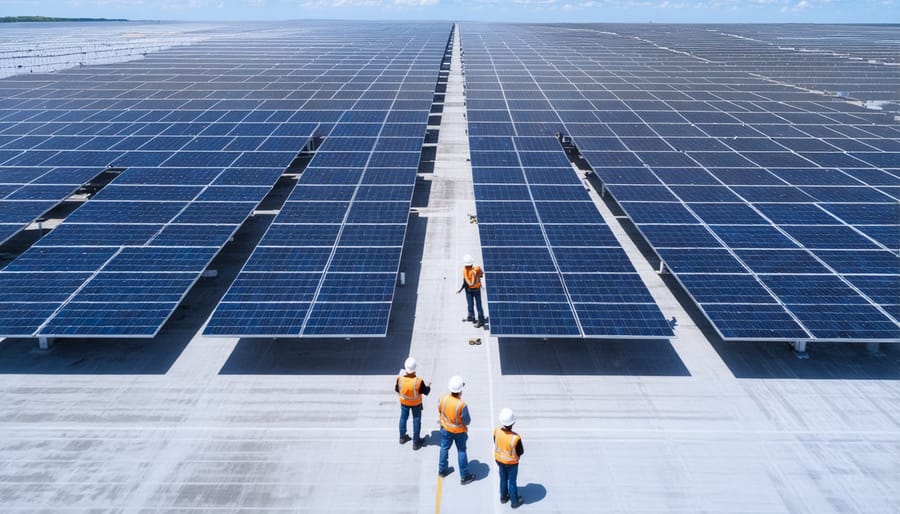
The utility-scale solar sector in Illinois is poised for remarkable growth, with projections indicating a 20% increase in renewable energy career opportunities over the next five years. This expansion is driven by the state’s ambitious clean energy goals and increased investment in solar infrastructure. Industry analysts expect the creation of over 5,000 new utility solar jobs across Illinois by 2025, with particular growth in installation, operations, and maintenance roles. The Chicago metropolitan area is anticipated to be a major hub for this growth, accounting for approximately 40% of new positions. Rural areas are also expected to see significant job creation as utility-scale solar farms continue to develop across the state. These projections reflect both immediate construction positions and long-term operational roles, offering stable career paths for Illinois residents interested in the clean energy sector.
Key Utility Solar Career Paths
Technical Roles
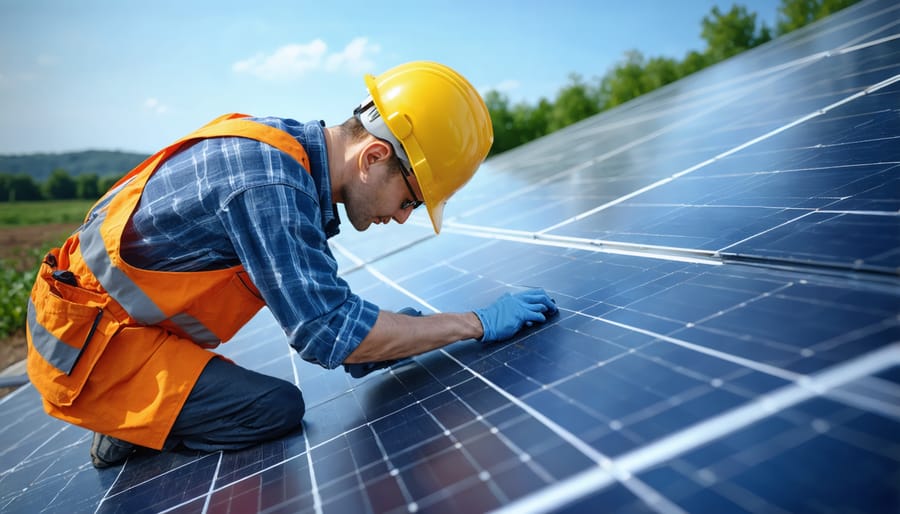
Utility-scale solar projects offer numerous high-paying solar energy jobs across various technical roles. Solar Installation Technicians form the backbone of these operations, responsible for assembling and mounting solar panels, connecting electrical systems, and ensuring proper alignment for maximum energy capture. These professionals work alongside Licensed Electricians who handle complex wiring, inverter installations, and grid connections.
Maintenance Technicians play a crucial role in keeping solar facilities running efficiently. They perform regular inspections, troubleshoot issues, and conduct preventive maintenance to maximize system performance. These specialists use advanced monitoring systems and diagnostic tools to identify and resolve potential problems before they impact energy production.
Solar Engineers represent the highest technical tier, overseeing project design and implementation. They analyze site conditions, create system layouts, and ensure compliance with local regulations and safety standards. Engineering roles include Electrical Engineers who focus on power systems and Grid Integration Specialists who work on connecting solar arrays to the existing power infrastructure.
Quality Control Technicians ensure all installations meet rigorous standards, while Operations Managers coordinate teams and oversee daily facility functions. Many of these positions offer career advancement opportunities and competitive benefits packages, making them attractive options for those seeking long-term careers in renewable energy.
Project Management Positions
Project managers in utility solar installations play a pivotal role in overseeing large-scale solar developments from conception to completion. These professionals coordinate multiple teams, manage budgets ranging from several million to hundreds of millions of dollars, and ensure projects meet strict timelines and regulatory requirements.
In Illinois, project management positions typically require a bachelor’s degree in engineering, construction management, or a related field, along with 5-10 years of experience in renewable energy projects. Key responsibilities include developing project schedules, coordinating with contractors and stakeholders, managing permit applications, and ensuring compliance with local and state regulations.
Several specialized roles fall under the project management umbrella. Construction managers focus specifically on the building phase, while development managers handle pre-construction planning and permitting. Operations managers take charge once the solar facility is operational, ensuring optimal performance and maintenance.
These positions command competitive salaries, typically ranging from $85,000 to $150,000 annually in Illinois, depending on experience and project scope. Career advancement opportunities are abundant as the state’s solar sector continues to grow, with many project managers moving into executive roles or starting their own solar development companies.
Success in these positions requires strong leadership abilities, excellent communication skills, and a thorough understanding of both technical and financial aspects of utility-scale solar projects.
Upcoming Solar Job Fairs in Illinois

Event Details and Locations
Join us at these upcoming solar energy job fairs and networking events across Illinois:
Chicago Solar Career Expo
Date: March 15, 2024
Venue: McCormick Place Convention Center
Time: 9:00 AM – 4:00 PM
Registration: Free admission with online pre-registration
Springfield Renewable Energy Job Fair
Date: April 22, 2024
Venue: Bank of Springfield Center
Time: 10:00 AM – 3:00 PM
Registration: $5 entry fee, veterans free
Champaign Solar Industry Networking Event
Date: May 10, 2024
Venue: I Hotel Conference Center
Time: 1:00 PM – 6:00 PM
Registration: $10 early bird, $15 at door
Rockford Green Energy Career Day
Date: June 8, 2024
Venue: NIU Conference Center
Time: 11:00 AM – 5:00 PM
Registration: Free for students, $8 general admission
Pre-registration is recommended for all events. Bring multiple copies of your resume and dress professionally.
How to Prepare
To make the most of solar job fairs and networking events, arrive prepared with multiple copies of your updated resume highlighting relevant skills and experience. Dress professionally and bring business cards if you have them. Research participating companies beforehand to demonstrate your interest and knowledge during conversations.
Practice your “elevator pitch” – a 30-second introduction that summarizes your background and career goals in utility solar. Focus on transferable skills from previous roles, especially if you’re new to the industry. Technical knowledge, construction experience, project management, and safety certifications are particularly valuable.
Create a list of thoughtful questions about specific positions, company culture, and growth opportunities. Take notes during conversations and collect business cards from company representatives. Follow up within 48 hours with personalized thank-you emails referencing specific discussion points.
Consider earning relevant certifications before attending, such as OSHA safety training or solar installation credentials. Join professional organizations and online industry groups to stay informed about upcoming events and build your network within the Illinois solar community.
Networking Success Strategies
Building Professional Connections
Building a strong professional network is crucial for success in the utility solar industry. Start by joining local renewable energy associations and attending industry events in Illinois, such as the Illinois Solar Energy Association’s monthly meetups and annual Solar and Wind Expo. These gatherings provide excellent opportunities to meet industry leaders and potential employers face-to-face.
LinkedIn remains an invaluable tool for connecting with solar professionals. Follow major Illinois solar developers, utilities, and construction companies, and engage with their content regularly. Consider joining specialized groups like “Illinois Solar Professionals” and “Renewable Energy Careers” to stay informed about job openings and industry developments.
Don’t overlook the power of educational events and certification programs. Many solar installation courses and workshops offer networking opportunities with instructors who are active industry professionals. Additionally, participating in solar advocacy groups and volunteering at community solar projects can help you build relationships while gaining practical experience.
Remember to maintain these connections by regularly sharing relevant industry news, attending follow-up events, and offering value to your network through your own expertise and insights.
Following Up After Events
Following up after a solar industry networking event is crucial for building lasting professional relationships in Illinois’s growing solar sector. Within 24-48 hours of the event, send personalized email follow-ups to the contacts you made, referencing specific conversations or shared interests. Include any promised information or resources discussed during your interaction.
Connect with your new contacts on LinkedIn, adding a brief note reminding them where you met. Keep your communication professional but friendly, and highlight any specific opportunities or collaborations you discussed during the event.
Consider creating a simple spreadsheet to track your networking contacts, including names, companies, conversation highlights, and potential follow-up actions. This helps maintain organized, meaningful connections within the utility solar industry.
Stay engaged by sharing relevant industry updates, commenting on their professional posts, or forwarding information about upcoming solar projects in Illinois. Remember to maintain periodic contact without being overwhelming – aim for meaningful interactions every few months to keep the professional relationship active and mutually beneficial.
The utility solar sector in Illinois offers promising career opportunities for those seeking to join the renewable energy workforce. With numerous solar projects in development across the state, now is an excellent time to pursue a career in this growing field. Job seekers should start by gaining relevant certifications through local technical schools or community colleges, building a strong network within the industry, and attending solar energy job fairs and industry events. Many utility solar companies offer apprenticeship programs and entry-level positions that provide on-the-job training. Consider joining professional organizations like the Illinois Solar Energy Association to stay informed about job openings and networking opportunities. Whether you’re interested in installation, engineering, project management, or operations and maintenance, the utility solar sector provides diverse career paths with competitive salaries and long-term growth potential.
