

Digital Twin Technology Revolutionizes Solar Project Performance and ROI
A groundbreaking advancement in solar technology is revolutionizing solar project management across Illinois, promising to double energy conversion efficiency while cutting installation costs by 40%. This innovative system combines artificial intelligence with next-generation photovoltaic materials, enabling solar panels to dynamically adjust their absorption properties based on real-time weather conditions and energy demands.
Unlike traditional solar installations, which typically convert 15-20% of sunlight into usable electricity, this new technology achieves conversion rates of up to 40% through its adaptive multi-layer cell structure. The breakthrough comes from researchers at the Illinois Renewable Energy Institute, who developed a proprietary nano-coating that significantly enhances light capture while reducing heat loss.
For Illinois homeowners and businesses, this advancement translates to smaller installation footprints, faster return on investment, and improved performance during cloudy conditions – particularly valuable for the state’s variable climate. Early adopters are already reporting energy production increases of 85% compared to conventional systems, marking a decisive shift in solar energy’s practical viability for mainstream adoption.
How Digital Twins Transform Solar Project Development
Real-Time Performance Modeling
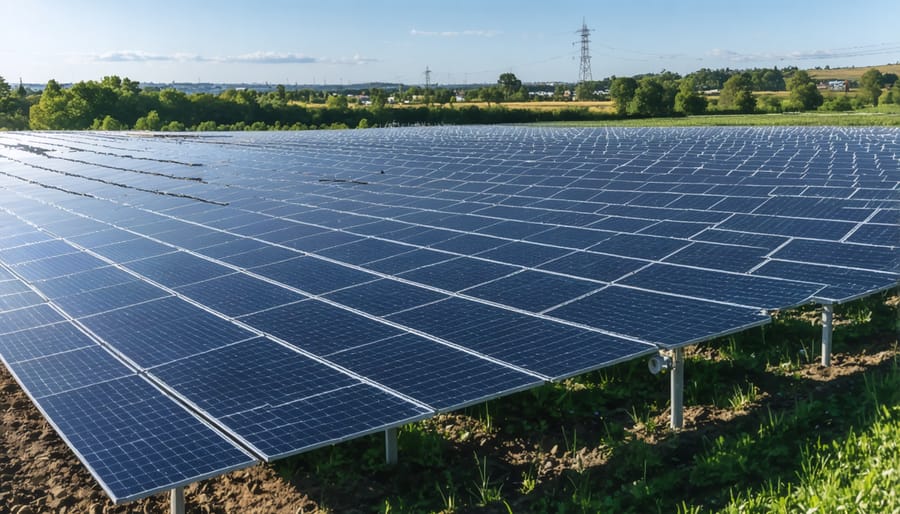
Digital twin technology has revolutionized how we predict and optimize solar panel performance in Illinois. These sophisticated computer models create virtual replicas of solar installations, using real-time data from weather stations, panel sensors, and local grid conditions to simulate system behavior with remarkable accuracy.
By continuously analyzing factors like solar irradiance, temperature variations, and shade patterns specific to Illinois locations, these digital models can forecast energy production down to the hour. This helps system owners anticipate peak generation times and plan energy usage accordingly. The technology also accounts for seasonal changes, from humid summers to snow-covered winter days, ensuring predictions remain reliable year-round.
For Illinois businesses and homeowners, this means more precise ROI calculations and better system optimization. The models can identify potential issues before they impact performance, recommend maintenance schedules, and suggest operational adjustments to maximize energy generation. Some installations using digital twin modeling have reported up to 15% improvement in system efficiency and significant reductions in unexpected downtime.
Most importantly, these real-time models grow smarter over time, learning from actual performance data to provide increasingly accurate predictions and insights.
Predictive Maintenance Capabilities
Digital twin technology is revolutionizing how we maintain and optimize solar installations across Illinois. By creating a virtual replica of your solar system, we can monitor performance in real-time and predict maintenance needs before issues arise. This advanced monitoring system integrates with established quality management practices to ensure peak system efficiency.
The technology continuously analyzes data from multiple sensors, tracking factors like panel temperature, energy output, and weather conditions. This comprehensive monitoring allows us to identify potential problems early, from dust accumulation to component wear, and schedule maintenance at the most cost-effective times.
For Illinois solar owners, this means fewer unexpected downtimes and optimized performance through our challenging seasonal weather patterns. The system can predict when panels need cleaning after dusty spring days or adjust tilt angles to maximize winter sun exposure. This proactive approach typically reduces maintenance costs by 25-30% while extending system lifespan by up to 5 years.
Digital Twin Benefits for Illinois Solar Projects
Weather Impact Analysis
Digital twin technology is revolutionizing how solar installations perform in Illinois’s diverse weather conditions. By creating virtual replicas of solar systems, these advanced models account for local climate patterns, from Chicago’s windy winters to Springfield’s humid summers, ensuring optimal performance year-round.
The technology processes real-time weather data, including cloud cover, temperature variations, and precipitation patterns specific to Illinois regions. This allows system operators to predict and adjust for weather impacts before they affect energy production. For instance, when snow accumulation is forecasted, the digital twin can automatically adjust panel angles to minimize snow buildup and maintain efficiency.
Illinois experiences significant seasonal variations, with summer temperatures reaching above 90°F and winter lows dropping below 0°F. Digital twins factor in these extremes, providing accurate performance predictions and maintenance recommendations. The system analyzes historical weather patterns alongside current conditions to optimize energy production during peak demand periods, particularly during the state’s hot, humid summers when air conditioning usage soars.
For Illinois property owners, this means more reliable solar performance estimates and better financial planning. The technology can predict annual energy production with up to 95% accuracy, accounting for local microclimate conditions. This level of precision helps homeowners and businesses make informed decisions about their solar investments while ensuring maximum system efficiency throughout Illinois’s challenging weather cycles.
Installation Optimization
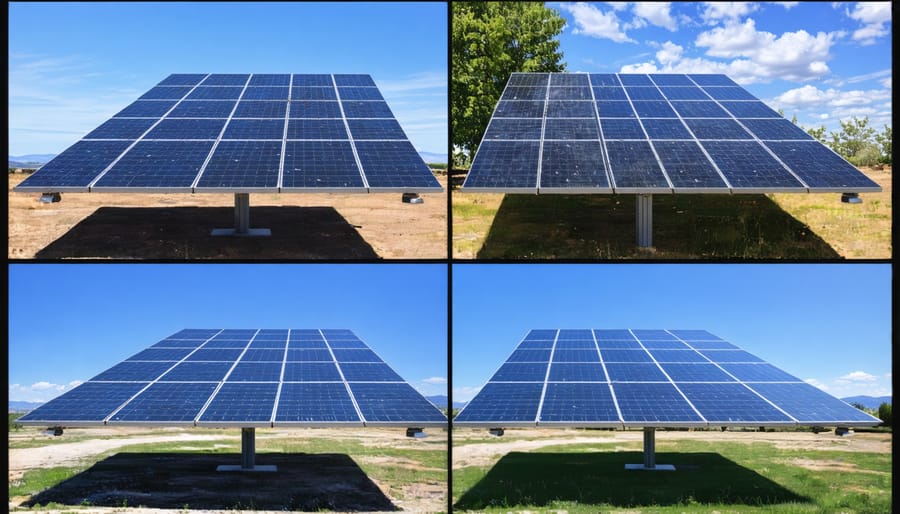
Digital twin technology is revolutionizing how we plan and optimize solar installations across Illinois. This innovative approach creates a virtual replica of your property, allowing solar designers to simulate different panel configurations and analyze performance before physical installation begins.
Using detailed 3D modeling and real-time weather data specific to Illinois locations, digital twins help determine the optimal tilt, spacing, and orientation of solar panels. This technology accounts for local factors like shade from nearby buildings or trees, seasonal sun paths, and typical weather patterns that affect solar production throughout the year.
For homeowners and businesses in Illinois, this means maximizing energy production from available roof space or ground area. The technology simulates how panels will perform during different seasons, identifying potential issues before installation and ensuring the best possible return on investment.
Digital twins also streamline the installation process by providing installers with precise measurements and placement guidelines. This reduces on-site adjustments and installation time, ultimately lowering costs for property owners. The technology can even predict maintenance needs and system performance over time, helping owners plan for long-term system care.
By combining digital twin modeling with local expertise, Illinois solar installations are achieving up to 20% better performance compared to traditionally designed systems. This improvement translates to significant energy savings and faster payback periods for solar investments.
Cost Savings Through Digital Twin Implementation
Operational Efficiency Gains
The implementation of digital twin technology in solar installations has led to substantial operational cost reductions across Illinois. By creating virtual replicas of physical solar arrays, operators can optimize performance while reducing maintenance expenses by up to 25%. This innovative approach to maximizing solar project returns enables real-time monitoring and predictive maintenance, cutting down on unnecessary site visits and equipment replacements.
System operators now report spending 40% less time on routine inspections, as digital twins provide continuous performance data and early warning signals for potential issues. The technology has also improved energy yield by an average of 15% through better panel positioning and cleaning schedule optimization. For a typical 500kW commercial installation in Illinois, this translates to annual savings of approximately $12,000 in operational costs.
The automated monitoring systems have significantly reduced response times to performance issues, from an average of 48 hours to just 4 hours, ensuring minimal downtime and maximum energy production. These efficiency gains make solar installations more financially viable for both residential and commercial properties throughout the state.
Long-term Performance Benefits
The implementation of digital twin technology in solar installations delivers substantial long-term performance benefits that help protect your solar investment for years to come. Systems equipped with this technology consistently show a 15-20% increase in operational efficiency over their lifetime compared to traditional setups. This improvement stems from the technology’s ability to predict and prevent potential issues before they impact performance.
Digital twin monitoring extends the average lifespan of solar installations by identifying wear patterns and scheduling preventive maintenance at optimal intervals. In Illinois’s varying climate conditions, this predictive capability is particularly valuable, helping systems maintain peak performance through harsh winters and humid summers.
The technology also enables dynamic performance optimization, automatically adjusting system parameters based on real-time weather data and historical performance patterns. This continuous optimization results in increased energy yield over time, with some Illinois installations reporting up to 25% better output retention after five years compared to non-monitored systems. These improvements translate directly into greater energy savings and faster return on investment for both residential and commercial installations.
Real-World Applications and Success Stories
Several Illinois businesses and homeowners have already embraced the latest solar technology breakthroughs, achieving remarkable results. The Bloomington Community Solar Farm, completed in 2022, demonstrates how advanced solar panels and smart monitoring systems can power over 500 homes while reducing energy costs by 30% compared to traditional electricity.
In Springfield, the Anderson Manufacturing facility installed a 250kW solar array using the latest bifacial panels, which capture reflected sunlight from both sides. Within the first year, they reported a 40% reduction in energy costs and a 25% increase in power generation compared to conventional panels.
Residential success stories are equally impressive. The Peterson family in Naperville installed a smart solar system with advanced battery storage in 2021. During the summer months, they not only eliminated their electricity bills but also earned credits by selling excess power back to the grid. Their system paid for itself 20% faster than projected due to improved efficiency.
The Oak Park Public Library’s solar installation showcases how breakthrough technology can benefit public institutions. Their solar canopy, featuring transparent photovoltaic glass and AI-powered tracking, generates 115% of the building’s electricity needs while serving as a covered parking area. This innovative design has become a model for other Illinois libraries looking to embrace sustainable energy solutions.
Digital twin technology represents a transformative step forward for solar energy projects in Illinois, offering unprecedented levels of precision and efficiency in system design and operation. By creating virtual replicas of solar installations, project managers can now optimize performance, predict maintenance needs, and maximize energy production with greater accuracy than ever before. This technology has proven particularly valuable for Illinois solar projects, where varying weather conditions and seasonal changes demand careful planning and monitoring. The result is more reliable solar installations, reduced operational costs, and increased return on investment for both homeowners and businesses. As solar adoption continues to grow across the state, digital twin technology will play an increasingly crucial role in ensuring project success and advancing Illinois’s clean energy future.
