

Energy Storage That Makes Your Solar Investment Work Harder
As Illinois homeowners increasingly turn to solar power, energy storage has become the critical missing piece in the renewable energy puzzle. Modern battery systems transform intermittent solar generation into reliable, around-the-clock power, offering protection against grid outages and the ability to maximize energy savings.
The dramatic 89% drop in battery costs over the past decade has made energy storage not just practical, but financially compelling for Illinois property owners. Today’s advanced lithium-ion systems can power an average home for 12-24 hours, effectively turning solar panels into personal power plants that work day and night.
For businesses and homeowners alike, energy storage represents more than just backup power – it’s a strategic investment in energy independence. With Illinois’s net metering policies and growing utility demand charges, battery systems help owners capture more value from their solar investments while contributing to a more resilient and sustainable grid.
This comprehensive guide explores the latest storage technologies, financial incentives, and practical considerations for implementing energy storage solutions in Illinois, helping you make informed decisions about securing your energy future.
Why Energy Storage Matters for Your Solar System
24/7 Power Access
One of the biggest advantages of energy storage systems is their ability to provide reliable power around the clock, regardless of weather conditions or time of day. When your solar panels generate excess electricity during peak sunlight hours, this energy is stored in batteries for later use. This means you can power your home or business even after sunset or during cloudy days.
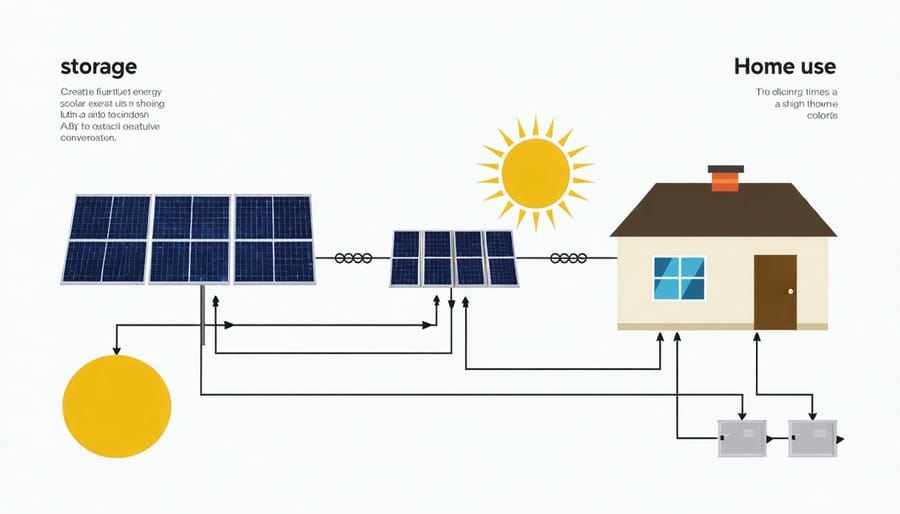
Think of energy storage as your personal power bank. During the day, your solar panels might produce more electricity than you need. Instead of sending this excess back to the grid, your storage system captures and holds it. When the sun sets or during overcast conditions, you can tap into this stored energy to maintain continuous power supply.
This 24/7 access is particularly valuable during Illinois winters when daylight hours are shorter and weather conditions can be unpredictable. Storage systems ensure you maintain power reliability while maximizing the benefits of your solar investment. They also provide crucial backup power during grid outages, keeping essential appliances running when you need them most.
Protection Against Power Outages
Energy storage systems provide crucial protection during power outages, offering peace of mind and continuous power supply when the grid fails. In Illinois, where severe weather can cause unexpected blackouts, a properly sized battery backup system ensures your essential appliances and systems keep running.
During a power outage, your battery system automatically detects the grid failure and switches to backup power mode within milliseconds. This seamless transition means your lights stay on, your refrigerator keeps running, and critical medical equipment remains operational. For businesses, this means avoiding costly downtime and protecting sensitive equipment from sudden power loss.
Most modern battery systems can power your essential loads for 8-24 hours, depending on your energy usage and battery capacity. You can prioritize which circuits receive backup power, ensuring your most critical needs are met during extended outages. When paired with solar panels, these systems can extend backup duration by recharging batteries during daylight hours, providing sustained protection against longer blackouts.
For Illinois residents, this capability is particularly valuable during summer storms and winter weather events that frequently disrupt grid power.
Popular Storage Solutions for Illinois Homes
Battery Systems
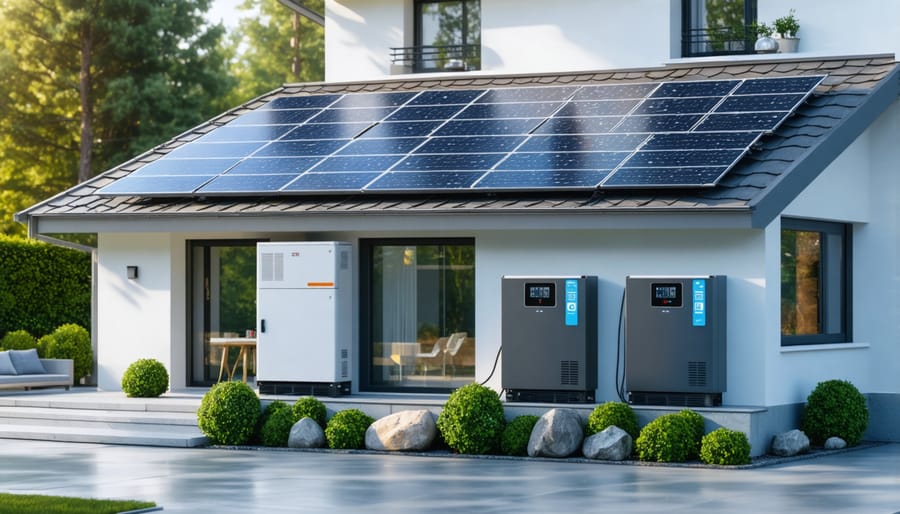
Battery systems are the backbone of renewable energy storage, offering various solutions to match different needs and applications. The most common type for residential and commercial use is lithium-ion batteries, which provide excellent energy density, long cycle life, and reliable performance. These systems have become increasingly affordable and are particularly well-suited for daily cycling in solar energy applications.
Lead-acid batteries, while more traditional, still serve as a cost-effective option for backup power systems. Though they have a shorter lifespan than lithium-ion batteries, their lower upfront cost makes them attractive for basic backup needs. Flow batteries represent an emerging technology that excels in long-duration storage, making them ideal for larger commercial and industrial applications where extended backup power is essential.
For Illinois property owners, battery selection often depends on specific needs such as backup duration, charging cycles, and available space. Lithium-ion systems typically require less maintenance and can be installed in temperature-controlled indoor spaces, making them well-suited for our state’s varied climate conditions.
Recent advancements have also introduced smart battery management systems that optimize charging and discharging cycles, extend battery life, and provide real-time monitoring capabilities. These features help homeowners and businesses maximize their energy storage investment while ensuring reliable performance during power outages or peak demand periods.
Smart Energy Management Systems
Modern energy storage solutions work best when paired with intelligent monitoring and control systems. Smart home energy control technology allows homeowners to maximize their energy storage investment by automatically managing power flow between solar panels, batteries, and household appliances.
These systems use advanced algorithms to learn your energy consumption patterns and optimize storage usage accordingly. When paired with IoT energy management systems, your storage solution can automatically store excess solar power during peak production hours and release it during high-demand periods or grid outages.
In Illinois, where weather patterns can be unpredictable, these smart systems help homeowners prepare for varying solar production levels. They can automatically adjust charging and discharging schedules based on weather forecasts and electricity rates, ensuring you get the most value from your storage system.
Features typically include real-time monitoring through smartphone apps, automated power distribution to essential circuits during outages, and integration with time-of-use utility rates to minimize electricity costs. Some systems even connect with smart thermostats and appliances to further optimize energy usage, making your entire home more efficient and responsive to your needs.
Making Financial Sense of Energy Storage
Illinois Incentives and Rebates
Illinois offers several attractive financial incentives for homeowners and businesses investing in energy storage systems, particularly when paired with solar installations. The Illinois Adjustable Block Program (ABP) provides performance-based incentives for solar-plus-storage systems, making the investment more affordable for property owners.
The federal Investment Tax Credit (ITC) can be applied to energy storage systems when installed with solar panels, allowing Illinois residents to claim up to 30% of the total system cost as a tax credit. Additionally, the state’s Smart Inverter Rebate program offers compensation for grid-supporting features of storage systems.
Many Illinois utilities offer their own incentive programs. ComEd’s Distributed Energy Resource Rebate provides up to $1,000 per kilowatt of capacity for qualified energy storage systems. Ameren Illinois offers similar programs for customers in their service territory.
Commercial and industrial customers can take advantage of demand response programs, where energy storage systems can generate revenue by providing grid services. Some municipalities in Illinois also offer property tax incentives for renewable energy improvements, including storage systems.
Remember to check with local utilities and government offices, as incentive programs are regularly updated and new opportunities may become available throughout the year.
Long-term Savings Potential
When paired with automated energy monitoring, energy storage systems can deliver substantial long-term savings for Illinois property owners. The initial investment typically pays for itself within 7-10 years through reduced utility bills and enhanced energy independence.
For the average Illinois household, implementing energy storage alongside solar panels can reduce annual electricity costs by 40-60%. This saving potential increases during peak rate periods, particularly during summer months when air conditioning demand is high. Commercial properties often see even greater returns, with some businesses reporting payback periods as short as 5 years.
Storage systems also protect against rising utility rates, which have increased by an average of 3% annually in Illinois over the past decade. By storing excess solar energy for use during peak rate periods, property owners can effectively lock in their energy costs for the 20+ year lifespan of the system.
Additional financial benefits come from participating in utility demand response programs and potential tax incentives. When factoring in the current federal tax credit and Illinois state incentives, the total return on investment can exceed 200% over the system’s lifetime.
Installation and Maintenance
Professional Installation Requirements
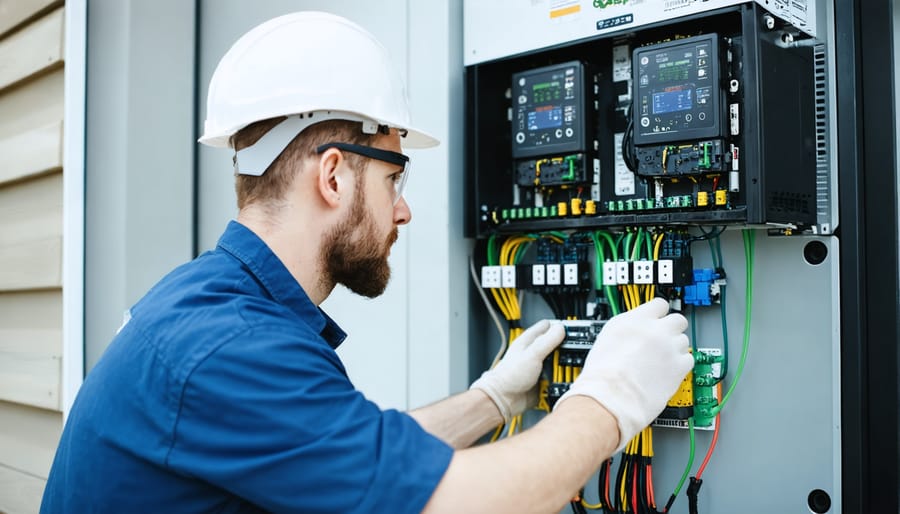
Professional installation of energy storage systems requires careful planning and adherence to specific requirements to ensure safety and optimal performance. A certified installer will first conduct a detailed site assessment, evaluating your existing electrical infrastructure and determining the ideal location for battery placement. This location must be temperature-controlled, well-ventilated, and protected from extreme weather conditions.
The installation process typically involves mounting the battery system, installing safety disconnects, and integrating it with your existing electrical panel and solar array. For maximum efficiency, the system should be connected to smart solar optimization controls that manage energy flow between your panels, batteries, and home.
In Illinois, installers must comply with local building codes, obtain necessary permits, and follow National Electric Code (NEC) requirements. The installation should be performed by professionals certified in energy storage systems and familiar with local regulations. They will also ensure proper grounding, overcurrent protection, and emergency shutdown capabilities.
Post-installation, your system requires commissioning and testing to verify proper operation and safety features. Your installer should provide documentation, warranty information, and training on system operation and maintenance procedures.
Maintaining Your Storage System
Regular maintenance is crucial for maximizing the lifespan and efficiency of your energy storage system. For battery-based systems, monitor the charge levels and keep them within the recommended range – typically between 20% and 80% for optimal longevity. Schedule quarterly visual inspections to check for any signs of physical damage, corrosion, or loose connections.
Keep the area around your storage system clean and well-ventilated, maintaining temperatures between 50-85°F for best performance. In Illinois’s varying climate, ensure your system’s housing is properly insulated and weatherproofed to protect against extreme temperatures and moisture.
Document all maintenance activities and system performance metrics. Most modern storage systems include monitoring software that tracks performance data – review these reports monthly to identify any unusual patterns or declining efficiency.
For safety and warranty compliance, have a certified technician perform annual professional inspections. They’ll test system components, calibrate sensors, and ensure all safety mechanisms are functioning correctly.
If you notice any significant changes in system performance, unusual noises, or warning indicators, contact your installer immediately. Quick response to potential issues can prevent more serious problems and extend your system’s operational life.
As we’ve explored throughout this article, energy storage solutions are becoming increasingly vital for maximizing the benefits of renewable energy systems in Illinois. Whether you’re a homeowner or business owner, incorporating battery storage into your solar installation can provide reliable backup power, help reduce electricity costs, and contribute to a more sustainable energy future.
The key to success lies in careful planning and working with experienced professionals who understand Illinois’s specific energy landscape. Consider starting with an energy audit to determine your storage needs, then explore available battery options and incentives that can help offset costs. Many Illinois residents are finding that the combination of federal tax credits, state incentives, and long-term energy savings makes energy storage a worthwhile investment.
Looking ahead, the energy storage industry continues to evolve with improving technology and declining costs. As more Illinois residents and businesses adopt solar-plus-storage systems, we’re likely to see increased grid stability and reduced dependency on traditional power sources. If you’re considering energy storage for your property, now is an excellent time to begin the conversation with local solar experts who can guide you through the process.
Remember that while the initial investment may seem substantial, the long-term benefits of energy independence, reduced utility bills, and environmental impact make energy storage an increasingly attractive option for Illinois consumers.
