
How Energy Storage Cuts Your Illinois Business Costs While Powering Through Peak Demand
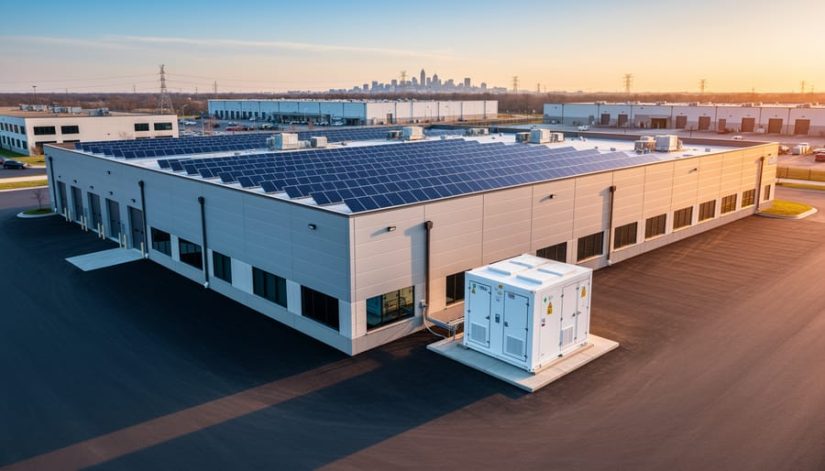
Energy costs represent one of the largest operational expenses for Illinois businesses, and commercial and industrial energy storage systems are proving to be a game-changing solution that reduces electricity bills while providing backup power and grid independence. Unlike grid-scale energy storage projects managed by utilities, on-site battery systems give you direct control over when and how you use electricity.
For facility managers and business owners across Illinois, the financial case has never been stronger. Battery storage allows you to avoid peak demand charges, which can account for 30-50% of your monthly electric bill, by drawing stored energy during expensive high-demand periods. You can also take advantage of Illinois-specific incentive programs through the Adjustable Block Program and federal Investment Tax Credit, which together can cover up to 56% of your system costs. When paired with solar panels, energy storage maximizes your renewable energy investment by storing excess daytime generation for use during evening hours when electricity rates spike.
The technology has matured rapidly, with lithium-ion battery prices dropping over 80% in the past decade while performance and lifespan have improved dramatically. Illinois businesses in manufacturing, cold storage, healthcare, and retail are already seeing 3-7 year payback periods, making this a practical investment rather than an experimental one. Understanding whether energy storage makes sense for your specific operation requires analyzing your current utility rate structure, demand patterns, and operational needs.
What Commercial and Industrial Energy Storage Actually Does for Your Business
The Battery System Basics (Without the Technical Jargon)
At their core, battery storage systems work like rechargeable batteries in your phone, just on a much larger scale. They store electricity when it’s plentiful or inexpensive and release it when your business needs it most or when rates are highest.
For Illinois businesses, lithium-ion batteries dominate the market due to their efficiency, longer lifespan, and decreasing costs. These systems charge from the grid during off-peak hours or from your solar panels during the day, then discharge power during peak demand periods when electricity costs more.
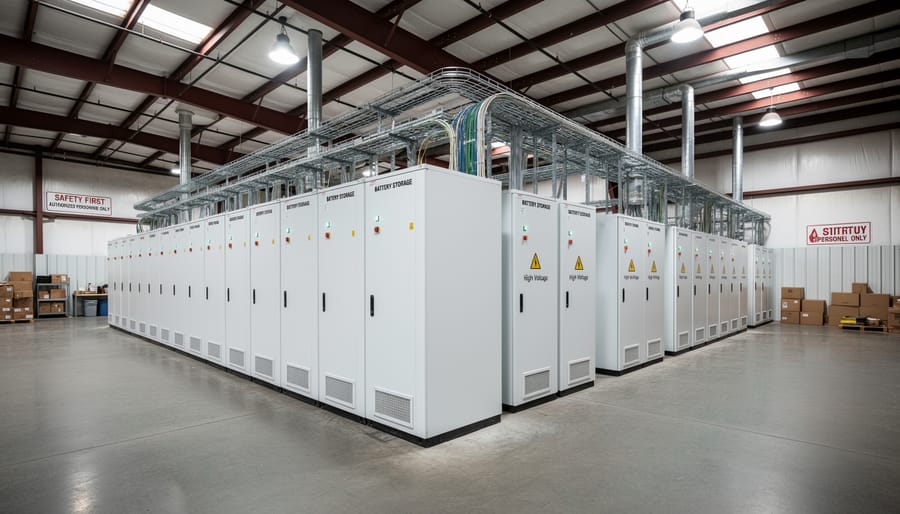
System sizes vary based on your business needs. A small retail shop might install a 50-100 kilowatt-hour system to cover essential operations during outages and reduce demand charges. Mid-sized facilities like warehouses or manufacturing plants typically need 200-500 kilowatt-hour systems to manage significant energy loads. Large industrial operations often deploy megawatt-scale installations that can power entire facilities for hours.
The beauty of modern battery systems is their scalability. You can start with a smaller installation and expand as your energy needs grow or as you see returns on your initial investment. Most systems include smart software that automatically optimizes when to charge and discharge based on your utility rates and usage patterns, maximizing your savings without requiring constant oversight.
How Storage Pairs with Solar in Illinois
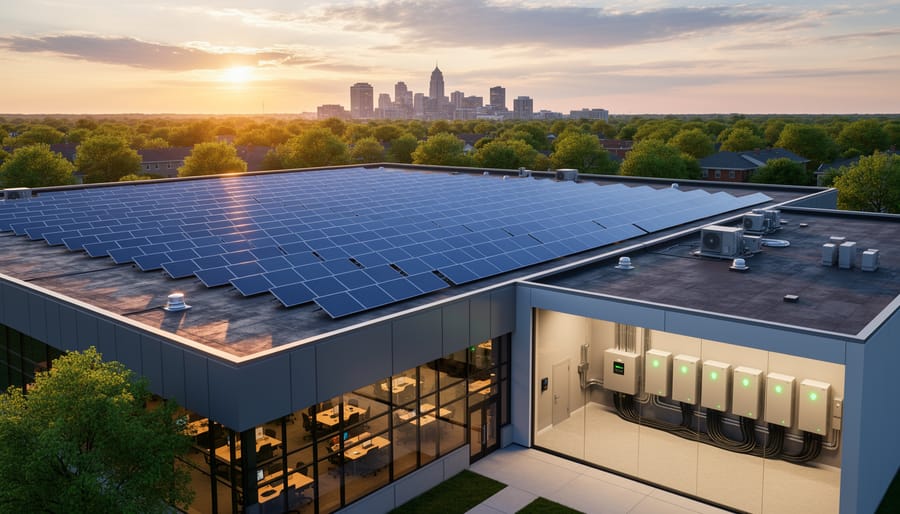
For Illinois businesses that have already invested in solar panels—or are considering them—adding battery storage creates a powerful combination that maximizes both energy independence and cost savings. Solar panels generate electricity during daylight hours, but that production doesn’t always align with when your business needs power most. This is where energy storage becomes invaluable.
During sunny days, your solar array often produces more electricity than your facility can immediately use. Without storage, this excess energy typically flows back to the grid, earning you credits through net metering. While beneficial, these credits don’t provide the same value as storing that energy for strategic use during expensive peak demand periods. By pairing solar storage solutions with your panels, you can capture surplus daytime generation and deploy it during evening hours when electricity rates spike or when demand charges would otherwise increase your bill.
This synergy is particularly valuable in Illinois, where many commercial and industrial customers face time-of-use rates and demand charges. Your battery system intelligently manages when to store solar energy, when to use it, and when to draw from the grid, ensuring you’re always accessing the most cost-effective power source. Additionally, stored solar energy provides backup power during outages, protecting your operations from disruptions. As a locally owned Illinois solar expert, we help businesses design integrated solar-plus-storage systems that deliver maximum financial returns while supporting your sustainability goals.
Three Ways Energy Storage Saves Illinois Businesses Real Money
Peak Demand Charge Reduction
If you operate a commercial or industrial facility in Illinois, you’ve likely noticed that demand charges make up a significant portion of your electricity bill. Unlike residential customers who primarily pay for the total energy they consume (measured in kilowatt-hours), commercial and industrial ratepayers face additional charges based on their highest power demand during a billing period.
Understanding how these charges work is essential to recognizing the value of energy storage. Both ComEd and Ameren Illinois structure their commercial rates to include demand charges, which are calculated based on your facility’s peak power usage—typically measured in 15-minute intervals throughout the month. Even if your peak usage occurs for just a brief period, you’ll pay for that demand level for the entire billing cycle.
For example, ComEd’s commercial rate structures include demand charges that can range from $8 to over $20 per kilowatt of peak demand, depending on your service classification and voltage level. Ameren Illinois similarly assesses demand charges that vary by rate class, with some industrial customers paying substantial fees based on their monthly peak.
This is where battery energy storage systems become particularly valuable. By deploying stored energy during peak demand periods, you can effectively “shave” these peaks, reducing your maximum demand reading and lowering your monthly bills. The battery system charges during off-peak hours when your facility’s electrical load is lower, then discharges strategically when demand would otherwise spike—such as when multiple heavy machinery operates simultaneously or HVAC systems work hardest.
For many Illinois businesses, demand charge savings alone can justify the investment in energy storage, often providing payback periods of five to seven years while delivering ongoing monthly savings.
Time-of-Use Rate Optimization
Time-of-use rates represent one of the most compelling opportunities for businesses to reduce electricity costs through energy storage. Many Illinois utilities, including ComEd and Ameren Illinois, offer rate structures where electricity prices fluctuate significantly based on time of day and season. During peak demand periods, typically weekday afternoons from 1 PM to 6 PM in summer months, rates can be two to three times higher than off-peak periods.
Energy storage systems allow your business to strategically shift when you draw power from the grid. By charging batteries during off-peak hours when rates are lowest, often late at night or early morning, you create your own reserve of affordable electricity. When peak rates kick in during expensive periods, your facility draws from stored energy rather than paying premium grid prices.
For example, a manufacturing facility operating under ComEd’s real-time pricing could save 30-40% on electricity costs by storing power overnight at rates around 3-4 cents per kilowatt-hour and deploying it during peak afternoon hours when rates spike to 10-15 cents or higher. Similarly, retail operations can minimize demand charges, which are based on your highest usage during billing periods, by supplementing grid power with stored energy during busy times.
This strategy becomes even more effective when paired with solar energy systems. Our locally owned team has helped Illinois businesses design integrated solutions that maximize both solar generation and time-of-use optimization, creating compound savings that significantly improve return on investment.
Backup Power That Keeps Operations Running
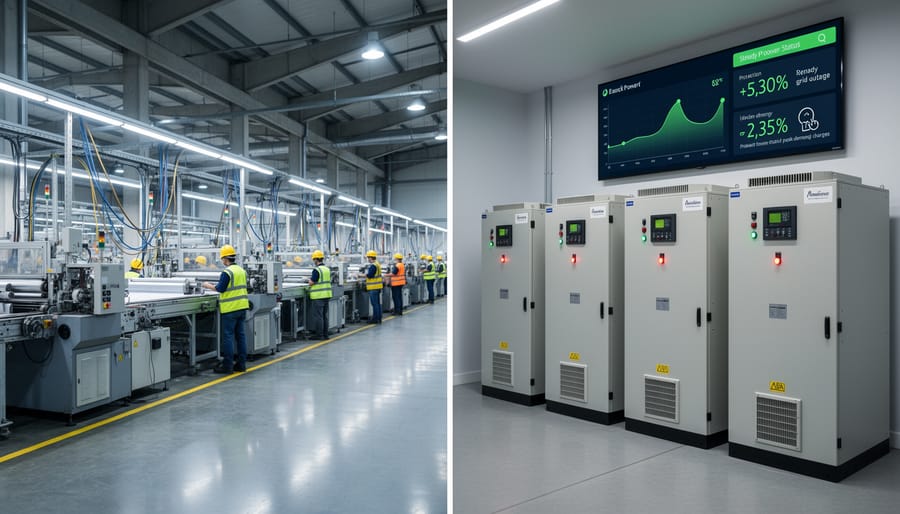
For Illinois businesses, grid interruptions aren’t just an inconvenience—they represent significant financial risk. Manufacturing facilities, cold storage warehouses, data centers, and healthcare operations cannot afford downtime. Industrial and commercial energy storage systems provide a critical safety net, automatically switching to battery power when the grid fails.
When a power outage occurs, modern energy storage systems detect the disruption within milliseconds and seamlessly transition your facility to backup power. Unlike traditional diesel generators that require startup time and regular maintenance, battery storage provides instant, reliable power with minimal moving parts. This immediate response prevents costly production stoppages, protects perishable inventory, and maintains essential operations without interruption.
The financial impact of downtime varies by industry, but the costs add up quickly. A manufacturing plant might lose thousands of dollars per hour in halted production and damaged equipment. Cold storage facilities risk losing entire inventories of temperature-sensitive products. For these operations, energy storage isn’t just about energy independence—it’s about business continuity and protecting your bottom line.
Illinois businesses face seasonal weather challenges that can strain the electrical grid. Energy storage systems sized appropriately for your operation can maintain critical functions for hours or even days, depending on your backup power needs. This resilience allows you to keep serving customers and maintaining production schedules even when neighboring facilities go dark, providing a competitive advantage while safeguarding your revenue streams.
Illinois Incentives and Programs That Make Storage More Affordable
Illinois Shines and Adjustable Block Program Benefits
Illinois renewable energy programs provide substantial financial incentives for businesses investing in energy storage systems, especially when paired with solar installations. The Illinois Shines program, which operates under the state’s Adjustable Block Program, offers renewable energy credits (RECs) that can significantly offset your initial investment costs.
Energy storage systems that are connected to solar arrays qualify for enhanced incentive rates through the program. As of the current block period, commercial and industrial facilities can receive credits based on their system size and project type. These incentives are delivered over a 15-year period, providing long-term financial value that improves your project’s return on investment.
To be eligible, your energy storage system must meet specific technical requirements, including minimum storage capacity thresholds and interconnection standards. The system must be paired with a qualifying solar installation, and both components need approval from your local utility provider. Projects are processed on a first-come, first-served basis within each block, so early application is beneficial.
The program particularly benefits facilities with high daytime energy consumption or those seeking backup power capabilities. By storing solar energy generated during peak production hours, you can use that power during expensive peak demand periods or during outages, maximizing both your incentive value and operational savings. Working with a locally owned solar provider experienced in navigating these programs ensures you capture all available benefits and meet compliance requirements efficiently.
Federal Tax Credits and Depreciation
Federal tax incentives make commercial and industrial energy storage systems significantly more affordable for Illinois businesses. The Investment Tax Credit (ITC) currently offers a substantial benefit for qualifying energy storage installations. When paired with solar energy systems, storage projects can claim up to 30% of the total system cost as a federal tax credit. Even standalone storage systems may qualify for the ITC if they’re charged primarily by renewable energy sources, providing businesses with immediate tax savings that dramatically improve project economics.
Beyond the upfront tax credit, businesses can take advantage of accelerated depreciation through the Modified Accelerated Cost Recovery System (MACRS). This allows you to depreciate your energy storage investment over a shortened timeline, typically five years instead of the standard 20-year recovery period for commercial property. The accelerated schedule means you can recover your investment costs faster through tax deductions, improving cash flow during the critical early years of system operation.
Illinois businesses should note that these federal incentives can be combined with state-level programs for maximum savings. To claim the ITC, your storage system must meet specific technical requirements regarding how it’s charged and used. Working with experienced local solar and storage providers ensures your system is designed to qualify for all available incentives. The combination of federal tax credits, accelerated depreciation, and Illinois-specific programs like those offered through ComEd and Ameren creates a compelling financial case that makes energy storage accessible for businesses of all sizes across the state.
Utility-Specific Programs in Illinois
Illinois businesses have access to several utility-specific programs designed to support energy storage adoption. ComEd, serving northern Illinois, offers demand response programs that allow commercial and industrial customers to earn incentives by reducing electricity use during peak periods. When paired with energy storage systems, businesses can discharge stored energy during these events while maintaining operations and earning payments. ComEd also participates in PJM’s capacity market, where qualified storage systems can generate additional revenue streams.
Ameren Illinois, which serves central and southern regions, has launched energy storage pilot programs to evaluate how battery systems can improve grid reliability. These pilots often provide financial support or reduced installation costs for participating businesses. Ameren’s Time-of-Use rates create opportunities for storage systems to charge during off-peak hours and discharge when electricity prices peak.
Municipal utilities throughout Illinois are increasingly developing their own storage incentive programs. Many offer rebates or grant funding for businesses investing in battery systems that support local grid stability. Contact your specific utility provider to learn about available programs, as offerings vary by service territory. Working with a locally owned energy provider who understands Illinois utility landscapes can help you identify and maximize available incentives for your commercial or industrial facility.
Is Energy Storage Right for Your Illinois Business?
Industries and Business Types That Benefit Most
Energy storage systems deliver the fastest return on investment for Illinois businesses with high electricity demand and predictable usage patterns. Manufacturing facilities typically see payback periods of 5-7 years because they operate energy-intensive equipment throughout the day. By storing energy during off-peak hours when rates are lower and discharging during expensive peak periods, these facilities can reduce their demand charges, which often represent 30-50% of their total electric bill.
Warehouses and cold storage operations benefit similarly, as their refrigeration systems and climate control equipment run continuously. Energy storage allows them to maintain consistent temperatures while dramatically cutting costs during peak demand windows. The added benefit of backup power protection means inventory stays protected during grid outages.
Data centers represent ideal candidates for energy storage because they require uninterrupted power and have substantial cooling loads. Battery systems provide both cost savings and enhanced reliability compared to traditional diesel generators, while also helping these facilities meet sustainability goals.
Agricultural operations with processing equipment, irrigation systems, or livestock facilities experience significant savings because rural electric rates in Illinois often include high demand charges. Energy storage helps manage these costs while providing reliable backup power critical for protecting crops and animals.
Large retail establishments, particularly those with extensive lighting, HVAC systems, and refrigeration, can reduce peak demand charges while improving power quality. Stores operating extended hours benefit most, as they can shift energy use away from the most expensive time-of-use periods.
Key Factors to Consider Before Installing
Before investing in commercial or industrial energy storage, several practical factors deserve careful evaluation to ensure the system meets your business needs and delivers expected returns.
Start by analyzing your current electricity costs and usage patterns. Review at least 12 months of utility bills to understand your baseline expenses and identify seasonal variations. Pay particular attention to demand charges, which can represent 30-50% of your commercial electricity bill in Illinois. Energy storage systems excel at reducing these charges by providing power during peak demand periods.
If you have an existing solar installation or plan to add one, verify compatibility requirements. Energy storage systems work exceptionally well with solar panels, allowing you to store excess daytime generation for use during evening peak hours or overnight operations. This pairing maximizes your energy independence and cost savings potential.
Evaluate your available space for battery installation. Commercial energy storage systems require dedicated floor space with proper ventilation, climate control, and accessibility for maintenance. Indoor and outdoor configurations are available depending on your facility layout.
Budget considerations extend beyond initial equipment costs. Factor in installation expenses, ongoing maintenance, potential electrical upgrades, and available financing options. Illinois offers various incentive programs that can significantly offset upfront costs, making projects more financially attractive.
Finally, align the investment with your broader business energy goals. Whether you’re aiming to reduce operating costs, improve energy reliability, meet sustainability targets, or prepare for future growth, clarifying these objectives helps determine the appropriate system size and configuration for your operation.
What to Expect: The Installation Process in Illinois
System Design and Site Assessment
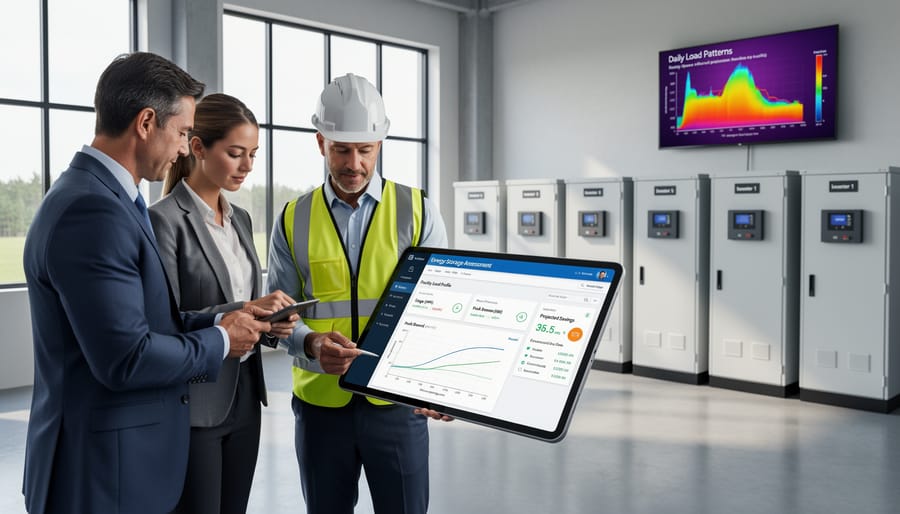
A successful energy storage installation begins with a comprehensive site assessment conducted by experienced professionals who understand your facility’s unique requirements. During this evaluation, specialists examine your current electrical infrastructure, available space for battery placement, and any environmental factors specific to your Illinois location that might affect system performance.
Energy usage pattern analysis forms the foundation of proper system design. Professionals review your facility’s historical electricity consumption data, typically examining 12-24 months of utility bills to identify peak demand periods, seasonal variations, and opportunities for cost savings. This analysis is particularly important in Illinois, where demand charges can significantly impact your electricity costs. Your energy profile helps determine optimal battery capacity and discharge timing.
Based on this assessment, a customized energy storage system is designed specifically for your operational needs. The system is sized to balance your budget with desired outcomes, whether that’s peak shaving, backup power during outages, or maximizing savings from time-of-use rates offered by Illinois utilities. Proper sizing ensures you’re not overpaying for unnecessary capacity while still achieving meaningful returns on your investment. This tailored approach, delivered by locally owned energy storage experts, ensures your system performs efficiently for years to come.
Permitting and Utility Coordination in Illinois
Installing commercial or industrial energy storage in Illinois requires careful coordination with both regulatory authorities and local utilities. Your project will typically need building permits from your municipal government, electrical permits to ensure code compliance, and potentially zoning approvals depending on your system size and location. These requirements vary across Illinois communities, so working with a locally owned installer familiar with regional regulations can streamline the approval process significantly.
Utility interconnection is perhaps the most critical step. Illinois utilities like ComEd and Ameren Illinois have specific application procedures and technical requirements for connecting energy storage systems to the grid. The interconnection agreement outlines how your system will interact with the utility network, including safety protocols and operational guidelines. Processing times can range from weeks to several months depending on system size and complexity.
Experienced installers understand these timelines and can proactively manage the paperwork, coordinate inspections, and communicate with utility representatives on your behalf. They’ll ensure your system meets Illinois electrical codes, utility standards, and safety requirements while keeping your project on schedule. This expertise in solar energy and storage systems helps avoid common pitfalls that can delay projects and increase costs, allowing you to reach operational status and start realizing savings faster.
Installation and System Integration
Installing a commercial or industrial energy storage system typically takes between one to four weeks, depending on system size and your facility’s electrical infrastructure. The process begins with a comprehensive site assessment where our team evaluates your existing electrical systems, available space, and integration points. For businesses with solar arrays already in place, the storage system connects seamlessly to your existing setup, maximizing the value of your solar investment.
During installation, our locally owned team coordinates closely with your operations to minimize disruption. We’ll work with your schedule to ensure critical business functions continue uninterrupted. The physical installation includes mounting battery units, installing inverters and control systems, and integrating monitoring software that allows you to track performance in real-time.
Integration with your electrical system requires coordination with your utility provider and may involve upgrades to your service panel or metering equipment. We handle all permitting, inspections, and utility interconnection agreements required in Illinois. Most businesses experience minimal downtime during the switchover process.
Once operational, you’ll receive training on system monitoring and basic operations. Our team remains available for ongoing support, ensuring your energy storage system delivers the financial benefits and grid resilience you expect from your investment.
Real-World Performance: What Illinois Businesses Are Seeing
Illinois businesses that have implemented commercial energy storage systems are reporting tangible benefits, though results vary based on system size, usage patterns, and utility territory. Understanding what companies in similar situations are experiencing can help set realistic expectations for your investment.
Most Illinois businesses see their energy storage systems begin generating savings immediately through demand charge reduction. Companies with high peak demand periods, such as manufacturing facilities and cold storage warehouses, typically report 15-30% reductions in monthly demand charges. For example, a mid-sized manufacturer in the ComEd territory reduced annual electricity costs by approximately $42,000 in the first year after installing a 500 kW/1 MWh battery system.
Return on investment timelines in Illinois generally range from 5 to 8 years for commercial installations, depending on several factors. Businesses that participate in demand response programs and maximize participation in utility incentive programs tend to see faster payback periods. Those combining energy storage with solar installations often achieve ROI in 4 to 6 years, benefiting from both reduced energy purchases and additional revenue streams.
Maintenance requirements for modern battery systems remain minimal but necessary. Most businesses budget approximately 1-2% of initial system costs annually for ongoing maintenance and monitoring. Illinois climate conditions, including temperature extremes, can affect battery performance slightly during winter months, with most systems showing 5-10% reduced efficiency in subzero temperatures. However, quality systems with proper thermal management maintain consistent performance year-round.
Operational considerations include monitoring software integration with existing building management systems and staff training for basic system oversight. Many Illinois businesses work with local solar and storage experts who provide ongoing support, system monitoring, and performance optimization to ensure maximum financial returns. Regular performance reviews help identify opportunities to adjust charging and discharging schedules based on changing utility rates and operational needs.
Energy storage represents a strategic investment that can transform how Illinois businesses manage electricity costs and operational resilience. By capturing energy during low-cost periods and deploying it when rates peak, commercial and industrial facilities gain direct control over one of their most significant operating expenses. The financial benefits extend beyond simple bill reduction—demand charge management, participation in utility programs, and protection against outages create multiple value streams that strengthen your bottom line year after year.
What makes energy storage particularly attractive for Illinois businesses is the combination of supportive state policies, robust utility incentive programs, and favorable rate structures that maximize return on investment. From ComEd’s energy storage rebates to Ameren Illinois’s demand response opportunities, the infrastructure exists to support your transition to smarter energy management.
However, realizing these benefits requires more than just installing equipment. Success depends on working with professionals who understand Illinois’s unique regulatory environment, utility requirements, and business energy patterns. As a locally owned company with deep expertise in solar energy and storage solutions, we’re positioned to guide you through every step—from initial feasibility analysis to system design, incentive navigation, and long-term performance optimization.
The question isn’t whether energy storage can benefit your Illinois business, but rather how much value it can unlock for your specific operation. We invite you to schedule a professional energy assessment to discover your storage potential and develop a customized strategy that aligns with your financial goals and operational requirements.
