

Solar Project Success: How Smart Timeline Management Keeps Your Installation On Track
Establish clear project milestones with specific completion dates and measurable outcomes to effectively protect your solar investment throughout the installation process. Create buffer zones within your timeline to account for Illinois weather patterns, particularly during winter months when snow and ice can impact installation schedules. Deploy digital project management tools like Asana or Monday.com to track dependencies, coordinate multiple contractors, and automatically flag potential delays before they impact the critical path. Monitor local permit processing times and utility interconnection schedules, adjusting project timelines based on current municipal response rates across Illinois jurisdictions. Successful solar installations depend on precise timing coordination between equipment delivery, crew availability, and inspection schedules – mastering these elements ensures project completion within budget and deadline constraints while maintaining quality standards.
Why Traditional Project Timelines Fall Short in Solar Installations
Weather Dependencies
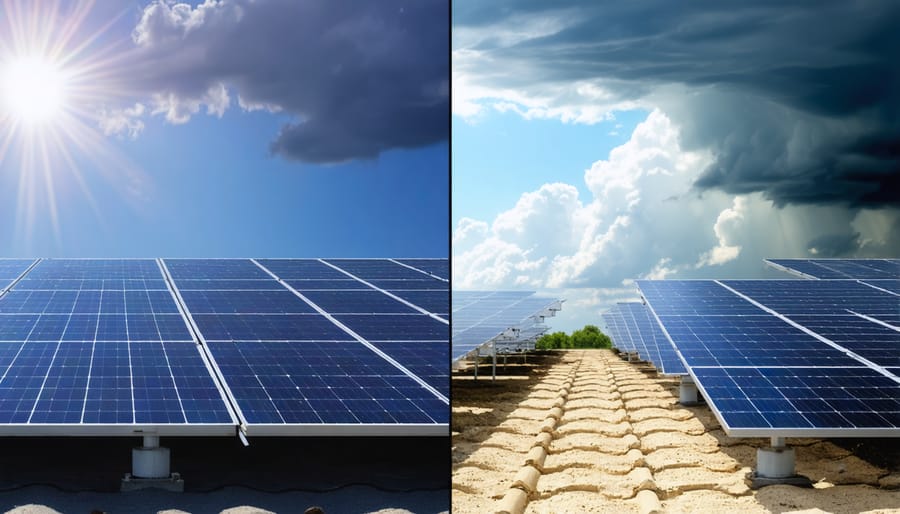
Illinois weather patterns significantly impact solar installation timelines throughout the year. Winter months (December through February) often present challenges with snow, ice, and freezing temperatures that can delay roof access and equipment installation. Spring brings frequent rain showers and occasional severe storms, typically requiring schedule adjustments during March through May.
Summer offers the most favorable conditions for installations, though extreme heat in July and August may necessitate modified work hours to ensure crew safety and optimal equipment handling. Fall presents a mix of conditions, with September and October being particularly suitable for installations before winter approaches.
To maintain efficient project timelines, we recommend scheduling installations during optimal weather windows, typically late spring through early fall. We continuously monitor weather forecasts and maintain flexible scheduling to accommodate sudden changes. Having contingency days built into the project timeline helps manage weather-related delays while keeping projects on track for completion.
Permit and Utility Coordination
Securing permits and coordinating with utility companies are crucial steps that significantly impact your solar project timeline in Illinois. Local municipalities typically require building permits, electrical permits, and sometimes special solar installation permits. The approval process can take anywhere from 2-8 weeks, depending on your location and the complexity of your installation.
ComEd and other Illinois utility providers require interconnection applications and agreements before connecting your solar system to the grid. This process involves submitting detailed system specifications, engineering drawings, and safety documentation. We recommend starting these applications early, as utility reviews can take 3-6 weeks for residential projects and longer for commercial installations.
To minimize delays, gather all required documentation before submitting applications and maintain regular communication with permit offices and utility representatives. Working with an experienced solar installer who understands local requirements and has established relationships with these entities can significantly streamline this process.
Building a Resilient Project Timeline
Buffer Time Integration
Effective buffer time integration is crucial for solar installation projects in Illinois, where weather conditions and permit processing times can vary significantly. Instead of simply adding extra days to your timeline, incorporate smart risk management strategies that maintain project efficiency while providing necessary flexibility.
Consider implementing buffer blocks strategically between major project phases rather than at the end. For example, schedule equipment delivery with a two-day cushion before installation begins, accounting for potential supply chain delays. Similarly, allocate flexible time slots for municipal inspections, which can experience seasonal backlogs.
Use parallel task scheduling where possible. While waiting for permit approvals, teams can prepare site documentation or conduct preliminary assessments. This approach maximizes productivity without extending the overall timeline. Additionally, maintain open communication channels with all stakeholders about buffer periods, ensuring everyone understands these aren’t idle times but strategic padding for unforeseen circumstances.
Remember to adjust buffer allocations based on seasonal factors – longer buffers during winter months when weather delays are more likely, and shorter ones during optimal installation seasons.
Critical Path Identification
In solar project management, identifying the critical path means pinpointing the sequence of tasks that directly impact your installation timeline. For Illinois solar projects, this typically includes permit acquisition, equipment procurement, and installation phases that must happen in a specific order. Weather considerations, particularly during winter months, can significantly affect these timelines.
Start by mapping out all required tasks and their dependencies. For example, roof preparation must precede panel mounting, and electrical wiring must be completed before system testing. Understanding these relationships helps prevent costly delays and ensures efficient resource allocation.
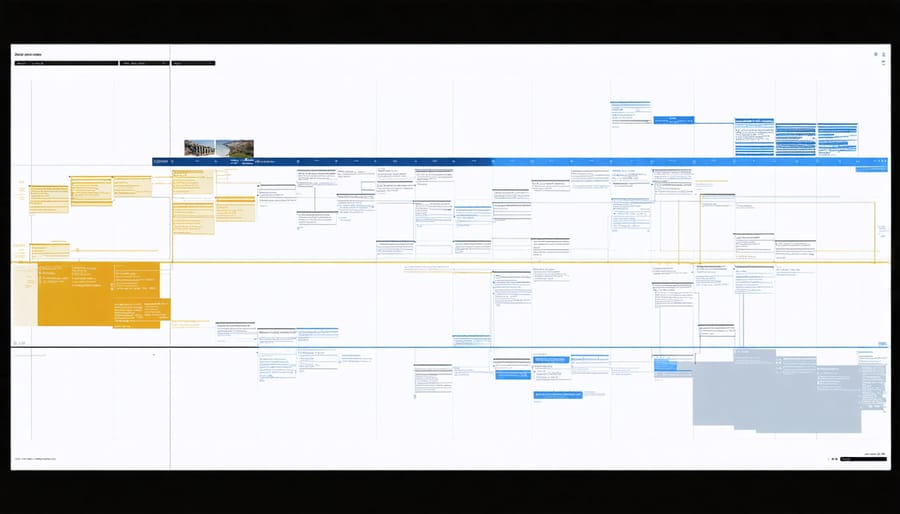
Use project management tools to visualize these dependencies and identify potential bottlenecks. Pay special attention to tasks involving local utility companies and municipal inspections, as these often have fixed processing times that can’t be shortened. Factor in seasonal considerations, such as optimal installation windows during spring and fall when weather conditions are most favorable.
Remember that the critical path may shift during the project as circumstances change. Regular monitoring and adjustment of your timeline ensure your solar installation stays on track while meeting all local requirements and quality standards.
Real-Time Adjustment Strategies
Resource Reallocation
Effective resource reallocation is crucial for maintaining project momentum in solar installations. When timeline challenges arise, quickly identifying and redistributing available resources can help keep your project on track. Start by conducting a thorough assessment of your current resource allocation, including labor, equipment, and materials. Look for areas where resources might be underutilized or could be temporarily shifted to address pressing needs.
Consider creating a flexible resource pool that can be deployed to different aspects of the project as needed. For example, if weather delays affect rooftop installation, redirect installation teams to ground-level prep work or electrical system components. Cross-training team members in multiple aspects of solar installation ensures greater flexibility when reallocating personnel.
Keep communication channels open with suppliers and contractors to quickly adjust delivery schedules and work assignments. Maintain a buffer of critical materials and establish relationships with multiple vendors to prevent bottlenecks. When reallocating resources, always prioritize tasks that could impact subsequent installation phases or regulatory inspections. This strategic approach to resource management helps maintain project momentum while ensuring quality and compliance with Illinois solar regulations.
Communication Protocols
Effective communication is crucial when adjusting project timelines for your solar installation. We recommend establishing a clear notification system that keeps all stakeholders informed about progress, changes, and potential delays. This includes regular email updates, scheduled check-ins, and a dedicated project portal where you can track developments in real-time.
For residential projects, we maintain direct communication with homeowners through weekly progress reports and immediate notifications for any schedule changes. Commercial clients benefit from our structured reporting system, which includes detailed milestone tracking and impact assessments for timeline adjustments.
As part of managing project risks, we utilize a centralized communication platform that automatically notifies relevant parties about weather-related delays, permit processing updates, and equipment delivery schedules. This proactive approach ensures transparency and helps maintain trust throughout the installation process.
Remember to designate a primary point of contact who can address concerns promptly and coordinate with various team members, from installers to permit officials, ensuring smooth information flow throughout your solar project’s timeline.

Technology Tools for Timeline Management
In today’s digital age, numerous technology tools can streamline your solar project timeline management. Project management software like Microsoft Project and Smartsheet offers specialized features for tracking installation milestones, while cloud-based solutions such as Asana and Monday.com enable real-time collaboration among team members, contractors, and clients.
For solar-specific timeline management, tools like Solar Design Software integrate weather forecasting data with project schedules, helping anticipate potential delays due to Illinois’ varying weather conditions. These platforms often include built-in compliance checkers that ensure your project stays aligned with local regulations and permit requirements.
Mobile apps have become increasingly valuable for on-site timeline management. Apps like BuilderTrend allow installation teams to update progress instantly, share photos, and communicate delays or issues immediately. This real-time communication helps maintain schedule accuracy and enables quick adjustments when needed.
Document management systems like SharePoint or Dropbox Business help organize permits, inspection schedules, and equipment delivery timelines in one accessible location. These platforms feature automatic notification systems that alert team members about upcoming deadlines or schedule changes.
For smaller residential projects, even simple digital tools like Google Calendar with shared access can effectively track key dates and milestones. Many of these tools offer free versions or trial periods, allowing you to test their functionality before committing to a paid subscription.
Remember to choose tools that match your project’s scale and complexity. The right technology solution should simplify timeline management, not complicate it with unnecessary features or steep learning curves.
Effective timeline management is crucial for successful solar installations in Illinois, where weather conditions and regulatory requirements can impact project schedules. By implementing the strategies discussed, project managers can better anticipate challenges, adapt to changes, and maintain progress toward completion goals. Regular monitoring, clear communication channels, and the use of digital tools create a robust framework for keeping solar installations on track.
Remember that flexibility is key when managing timelines for solar projects. While having a structured schedule is important, the ability to adjust and respond to unexpected situations often determines project success. Building buffer time into schedules, maintaining open dialogue with stakeholders, and leveraging local expertise helps ensure smooth project progression despite potential obstacles.
As Illinois continues to embrace solar energy, mastering timeline management becomes increasingly valuable. Whether you’re overseeing a residential installation or managing a commercial solar project, these timeline management principles help deliver results that meet both technical requirements and client expectations. By staying organized, responsive, and focused on clear objectives, you can guide your solar installation project to successful completion within reasonable timeframes.
