
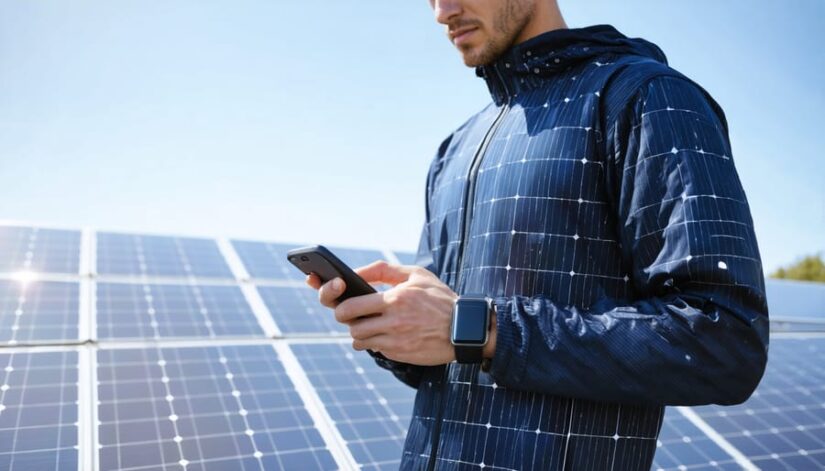
Wearable Solar Panels Are Revolutionizing Personal Energy Generation
Imagine slipping on a jacket that not only keeps you warm but also powers your smartphone, smartwatch, and other devices through innovative solar technology. Wearable solar panels represent a groundbreaking fusion of fashion and renewable energy, transforming everyday clothing into portable power stations. This revolutionary technology integrates ultra-thin, flexible photovoltaic cells directly into fabrics and accessories, making sustainable energy generation as simple as stepping outside.
As Illinois embraces renewable energy solutions, these portable solar innovations offer a compelling glimpse into the future of personal energy generation. From solar-powered backpacks charging laptops during commutes to athletic wear that monitors fitness while harvesting sunlight, wearable solar technology is redefining our relationship with energy consumption. For businesses and homeowners alike, this emerging technology demonstrates how solar power can seamlessly integrate into every aspect of our daily lives, making clean energy not just a choice for our homes and offices, but a natural part of our wardrobe.
How Wearable Solar Technology Works
Flexible Solar Cell Technology
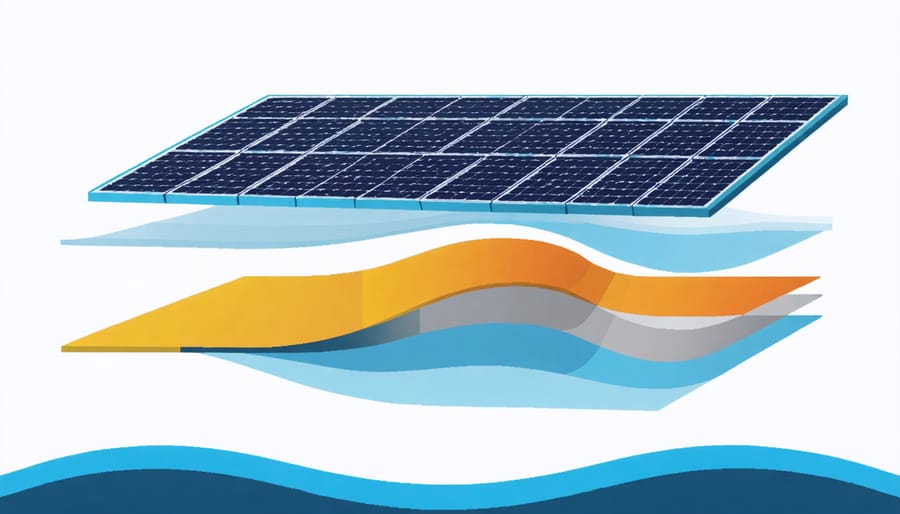
Flexible solar cells represent a groundbreaking advancement in photovoltaic technology, utilizing innovative materials that can bend and conform to various surfaces. These cells are primarily made from thin-film semiconductors, including amorphous silicon, CIGS (Copper Indium Gallium Selenide), and organic photovoltaic materials. Unlike traditional rigid panels, these materials are deposited in layers just a few micrometers thick on flexible substrates like plastic or metal foil.
The manufacturing process involves several precise steps, starting with the deposition of a transparent conductive layer onto the flexible base material. This is followed by laying down the photovoltaic material using techniques such as vapor deposition or solution processing. A protective encapsulation layer is then added to shield the cells from environmental factors while maintaining flexibility.
Recent advances in roll-to-roll manufacturing have made production more efficient and cost-effective. This process, similar to newspaper printing, allows for continuous production of flexible solar cells on long rolls of substrate material. The result is a lightweight, durable, and bendable solar panel that can be integrated into clothing, backpacks, and other wearable items while maintaining reasonable energy conversion efficiency.
Integration with Fabrics
The integration of solar cells into fabrics has revolutionized wearable solar technology through several innovative approaches. One common method involves weaving ultra-thin photovoltaic fibers directly into textile materials, creating a seamless blend of technology and clothing. These specialized fibers are designed to be flexible and durable enough to withstand regular wear and washing.
Another technique uses small, flexible solar panels that are strategically attached to fabric surfaces using advanced adhesives or specialized stitching patterns. These panels are typically encased in waterproof, transparent materials that protect the solar cells while maintaining their efficiency.
Recent developments have introduced printable solar cells that can be applied directly onto fabric surfaces using screen-printing techniques. This method allows for more creative designs and better aesthetics while maintaining functionality. Some manufacturers are also exploring the use of solar-reactive dyes and coatings that can transform any fabric into a power-generating surface.
For optimal integration, designers carefully consider factors like weight distribution, breathability, and comfort while ensuring maximum exposure to sunlight. The placement of power storage components and connecting wires is equally important, often utilizing specially designed conductive threads or flexible circuits that maintain the garment’s comfort and flexibility.
Practical Applications
Personal Electronics Charging
Wearable solar panels have revolutionized how we keep our personal electronics charged while on the move. These innovative portable solar solutions can efficiently power smartphones, tablets, smartwatches, and other USB-powered devices throughout the day.
Modern wearable panels typically generate between 5 and 10 watts of power, enough to charge a smartphone in about 2-3 hours of direct sunlight. The flexible panels can be integrated into backpacks, jackets, or attached to existing bags, making them perfect for Illinois residents who enjoy outdoor activities or have long commutes.
The charging process is straightforward: most wearable solar panels come with built-in voltage regulators and USB ports, allowing direct connection to devices. Some models include power banks that store energy for later use, particularly useful during cloudy Illinois weather or indoor situations.
For optimal charging performance, position the panels to face direct sunlight when possible. Even on overcast days, these panels can still generate enough power to maintain device battery levels, though charging times may increase. The latest models feature weather-resistant materials and durable construction, ensuring reliable performance in various Illinois weather conditions.
Many Illinois commuters find these solar charging solutions particularly valuable during power outages or while spending time at our state’s numerous parks and outdoor spaces.
Outdoor and Emergency Applications
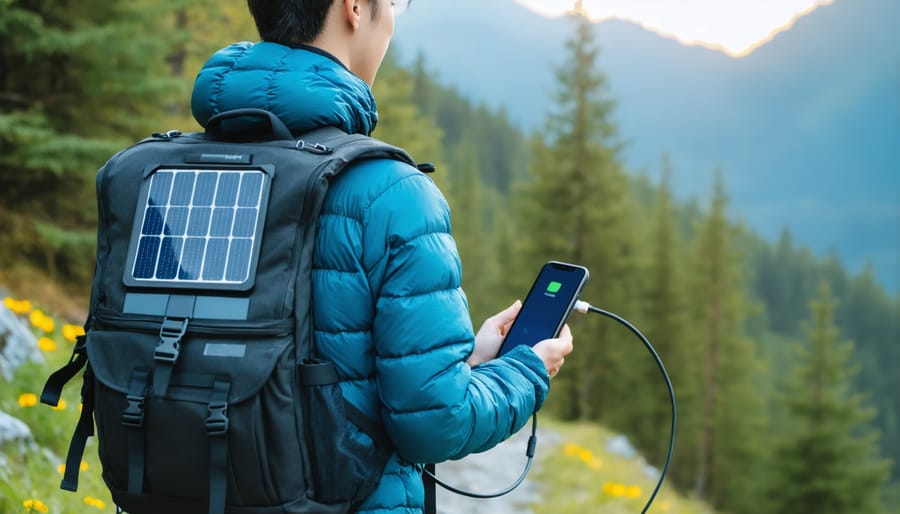
Wearable solar panels have revolutionized outdoor recreation and emergency preparedness, making them essential gear for enthusiasts seeking sustainable outdoor activities. For campers and hikers exploring Illinois’ diverse landscapes, from Shawnee National Forest to Starved Rock State Park, these flexible power sources provide reliable energy for GPS devices, smartphones, and essential camping equipment.
During emergency situations, particularly during Illinois’ severe weather events, wearable solar panels offer a crucial backup power solution. They can keep communication devices operational when traditional power sources fail, ensuring families stay connected and informed during outages. Their lightweight and portable nature makes them ideal for emergency preparedness kits, providing peace of mind during unexpected situations.
The durability of modern wearable solar panels makes them particularly suitable for rugged outdoor use. Many models are water-resistant and designed to withstand various weather conditions, from summer humidity to winter frost. For day hikers and weekend campers, these panels can be integrated into backpacks or attached to tents, continuously charging power banks or devices while on the move.
The versatility of wearable solar panels extends beyond recreation, serving as a reliable power source for outdoor workers, conservation teams, and emergency response personnel across Illinois. Their ability to generate power in remote locations makes them invaluable tools for both planned adventures and unexpected situations.
Benefits for Illinois Residents
Year-round Energy Generation
Wearable solar panels perform remarkably well throughout Illinois’ diverse seasonal conditions. During summer months, when sunlight is abundant, these flexible panels can generate significant power even when partially shaded by clothing folds or body movement. The lightweight design allows for consistent energy production while maintaining comfort in the humid Midwest climate.
In winter, despite shorter days and overcast skies, the panels continue to generate power through their advanced photovoltaic technology that captures both direct and indirect sunlight. Modern wearable solar materials are engineered to perform effectively even in low-light conditions, making them practical for Illinois’ cloudy winter days.
Spring and fall present ideal conditions for wearable solar panels, with moderate temperatures and clear skies maximizing energy generation. The panels’ water-resistant properties ensure continued functionality during Illinois’ frequent rain showers, while their durability withstands temperature fluctuations common to the region.
For optimal year-round performance, positioning the panels on outer layers of clothing or accessories helps maximize exposure to available light, regardless of season or weather conditions.
Cost Savings and Sustainability
Wearable solar panels offer significant financial advantages for Illinois residents looking to save money on energy costs. By integrating these portable power solutions into daily life, users can reduce their dependence on grid electricity and lower monthly utility bills. The initial investment in wearable solar technology typically pays for itself within 2-3 years through energy savings and available state incentives.
From an environmental perspective, each wearable solar panel system in Illinois can prevent approximately 2.3 tons of carbon emissions annually. This reduction is particularly significant in urban areas where traditional energy consumption is highest. The technology’s portable nature also means less environmental disruption compared to fixed solar installations, as no permanent land use or construction is required.
For business owners, incorporating wearable solar panels into employee uniforms or equipment can qualify for additional tax benefits while demonstrating environmental leadership in the community. The technology’s flexibility and scalability make it an attractive option for both small businesses and large corporations seeking sustainable energy solutions in Illinois.
Future Developments
The future of wearable solar technology is poised for remarkable advancements, with several promising developments on the horizon. Researchers are currently working on ultra-thin solar cells that can be seamlessly integrated into everyday clothing without compromising comfort or style. These next-generation cells are expected to achieve efficiency rates of up to 15% while maintaining flexibility and durability.
Smart textiles incorporating solar capabilities are also in development, featuring adaptive properties that can optimize energy collection based on environmental conditions. These materials will be able to automatically adjust their orientation to maximize sun exposure, potentially increasing energy generation by up to 30% compared to current designs.
Emerging printing technologies are set to revolutionize how solar cells are manufactured and integrated into fabrics. New 3D printing methods will allow for custom-designed solar-powered garments that can be produced on demand, reducing waste and manufacturing costs while increasing accessibility.
Battery technology is another area of focus, with researchers developing lightweight, flexible energy storage solutions that can be woven directly into solar-powered clothing. These advanced batteries will offer improved capacity and faster charging times, making wearable solar more practical for daily use.
Perhaps most exciting is the development of transparent solar cells, which could be incorporated into accessories like glasses and watch faces without affecting their appearance. This technology could transform everyday accessories into discrete power generators, further expanding the practical applications of wearable solar technology.
For Illinois residents, these advancements could mean more efficient solar-powered heating elements in winter clothing and improved energy collection during cloudy conditions, making wearable solar increasingly viable throughout the year.
Wearable solar panels represent a significant leap forward in personal energy generation, offering an innovative solution for powering our increasingly mobile lifestyle. As technology continues to advance, these flexible and portable power sources are becoming more efficient and practical for everyday use. From charging our smartphones during outdoor activities to powering medical devices in remote locations, wearable solar panels are transforming how we think about personal energy consumption. For Illinois residents, where sustainable energy adoption is growing rapidly, this technology offers a practical supplement to traditional solar installations. By combining wearable solar solutions with existing renewable energy systems, individuals can create a more comprehensive and flexible approach to clean energy generation. As we move toward a more sustainable future, wearable solar technology will undoubtedly play a crucial role in democratizing access to renewable energy and empowering individuals to take control of their energy needs.
