
Wind Turbines That Actually Blend With Your Illinois Property
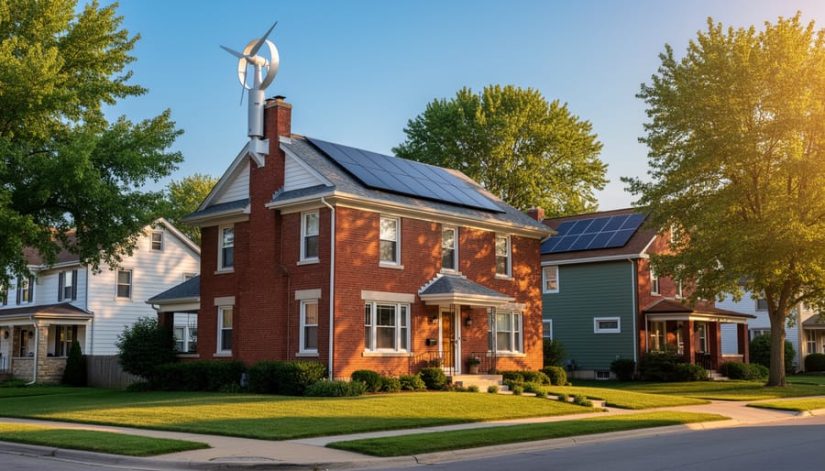
Consider vertical-axis turbines for residential properties, as their compact design and quieter operation make them more suitable for architectural integration than traditional horizontal models. These units can be mounted on rooftops or incorporated into building facades with minimal visual disruption to your property’s aesthetic.
Evaluate micro-wind systems that complement existing architectural features rather than dominate them. Small-scale turbines designed to blend with roof lines, chimneys, or decorative elements allow you to harness wind energy while preserving your building’s character. For historic or traditionally designed properties, consult with local preservation boards early in the planning process to understand restrictions and identify approved integration methods.
Assess your property’s wind resource potential before committing to turbine installation. Illinois experiences variable wind conditions, with stronger, more consistent winds in open rural areas compared to suburban or urban settings. Properties in northern and western Illinois generally offer better wind potential, but site-specific factors like nearby structures, tree coverage, and elevation significantly impact turbine effectiveness.
Combine wind solutions with solar installations for comprehensive renewable energy coverage. While exploring how traditional architecture and renewable energy work together, many Illinois property owners find that solar panels provide more predictable returns and easier architectural integration than wind turbines. Solar systems often deliver greater energy production per dollar invested, particularly in residential and commercial settings where roof space is available and wind exposure is limited by surrounding structures.
Why Wind Turbine Design Matters for Illinois Properties
The Visual Impact Challenge
Traditional wind turbines present a significant aesthetic challenge for property owners who value their building’s visual appeal. The industrial appearance of conventional turbines—with massive blades and towering structures—often clashes dramatically with residential neighborhoods, historic districts, and commercial properties that feature traditional architectural styles. This stark contrast between modern renewable technology and established design creates hesitation among homeowners and business owners who want to embrace clean energy without compromising their property’s character.
The concern goes beyond personal preference. Many properties in Illinois feature classic architectural elements like Victorian detailing, Prairie-style lines, or contemporary commercial facades that simply don’t complement large-scale turbine installations. Property values, neighborhood covenants, and local zoning restrictions further complicate the decision. While Illinois communities embracing renewable energy continue to grow, the visual impact remains a primary barrier to wind energy adoption for individual properties.
This challenge has led many Illinois property owners to explore alternative renewable solutions that integrate more seamlessly with existing architecture. Solar panels, for instance, offer comparable environmental benefits with greater design flexibility and less visual disruption to traditional building aesthetics.
Illinois-Specific Architectural Considerations
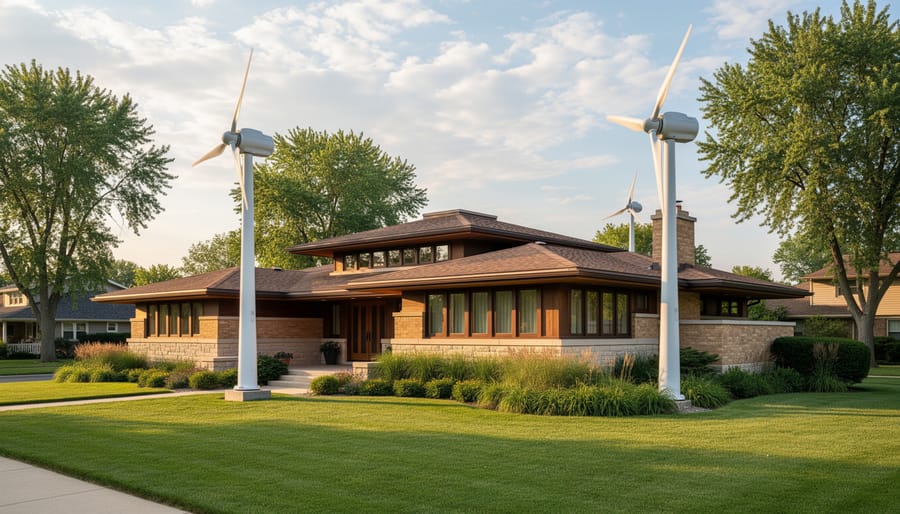
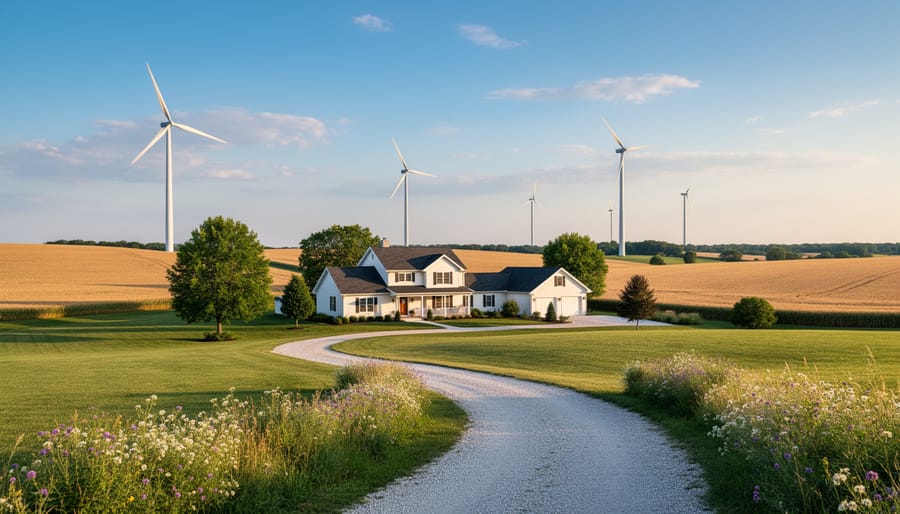
Illinois homeowners and businesses enjoy a rich architectural heritage that requires thoughtful consideration when adding renewable energy systems. The state’s diverse building styles—from Frank Lloyd Wright-inspired Prairie architecture with its distinctive horizontal lines and overhanging eaves, to traditional Colonial homes with symmetrical facades, ornate Victorian residences with detailed trim work, and contemporary farmhouses dotting rural landscapes—each present unique opportunities and challenges for renewable energy integration.
When considering wind turbines or other renewable energy solutions, the key is complementing rather than competing with existing architectural character. For Prairie-style homes, ground-mounted systems positioned away from the main structure often work best, preserving clean sightlines. Colonial and Victorian properties benefit from carefully scaled installations that respect proportional balance. Modern farmhouses typically offer more flexibility, as their design often embraces functional elements as aesthetic features.
However, for most Illinois properties, particularly those with architectural significance, solar energy systems often provide more practical aesthetic integration than wind turbines. Integrating renewable energy with heritage architecture requires expertise in both historical preservation and modern technology—something locally owned renewable energy companies understand well. The goal is achieving energy independence while maintaining the visual integrity that makes Illinois architecture distinctive.
Modern Wind Turbine Architectural Solutions
Small-Scale Residential Turbines
For homeowners considering renewable energy, small-scale residential wind turbines offer an alternative worth exploring, though they come with unique considerations compared to solar installations. These compact systems typically fall into two categories: pole-mounted turbines installed in yards and rooftop-mounted units integrated directly into home structures.
Pole-mounted turbines, standing 30 to 120 feet tall, generally perform better due to access to stronger, steadier winds above ground-level obstructions. Modern designs emphasize sleeker profiles and quieter operation to minimize visual and noise impacts on residential properties. Rooftop turbines, while more visually integrated, often face challenges with turbulence created by the building itself, which can reduce efficiency and create vibration concerns.
In Illinois, residential wind turbines face practical limitations. Our relatively moderate wind speeds in most areas, combined with local zoning restrictions and height limitations in residential neighborhoods, often make these systems less effective than anticipated. Installation costs typically range from $15,000 to $50,000, with energy production varying significantly based on your specific location and local wind patterns.
While architectural wind turbines can complement a home’s design, Illinois homeowners typically find solar energy systems more practical and cost-effective for residential properties. Solar installations offer more predictable performance, fewer zoning hurdles, and better returns on investment in our climate, making them the preferred renewable energy solution for most local properties.
Building-Integrated Wind Systems
Building-integrated wind systems represent an innovative approach to incorporating renewable energy directly into your property’s design. Unlike traditional standalone turbines, these systems become part of the building structure itself, offering a more aesthetically cohesive solution that appeals to homeowners and business owners concerned about visual impact.
Vertical axis wind turbines are particularly well-suited for building integration. These turbines can be mounted along rooflines, incorporated into building corners, or even embedded within facades. Their compact design and ability to capture wind from any direction make them practical for urban and suburban Illinois settings where wind patterns can be unpredictable.
Another approach involves designing architectural features that naturally channel wind to small turbines. This might include ventilation towers or specially designed building edges that accelerate airflow. Some commercial buildings have successfully integrated turbines into parking structure designs or used them as distinctive architectural elements.
However, it’s important to consider Illinois’s moderate wind conditions when evaluating these systems. While building-integrated wind can supplement your energy needs, many Illinois property owners find solar energy provides more consistent and cost-effective returns. The expertise required to properly assess your property’s renewable energy potential—whether wind, solar, or both—is essential for making the right investment decision that balances aesthetics, functionality, and energy production goals.
Landscaping and Placement Strategies
Strategic placement of wind turbines plays a crucial role in balancing energy production with visual appeal on your property. When planning turbine installation, consider placing units away from primary sightlines and main gathering areas. Positioning turbines near existing structures like barns or sheds can help them blend into the built environment rather than dominate open landscapes.
Landscape screening offers practical solutions for minimizing visual impact. Evergreen trees and shrubs create year-round buffers, though you’ll need to maintain adequate distance to prevent interference with wind flow—typically at least 200 feet from the turbine base. Strategic groupings of native Illinois vegetation can soften the industrial appearance while supporting local ecosystems.
However, it’s important to recognize that wind energy requirements don’t always align perfectly with residential aesthetics. For many Illinois property owners, solar energy presents a more architecturally flexible alternative. Solar panels integrate seamlessly into existing structures with minimal landscape disruption, and our locally owned team specializes in designing solar solutions that complement your property’s character while delivering reliable renewable energy. The key is finding the right renewable technology that matches both your energy goals and aesthetic preferences.
Combining Wind and Solar: A Comprehensive Approach
Complementary Energy Production
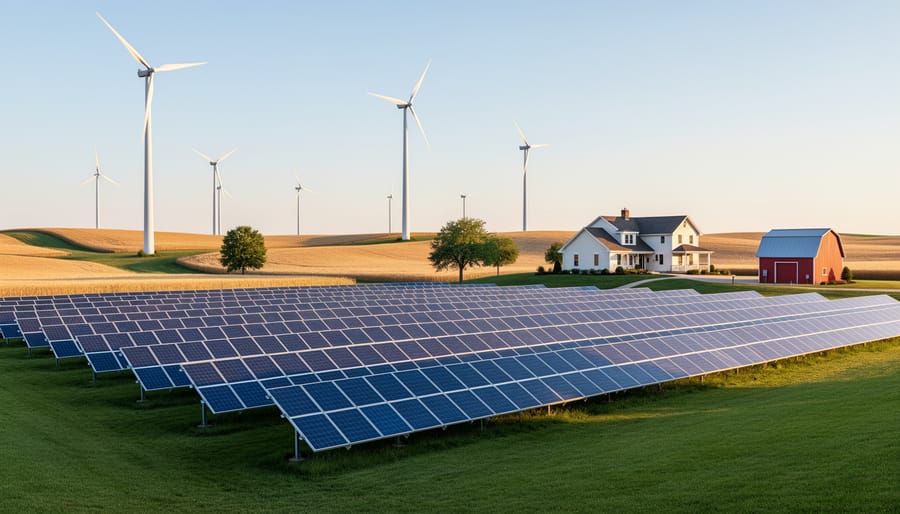
One of the most compelling reasons to consider combining wind and solar energy in Illinois is how naturally their production patterns complement each other. While wind turbines generate electricity around the clock, they typically produce more power during nighttime hours and throughout the winter months when weather systems are most active. Solar panels, conversely, produce energy during daylight hours and reach peak output during summer months when the sun is strongest.
In Illinois’ climate, this complementary relationship becomes particularly valuable. Winter brings stronger, more consistent winds but shorter days with less intense sunlight. During these months, wind energy can compensate for reduced solar production. Meanwhile, summer offers long, sunny days with abundant solar generation but often experiences calmer wind conditions, especially during midday heat.
This natural balance throughout the day and across seasons can provide more consistent renewable energy production than either technology alone. For property owners, understanding this complementary nature helps in planning a comprehensive renewable energy strategy. While wind turbines require specific site conditions and architectural considerations, solar panels offer a more accessible and aesthetically flexible option for most Illinois properties. Our locally owned team brings expertise in solar energy solutions that can help you maximize renewable energy production based on your property’s unique characteristics and your specific energy needs throughout the year.
Unified Aesthetic Design
Creating a harmonious renewable energy system for your Illinois property means thinking beyond individual components. When combining wind turbines with solar panels, the goal is achieving a blending aesthetics with clean energy that enhances rather than detracts from your property’s appearance.
Start by developing a cohesive color palette. Modern wind turbines and solar panels both come in various finishes. Consider matching or complementing your building’s exterior colors, whether that means selecting darker solar panels for contemporary structures or choosing turbine finishes that blend with your roofline.
Spatial planning is equally important. Position turbines and solar arrays to create visual balance across your property. For example, if you install a vertical-axis wind turbine on one side of your building, consider symmetrical solar panel placement to maintain equilibrium.
Material consistency matters too. If your property features specific architectural materials like metal roofing or modern glass facades, select renewable energy equipment with similar textures and finishes. This creates a unified, intentional appearance.
For Illinois property owners, our locally owned team can help you design integrated renewable energy systems that respect your property’s unique character while maximizing clean energy production. We specialize in creating solutions that work together visually and functionally.
Practical Considerations for Illinois Properties
Wind Resource Assessment
Before investing in wind turbine architecture, it’s essential to determine whether your Illinois property receives adequate wind resources. Generally, wind speeds of at least 10-12 miles per hour are needed for residential wind turbines to operate efficiently.
Illinois wind patterns vary significantly by region. Northern and western Illinois, particularly areas near the Mississippi River and open agricultural lands, typically experience stronger and more consistent winds. Central Illinois also offers favorable conditions due to flat terrain with minimal obstructions. In contrast, southern Illinois and densely wooded or urban areas generally have lower average wind speeds, which may limit wind energy potential.
To assess your property’s wind resource, start by reviewing the U.S. Department of Energy’s Wind Resource Maps, which provide regional data. However, local conditions like nearby buildings, trees, and terrain can significantly impact wind flow at your specific location. Consider conducting a site-specific assessment using an anemometer to measure actual wind speeds over several months.
For most Illinois homeowners and businesses, solar energy often proves more practical and cost-effective than wind power, especially in suburban and residential settings. Our team can help you evaluate which renewable energy solution best suits your property’s unique characteristics and energy goals.
Local Regulations and Permits
Installing a wind turbine in Illinois requires navigating state and local regulations that vary by municipality. Most counties enforce zoning laws that classify wind turbines based on size and intended use, with residential installations typically facing more restrictive requirements than agricultural or commercial projects.
Setback requirements are particularly important, often mandating that turbines be positioned at least 1.5 times their total height away from property lines and occupied structures. For example, a 100-foot turbine would need to be at least 150 feet from neighboring properties. Height restrictions commonly cap residential turbines between 80 and 120 feet, though some areas permit taller structures with special use permits.
The permitting process begins with contacting your local zoning office to determine specific requirements for your area. You’ll likely need to submit detailed plans showing turbine specifications, site layouts, and noise impact assessments. Building permits are mandatory and often require professional engineering certifications to ensure structural safety.
Before investing significant time in wind turbine planning, consider whether solar energy might better suit your property’s characteristics and local regulations. Many Illinois homeowners find solar installations face fewer regulatory hurdles while delivering comparable renewable energy benefits. Working with locally owned renewable energy experts can help you navigate these requirements and identify the most practical clean energy solution for your specific situation.
Installation and Maintenance Requirements
Installing architecturally integrated wind systems requires careful assessment of your property’s structural capacity. Building-mounted turbines need engineered foundations or reinforced rooftop installations to handle vibration and wind loads. Professional structural evaluations are essential before installation, particularly for Illinois properties that experience varying weather conditions throughout the year. Ground-mounted systems typically involve concrete foundations and proper setback distances from structures.
Maintenance requirements for architectural wind turbines are generally moderate but consistent. Most systems need semi-annual inspections to check blade integrity, mounting hardware, and electrical connections. Unlike larger commercial turbines, building-integrated units are more accessible for routine checks. However, regular monitoring helps prevent performance issues and ensures safe operation. Professional maintenance is recommended, especially for rooftop installations where access and safety concerns exist.
For Illinois property owners, it’s worth noting that solar energy systems often present simpler installation and maintenance profiles compared to wind turbines. Solar panels require minimal ongoing maintenance and integrate seamlessly with most architectural styles, making them an attractive alternative or complement to wind power for comprehensive renewable energy solutions.
Cost and Return on Investment
Initial Investment and Financing Options
Understanding the financial commitment for wind turbines helps you make informed decisions about renewable energy. For residential wind systems in Illinois, initial costs typically range from $15,000 to $50,000 for smaller turbines (5-15 kW), while commercial-scale projects can exceed $3 million depending on capacity and site requirements.
Several financing options can make wind energy more accessible. Federal Investment Tax Credits (ITC) may cover up to 30% of installation costs, and Illinois offers additional renewable energy incentives through programs like the Illinois Shines initiative. Many homeowners and businesses explore options including home equity loans, specialized renewable energy loans, and power purchase agreements where third-party developers own and maintain the system while you purchase the electricity at agreed-upon rates.
Property Assessed Clean Energy (PACE) financing allows you to repay costs through property tax assessments over extended periods. While wind turbines require substantial upfront investment, combining available incentives with long-term energy savings creates viable pathways for residential and commercial adoption throughout Illinois.
Illinois Incentives and Rebates
Illinois property owners exploring wind energy solutions should understand the financial support available through various programs. The federal Investment Tax Credit (ITC) allows eligible small wind systems to claim up to 30% of installation costs, significantly reducing upfront expenses. At the state level, Illinois offers several pathways to make renewable energy more affordable.
The Illinois Shines program, primarily focused on solar installations, demonstrates the state’s commitment to renewable energy adoption. Net metering policies enable property owners to receive credits for excess electricity generated and fed back into the grid. Additionally, local municipalities and utilities often provide supplementary rebates and financing options. Illinois renewable energy incentives continue to evolve, making clean energy investments increasingly accessible.
Property tax exemptions for renewable energy systems mean the added value from wind turbines won’t increase your property taxes. Business owners may also benefit from accelerated depreciation schedules. Our locally owned team specializes in helping Illinois residents navigate these programs, ensuring you maximize available incentives while transitioning to sustainable energy solutions tailored to your property’s unique needs.
Integrating renewable energy into your property doesn’t mean compromising the architectural character you value. Whether you’re considering wind turbines or other renewable solutions, thoughtful design and professional guidance make all the difference. The key is working with experienced professionals who understand both the technical requirements of renewable energy systems and the aesthetic considerations unique to traditional architecture.
For Illinois property owners, partnering with locally owned experts ensures your renewable energy project respects regional architectural styles while maximizing energy efficiency. These professionals can assess your specific property conditions, local zoning requirements, and aesthetic preferences to recommend the most appropriate solutions. While wind turbines offer exciting possibilities in certain settings, comprehensive energy evaluations often reveal that solar panels, ground-mounted systems, or hybrid approaches better suit your needs without compromising visual appeal.
The transition to renewable energy is a significant investment in your property’s future. Taking time to explore all available options, understanding how different technologies integrate with your existing architecture, and consulting with specialists who combine technical expertise with design sensitivity will help you achieve both energy independence and architectural harmony. Your renewable energy journey should enhance, not detract from, the character that makes your property distinctive.
