

How Global Energy Policies Are Reshaping Illinois’ Solar Workforce
Global energy policies are reshaping Illinois’ renewable energy landscape, creating unprecedented opportunities for local businesses and workforce development. As nations worldwide accelerate their transition to clean energy, our state stands at the forefront of a transformative economic shift that’s generating thousands of new jobs in solar installation, manufacturing, and maintenance.
The interconnected nature of modern energy markets means decisions made in Paris, Beijing, or Brussels directly impact solar industry growth in communities like Springfield, Aurora, and Chicago. International climate agreements and renewable energy targets are driving increased demand for solar technologies, while global supply chains and technology transfer agreements are making solar installations more affordable and efficient for Illinois homeowners and businesses.
This ripple effect of global policy decisions extends beyond mere market dynamics. Local workforce development programs, technical training initiatives, and green energy incentives are increasingly aligned with international standards and best practices, creating a robust ecosystem for sustainable energy careers. For Illinois residents and businesses, understanding these global-to-local connections is crucial for navigating the evolving energy landscape and capitalizing on emerging opportunities in the renewable sector.
Current Global Energy Policy Landscape

Paris Agreement Impact
The Paris Agreement has significantly influenced Illinois’s renewable energy landscape, particularly in creating new workforce opportunities. As countries worldwide commit to reducing greenhouse gas emissions, local communities are experiencing increased demand for skilled workers in renewable energy sectors. Illinois has responded to these international climate commitments by accelerating its solar energy initiatives, leading to a surge in job opportunities for solar installers, technicians, and project managers.
These global climate goals have prompted state-level policies that support renewable energy adoption, creating a ripple effect in local job markets. For Illinois businesses and homeowners, this means greater access to qualified solar professionals who understand both international standards and local requirements. The agreement’s emphasis on clean energy has also sparked investment in training programs across the state, preparing workers for careers in solar installation, energy efficiency, and related fields.
The impact extends beyond direct installation jobs, creating positions in sales, customer service, and project development. As Illinois continues aligning its energy policies with international climate commitments, the local solar workforce is expected to grow substantially, offering stable career opportunities while contributing to global climate goals.
Global Investment Trends
Global renewable energy investments have reached unprecedented levels, with over $500 billion invested worldwide in 2022. This surge in funding has created a ripple effect in job markets, particularly benefiting local communities in Illinois. As global energy partnerships continue to strengthen, we’re seeing increased opportunities for workforce development in the renewable sector.
Major investment trends show a clear shift toward solar and wind technologies, with Asian markets leading manufacturing investments while North American regions focus on installation and maintenance jobs. In Illinois, this translates to growing demand for solar installers, technicians, and project managers. International corporations are increasingly partnering with local businesses, creating sustainable job opportunities and fostering economic growth in our communities.
The pattern of investment also reveals a strong emphasis on training programs and skill development, ensuring that local workers can adapt to emerging technologies. This alignment between global investment and local workforce development has positioned Illinois as a key player in the renewable energy transition, particularly in the solar sector.
U.S. Federal Policy Framework
Clean Energy Incentives
Federal clean energy incentives have transformed the solar industry landscape, creating unprecedented opportunities for growth and job creation. The Inflation Reduction Act of 2022 stands as a cornerstone policy, offering tax credits of up to 30% for residential and commercial solar installations through 2032. These incentives have significantly reduced the financial barriers to solar adoption, making renewable energy more accessible to Illinois homeowners and businesses.
The Investment Tax Credit (ITC) has proven particularly effective in stimulating local economic growth. When combined with state-level incentives, these programs have helped create thousands of well-paying jobs across Illinois’s solar sector, from installation technicians to project developers and sales professionals. Companies investing in solar projects can also benefit from bonus credits for meeting domestic content requirements and supporting workforce development initiatives.
Additional federal programs, including grants and low-interest financing options, further support the expansion of solar manufacturing facilities and training programs. The Department of Energy’s loan guarantee program has been instrumental in scaling up innovative solar technologies and manufacturing capabilities within the state. These initiatives not only drive environmental sustainability but also strengthen America’s energy independence while fostering local economic development.
For Illinois businesses and residents, these incentives represent a valuable opportunity to participate in the clean energy transition while potentially reducing their energy costs and creating sustainable job opportunities in their communities.
Workforce Training Programs
As global energy policies drive the transition to renewable sources, federal initiatives are creating robust solar workforce development programs that prepare Illinois residents for careers in clean energy. These programs focus on essential skills like solar panel installation, system maintenance, and energy efficiency assessment, providing participants with industry-recognized certifications.
The Department of Energy’s workforce training initiatives have been particularly impactful in Illinois, offering specialized courses that combine classroom learning with hands-on experience. Local community colleges and technical schools partner with industry leaders to ensure training aligns with current market demands and technological advances.
These programs particularly benefit communities transitioning from traditional energy sectors, providing new career pathways in renewable energy. In Illinois, initiatives specifically target veterans, displaced workers, and underserved communities, offering tuition assistance and job placement services.
The success of these training programs is evident in the growing number of solar installations across Illinois, with certified professionals helping homeowners and businesses make the switch to renewable energy. As global policies continue to emphasize clean energy adoption, these workforce development initiatives ensure Illinois maintains a skilled labor force ready to meet the increasing demand for solar energy solutions.
Illinois’ Response to Global Policies
State-Level Initiatives
Illinois has emerged as a leader in solar workforce development through several groundbreaking Illinois solar policy initiatives that connect global energy trends with local opportunities. The Solar Training Pipeline Program, launched in 2021, provides comprehensive education and hands-on experience for aspiring solar installers, technicians, and designers. This program has already trained over 500 Illinois residents, with a particular focus on creating opportunities in underserved communities.
The Illinois Clean Jobs Workforce Network offers specialized training programs that align with international best practices while addressing local market needs. These programs include solar installation certification courses, advanced technical training, and business development workshops for solar entrepreneurs. The state’s commitment to renewable energy has created over 5,000 new solar-related jobs in the past three years.
Additionally, the Solar for All initiative combines workforce development with community solar projects, ensuring that training participants gain real-world experience while benefiting local neighborhoods. The program includes apprenticeships with established solar companies, mentorship opportunities, and job placement assistance. This comprehensive approach has made Illinois a model for other states looking to develop their solar workforce while contributing to global climate goals.
Local Job Market Impact
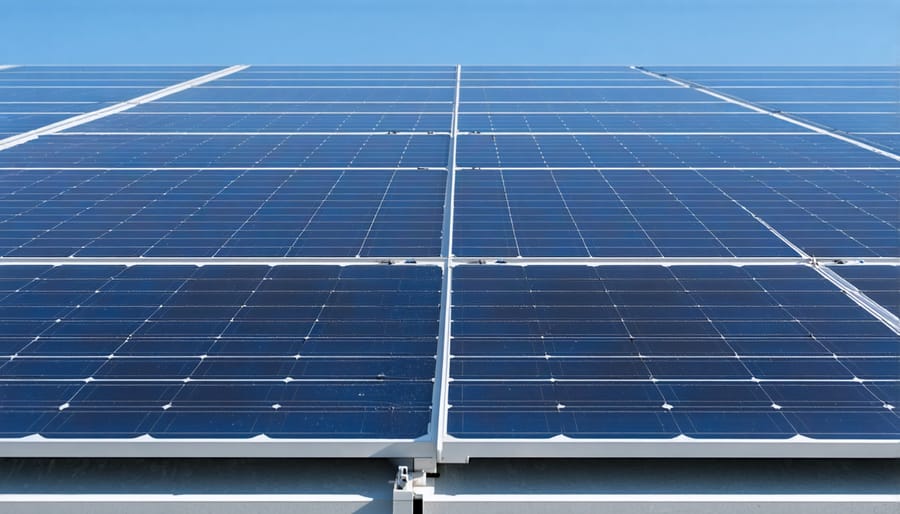
Global energy policies are creating significant employment opportunities in Illinois’s solar sector, with recent studies indicating a robust growth trajectory for local job markets. The state’s commitment to renewable energy, coupled with international climate agreements, has sparked a surge in solar installation projects and related positions across the value chain.
Illinois solar companies are actively recruiting for roles ranging from installation technicians and project managers to sales representatives and system designers. The demand is particularly strong in urban areas like Chicago and its suburbs, where commercial and residential solar installations continue to rise. Current industry data shows that solar jobs in Illinois offer competitive wages, with entry-level positions starting around $18-22 per hour and experienced professionals earning significantly more.
The implementation of global renewable energy standards has led to increased investment in local training programs and apprenticeships. Community colleges and technical schools across Illinois are expanding their renewable energy curricula to meet this growing demand. These educational initiatives are creating clear career pathways for Illinois residents interested in joining the solar industry.
Looking ahead, experts predict that international commitments to reduce carbon emissions will continue to drive job growth in Illinois’s solar sector. The combination of federal incentives, state-level policies, and global environmental agreements is expected to create thousands of new solar-related positions over the next decade, offering stable, well-paying career opportunities for Illinois workers.
Future Workforce Development Opportunities
Skills Gap Analysis
The transition to sustainable energy has revealed significant workforce gaps that need addressing, particularly in Illinois’ growing solar industry. Technical skills shortages are most prominent in solar installation, energy storage systems, and smart grid technologies. Currently, there’s a pressing need for certified solar installers, with industry reports indicating a 35% shortage in qualified technicians across the state.
Engineering and system design capabilities represent another critical gap, especially as solar technologies become more sophisticated. Data analysis and digital monitoring skills are increasingly important, yet many workers lack the necessary training in these areas. The maintenance sector also shows substantial deficits, with too few technicians qualified to service advanced renewable energy systems.
To address these gaps, Illinois is developing targeted training programs through community colleges and trade schools. Local businesses are partnering with educational institutions to create apprenticeship opportunities, helping bridge theoretical knowledge with practical experience. The focus is on developing a skilled workforce that can support the state’s ambitious renewable energy goals while creating sustainable career pathways for Illinois residents.
Career Growth Pathways
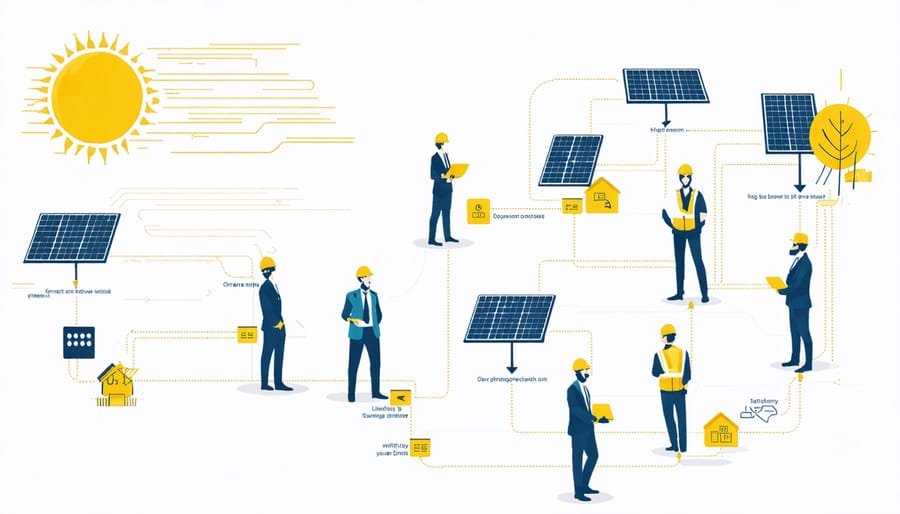
The renewable energy sector, particularly solar, offers diverse and promising career opportunities in Illinois. As global energy policies drive sustainable development, professionals can advance through various pathways in installation, system design, project management, and policy advocacy. Entry-level technicians can progress to master installers or crew leaders, while engineers and designers can move into specialized roles in innovation and technology development.
The growing demand for solar solutions, supported by solar energy incentives, has created opportunities in sales, consulting, and business development. Professional certifications and continued education programs help workers stay current with evolving technologies and regulations.
Illinois’s commitment to clean energy transition has opened doors for policy analysts, environmental consultants, and renewable energy educators. Those with technical backgrounds can advance into operations management or start their own solar installation companies. The sector also values professionals in finance, legal compliance, and customer relations, offering multiple paths for career growth aligned with global sustainability goals.
Global energy policies continue to shape the landscape of workforce development in Illinois’s renewable energy sector, particularly in solar. These international frameworks have created a ripple effect, stimulating local job growth and fostering new opportunities for skilled workers. The impact is evident in the increasing demand for solar installers, technicians, and energy consultants across the state.
As countries worldwide commit to ambitious climate goals and sustainable energy targets, Illinois has positioned itself to capitalize on these trends. Local businesses and training programs are adapting to meet the growing need for qualified professionals, with many community colleges and technical schools offering specialized renewable energy certifications.
Looking ahead, the outlook for Illinois’s solar workforce remains promising. Industry projections suggest continued growth in solar-related employment opportunities, driven by both global policy initiatives and local incentives. The combination of international environmental agreements and state-level renewable energy standards is expected to maintain strong demand for skilled workers in the solar sector.
For homeowners and businesses considering solar adoption, this workforce development trend ensures access to qualified local professionals who understand both the technical aspects of solar installation and the specific requirements of Illinois’s climate and regulations. The state’s growing pool of solar energy experts represents a valuable resource for communities transitioning to cleaner energy solutions.
These developments highlight how global policies can translate into tangible benefits for local communities, creating sustainable career paths while supporting Illinois’s clean energy goals.
