
Solar Panel Recycling Facilities Transform Illinois’s Green Energy Future
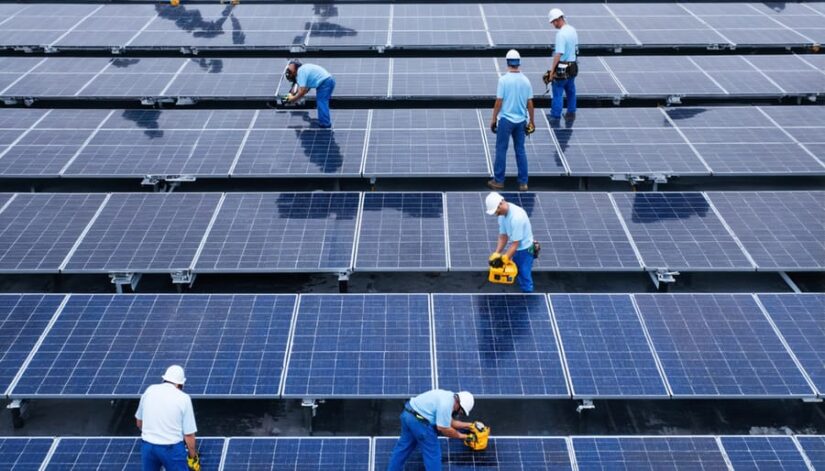
As Illinois’s solar energy sector continues to expand, the critical need for efficient solar panel recycling facilities takes center stage. These specialized facilities represent the crucial final chapter in sustainable solar energy, recovering valuable materials like silver, silicon, and aluminum from decommissioned panels while preventing hazardous components from entering landfills. With the state’s solar installations growing exponentially and the first wave of panels approaching end-of-life, recycling facilities are emerging as essential infrastructure for maintaining the renewable energy industry’s environmental promise.
Modern solar panel recycling facilities employ advanced mechanical and chemical processes to recover up to 95% of panel materials, transforming potential waste into valuable resources for manufacturing new panels and other products. These operations not only support Illinois’s commitment to renewable energy but also create local jobs and contribute to a circular economy. As the state advances toward its ambitious clean energy goals, these facilities play a pivotal role in ensuring solar power remains a truly sustainable solution for future generations.
The Rising Need for Solar Panel Recycling in Illinois
Current Solar Panel Waste Statistics
According to recent data from the Illinois Power Agency, over 100,000 solar panel installations are currently active across the state. As these panels progress through their solar panel life cycle, an estimated 20,000 panels will reach their end-of-life stage by 2025. This number is projected to increase significantly, with approximately 80,000 panels requiring recycling by 2030. The Chicago metropolitan area accounts for roughly 60% of these installations, making it a crucial hub for future recycling needs.
Currently, Illinois generates about 500 tons of solar panel waste annually, primarily from damaged or prematurely decommissioned panels. This figure is expected to triple by 2025 as the first wave of panels installed during the 2010 solar boom reaches retirement age. These statistics underscore the growing need for dedicated recycling facilities across the state to manage this emerging waste stream effectively and sustainably.
Environmental Impact of Improper Disposal
Improper disposal of solar panels can lead to significant environmental hazards, undermining the positive environmental impact of solar energy. When panels end up in landfills, toxic materials like lead, copper, and semiconductor compounds can leach into soil and groundwater. These substances pose risks to local ecosystems and potentially contaminate drinking water sources. In Illinois, strict regulations require proper handling and disposal of solar panels through certified recycling facilities. These requirements align with federal guidelines for handling electronic waste and hazardous materials. The presence of heavy metals and other harmful compounds makes it crucial for panels to be processed at specialized facilities where components can be safely separated and properly contained. This ensures that potentially harmful materials don’t enter the environment while valuable resources are recovered for reuse in manufacturing new products.
Modern Recycling Facility Operations
Collection and Transportation Systems
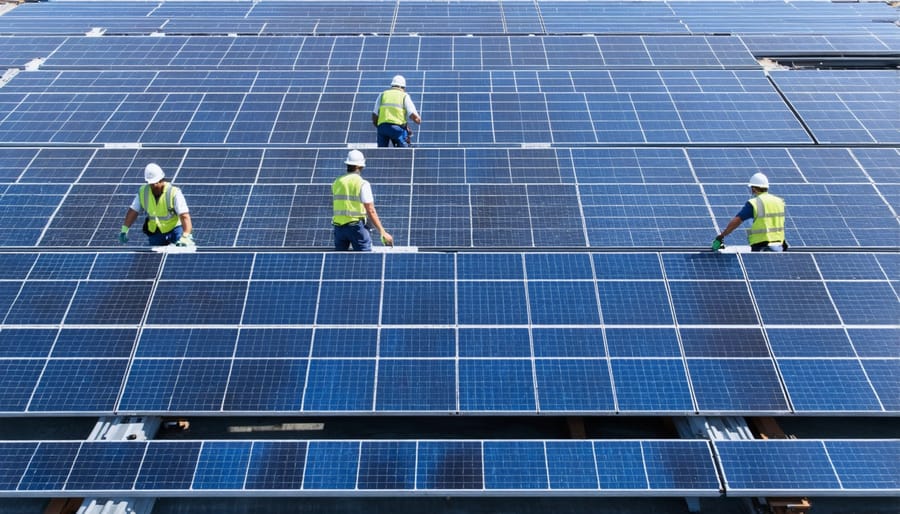
The journey of recycling solar panels begins with a well-organized collection network throughout Illinois. When solar panels reach the end of their useful life, typically after 25-30 years, specialized collection teams assess and carefully remove them from their installation sites. These teams use proper handling techniques to prevent damage and maintain the recyclable value of the materials.
Local solar installers and waste management companies coordinate pickup schedules with homeowners and businesses, often offering convenient collection windows. The panels are carefully packaged and secured to prevent breakage during transport. Special handling equipment, including cushioned crates and custom-designed racks, ensures safe movement from collection points to recycling facilities.
Transportation follows optimized routes across Illinois to minimize environmental impact and costs. Licensed haulers use specialized vehicles equipped with proper securing mechanisms to prevent shifting during transit. These trucks often operate on regional routes, collecting panels from multiple locations before delivering them to the nearest recycling facility. Real-time tracking systems help coordinate pickups and ensure efficient logistics management throughout the collection and transportation process.
Advanced Recovery Technologies
Modern recycling facilities employ sophisticated technologies to transform solar panels into resources that can be reused in manufacturing new products. The process begins with automated dismantling systems that carefully separate the different components of solar panels. These systems use precise mechanical separation techniques to remove the aluminum frames and junction boxes while preserving the integrity of the materials.
Thermal separation technology plays a crucial role in recovering silicon cells from the glass and plastic components. The panels are heated in specialized chambers where the encapsulating materials, typically EVA (ethylene vinyl acetate), break down, allowing for clean separation of the valuable silicon wafers. Advanced optical sorting systems then classify materials based on their composition and purity levels.
Chemical processing represents another vital step in the recovery process. Specialized solutions extract precious metals like silver and copper from the conductor strips and bus bars. These metals are particularly valuable and can be refined to a purity suitable for use in new electronic components.
The latest innovation in panel recycling involves robotic systems equipped with artificial intelligence. These robots can identify different panel types and adjust their dismantling approach accordingly, maximizing material recovery rates. Current technology can achieve recovery rates of up to 95% of the panel materials, significantly reducing waste and environmental impact.
Water-based separation techniques help segregate lighter materials like plastics from heavier components. The process uses environmentally friendly solutions and closed-loop water systems to minimize environmental impact while ensuring optimal material recovery.
Benefits for Illinois Businesses and Homeowners
Cost Savings and Incentives
Investing in solar panel recycling can yield significant financial benefits for businesses and organizations in Illinois. The state offers various tax incentives and grants for companies that participate in sustainable waste management practices, including solar panel recycling. These programs can offset initial setup costs and ongoing operational expenses.
Businesses can realize substantial savings through material recovery, as recycled components like silver, silicon, and aluminum can be resold in secondary markets. Additionally, participating in solar panel recycling programs often qualifies companies for federal environmental credits and state-level sustainability incentives.
For manufacturers and installers, establishing partnerships with recycling facilities can reduce disposal costs while creating new revenue streams through material recovery. Many facilities offer revenue-sharing programs where partners receive a percentage of the value recovered from recycled panels.
The Illinois Environmental Protection Agency periodically announces new grant opportunities and cost-sharing programs specifically for renewable energy recycling initiatives. Local utilities and environmental organizations also provide financial support through various sustainability programs, making solar panel recycling an increasingly cost-effective solution for businesses across the state.
Environmental Responsibility
Solar panel recycling facilities play a crucial role in reducing the environmental impact of renewable energy technology. By properly processing and recycling end-of-life solar panels, these facilities prevent potentially harmful materials from entering landfills while significantly lowering the carbon footprint of solar energy production.
The recycling process itself helps recover valuable materials like silicon, glass, and metals, which can be reused in manufacturing new panels or other products. This circular approach reduces the need for raw material extraction and processing, leading to substantial energy savings and decreased environmental impact.
In Illinois, solar panel recycling facilities contribute to the state’s sustainability goals by supporting the renewable energy sector’s long-term viability. Studies show that recycling solar panels can reduce their lifetime carbon footprint by up to 70%. These facilities also help local businesses and homeowners meet environmental compliance requirements while demonstrating their commitment to sustainable practices.
By ensuring proper end-of-life management of solar panels, these facilities support Illinois’s transition to clean energy while protecting our environment for future generations.
Future of Solar Panel Recycling in Illinois
Emerging Technologies
Recent advances in solar panel recycling technology are making the process more efficient and environmentally friendly. Automated systems now use artificial intelligence to sort different panel components, significantly reducing manual labor and improving accuracy. Innovative thermal separation techniques allow for better recovery of silver and silicon, two valuable materials found in solar panels.
Illinois facilities are beginning to implement robotic systems that can dismantle panels with precision, protecting delicate components and maximizing material recovery. New chemical processes are being developed that can separate and purify materials without harmful emissions, making recycling more sustainable.
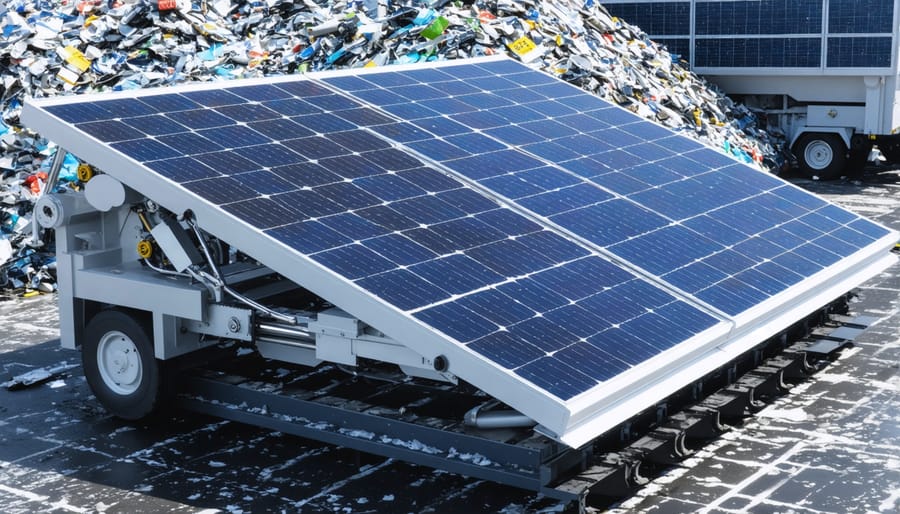
Another promising development is the emergence of mobile recycling units. These portable facilities can process panels on-site at large solar farms, reducing transportation costs and environmental impact. Additionally, researchers are working on designing new solar panels with recycling in mind, incorporating easily separable components and recyclable materials.
These technological improvements are expected to reduce recycling costs by up to 50% in the coming years, making solar energy even more sustainable for Illinois communities and businesses.
Industry Growth Projections
The solar panel recycling industry in Illinois is poised for significant growth over the next decade. Industry analysts project a 25% annual increase in recycling facility capacity through 2030, driven by the first wave of panels reaching end-of-life status and stricter environmental regulations. Local facilities are expected to expand their operations to handle an estimated 80,000 tons of solar panel waste annually by 2025.
This growth is supported by increasing demand from both residential and commercial sectors, as well as state initiatives promoting sustainable waste management practices. New technological advancements in recycling processes are making it more economically viable to recover valuable materials, encouraging more companies to enter the market.
Illinois is particularly well-positioned to become a regional hub for solar panel recycling, with several facilities planning expansions in the Chicago metropolitan area and downstate regions. These developments are expected to create hundreds of new jobs while supporting the state’s renewable energy goals. Industry experts anticipate that by 2035, recycling capacity will need to triple to meet the growing demand from decommissioned solar installations across the Midwest.
Solar panel recycling facilities are crucial pillars in Illinois’s journey toward a sustainable energy future. As our state continues to embrace solar power, these facilities ensure that end-of-life panels don’t become environmental burdens but instead transform into valuable resources. By recovering precious materials and reducing waste, recycling facilities complete the circle of sustainability in solar energy production. They create local jobs, preserve natural resources, and demonstrate our commitment to responsible energy practices. Looking ahead, these facilities will play an increasingly vital role as more solar installations reach retirement age. For Illinois homeowners and businesses, supporting and utilizing these recycling facilities means contributing to both environmental protection and economic growth in our communities. Their presence ensures that solar energy remains a truly sustainable solution for generations to come.
