
How Local Green Energy Partnerships Are Reshaping Illinois Solar Policy
The transition to renewable energy isn’t just an environmental imperative—it’s becoming a cornerstone of modern economic policy across Illinois and beyond. As energy costs continue to rise and climate challenges intensify, green energy policies are reshaping how businesses operate, how communities develop, and how homeowners invest in their properties. Illinois stands at the forefront of this transformation, with groundbreaking initiatives like the Climate and Equitable Jobs Act (CEJA) demonstrating how smart policy can drive both environmental protection and economic growth.
From solar incentives that make clean energy accessible to everyday homeowners, to large-scale wind projects powering entire communities, effective green energy policies are creating a blueprint for sustainable development while generating thousands of local jobs. These policies aren’t just about reducing carbon emissions—they’re about building resilient communities, fostering energy independence, and creating new opportunities for Illinois businesses and residents alike.
The success of green energy policy hinges on strong partnerships between government agencies, private businesses, and community organizations. By working together, these stakeholders are developing innovative solutions that make renewable energy more affordable, accessible, and efficient for everyone in Illinois. Understanding these policies and partnerships is crucial for anyone looking to participate in the clean energy revolution, whether as a homeowner, business owner, or community leader.
The Evolution of Illinois Green Energy Policy
Key Policy Milestones
Illinois has made significant strides in green energy policy over the past two decades. In 2007, the state launched its first Renewable Portfolio Standard (RPS), setting initial clean energy goals. A major breakthrough came in 2016 with the Future Energy Jobs Act (FEJA), which strengthened the RPS and established ambitious solar programs.
The landmark Climate and Equitable Jobs Act (CEJA) of 2021 marked a turning point, committing Illinois to 100% clean energy by 2050. This legislation created the Coal-to-Solar Energy Storage Initiative and expanded the Illinois Solar for All program, making solar energy more accessible to low-income communities.
In 2022, the state introduced additional incentives through the Illinois Shines program, offering renewable energy credits to homeowners and businesses investing in solar installations. The Smart Grid Infrastructure program, implemented in phases since 2011, continues to modernize the power grid to accommodate increasing renewable energy capacity.
Most recently, Illinois launched the Clean Energy Innovation Fund in 2023, providing grants for emerging green technologies and supporting local clean energy businesses.
Current Policy Framework
Illinois currently operates under a comprehensive renewable energy framework that combines state and federal initiatives. The Illinois Clean Energy Jobs Act (CEJA) serves as the cornerstone of state policy, mandating 100% clean energy by 2045 and establishing robust incentives for renewable energy adoption.
Key elements include the Solar Renewable Energy Credit (SREC) program, which provides financial incentives for solar installations, and the Illinois Shines program, offering rebates to homeowners and businesses investing in solar technology. The state also maintains net metering policies, allowing energy producers to receive credits for excess power fed back into the grid.
Federal support complements these state initiatives through the Investment Tax Credit (ITC), which currently offers a 30% tax credit for solar installations. Additional programs include accelerated depreciation benefits for businesses and various grant opportunities through the Department of Energy.
Local municipalities often supplement these frameworks with their own incentives, such as expedited permitting processes and property tax exemptions for renewable energy installations. These multi-layered policies create a supportive environment for green energy adoption across Illinois.
Advocacy Partnerships Driving Change
Successful Coalition Models
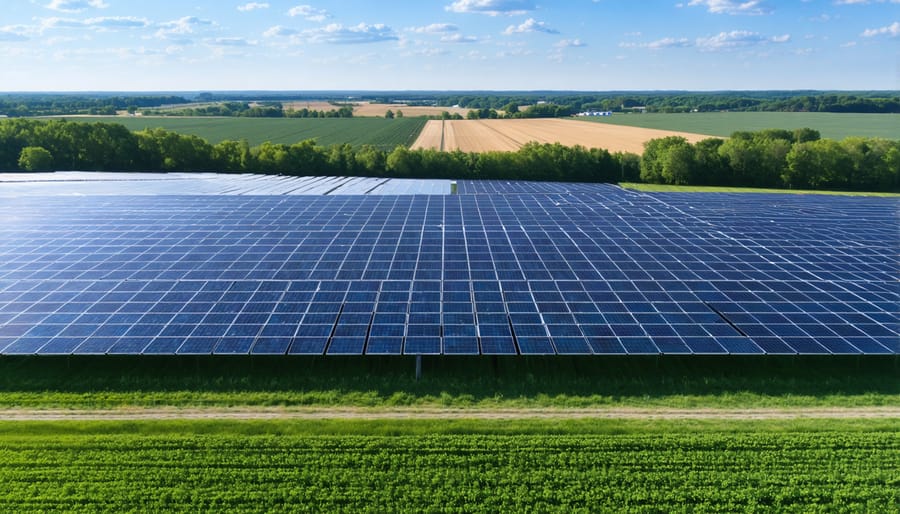
Illinois has emerged as a leader in demonstrating how public-private solar partnerships can drive meaningful change in green energy policy. The Illinois Clean Energy Community Foundation’s collaboration with local municipalities has successfully implemented solar projects in over 100 communities, proving that coordinated efforts yield substantial results.
A standout example is the Bloomington-Normal Solar Initiative, where business leaders partnered with environmental groups and local government to create a comprehensive solar adoption program. This partnership resulted in a 300% increase in residential solar installations within its first year, while creating dozens of local green energy jobs.
The Chicago Clean Energy Alliance demonstrates another successful model, bringing together utility companies, community organizations, and policy advocates. Their collaborative approach led to the development of community solar gardens in underserved neighborhoods, making clean energy accessible to residents who previously couldn’t afford solar installations.
These coalitions work because they address multiple stakeholder needs simultaneously. Businesses gain market opportunities, communities receive clean energy benefits and job creation, and policymakers achieve their environmental goals. The key to their success lies in transparent communication, shared goal-setting, and equitable distribution of benefits among all partners.
Small business owners and homeowners can participate in these initiatives through local chambers of commerce or community energy programs, which provide resources and support for green energy adoption.

Community Impact
Green energy partnerships create ripple effects that extend far beyond environmental benefits, directly impacting local communities and economies in Illinois. When municipalities and businesses collaborate on renewable energy initiatives, they often generate new job opportunities in installation, maintenance, and manufacturing sectors. These positions typically offer competitive wages and provide sustainable career paths for local residents.
Communities that embrace green energy policies frequently experience reduced energy costs, which benefits both households and businesses. For example, several Illinois towns have reported significant savings on municipal electricity bills after implementing solar projects, redirecting those funds to essential community services and infrastructure improvements.
These partnerships also strengthen local economic resilience. By diversifying energy sources and creating local power generation, communities become less dependent on external energy markets and their price fluctuations. This stability attracts new businesses and investments, contributing to economic growth and development.
Educational institutions benefit through hands-on learning opportunities and workforce development programs. Many Illinois schools and community colleges have established renewable energy training programs in partnership with local solar companies, preparing students for careers in the growing green energy sector.
Additionally, green energy initiatives often include community solar projects, allowing residents who cannot install their own solar panels to participate in renewable energy programs. This inclusive approach ensures that the benefits of clean energy are accessible to all community members, regardless of home ownership or income level.
Economic Benefits of Green Energy Policies
Cost Savings and Incentives
Illinois offers numerous financial incentives and support programs that make transitioning to renewable energy increasingly attractive. Through various green energy financing options, both homeowners and businesses can significantly reduce their initial investment costs.
The Illinois Solar for All program provides substantial rebates and incentives for low-income households, making solar energy accessible to more communities. Additionally, the federal Investment Tax Credit (ITC) allows property owners to deduct 30% of their solar installation costs from their federal taxes.
Local utilities offer net metering programs, enabling customers to earn credits for excess energy production, effectively reducing energy costs over time. Commercial property owners can also benefit from accelerated depreciation through the Modified Accelerated Cost Recovery System (MACRS).
The Smart Inverter Rebate Program provides additional savings for grid-connected solar installations, while Property Assessed Clean Energy (PACE) financing allows property owners to fund renewable energy improvements through their property tax assessments. These programs, combined with decreasing equipment costs, make green energy investments increasingly cost-effective for Illinois residents and businesses.
Job Creation and Economic Growth
The transition to green energy has emerged as a powerful economic driver in Illinois, creating numerous job opportunities across various sectors. Solar installation teams, wind turbine technicians, and energy efficiency specialists represent just a fraction of the new positions being created. Recent studies indicate that renewable energy projects in Illinois generate approximately three times more jobs per dollar invested compared to fossil fuel initiatives.
Local businesses are experiencing significant growth through the green energy expansion. Manufacturing facilities producing solar panels and wind turbine components have established operations throughout the state, while existing contractors are diversifying their services to include renewable energy installations. This growth extends beyond direct energy sector jobs, creating positions in supporting industries such as transportation, construction, and professional services.
The economic benefits are particularly noticeable in rural communities, where utility-scale solar and wind projects provide stable, long-term revenue streams. These projects often create high-paying jobs that require specialized skills, contributing to workforce development and economic stability. Additionally, the increasing demand for energy-efficient building upgrades has sparked growth in the construction and renovation sectors, providing opportunities for local contractors and suppliers.
Training programs and apprenticeships are developing across Illinois to prepare workers for these emerging opportunities, ensuring a skilled workforce can meet the growing demand in the renewable energy sector.

Future Policy Directions
Proposed Legislation
Several groundbreaking green energy bills are currently making their way through the Illinois legislature. The Clean Energy Jobs Act (CEJA) stands as the most comprehensive proposal, aiming to achieve 100% renewable energy by 2050 while creating thousands of clean energy jobs across the state. This legislation includes provisions for expanding solar incentives, establishing community solar programs, and implementing energy storage initiatives.
The Energy Storage Development Act proposes new guidelines for utility-scale battery storage, crucial for managing intermittent renewable energy sources. This bill would require utilities to install specific amounts of energy storage capacity by 2025, ensuring grid reliability as solar adoption increases.
At the federal level, the proposed Solar Investment Tax Credit Extension would maintain the current 26% tax credit for residential and commercial solar installations through 2026, rather than allowing it to decrease as scheduled. This extension would significantly impact Illinois homeowners and businesses considering solar investments.
Additionally, pending regulations from the Illinois Commerce Commission aim to streamline the interconnection process for new solar installations, reducing waiting times and administrative barriers. These proposals collectively demonstrate Illinois’s commitment to advancing green energy infrastructure while maintaining affordability and accessibility for residents.
Industry Recommendations
Industry experts advocate for several key policy measures to accelerate green energy adoption in Illinois. First, they recommend expanding the Renewable Portfolio Standard (RPS) to require utilities to source 50% of their electricity from renewable sources by 2030, up from the current 25% target. This ambitious goal would drive significant investment in solar and wind infrastructure across the state.
Financial incentives remain crucial, with experts calling for extended tax credits and rebate programs for both residential and commercial installations. They also suggest implementing a carbon pricing mechanism to better reflect the true cost of fossil fuel energy and make renewable alternatives more competitive.
To address grid integration challenges, recommendations include modernizing infrastructure and establishing clear interconnection standards. This would make it easier for homeowners and businesses to connect their solar systems to the power grid while maintaining system reliability.
Experts also emphasize the importance of workforce development programs to train solar installers, technicians, and other green energy professionals. They propose partnerships between community colleges and industry leaders to create specialized training programs that prepare workers for the growing renewable energy sector.
Storage solutions are another priority, with calls for policies that incentivize battery installation and support research into new storage technologies.
Taking Action
Taking action on green energy initiatives is more accessible than ever for both businesses and homeowners in Illinois. For homeowners, the first step is conducting an energy audit to identify areas where renewable energy solutions could be most beneficial. This can be done through local utility providers or certified energy assessors who can provide detailed recommendations.
Businesses can start by forming a dedicated sustainability team to evaluate current energy usage and develop implementation strategies. This team should focus on both immediate improvements and long-term sustainability goals, including the potential for solar panel installation or wind energy investment.
Key actionable steps for both groups include:
– Researching available state and federal tax incentives for renewable energy installations
– Connecting with local solar installers for site evaluations and cost estimates
– Participating in community solar programs if direct installation isn’t feasible
– Implementing energy-efficient technologies as stepping stones to larger green initiatives
– Engaging with local policy makers to support renewable energy legislation
Organizations should also consider joining green energy advocacy groups or business associations that focus on sustainable practices. These networks provide valuable resources, shared experiences, and collective bargaining power for renewable energy purchases.
For immediate impact, both homes and businesses can:
– Switch to LED lighting systems
– Install smart thermostats and energy monitoring systems
– Upgrade to energy-efficient appliances and equipment
– Implement waste reduction and recycling programs
– Consider electric vehicle charging station installation
Remember that taking action doesn’t require an all-or-nothing approach. Starting with smaller initiatives can build momentum toward larger green energy goals while demonstrating commitment to sustainability.
As we’ve explored throughout this article, green energy policy in Illinois continues to evolve through the power of strategic partnerships and community engagement. The collaboration between government agencies, businesses, and environmental organizations has created a robust framework for sustainable energy development. These partnerships have not only accelerated the adoption of renewable energy solutions but have also made options like community solar programs more accessible to Illinois residents.
Looking ahead, the future of green energy policy in our state appears promising. With increasing public support, technological advancements, and stronger advocacy partnerships, we can expect continued growth in renewable energy adoption. The economic benefits, including job creation and reduced energy costs, will likely drive further policy developments. As more stakeholders join these initiatives, Illinois is well-positioned to achieve its ambitious clean energy goals and serve as a model for other states in the transition to a sustainable energy future.
For homeowners and businesses considering renewable energy options, now is an ideal time to engage with local advocacy groups and explore available programs that align with current policy incentives.
