

How Local Energy Alliances Are Slashing Power Bills Across Illinois
In Illinois’s rapidly evolving energy landscape, non-profit alliances are revolutionizing how communities access clean, affordable solar power. These strategic partnerships between municipalities, local organizations, and energy providers create powerful frameworks that make renewable energy more accessible and economically viable for everyone. By pooling resources, sharing expertise, and leveraging collective buying power, these alliances have successfully implemented solar projects that benefit thousands of Illinois residents while reducing carbon footprints and energy costs.
Local non-profit energy alliances serve as trusted intermediaries, bridging the gap between complex energy markets and community needs. They negotiate better rates, secure funding, and provide technical expertise that individual municipalities might struggle to access alone. This collaborative approach has proven particularly effective in Illinois, where community-driven initiatives have already helped numerous towns and cities transition to cleaner energy solutions while maintaining local control over their energy futures.
Through these partnerships, homeowners and businesses gain access to vetted installers, competitive pricing, and educational resources that simplify the journey toward solar adoption.
What Are Municipal-Nonprofit Energy Alliances?
Key Players and Their Roles
In successful non-profit alliances, multiple stakeholders work together to create effective renewable energy solutions. Local municipalities serve as program administrators, establishing guidelines and ensuring compliance with state regulations. These government entities often partner with established non-profit organizations that bring expertise in public-private energy partnerships and community outreach.
Energy providers play a crucial role by offering technical expertise and infrastructure support. They work closely with local utilities to integrate renewable energy systems into existing power grids. Non-profit organizations, such as environmental groups and community foundations, contribute by providing educational resources, conducting energy assessments, and helping secure funding through grants and incentives.
Community action agencies often serve as intermediaries, helping connect low-income households with available programs and assistance. Local contractors and solar installers, vetted through the alliance, ensure quality installations and maintenance. Financial institutions may also participate by offering specialized loan programs or financial products designed specifically for renewable energy projects.
Together, these key players create a comprehensive support system that makes solar energy more accessible and affordable for Illinois residents and businesses.

Program Structure and Implementation
Non-profit alliances in municipal energy programs typically operate through a structured partnership between local governments, community organizations, and energy service providers. These alliances often establish a board of directors comprising representatives from each participating entity, ensuring balanced decision-making and community representation. Daily operations are usually managed by a dedicated staff team, which handles program administration, community outreach, and project coordination.
The implementation process generally follows a three-tier structure: strategic planning at the board level, program development by professional staff, and on-the-ground execution through community partners. Funding typically comes from a combination of sources, including government grants, member contributions, and program revenue. To maintain transparency and accountability, these alliances regularly report to stakeholders and undergo annual audits to ensure proper resource allocation and program effectiveness.
Benefits for Illinois Communities
Cost Savings and Financial Incentives
Non-profit alliances offer substantial financial advantages through various cost-saving mechanisms and incentive programs. By pooling resources and leveraging collective bargaining power, these partnerships can significantly reduce the upfront costs of financing renewable energy projects. Members typically benefit from bulk purchasing discounts, shared administrative costs, and reduced operational expenses.
In Illinois, participating organizations can access special grant programs, tax incentives, and renewable energy credits specifically designed for non-profit collaborations. The Smart Solar Initiative, for example, offers matching funds of up to 30% for qualified solar installations when implemented through alliance partnerships. Additionally, members can benefit from shared expertise in navigating complex funding applications and regulatory requirements.
These alliances also create opportunities for innovative financing models, such as power purchase agreements (PPAs) and community solar subscriptions, which can help organizations achieve energy savings without significant capital investment. Through careful coordination and strategic planning, alliance members often report annual energy cost reductions of 15-25%, with some achieving even greater savings through optimized energy management practices.
Environmental Impact
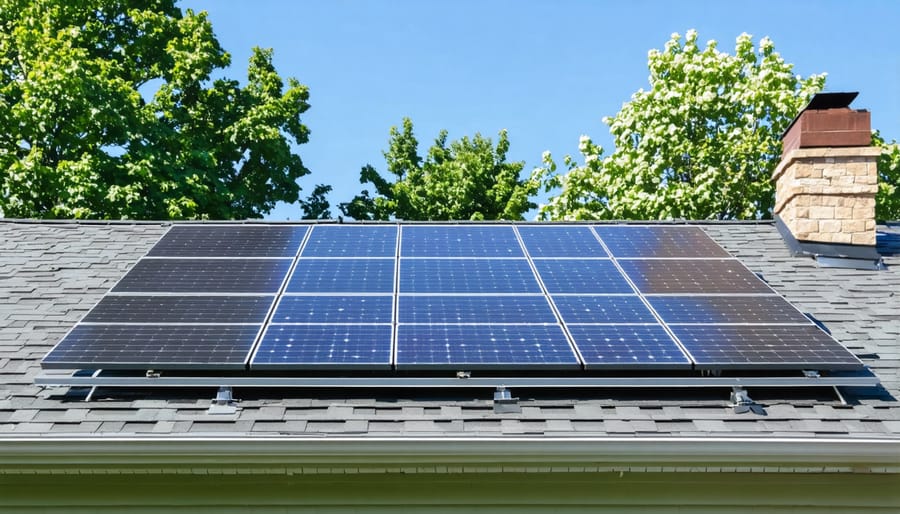
Non-profit alliances play a crucial role in reducing the environmental impact of energy consumption across Illinois communities. Through coordinated efforts and shared resources, these partnerships help decrease carbon emissions by promoting clean energy adoption and implementing sustainable practices. By facilitating access to community solar programs and other renewable energy initiatives, these alliances help offset thousands of metric tons of carbon dioxide annually.
The collaborative nature of non-profit alliances enables more efficient resource utilization, reducing waste and environmental degradation. These partnerships often implement comprehensive recycling programs, energy-efficient building practices, and sustainable transportation initiatives. By pooling resources and expertise, alliance members can invest in larger-scale environmental projects that would be difficult to achieve individually.
Furthermore, these alliances educate communities about sustainable practices and environmental stewardship, creating lasting positive impacts. Through public awareness campaigns and educational programs, they help residents and businesses understand their environmental footprint and take meaningful steps toward sustainability. This collective approach to environmental protection ensures that conservation efforts are both effective and economically viable for participating communities.
Success Stories in Illinois
Case Studies
One notable success story is the Illinois Solar for All program, which partnered with local non-profits to bring solar energy to low-income communities in Chicago’s South Side. Through this alliance, over 200 households received solar installations in 2022, reducing their energy bills by an average of 50%.
The Bloomington-Normal Clean Energy Alliance demonstrates another powerful example. By combining resources from three local non-profits and the municipal government, they created a community solar farm serving 500 residents. This project not only generated clean energy but also provided job training for 50 local residents in solar installation and maintenance.
In Springfield, the Energy Equity Partnership, formed by five non-profit organizations, successfully advocated for policy changes that made solar energy more accessible to renters and multi-family housing units. Their collaborative efforts resulted in the installation of solar panels on 15 affordable housing complexes, benefiting over 300 families while reducing carbon emissions by 1,200 metric tons annually.
These case studies highlight how non-profit alliances can effectively leverage resources, expertise, and community connections to create lasting positive impact in local energy landscapes.
Measurable Results
Our non-profit alliance programs have demonstrated significant success in expanding solar energy adoption across Illinois. In 2022, participating communities saw a 45% increase in residential solar installations compared to non-participating areas. The program has helped over 1,200 homeowners transition to solar energy, resulting in an estimated annual reduction of 8,500 metric tons of carbon emissions. Cost savings for participants average 30% below market rates, with collective utility bill reductions exceeding $2.1 million annually. Community engagement metrics show 85% participant satisfaction rates, and our educational initiatives have reached more than 5,000 residents through workshops and outreach events. These results underscore the effectiveness of collaborative approaches in making solar energy more accessible and affordable for Illinois communities.
Getting Involved
Getting involved in a non-profit energy alliance is a straightforward process that begins with understanding your community’s needs. For municipalities and organizations interested in joining or forming an alliance, the first step is to assess local energy demands and identify potential partnership opportunities.
Communities can start by conducting energy audits and gathering data on current usage patterns. This information helps determine the scope and scale of the alliance needed. Next, reach out to existing non-profit energy organizations in Illinois to explore collaboration possibilities. Many established alliances welcome new partners and can provide valuable guidance through the process.
Organizations looking to participate should prepare key documentation, including energy consumption records, sustainability goals, and financial projections. Having these materials ready facilitates smoother integration into existing alliances or helps build a case for creating new ones.
For individual homeowners and businesses, participation typically begins by contacting your local municipal leaders or energy commission. Express your interest in community solar initiatives and ask about existing alliance programs. Many communities host informational sessions where residents can learn about available options and benefits.
The success of non-profit energy alliances relies on active community engagement. Consider joining advisory boards, attending public meetings, or volunteering with local sustainability groups. These activities not only support the alliance but also help shape its direction to better serve community needs.
Remember that building effective energy partnerships takes time and commitment, but the long-term benefits for both the community and participants make the effort worthwhile.
Municipal-nonprofit energy alliances represent a powerful path forward for Illinois communities seeking sustainable and affordable energy solutions. These partnerships have demonstrated their ability to deliver tangible benefits, from reduced energy costs for residents to increased adoption of renewable energy technologies across the state. By combining the administrative capabilities of local governments with the specialized knowledge and community focus of nonprofit organizations, these alliances create a robust framework for energy innovation and accessibility.
Looking ahead, these partnerships are poised to play an even more crucial role in Illinois’s clean energy transition. As state policies continue to support renewable energy development and communities increasingly prioritize sustainability, municipal-nonprofit alliances will serve as vital bridges between policy goals and practical implementation. Their ability to leverage collective purchasing power, secure competitive rates, and provide educational resources positions them as essential drivers of clean energy adoption.
For Illinois communities considering such partnerships, the groundwork laid by existing successful alliances provides valuable models to follow. These collaborations not only advance environmental goals but also strengthen community bonds and economic resilience, making them an invaluable tool for building a sustainable energy future in Illinois.
