
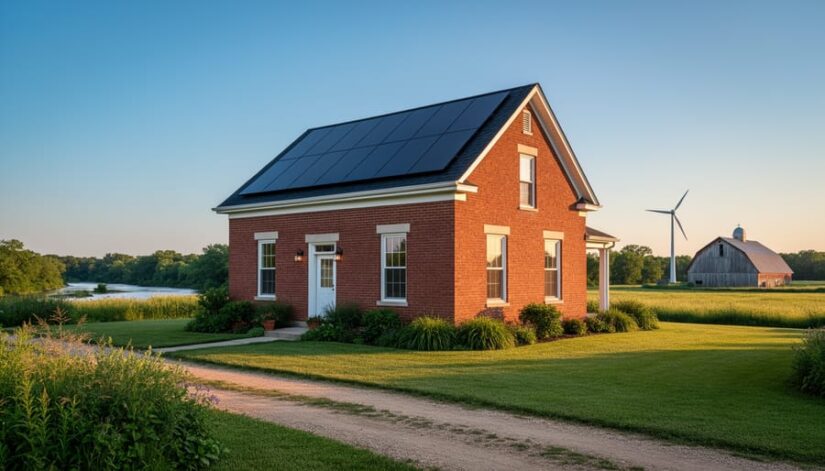
How Traditional Buildings Come Alive with Modern Renewable Energy
Traditional buildings in Illinois can harness renewable energy without compromising their architectural character. Solar panels integrate seamlessly onto rooftops or ground mounts, wind turbines scale from small residential units to commercial installations, geothermal systems operate invisibly beneath historic properties, biomass solutions work particularly well for rural estates with existing heating infrastructure, and hydroelectric options serve properties near Illinois waterways. Each technology offers distinct advantages for preserving your building’s aesthetic while reducing energy costs and environmental impact.
The renewable energy landscape has evolved dramatically, making it easier than ever to retrofit heritage properties and traditional structures with clean power systems. Property owners across Illinois now balance preservation standards with modern efficiency, discovering that renewable installations can enhance rather than detract from architectural value. Understanding which renewable energy type aligns with your building’s design, location, and energy needs determines both project success and long-term satisfaction.
Solar energy leads the renewable transition for traditional Illinois buildings due to flexible installation options and predictable performance in our climate. Modern solar technology adapts to various roof types, orientations, and shading conditions while providing immediate utility bill reduction. However, wind, geothermal, biomass, and hydroelectric systems each present compelling advantages depending on your property’s unique characteristics. Evaluating all five renewable options ensures you select the technology that maximizes energy production while respecting your building’s historical or architectural significance, creating a sustainable energy solution that serves your property for decades.
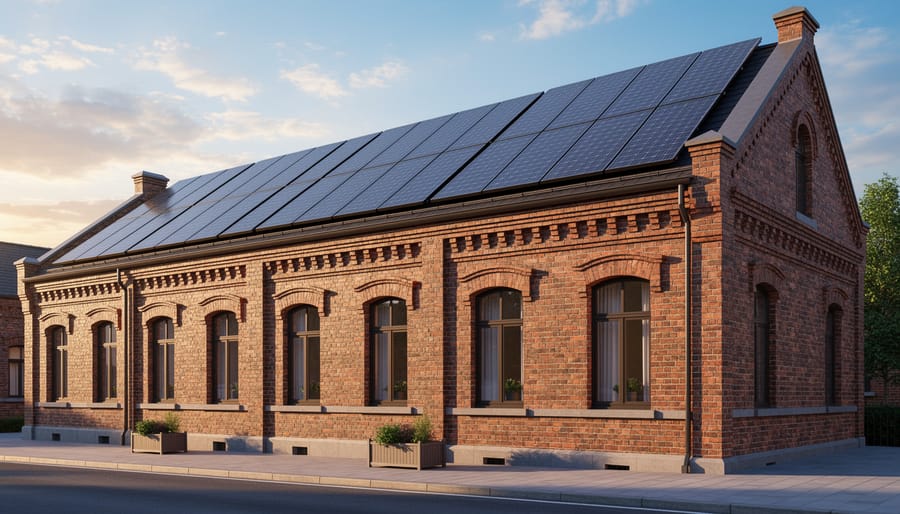
Solar Energy: The Natural Fit for Every Roof Style
Modern Panels That Respect Historic Character
For property owners concerned about maintaining their building’s historic character, today’s solar technology offers sophisticated solutions that work with—not against—traditional architecture. Modern photovoltaic panels have evolved far beyond the bulky blue rectangles of the past, providing options that preserve aesthetic integrity while delivering clean energy.
Building-integrated photovoltaics (BIPV) represent one of the most promising developments for traditional buildings. These systems incorporate solar cells directly into building materials like roofing tiles, slate-look panels, or even window glass. Rather than appearing as additions to your structure, they become part of the building envelope itself. Many heritage buildings with solar installations now utilize these integrated approaches to maintain their original appearance.
Low-profile panels offer another viable approach. These slim systems sit closer to the roofline, reducing visual impact from street level. Some manufacturers now produce panels in colors beyond standard blue or black, including terracotta and slate gray options that complement traditional materials. For Illinois property owners, these panels still capture abundant Midwest sunlight while respecting architectural guidelines.
Placement strategy matters tremendously. Installing panels on less-visible roof sections, rear-facing slopes, or ground-mounted arrays in courtyards can generate substantial power without compromising primary facades. Success in blending aesthetics with energy production requires thoughtful design consultation.
As a locally owned Illinois solar provider, we understand the importance of preserving our state’s architectural heritage while advancing toward renewable energy goals. The right solar solution honors both priorities simultaneously.
Structural Considerations for Older Buildings
When considering solar installations on older buildings in Illinois, structural integrity becomes a primary concern that requires careful evaluation and planning. Many traditional structures were built decades before solar technology existed, and their roofs may not have been designed to support the additional weight of solar panels and mounting systems.
The first step involves a professional structural assessment to determine your roof’s load capacity. A typical solar panel system adds approximately 2-4 pounds per square foot to your roof’s load, which may not seem significant, but older buildings sometimes have deteriorated framing or weakened support structures. In Illinois, we must also account for snow load requirements, as winter weather can add considerable weight beyond the panels themselves.
For buildings with limited load capacity, several solutions exist. Lightweight solar panels made with newer materials can reduce weight by up to 50 percent compared to traditional panels. Additionally, specialized mounting systems designed for historic or older structures can distribute weight more evenly across the roof surface, minimizing stress on any single point.
Ground-mounted systems present an excellent alternative when roof installation isn’t feasible. These installations eliminate concerns about roof penetration and structural weight while often providing easier maintenance access. For properties with adequate land, this approach preserves the building’s original architecture entirely.
When roof installation is preferred, working with experienced solar professionals ensures proper flashing installation and weatherproofing techniques that protect your building from water infiltration. Modern mounting systems use non-penetrating ballasted mounts or minimal-penetration attachments that maintain the integrity of traditional roofing materials.
Illinois building codes require permits for solar installations, and the approval process includes structural verification. This regulatory framework actually protects property owners by ensuring installations meet safety standards while preserving the longevity of both your building and your investment in renewable energy.
Geothermal Systems: Tapping Into Constant Underground Temperatures
Why Traditional Buildings Benefit Most
Geothermal energy systems work particularly well with traditional buildings because they operate beneath the surface, requiring minimal changes to a building’s exterior appearance or architectural character. For property owners in Illinois who value preserving the historic look of their structures, this is a significant advantage. The system relies on underground loops that tap into the earth’s constant temperature, which in our region remains between 50-55 degrees Fahrenheit year-round, regardless of outdoor weather conditions.
Traditional buildings often feature thick masonry walls, stone foundations, and solid construction materials that already provide good thermal mass. Geothermal heat pumps complement these existing qualities by delivering consistent heating and cooling through conventional ductwork or radiator systems. This means you can maintain your building’s original radiators, registers, or HVAC distribution without extensive renovations.
The installation process typically involves drilling vertical boreholes or digging horizontal trenches in your yard, away from the building itself. Once the ground loops are in place, the equipment connects to your existing heating and cooling distribution system. For Illinois property owners, this approach preserves street-facing facades, protects historic details, and avoids the rooftop equipment or exterior modifications that some renewable systems require.
Because geothermal systems use electricity to move heat rather than generate it, they’re three to four times more efficient than conventional heating systems. This efficiency translates to lower operating costs while respecting your building’s traditional character. The technology works quietly in the background, making it ideal for residential neighborhoods and commercial districts where maintaining aesthetic standards matters.
Installation Without Disrupting Your Foundation
One of the greatest advantages of geothermal systems is their flexibility in installation, making them surprisingly compatible with historic properties and traditional architecture throughout Illinois. The system operates through underground loops that circulate fluid to exchange heat with the earth, and these can be configured to protect your building’s foundation and landscape features.
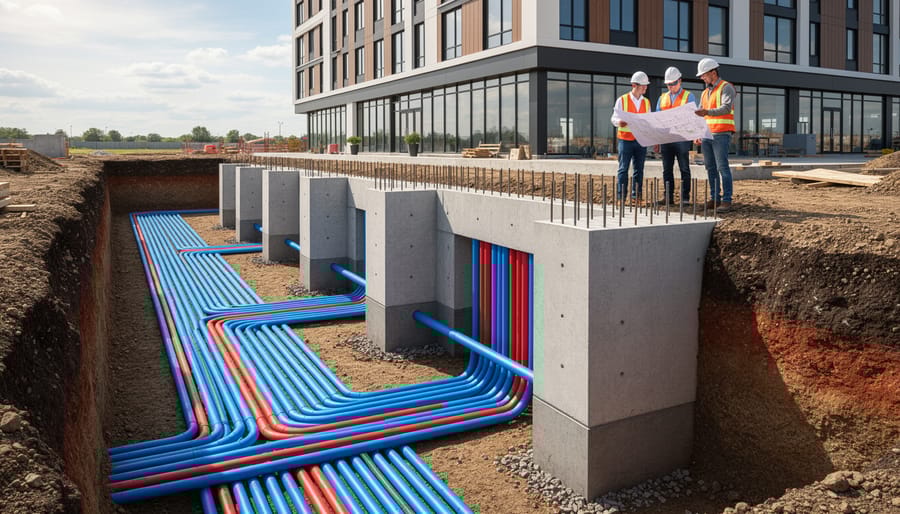
Horizontal loop systems require trenching about four to six feet deep across your property, typically needing at least half an acre of available yard space. This approach works well for properties with open areas and allows contractors to work around existing structures, gardens, and mature trees. The trenches are carefully excavated, loops are installed, and the landscape is restored, often leaving minimal evidence of the work.
For properties with limited yard space or where preserving landscaping is essential, vertical loop systems offer an excellent alternative. These involve drilling boreholes between 150 to 400 feet deep, requiring only small drilling locations that can often fit in areas as compact as a typical parking space. This method is particularly valuable for historic buildings where protecting the architectural footprint and surrounding grounds is paramount.
Modern drilling techniques have advanced significantly, allowing installers to work with precision that respects your property’s integrity. Directional drilling can navigate around foundation walls, root systems, and underground utilities without disturbing them. For Illinois homeowners and business owners concerned about preserving their property’s character, professional geothermal installers conduct thorough site assessments to determine the best approach that balances system efficiency with minimal disruption to your historic or traditional building.
Wind Energy: Small-Scale Solutions for Property Owners
When Wind Makes Sense for Your Property
Wind energy can be an excellent renewable option, but it requires careful evaluation of your property’s specific conditions. In Illinois, successful wind installations depend on several key factors that determine whether this investment makes sense for your building.
Location is paramount when considering wind energy. Illinois experiences average wind speeds between 10-15 mph across much of the state, with stronger and more consistent winds in northern and western regions. Properties in open, elevated areas with minimal obstructions like tall buildings or dense tree coverage typically see the best results. Urban and suburban traditional buildings often face challenges due to surrounding structures that disrupt wind flow and create turbulence.
Property size requirements present another important consideration. Small-scale residential wind turbines need clearance from buildings and property lines, typically requiring at least one acre of land. The turbine should stand at least 30 feet above any obstruction within 300 feet. Traditional buildings in dense neighborhoods or historic districts may face zoning restrictions or aesthetic concerns that limit installation options.
Cost-benefit analysis reveals that wind energy works best for properties with high electricity consumption and favorable wind conditions. Initial installation costs range from $15,000 to $50,000 for residential systems, with payback periods extending 15-20 years under ideal conditions. Many Illinois property owners find that while wind energy has merit in specific situations, solar installations often provide more predictable returns and easier integration with traditional building designs, particularly when roof space or adjacent land is available for panel placement.
Combining Wind with Solar for Year-Round Power
For Illinois property owners, combining wind and solar energy creates a powerful hybrid system that delivers more consistent power throughout the year. These technologies naturally complement each other—solar panels generate peak electricity during long summer days, while wind turbines often perform best during winter months when Illinois experiences stronger winds and shorter daylight hours.
This seasonal balance addresses one of renewable energy’s biggest challenges: intermittency. When clouds reduce solar output, wind may still be generating power. During calm summer evenings after sunset, battery systems can store excess solar energy collected earlier in the day. Many Illinois renewable energy leaders are already demonstrating how hybrid systems maximize energy independence while reducing reliance on the grid.
For traditional buildings, combining these technologies requires careful planning. Solar panels integrate more easily with existing structures, while small-scale wind turbines work best on properties with adequate space and favorable wind conditions. A hybrid approach allows you to optimize your renewable energy investment based on your property’s unique characteristics, seasonal energy demands, and architectural constraints. This strategic combination helps ensure reliable power generation year-round while preserving your building’s character.
Biomass Energy: Modernizing Traditional Heating Methods
From Fireplace to Efficient Pellet System
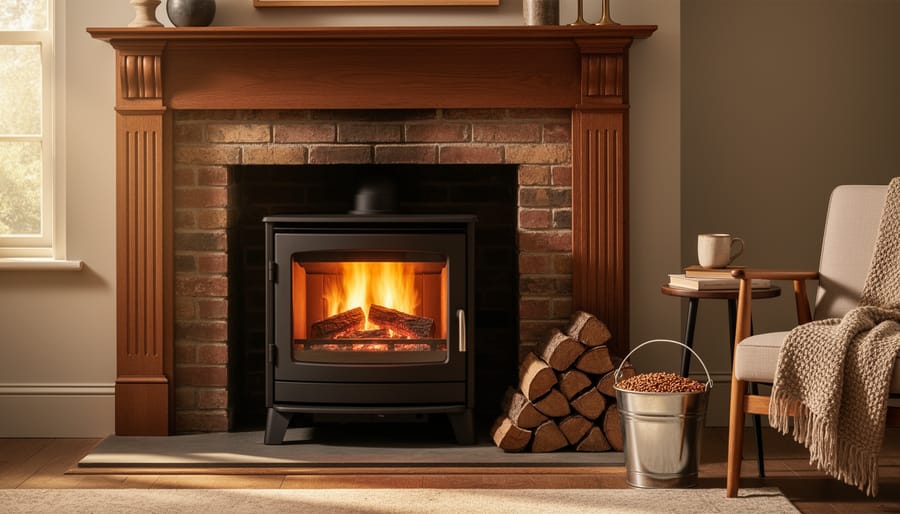
Wood-burning fireplaces have warmed homes for centuries, and today’s biomass technology allows you to maintain that traditional aesthetic while dramatically improving efficiency and environmental performance. Traditional fireplaces typically operate at only 10-15% efficiency, losing most heat through the chimney. Modern pellet stoves and biomass inserts can achieve efficiency ratings of 70-85%, transforming your existing fireplace into a practical heating source.
Pellet stoves use compressed wood pellets made from sawdust and wood waste, creating a carbon-neutral heating option that fits beautifully within traditional architecture. Many models feature classic cast-iron designs and glass fronts that preserve the ambiance of a wood fire while offering thermostat control and automated fuel feeding. For Illinois homeowners with existing masonry fireplaces, pellet inserts slide directly into your current opening and connect to your existing chimney with minimal structural modifications.
Converting your fireplace requires professional assessment of your chimney condition and proper venting installation. Most conversions take one to two days and preserve the exterior appearance of your home. Modern pellet systems include ash collection systems and require refueling only once every one to two days during heating season, making them far more convenient than traditional wood burning.
The fuel cost for pellet heating in Illinois typically runs lower than electric or propane heating, with pellets widely available from local suppliers. When considering biomass as part of your renewable energy strategy, the key is matching the system capacity to your heating needs and ensuring your existing chimney structure can safely accommodate the installation.
Local Fuel Sources and Sustainability
Illinois benefits from diverse biomass sources that make this renewable energy option particularly viable for local property owners. Agricultural residues from corn and soybean production, wood waste from timber operations, and organic materials from food processing facilities provide abundant fuel sources right here in our state. This local availability reduces transportation costs and supports Illinois farmers and forestry operations.
When sustainably sourced, biomass offers a carbon-neutral heating solution because the carbon dioxide released during combustion equals what the plants absorbed during growth. For homeowners and businesses with traditional buildings, biomass heating systems can integrate into existing infrastructure more easily than some other renewable options, often utilizing current ductwork or radiator systems.
Cost-wise, biomass fuel typically runs less expensive than heating oil or propane, with wood pellets and chips offering stable pricing compared to volatile fossil fuel markets. Modern biomass boilers achieve efficiency ratings above 80%, significantly reducing fuel consumption. Environmental benefits extend beyond carbon neutrality—biomass systems decrease reliance on imported fuels while managing agricultural and forestry waste that might otherwise decompose and release methane. For Illinois property owners seeking renewable heating alternatives, biomass represents a practical, locally-supported option worth considering alongside other sustainable energy solutions.
Hydroelectric Power: Micro-Hydro for Property Owners
Assessing Your Water Resource Potential
Before considering micro-hydro as one of your local energy options, you’ll need to evaluate whether your Illinois property has adequate water resources. Micro-hydro systems require consistent water flow and sufficient vertical drop, called “head,” to generate electricity effectively.
Start by measuring your water source’s flow rate in gallons per minute using a simple bucket test or flow meter. Next, calculate the head by measuring the vertical distance the water drops from intake to turbine location. A viable micro-hydro system typically needs at least 2 feet of head and 200 gallons per minute of flow, though smaller systems can work with less.
Consider seasonal variations in your water source. Illinois streams and creeks can fluctuate significantly throughout the year, with lower flows during summer months potentially reducing power generation. You’ll also need to research local permits and water rights regulations, as not all property owners can legally divert water for energy production. While micro-hydro works well in mountainous regions, Illinois’s relatively flat terrain makes it less common than solar installations for most property owners.
Permitting and Environmental Responsibility
If you’re considering stream-based hydroelectric systems in Illinois, understanding permitting requirements is essential. Water rights in Illinois are governed by the riparian doctrine, which grants property owners reasonable use of adjacent water sources while protecting downstream users and ecosystems. Before installing any water-based energy system, you’ll need permits from the Illinois Department of Natural Resources and potentially the Army Corps of Engineers if your project affects navigable waters.
Environmental impact assessments are crucial for stream-based projects. These evaluations examine effects on fish migration, water quality, sediment flow, and local wildlife habitats. Illinois regulations prioritize protecting native species and maintaining healthy waterways, so your system design must minimize ecological disruption. Many smaller-scale installations qualify for streamlined permitting processes, but working with experienced professionals ensures compliance and protects valuable natural resources.
While hydroelectric systems require specialized expertise, the permitting principles apply across renewable energy projects. Whether you’re exploring water-based solutions or Illinois solar incentives for your property, understanding regulatory frameworks helps you make informed decisions. Our locally owned team can guide you through environmental considerations and connect you with resources for various renewable energy options suitable for your Illinois property.
Choosing the Right Renewable Energy for Your Traditional Building
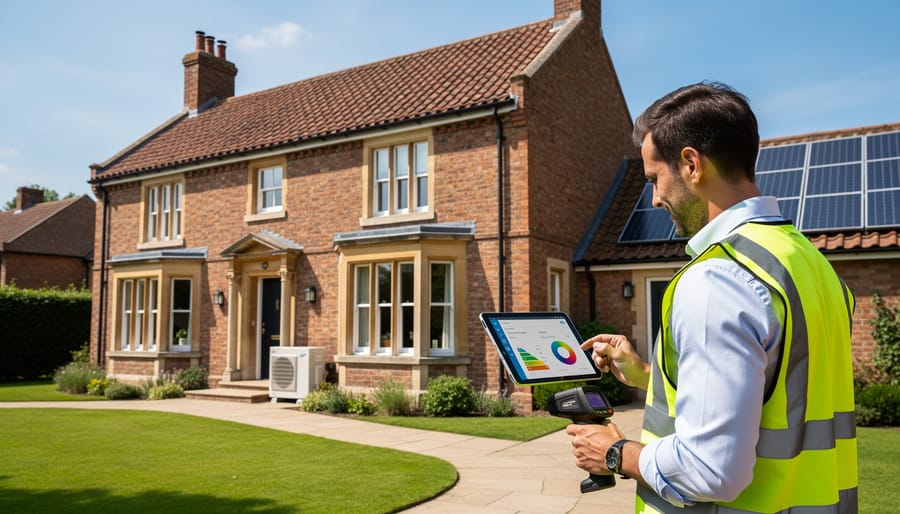
Starting with a Professional Energy Assessment
Before investing in any renewable energy system, a professional energy assessment provides the foundation for smart decision-making. This evaluation examines your property’s unique characteristics, energy consumption patterns, and physical conditions to determine which renewable solutions will deliver the best results.
During a comprehensive assessment, local Illinois professionals analyze factors like your roof’s structural integrity, orientation, and shading for solar potential. They evaluate your property’s exposure to wind, available land for ground-mounted systems, and existing heating and cooling infrastructure. For traditional or historic buildings, assessors pay special attention to preservation requirements and architectural constraints that might influence installation options.
Energy assessments also review your current utility bills to establish baseline consumption and identify efficiency improvements that should be addressed before adding renewable systems. This approach ensures you’re not oversizing equipment to compensate for energy waste that could be eliminated through better insulation or updated HVAC systems.
Working with locally owned Illinois professionals who understand regional weather patterns, building codes, and available incentives makes a significant difference. These experts can identify solutions that match your specific needs rather than offering one-size-fits-all recommendations. They’ll help you understand the realistic return on investment for each option and create a phased implementation plan if installing multiple systems makes sense for your property.
Financing and Incentives for Illinois Property Owners
Illinois property owners have access to numerous financial incentives that make renewable energy investments more affordable. The federal Investment Tax Credit (ITC) currently offers 30% back on solar installation costs, while Illinois-specific programs provide additional savings. The state’s Adjustable Block Program offers Solar Renewable Energy Credits (SRECs) that generate ongoing income from your solar system’s production.
Local utility companies throughout Illinois also provide rebates and net metering programs, allowing property owners to receive credits for excess energy sent back to the grid. ComEd and Ameren Illinois customers can benefit from these programs, which significantly reduce payback periods.
For financing, options range from solar loans with competitive interest rates to Property Assessed Clean Energy (PACE) financing, which spreads costs over time through property tax assessments. Many homeowners and businesses find that monthly energy savings offset loan payments from day one.
Return on investment timelines vary by system type. Solar installations typically pay for themselves within 7-12 years in Illinois, while continuing to generate savings for 25-30 years or more. Geothermal systems require higher upfront investment but offer 5-10 year payback periods with minimal maintenance costs. Wind systems depend heavily on location but can achieve positive returns within 6-15 years under optimal conditions.
Integrating renewable energy into traditional architecture doesn’t require choosing between preserving character and embracing sustainability. As we’ve explored throughout this guide, multiple renewable energy options exist, each offering unique advantages for different building types and architectural styles. Whether you’re considering solar panels, wind turbines, geothermal systems, biomass heating, or hydroelectric power, the key is finding solutions that complement your building’s design while meeting your energy goals.
For Illinois property owners, solar energy stands out as the most accessible and architecturally adaptable renewable option. Modern solar technology offers unprecedented flexibility, from sleek panels that blend seamlessly with traditional rooflines to innovative building-integrated solutions that maintain historical aesthetics. The combination of federal tax incentives, Illinois-specific programs, and decreasing installation costs makes solar energy an increasingly practical investment for homes and businesses alike.
At Illinois Renewables, we understand that every building tells a story, and our locally owned company specializes in helping you write the next chapter with clean, reliable solar energy. Our comprehensive services go beyond simple installation—we provide thorough site assessments, customized system design, expert installation, and ongoing support to ensure your renewable energy system performs optimally for decades.
Ready to explore how solar energy can work for your property? Our team brings deep expertise in navigating the unique considerations of Illinois buildings, from Victorian homes to historic commercial structures. Contact Illinois Renewables today to schedule a consultation and discover how we can help you embrace renewable energy without compromising the architectural integrity you value.
