
Making Sense of Local Energy: Your Guide to Illinois Power Sources in Plain English
Transform your energy future by harnessing the power of local resources right in your Illinois community. As energy costs continue to rise, local renewable energy initiatives are revolutionizing how neighborhoods power their homes and businesses. From rooftop solar installations to community wind projects, locally-sourced energy solutions offer independence from traditional power grids while supporting regional economic growth.
Illinois residents are uniquely positioned to benefit from abundant renewable resources, including an average of 200 sunny days per year and consistent wind patterns across the prairie landscape. These natural advantages, combined with state incentives and declining technology costs, make local energy production more accessible than ever before.
By transitioning to local energy sources, communities can create jobs, reduce carbon emissions, and build resilience against power outages and price fluctuations. The path to energy independence starts right here in your backyard.
Common Energy Sources in Illinois: Breaking Down the Basics
Solar Power: From Sunlight to Switch
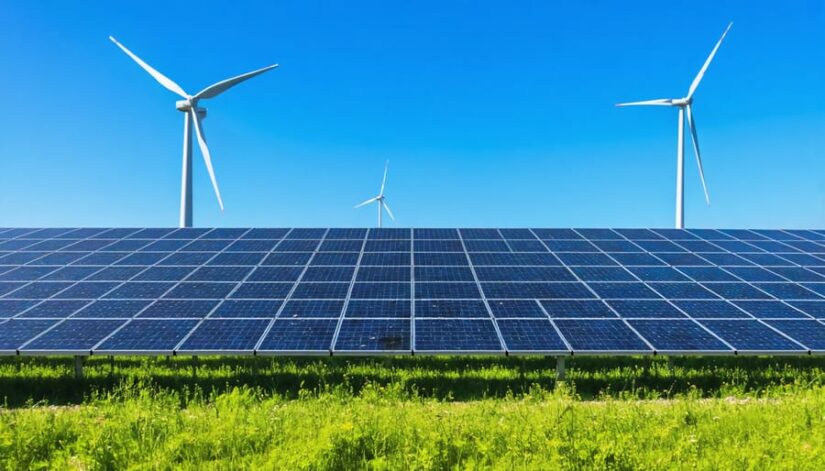
Solar power transforms sunlight into usable electricity through photovoltaic (PV) panels installed on roofs or ground-mounted systems. These panels contain silicon cells that capture sunlight and create an electric current through what’s known as the photovoltaic effect. When sunlight hits the panels, it energizes electrons in the silicon, generating direct current (DC) electricity.
An inverter then converts this DC power into alternating current (AC), the type of electricity used in homes and businesses throughout Illinois. The converted electricity either powers your property directly or feeds into the power grid through net metering, which credits you for excess energy production.
Modern solar systems often include monitoring technology that lets you track energy production through smartphone apps or web portals. Many Illinois properties also utilize solar battery storage systems, which store excess energy for use during nighttime or cloudy days.
The efficiency of solar panels in Illinois typically ranges from 15% to 22%, with newer technologies continuously improving these rates. Despite our varying seasons, Illinois receives ample sunlight to make solar a viable energy option year-round.
Wind Energy: Prairie Power
Illinois’s vast prairie landscapes provide ideal conditions for wind energy generation, making it a leading state in wind power production. The flat terrain and consistent wind patterns, particularly in central and northern Illinois, create perfect conditions for modern wind turbines to operate efficiently.
Wind farms across the state currently generate enough electricity to power over 1.3 million homes annually, contributing significantly to Illinois’s renewable energy portfolio. These towering turbines, which can reach heights of up to 500 feet, convert the prairie winds into clean, sustainable electricity that feeds directly into the local power grid.
For property owners with suitable land, wind energy presents a unique opportunity. Small-scale wind turbines can supplement or even replace traditional power sources, while larger parcels may qualify for wind farm development, offering additional income through land lease agreements.
The growth of wind energy in Illinois has also created thousands of local jobs in manufacturing, installation, and maintenance, strengthening the state’s economy while reducing its carbon footprint. Many communities benefit from increased tax revenue from wind projects, supporting local schools and infrastructure improvements.


Understanding Your Local Grid
Grid Connection Terms Simplified
When connecting local energy sources to the grid, you’ll encounter several key terms. Net metering allows you to receive credits for excess energy your system produces and sends back to the grid. Interconnection refers to the physical connection between your energy system and the utility grid, following specific safety and technical requirements.
A grid-tied system means your installation remains connected to the utility grid, providing backup power when needed. Off-grid systems, conversely, operate independently without utility connection. Load management involves balancing your energy production and consumption to optimize system performance.
Power purchase agreements (PPAs) are contracts defining how utilities buy energy from local producers. Distributed generation refers to producing power at or near where it’s used, like rooftop solar panels. Peak demand periods are times when electricity use is highest, typically affecting rates and system planning.
These terms are essential to understand when planning your local energy project in Illinois, helping you make informed decisions about your energy future.
Net Metering Made Simple
Net metering is a billing arrangement that allows solar energy users to earn credits for excess power they generate and send back to the grid. Think of it like a savings account for your energy production. When your solar panels produce more electricity than you’re using, your meter runs backward, and you bank those credits with your utility company.
During times when your panels aren’t producing enough power (like at night or on cloudy days), you can use those banked credits to offset your electricity costs. This system makes solar energy more affordable and practical for Illinois homeowners and businesses.
In Illinois, net metering is available through major utilities like ComEd and Ameren. The credits you earn are valued at the same retail rate you pay for electricity, making it a fair exchange. This arrangement typically results in lower utility bills and can significantly reduce your annual energy costs while supporting local clean energy production.

Speaking Solar: Essential Terms for Illinois Homeowners
Equipment Terms You Should Know
Understanding solar equipment doesn’t have to be complicated. Here are the essential terms you’ll encounter when exploring solar energy solutions:
Solar Panels (PV Modules): The most visible components that convert sunlight into electricity. These flat, rectangular units are what you’ll see on rooftops and in innovative solar installations.
Inverter: This device converts the DC power generated by solar panels into AC power that your home can use. There are two main types: string inverters (one central unit) and microinverters (one per panel).
Racking System: The mounting structure that securely attaches solar panels to your roof or ground mount.
Battery Storage: Systems that store excess solar energy for use during nighttime or cloudy days. Popular options include lithium-ion batteries.
Charge Controller: A component that regulates the voltage and current coming from solar panels to protect your batteries.
Net Meter: A special utility meter that tracks both the energy you draw from and send back to the grid, essential for net metering programs in Illinois.
Installation and Maintenance Vocabulary
Understanding key installation and maintenance terms helps you communicate effectively with solar professionals and make informed decisions about your energy system. Here are essential terms you’ll encounter:
Array: Multiple solar panels connected together to form a complete system. Mounting hardware secures these arrays to your roof or ground installation.
Inverter: Device that converts DC power from solar panels into AC power your home can use. There are string inverters for whole systems and microinverters for individual panels.
Racking: The framework that attaches solar panels to your roof or ground mount, designed to withstand Illinois weather conditions.
Production Monitoring: System that tracks your solar installation’s performance, usually through a smartphone app or web portal.
Balance of System (BOS): All components beyond panels and inverters, including wiring, disconnects, and mounting equipment.
Annual Maintenance: Yearly professional inspection checking connections, cleaning panels, and ensuring optimal performance.
These terms form the foundation for understanding your solar system’s setup and care requirements. Knowing them helps you make informed decisions about your installation and maintain your system effectively for years to come.
Making Smart Energy Choices
Making informed decisions about local energy sources requires understanding both your needs and the available options in Illinois. Start by conducting an energy audit of your property to determine your current consumption patterns and identify areas where you could improve efficiency. This foundational step helps you make more targeted choices about energy solutions.
Consider your property’s potential for various renewable energy sources. Illinois’s climate is particularly well-suited for the ongoing solar energy transformation, with ample sunny days throughout the year. Evaluate your roof’s orientation, shade coverage, and structural integrity to determine if solar panels could be a viable option.
When exploring local energy providers, compare their renewable energy portfolios and pricing structures. Many Illinois utilities now offer green energy programs that allow you to source a percentage of your power from renewable sources. Review these programs’ terms, including any minimum commitment periods and rate guarantees.
For businesses and larger properties, consider implementing a mixed-energy approach. This might include combining solar installations with energy storage systems or participating in community solar projects. These options can provide more stability in energy costs while supporting local renewable energy development.
Take advantage of available incentives and programs. Illinois offers various rebates and tax incentives for renewable energy adoption, particularly for solar installations. Research federal incentives as well, such as the Investment Tax Credit (ITC), which can significantly reduce initial costs.
Remember to factor in long-term considerations:
– Initial installation costs versus long-term savings
– System maintenance requirements and costs
– Expected equipment lifespan
– Property value impacts
– Environmental benefits
Work with local energy consultants who understand Illinois’s specific climate conditions and regulations. They can help you navigate available options and create a customized plan that aligns with your goals and budget. Many offer free initial consultations to assess your property’s potential for various energy solutions.
Finally, stay informed about emerging technologies and local energy policies. The energy landscape is constantly evolving, with new options becoming available regularly. Joining local energy forums or community groups can help you stay updated on the latest developments and opportunities in Illinois’s renewable energy sector.
Understanding your local energy options is crucial for making informed decisions about powering your home or business. Illinois offers diverse energy sources, from traditional grid power to renewable alternatives like solar and wind. By evaluating factors such as cost-effectiveness, environmental impact, and long-term sustainability, you can choose the energy solution that best fits your needs. Remember that local energy choices not only affect your bottom line but also contribute to community resilience and environmental stewardship. Whether you’re considering solar panels, exploring community solar projects, or optimizing your current energy usage, taking the time to research and understand your options will lead to smarter energy decisions that benefit both your property and the broader Illinois community.
