
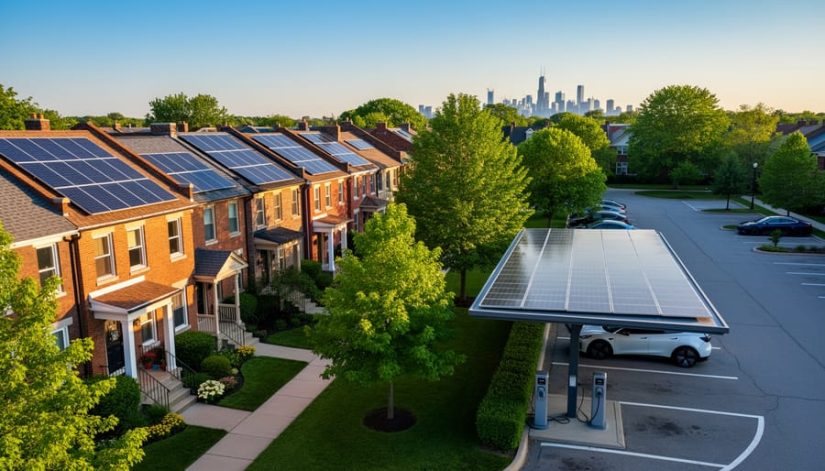
How Smart Urban Planning Makes Solar Power Work for Your Illinois Community
Urban environmental planning determines whether your community becomes a leader in renewable energy or lags behind in the transition to clean power. Cities and municipalities across Illinois are making decisions right now that directly affect your ability to install solar panels, access grid connections, and benefit from renewable energy incentives.
Consider how zoning regulations shape solar accessibility. When local planning departments designate areas for renewable energy development or streamline permitting processes, they reduce installation timelines from months to weeks and cut soft costs by up to 30%. Communities with forward-thinking environmental plans create clear pathways for homeowners and businesses to deploy solar systems without navigating bureaucratic obstacles.
Infrastructure planning decisions matter equally. Municipal choices about electrical grid modernization, energy storage integration, and distributed generation capacity determine whether your solar investment can connect seamlessly to the power network. Illinois communities implementing comprehensive environmental plans are positioning residents and businesses to maximize returns on solar installations through net metering programs and grid service opportunities.
The intersection of urban planning and renewable energy adoption isn’t abstract policy. It translates directly into faster project approvals, lower installation costs, and greater energy independence for property owners. Planning departments that understand renewable energy integration create environments where solar adoption thrives, property values increase, and communities meet climate goals while reducing energy expenses.
As a locally owned Illinois solar provider, we see firsthand how municipal planning decisions accelerate or impede the clean energy transition. Communities with robust environmental planning frameworks make solar investments more accessible and financially attractive, while those without clear policies create uncertainty that delays adoption and increases costs for everyone involved.
What Urban Environmental Planning Really Means for Energy
The Building Blocks of Energy-Smart Communities
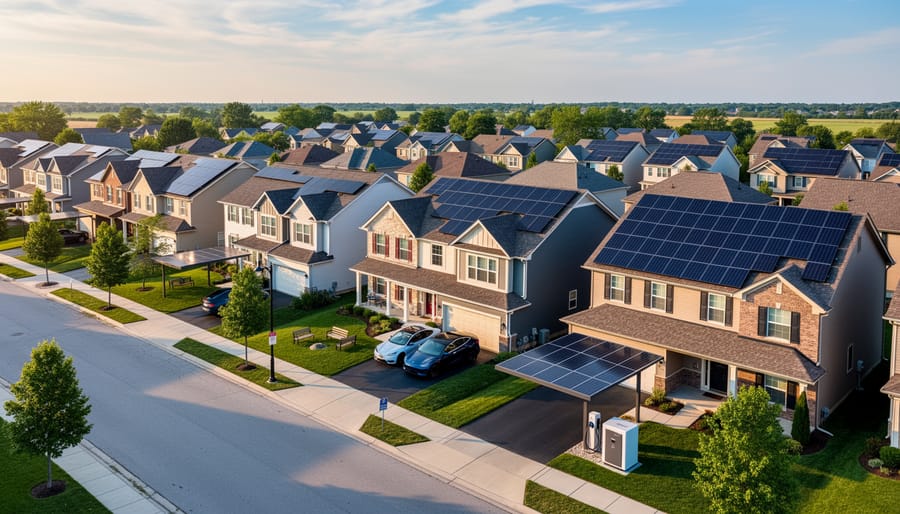
Creating communities ready for clean energy starts with smart planning decisions that happen long before solar panels go on rooftops. Illinois cities leading the energy transition rely on four essential building blocks that work together to make renewable energy adoption practical and affordable.
Zoning laws form the foundation by determining where solar installations can go and how they integrate with existing neighborhoods. Progressive Illinois municipalities are updating zoning codes to streamline solar permitting for both residential and commercial properties, reducing the time and cost barriers that homeowners and businesses face when going solar.
Building codes establish the technical standards that ensure solar systems are safe and effective. Modern energy codes in Illinois increasingly require new construction to be “solar-ready,” with proper roof orientation, structural support, and electrical infrastructure already in place. This forward-thinking approach makes adding solar panels simpler and more cost-effective for property owners.
Infrastructure planning addresses the electrical grid connections and energy storage systems needed to support distributed solar generation. As locally owned solar companies understand, successful renewable integration requires utilities and planners to work together, ensuring the grid can handle two-way power flow from homes and businesses generating their own electricity.
Green space integration completes the picture by incorporating community solar gardens and vegetation that reduces urban heat while maximizing renewable energy potential. Parks with solar canopies and green roofs with photovoltaic systems demonstrate how environmental planning creates multiple benefits, from cleaner air to lower energy costs for Illinois residents and businesses alike.
Why Illinois Cities Are Rethinking Traditional Planning
Cities across Illinois are increasingly recognizing that traditional planning approaches don’t adequately address today’s energy and environmental challenges. This shift is driven by both grassroots community initiatives and state-level mandates that make energy-conscious development a priority rather than an afterthought.
Chicago has led the way with its Resilient Corridors initiative, which integrates green infrastructure and renewable energy considerations into neighborhood development plans. Meanwhile, smaller communities like Evanston and Naperville have updated their comprehensive plans to include specific solar-ready building standards and streamlined permitting processes for renewable installations.
The momentum behind this rethinking stems largely from Illinois energy policies like the Climate and Equitable Jobs Act, which established ambitious renewable energy targets and created financial incentives for municipalities that demonstrate progress toward clean energy goals. These policies essentially reward cities for forward-thinking planning that removes barriers to solar adoption.
Local planning departments are also responding to practical concerns from residents and businesses. Outdated zoning codes that restricted solar panel placement or required lengthy approval processes created unnecessary obstacles for property owners wanting to invest in renewable energy. By modernizing these regulations, Illinois municipalities are making it easier and more cost-effective for homeowners and businesses to transition to solar power while simultaneously advancing broader sustainability objectives. This coordinated approach between state policy and local implementation creates a supportive environment for renewable energy investment across the state.
Zoning Laws That Make or Break Your Solar Investment
Solar-Friendly Zoning in Illinois Communities
Several Illinois communities are leading the way with zoning ordinances designed to welcome solar energy rather than create barriers. Cities like Naperville and Evanston have streamlined their permitting processes, reducing approval times from months to weeks for residential and commercial solar installations. These municipalities recognize that outdated setback requirements and height restrictions can unnecessarily complicate solar projects.
Progressive zoning approaches include reducing or eliminating special use permits for ground-mounted systems, allowing solar canopies in parking areas, and providing clear guidelines for rooftop installations. Some communities have adopted solar-ready building codes that require new construction to accommodate future solar panel installations, making the transition to renewable energy more affordable for homeowners and businesses.
Chicago recently updated its zoning code to better accommodate urban solar farms and community solar projects, recognizing their importance in the city’s clean energy goals. These forward-thinking policies benefit locally owned solar companies and their customers by reducing project costs and timeline uncertainty. When communities embrace solar-friendly zoning, they create an environment where renewable energy can flourish, making Illinois a more attractive market for sustainable energy investments.
What to Check Before You Install
Before investing in solar panels for your Illinois property, take time to verify your local zoning requirements and site conditions. Start by contacting your municipal planning department to confirm that solar installations are permitted in your zone classification. Many Illinois communities have streamlined solar approval processes, but requirements vary by location.
Check your property deed for any homeowner association restrictions or easements that might limit installation. Review your roof’s age and condition—most solar systems last 25-30 years, so your roof should be in good shape to avoid costly removal and reinstallation later.
Examine potential shading issues from trees, buildings, or other structures throughout the day and across seasons. Even partial shade can significantly impact system performance. Verify that your electrical panel has adequate capacity for solar integration, typically requiring at least 200-amp service for residential installations.
Consider your property’s orientation and roof pitch. South-facing roofs with slopes between 15-40 degrees are ideal in Illinois, though east and west-facing installations can still perform well. Finally, confirm your utility company’s net metering policies and interconnection requirements. Understanding these factors upfront ensures a smoother installation process and helps you make informed decisions about your solar investment.
Building Codes and Construction Standards for Solar Integration
Roof Standards That Support Solar Panels
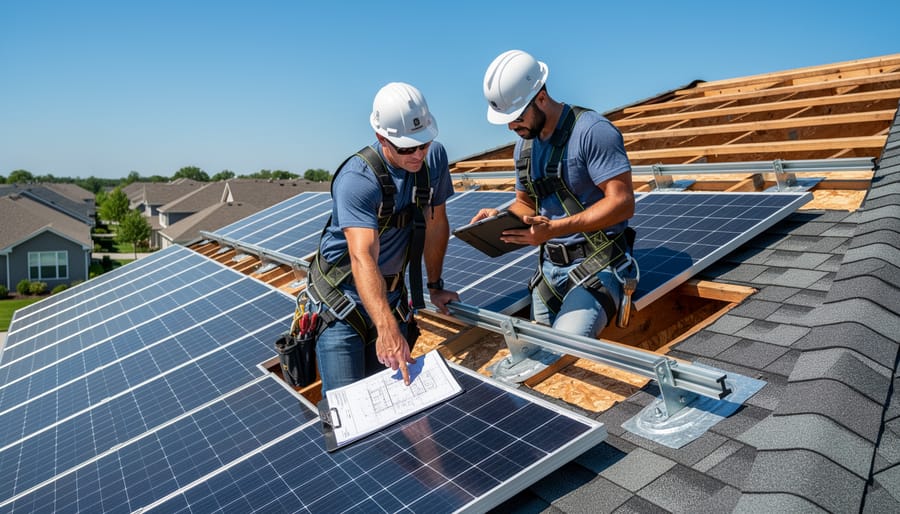
Before installing solar panels on any building in Illinois, it’s essential to verify that your roof meets specific structural standards. These requirements protect your investment and ensure your system operates safely for decades to come.
The primary concern is load-bearing capacity. Solar panels typically add 2-4 pounds per square foot to your roof, including the mounting equipment. While this might not sound like much, Illinois building codes require roofs to handle this additional weight alongside snow loads, which can be substantial during our winter months. A structural engineer or qualified solar installer should assess whether your existing roof can support the added weight or if reinforcement is necessary.
Roof age and condition also matter significantly. Most solar systems last 25-30 years, so installing panels on an aging roof doesn’t make economic sense. If your roof is more than 15 years old or showing signs of deterioration, consider replacing it before installation. This prevents the costly process of removing and reinstalling panels for roof repairs later.
The roof pitch and orientation affect both structural mounting requirements and energy production. Illinois homes typically have pitched roofs ranging from 4:12 to 8:12 slopes, which work well for solar installations. Flat commercial roofs require different mounting systems with ballasted or penetrating attachments, each with distinct structural considerations.
Proper installation includes weatherproof mounting that maintains your roof’s integrity. Quality installers use flashing and sealants that prevent water intrusion while securing racking systems directly to roof rafters, not just surface sheathing. Working with experienced local professionals ensures compliance with Illinois building codes and maximizes your solar system’s longevity.
Electrical Infrastructure Planning
Successful solar installations in urban environments depend heavily on proper electrical infrastructure planning. Before any solar panels can generate clean energy for Illinois homes and businesses, urban planners and utility companies must ensure the local electrical grid can safely accommodate distributed energy resources. This involves assessing existing grid capacity, planning for bidirectional power flow when solar systems feed excess energy back to the grid, and establishing clear interconnection standards.
For property owners considering solar, electrical panel upgrades often represent a critical step. Many older buildings in Illinois cities were designed for lower electrical loads and may require panel upgrades to handle both traditional consumption and solar generation. Urban planners work with local electrical codes to streamline these upgrade processes, ensuring they meet safety standards while minimizing barriers to solar adoption.
Utility hookup standards vary by municipality and service provider, but coordinated planning helps create consistency. Well-designed electrical infrastructure policies reduce interconnection timelines, lower costs for solar customers, and maintain grid reliability. When cities proactively address these technical requirements, they create an environment where transitioning to solar energy becomes more accessible for everyone, supporting Illinois’s growing renewable energy goals while respecting the essential role conventional infrastructure plays during this transition.
Grid Infrastructure and Community-Scale Energy Planning
How Your Neighborhood’s Grid Affects Your Solar System
Your local electrical grid plays a larger role in your solar installation than you might expect. When you generate solar power, that energy flows through neighborhood transformers and distribution lines originally designed for one-way electricity delivery from power plants to homes. As more residents adopt solar, these systems face new demands.
Grid capacity varies significantly across Illinois neighborhoods. Older infrastructure in established communities may require upgrades to handle increased solar generation, while newer developments often feature modern grid infrastructure better suited for distributed energy resources. Your utility company evaluates available capacity before approving interconnection applications, which can affect installation timelines.
Some neighborhoods reach hosting capacity limits, where adding more solar systems could strain local equipment. In these cases, utility upgrades become necessary before additional installations proceed. These improvements benefit the entire community but may create temporary delays for new solar adopters.
This grid reality makes energy storage options increasingly valuable. Battery systems allow you to store excess generation for later use rather than immediately sending it to the grid, reducing strain on neighborhood infrastructure while maximizing your energy independence. As a locally owned company with deep expertise in solar energy, we help Illinois customers navigate these grid considerations to design systems that work seamlessly within their community’s electrical infrastructure.
Community Solar Opportunities in Illinois
Not every Illinois property is ideal for rooftop solar panels. If you’re a renter, have significant tree shading, or lack suitable roof space, community solar programs offer an excellent alternative. These shared solar initiatives are made possible through progressive urban environmental planning that recognizes diverse housing situations across Illinois communities.
Community solar works by allowing multiple subscribers to benefit from a single solar array, typically located on open land or large commercial buildings. You receive credits on your electricity bill based on your share of the energy produced, without any panels on your property. Illinois has been a leader in expanding community solar access, particularly through the Adjustable Block Program, which reserves capacity specifically for these shared projects.
Urban planners facilitate community solar by identifying suitable locations, streamlining permitting processes, and ensuring equitable access across neighborhoods. This planning approach acknowledges that renewable energy benefits should extend to everyone, regardless of their housing situation. For renters especially, community solar provides a way to support clean energy and reduce electricity costs without property ownership or long-term commitments.
These programs typically require no upfront investment and offer savings of 5-15% on your electric bill. As locally owned solar providers expand community solar options throughout Illinois, more residents and businesses can participate in the clean energy transition, thanks to thoughtful urban planning that prioritizes inclusive renewable energy access.
Transportation and Land Use Patterns That Enable Energy Transition
Solar-Powered EV Charging Networks
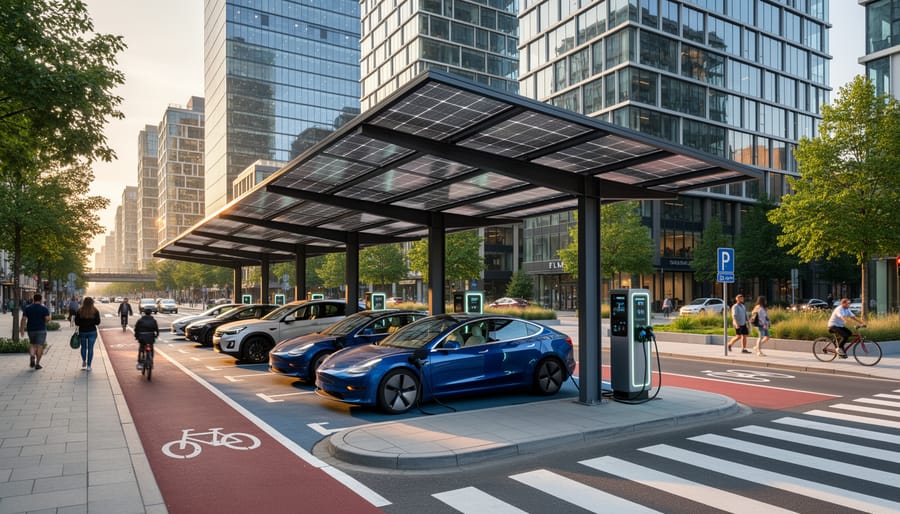
Urban planners across Illinois are reimagining parking infrastructure by integrating solar-powered EV charging stations into everyday commercial and municipal spaces. Solar canopies installed over parking lots serve a dual purpose: they generate clean electricity while providing shade and weather protection for vehicles below. These structures transform underutilized parking areas into productive energy assets that offset building electricity costs and support the growing demand for electric vehicle infrastructure.
For Illinois business owners, this approach offers tangible benefits. Commercial developments with solar charging stations attract environmentally conscious customers and employees while potentially qualifying for federal tax incentives and state renewable energy credits. Municipal parking structures equipped with these systems demonstrate how public spaces can contribute to community-wide sustainability goals while generating revenue through charging fees.
The integration process requires coordination between developers, electrical contractors, and local utilities, but the long-term returns include reduced operating costs, enhanced property values, and positioning your business as a forward-thinking community partner in Illinois’s clean energy transition.
Financial Incentives and Policy Tools Urban Planners Use
How Local Policies Reduce Your Solar Costs
Local policies work alongside state and federal programs to make solar installation more affordable and efficient for Illinois property owners. Many municipalities have streamlined their permitting processes, reducing approval times from weeks to just days. This expedited review saves you both time and money during installation.
Beyond faster approvals, numerous Illinois cities offer property tax exemptions for solar installations, meaning your property taxes won’t increase despite the added home value. Some municipalities also provide direct rebates or grant programs that stack with existing financial incentives, creating substantial cost savings.
Urban planning departments increasingly designate solar-ready zones with pre-approved designs and standardized requirements, eliminating much of the bureaucratic complexity. These initiatives complement Illinois Shines and federal tax credits, potentially reducing your total installation costs by thousands of dollars.
As a locally owned company with deep expertise in solar energy, we navigate these municipal programs daily. We help you identify every available local benefit, handle permit applications, and ensure you maximize savings through the combination of city, state, and federal incentives specific to your location.
Working With Your Local Planning Department on Solar Projects
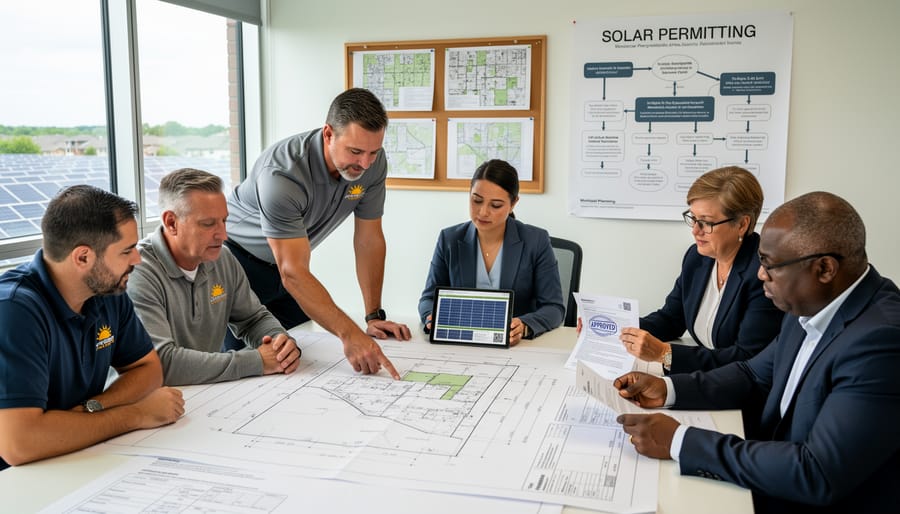
Navigating the solar permitting process doesn’t have to be complicated when you understand how to work effectively with your local planning department. At Illinois Renewables, we’ve helped countless homeowners and businesses successfully move through the approval process by fostering strong partnerships with municipal offices across the state.
The first step is understanding that planning departments are your partners in bringing renewable energy to your community. These offices ensure solar installations meet building codes, zoning requirements, and aesthetic guidelines that protect neighborhood character while supporting clean energy goals. Before submitting any applications, schedule an informal consultation with your local planning office. This proactive approach helps identify potential concerns early and demonstrates your commitment to following proper procedures.
When preparing your permit application, thoroughness matters. Most Illinois municipalities require site plans, structural engineering reports, and electrical diagrams. Your solar installer should provide these documents, but reviewing them beforehand ensures accuracy. Planning departments appreciate applicants who come prepared with complete information, which speeds up the review process significantly.
Communication is essential throughout the approval timeline. If planners request additional documentation or modifications, respond promptly and professionally. Remember that these requests protect both your investment and community standards. Many planning departments now offer expedited reviews for solar projects, recognizing their environmental benefits.
As a locally owned company, we understand the specific requirements across different Illinois jurisdictions. Each municipality has unique ordinances, and our expertise helps streamline what might otherwise feel overwhelming. We regularly attend planning commission meetings and maintain relationships with local officials, ensuring our clients benefit from established trust and communication channels. This collaborative approach turns potential bureaucratic hurdles into smooth, predictable pathways toward solar installation success.
Effective urban environmental planning creates the essential foundation for successful energy transition across Illinois communities. When cities prioritize renewable energy infrastructure through thoughtful zoning ordinances, streamlined permitting processes, and supportive land-use policies, they remove significant barriers that can slow solar adoption. This planning framework doesn’t just make solar installations easier—it signals to residents and businesses that their community is committed to a sustainable future.
For homeowners and business owners considering solar energy, understanding your municipality’s approach to environmental planning can reveal important insights about your project’s timeline and feasibility. Communities with comprehensive sustainability plans often feature faster permit approvals, clearer installation guidelines, and better support for renewable energy initiatives. These factors directly impact your experience from initial consultation through system activation.
This is precisely why partnering with a knowledgeable local solar provider makes such a difference. A locally owned company understands the specific planning requirements, building codes, and municipal processes unique to Illinois communities. This expertise in solar energy, combined with established relationships with local officials and inspectors, translates to smoother project execution and fewer unexpected delays.
As you evaluate solar energy for your property, take time to consider how your community’s planning framework supports renewable energy goals. Ask potential solar partners about their experience navigating your local permitting process. The right partner will demonstrate familiarity with your municipality’s requirements and confidently guide you through each step, turning urban environmental planning from an abstract concept into a practical advantage for your solar investment.
