

Smart Energy Solutions: How Digital Tech Powers Illinois’ Clean Energy Future
Transform your energy infrastructure today by leveraging Illinois’ expanding modern energy networks and cutting-edge solar technologies. As our state accelerates toward a sustainable future, businesses and homeowners stand at the forefront of an unprecedented energy revolution. Digital innovations now enable real-time monitoring, automated grid integration, and intelligent power management systems that maximize solar investment returns while minimizing environmental impact.
Smart meters, AI-driven forecasting, and advanced storage solutions create a seamless transition pathway from traditional power sources to renewable alternatives. These technologies don’t just optimize energy consumption—they fundamentally reshape how Illinois communities generate, distribute, and consume power. With state incentives at historic highs and installation costs continuing to decline, the economic case for solar adoption has never been stronger.
For Illinois residents and businesses, this convergence of digital innovation and clean energy presents a unique opportunity to lead the Midwest’s energy transformation while securing long-term energy independence and cost stability.
Digital Innovation Reshaping Energy Management
Smart Grid Technologies
Smart grids represent a revolutionary advancement in power distribution, combining traditional electrical infrastructure with digital communication technologies. Through smart grid implementation, homeowners and businesses in Illinois can better manage their energy consumption and integrate renewable energy sources like solar power more efficiently.
These intelligent networks use sensors, meters, and digital controls to create a two-way communication system between utilities and consumers. This enables real-time monitoring of energy usage, automatic fault detection, and dynamic load balancing. For solar energy users, smart grids provide particular advantages, including improved grid stability when feeding excess power back into the system and better management of intermittent solar generation.
The benefits extend beyond technical improvements. Consumers enjoy more accurate billing, the ability to participate in demand-response programs, and greater control over their energy costs. For utilities, smart grids reduce operational costs, minimize power outages, and facilitate the integration of distributed energy resources, making them essential for Illinois’s clean energy future.
IoT and Energy Monitoring
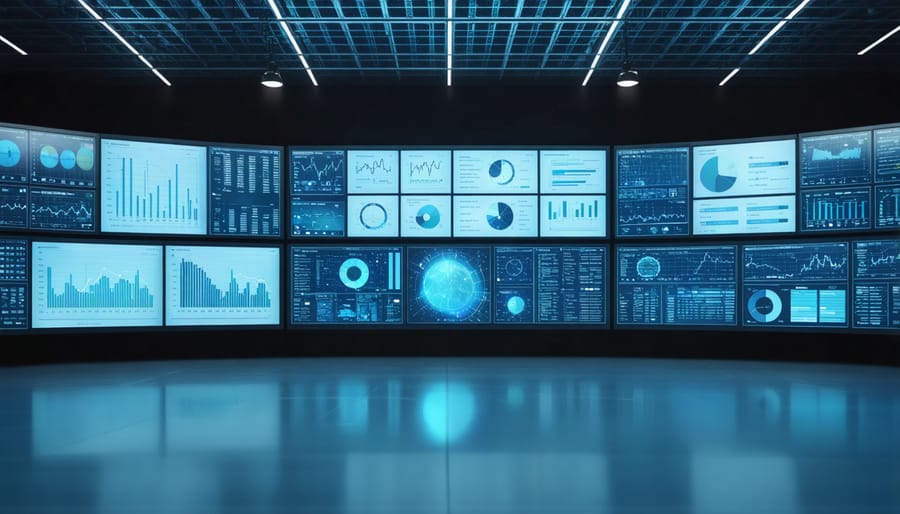
The Internet of Things (IoT) is revolutionizing how we monitor and manage energy consumption in homes and businesses across Illinois. Smart meters and connected devices now provide real-time data about your energy usage, helping you make informed decisions about when and how you use power. These devices can track everything from your HVAC system’s performance to individual appliance consumption patterns.
For solar energy users, IoT technology offers particularly valuable benefits. Smart sensors can monitor solar panel performance, predict maintenance needs, and automatically adjust energy usage based on available sunlight. When integrated with home automation systems, IoT devices can optimize energy consumption by running high-power appliances during peak solar production hours.
Many Illinois homeowners are now using smartphone apps connected to their IoT systems to track their solar energy production and household consumption. These apps provide detailed analytics and customizable alerts, helping users maximize their solar investment. Some systems even use artificial intelligence to learn from your usage patterns and automatically adjust settings for optimal efficiency.
Local utilities are also embracing IoT technology, using smart grid systems to better manage power distribution and respond more quickly to outages or fluctuations in demand.
Digital Tools for Solar Energy Optimization
Smart Inverter Technology
Modern smart inverters are revolutionizing how solar energy systems interact with the power grid. These advanced devices do much more than simply convert DC power from solar panels into usable AC electricity – they’re sophisticated pieces of technology that enhance system performance, safety, and grid stability.
Today’s smart inverters can automatically adjust power output based on grid conditions, helping maintain stable voltage levels throughout the neighborhood. They also provide real-time monitoring capabilities, allowing homeowners and businesses to track their solar production through user-friendly mobile apps and web interfaces. This data helps optimize energy usage and quickly identify any performance issues.
In Illinois, where weather conditions can vary significantly, smart inverters play a crucial role in maintaining system efficiency. They can rapidly shut down during power outages for safety, support grid stability during peak demand periods, and even help utility companies better manage the growing network of distributed energy resources.
These devices also future-proof your solar investment by enabling advanced features like energy storage integration and smart home connectivity. Many models can be updated remotely with new firmware, ensuring your system stays current with evolving grid requirements and technological improvements. This digital integration makes smart inverters an essential component of modern solar installations, providing both immediate benefits and long-term value for Illinois property owners.

Performance Monitoring Systems
Modern solar installations rely heavily on sophisticated monitoring systems to ensure optimal performance and quick issue detection. These digital solutions provide real-time data about your solar system’s energy production, helping you maximize your investment while minimizing downtime.
Most solar monitoring platforms offer user-friendly mobile apps and web interfaces that display key metrics like daily energy generation, panel efficiency, and potential problems. For Illinois homeowners and businesses, these tools are particularly valuable during winter months when snow coverage might affect panel performance.
Advanced monitoring systems can track individual panel performance, allowing for precise diagnostics when issues arise. They also compare actual production against expected yields based on local weather conditions, helping identify when panels might need cleaning or maintenance.
Many systems now integrate smart alerts that notify you immediately if production drops below normal levels. This proactive approach helps prevent extended periods of reduced efficiency, especially important during Illinois’ peak solar production months from March through September.
These monitoring solutions also generate detailed performance reports, which are valuable for warranty claims and maintaining system documentation. Some platforms even provide social sharing features, allowing you to compare your system’s performance with other local solar installations, creating a community of informed solar energy users.
For business owners, these systems often include additional features like demand management tools and detailed financial analytics, helping optimize energy usage patterns and maximize return on investment.
Data-Driven Energy Planning
Predictive Analytics
Predictive analytics has revolutionized how we approach energy management in Illinois, particularly in solar energy systems. By analyzing historical energy consumption patterns, weather data, and system performance metrics, property owners can now make more informed decisions about their energy usage and solar investments.
Modern analytics tools can forecast energy demands with remarkable accuracy, helping homeowners and businesses optimize their solar installations. These systems consider factors like seasonal variations, peak usage times, and historical consumption trends specific to our Illinois climate. For example, during hot summers when air conditioning demands spike, predictive models can help adjust energy storage and distribution strategies accordingly.
The benefits extend beyond just consumption forecasting. Advanced analytics help identify potential equipment maintenance needs before problems arise, optimize panel positioning for maximum efficiency, and even predict cloud cover patterns that might affect solar generation. This proactive approach leads to better system performance and increased cost savings.
For Illinois property owners, these insights are invaluable in planning energy usage, scheduling maintenance, and maximizing return on solar investments. Many local solar providers now offer smart monitoring systems that provide real-time analytics and predictive insights through user-friendly dashboard interfaces, making it easier than ever to manage your energy transition effectively.
Digital Twin Technology
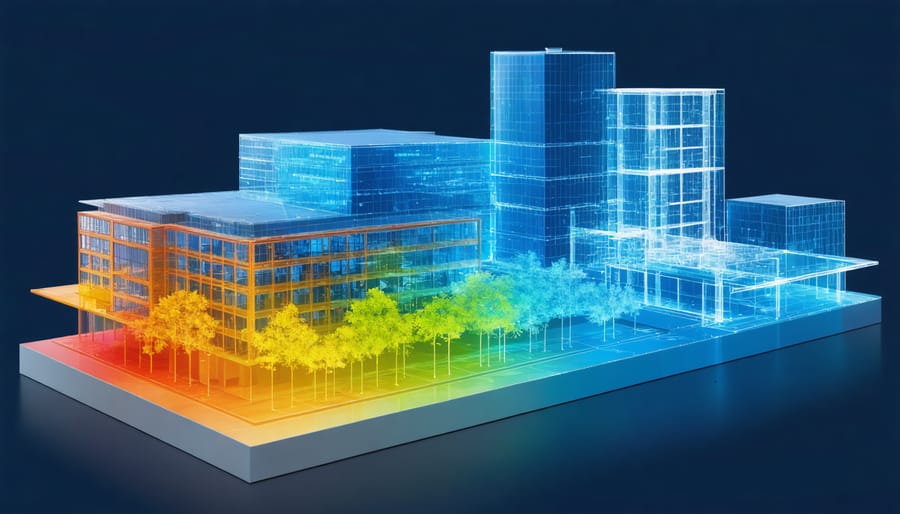
Digital twin technology is revolutionizing how we manage and optimize energy systems, particularly in solar installations across Illinois. Think of a digital twin as a virtual replica of your energy system that provides real-time insights and predictive capabilities. This technology creates an exact digital copy of your solar panels, inverters, and other components, allowing you to monitor and adjust performance without physically interfering with the equipment.
For homeowners and businesses, digital twins offer remarkable benefits. They enable you to simulate different scenarios, such as varying weather conditions or energy consumption patterns, helping you make informed decisions about your solar installation. The technology continuously collects data from sensors, providing detailed insights into system performance and identifying potential maintenance needs before they become problems.
In Illinois’s varying climate, digital twins are particularly valuable for optimizing solar panel efficiency throughout the year. The technology can adjust panel angles, predict maintenance needs based on weather forecasts, and balance energy storage systems for maximum effectiveness. This proactive approach helps ensure consistent energy production while reducing operational costs and extending equipment lifespan.
For larger installations, digital twins facilitate seamless integration with smart grid systems, enabling better energy distribution and storage management across communities.
Practical Implementation Steps
Assessment and Planning
Modern digital tools have revolutionized how we assess and plan for energy transitions, making it easier than ever for Illinois residents and businesses to evaluate their energy needs. Advanced energy monitoring systems and smart meters provide real-time data about consumption patterns, helping identify peak usage times and potential areas for improvement.
Online assessment platforms now offer user-friendly interfaces where property owners can input basic information about their building, energy usage, and goals. These tools analyze factors such as roof orientation, shade patterns, and local weather data to determine solar potential. They can also estimate potential energy savings and calculate the optimal size for solar installations.
Mobile apps and web-based calculators help users track their current energy consumption and simulate different scenarios for transitioning to solar power. These tools often incorporate local utility rates, available incentives, and Illinois-specific regulations to provide accurate cost projections and return-on-investment analyses.
For businesses, more sophisticated energy management systems (EMS) offer detailed analytics and forecasting capabilities. These systems can model various energy transition scenarios, helping companies develop phased implementation plans that align with their budgets and sustainability goals.
Virtual site assessment tools, using satellite imagery and 3D modeling, allow preliminary evaluations without physical site visits. This technology saves time and resources while providing reliable initial assessments for solar potential and installation planning.
Integration and Optimization
The successful integration of digital energy solutions requires a systematic approach that combines technological implementation with careful optimization strategies. Start by conducting a thorough energy audit to establish your baseline consumption patterns. This helps identify areas where digital solutions can make the most impact.
Smart meters serve as the foundation for effective home energy optimization, providing real-time data about your energy usage. Install an energy management system (EMS) that can communicate with your solar panels and smart devices. This creates a connected ecosystem that automatically adjusts energy consumption based on solar production and peak usage times.
For optimal results, integrate weather forecasting data with your solar system controls. This allows your system to predict energy generation capacity and adjust consumption patterns accordingly. Consider implementing automated demand response programs, which can help reduce strain on the grid during peak hours while maximizing the use of solar energy when it’s most abundant.
Regular monitoring and maintenance of these digital systems ensure continued efficiency. Use data analytics tools to track performance metrics and identify opportunities for further optimization. Remember to regularly update system software to maintain security and take advantage of new features that can enhance energy efficiency.
Digital technologies are rapidly reshaping how we approach energy transition, making solar and renewable energy solutions more accessible and efficient than ever before. In Illinois, we’re seeing these technologies drive significant improvements in energy management, from smart meters helping homeowners track their consumption to advanced monitoring systems optimizing solar panel performance.
The future of energy transition looks promising, with artificial intelligence and automation continuing to enhance system efficiency and reduce costs. For Illinois residents and businesses, this means greater opportunities to participate in the clean energy revolution while enjoying improved reliability and cost savings. Smart grids are becoming more sophisticated, enabling better integration of renewable energy sources and providing more stable power distribution throughout our communities.
As we move forward, the combination of digital innovation and renewable energy will continue to create new possibilities for sustainable living. By embracing these technologies today, Illinois homeowners and businesses can position themselves at the forefront of the energy transition, contributing to a cleaner environment while benefiting from increasingly efficient and cost-effective energy solutions.
