
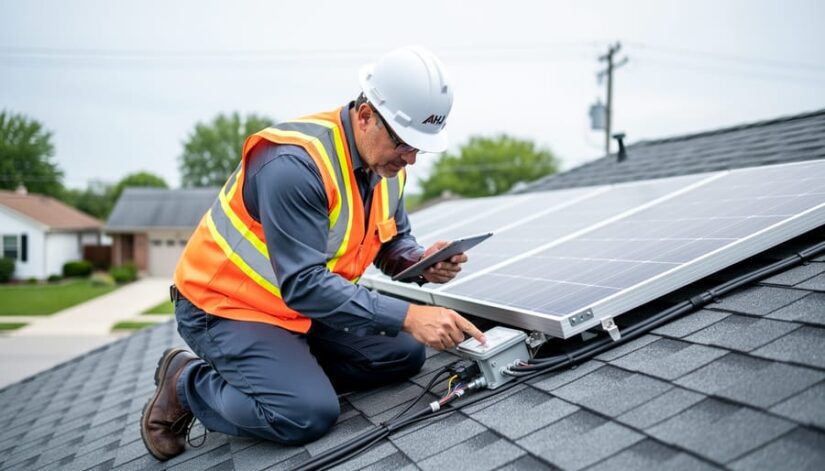
What Actually Happens During Your Solar AHJ Inspection in Illinois
Understand that AHJ (Authority Having Jurisdiction) inspections are the final checkpoint before your solar system can legally generate power, ensuring your installation meets all electrical, structural, and fire safety codes required in Illinois. Schedule your inspection only after your installer confirms all equipment is properly mounted, wired, and documented—premature scheduling leads to failed inspections and costly delays. Prepare a complete permit packet including electrical diagrams, equipment specifications, and structural calculations, as inspectors will verify these documents match your actual installation. Verify your installer has corrected any deficiencies from the utility’s preliminary review before the AHJ visit, since issues with inverter settings, disconnect labeling, or grounding often trigger re-inspections that can delay your project by weeks.
The solar installation process in Illinois involves multiple checkpoints, but the AHJ inspection stands as the most critical approval stage between you and solar savings. This inspection protects your investment by confirming your system won’t create electrical hazards, compromise your roof’s integrity, or violate local building codes. While the process might seem complex, working with experienced local installers who understand Illinois-specific requirements dramatically increases your chances of passing on the first attempt. Most AHJ inspections take 30-60 minutes onsite, but preparation determines whether you’ll receive immediate approval or face weeks of corrections and follow-up visits that keep your system offline and nonproductive.
Understanding AHJ Inspections in Illinois Solar Projects
What Is an Authority Having Jurisdiction (AHJ)?
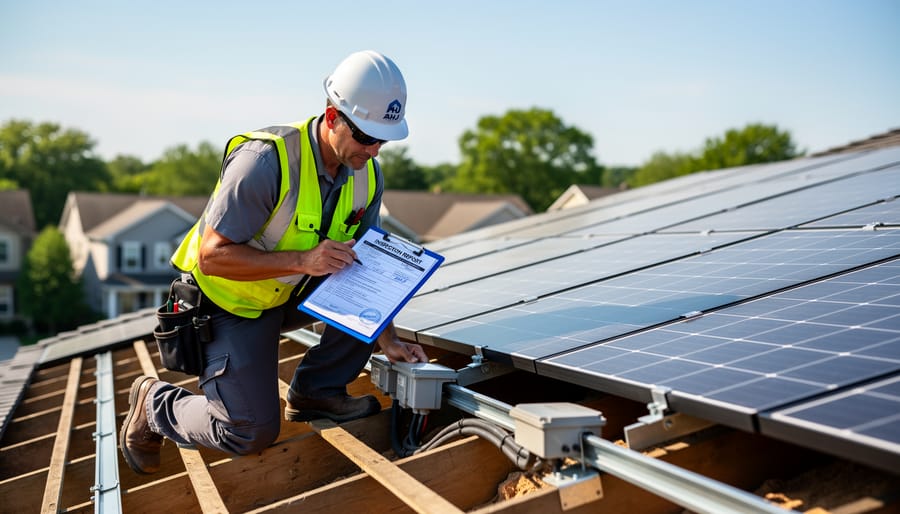
An Authority Having Jurisdiction, or AHJ, is the local government body responsible for reviewing, approving, and inspecting construction projects to ensure they meet safety codes and regulations. When you install a solar energy system in Illinois, the AHJ verifies that your installation complies with building, electrical, and fire safety standards before it can be connected to the grid.
In Illinois, the AHJ is typically your municipal building department if you live within city limits. For rural areas or unincorporated regions, county officials usually serve this role. These local authorities employ building inspectors and electrical inspectors who examine solar installations to protect public safety and property.
The primary responsibility of the AHJ is to safeguard homeowners, business owners, and the broader community. They ensure that solar systems are structurally sound, properly wired, and won’t create hazards like electrical fires or roof damage. While the inspection process might seem like an extra step, it provides peace of mind that your solar installation meets professional standards. Working with experienced, locally owned solar installers who understand Illinois-specific requirements helps ensure your project passes AHJ inspection smoothly and without unnecessary delays.
Why AHJ Inspections Are Required for Solar Installations
AHJ inspections serve as a critical safeguard in the solar installation process, ensuring your system meets Illinois building codes and electrical safety standards. These mandatory inspections protect your investment by verifying that your solar panels are properly installed, structurally sound, and connected safely to your home’s electrical system and the utility grid.
From a legal standpoint, passing an AHJ inspection is required before your system can be activated. Without this approval, your solar installation cannot receive permission to operate, meaning you won’t be able to generate electricity or take advantage of utility interconnection benefits. The inspection also protects your property value by confirming that the work was completed to professional standards, which matters for insurance coverage and future home sales.
Beyond compliance, inspections ensure your system will perform as designed. Inspectors verify that components are rated for local weather conditions, wiring meets capacity requirements, and safety disconnects are properly installed. This thorough review catches potential issues before they become costly problems, giving you confidence that your solar investment will deliver reliable, safe performance for decades to come. Working with experienced local installers familiar with Illinois requirements helps streamline this process and increases the likelihood of first-time approval.
Illinois-Specific AHJ Requirements
Illinois has adopted the National Electrical Code (NEC) and International Building Code (IBC) as the foundation for solar installations, but local jurisdictions often add their own requirements. Each county and municipality may interpret these codes differently, creating variations in permitting timelines, inspection checklists, and documentation standards. For example, Chicago has specific structural requirements for rooftop installations, while suburban and rural areas may have different setback rules or aesthetic guidelines.
Understanding Illinois solar regulations is essential because your AHJ will enforce both state and local codes during inspections. Some jurisdictions require additional engineering stamps for structural assessments, while others may mandate specific fire safety measures or electrical labeling protocols. Working with a locally owned solar installer who understands these regional nuances ensures your project meets all applicable requirements from the start, reducing the risk of inspection delays or costly modifications.
The AHJ Inspection Timeline: When Inspections Happen
Pre-Installation Permit Review
Before your solar installation begins, the Authority Having Jurisdiction conducts a thorough review of your project’s design documents and plans. This pre-installation permit review is a critical step that ensures your solar system meets all safety codes, electrical standards, and local building requirements specific to Illinois. During this phase, you’ll submit detailed plans including electrical diagrams, equipment specifications, and structural calculations for your roof or ground-mount system. The AHJ examines these documents to verify proper system sizing, appropriate component ratings, and compliance with the National Electrical Code. This review process typically takes anywhere from a few days to several weeks, depending on your local jurisdiction’s workload and the complexity of your system. Working with experienced solar professionals who understand Illinois regulations helps streamline this process, as they prepare complete, accurate documentation that meets AHJ expectations from the start, reducing the likelihood of plan rejections or requests for revisions that could delay your project timeline.
Rough-In or Mid-Installation Inspection
During your solar installation, the Authority Having Jurisdiction typically conducts a rough-in or mid-installation inspection before key components are concealed or finalized. This critical checkpoint occurs after mounting structures are installed and electrical conduit is run, but before panels are connected and walls or roofing materials cover the work.
The inspector examines structural attachments to ensure your roof or ground mounts meet engineering specifications and can safely support the solar array. They verify that electrical rough-in work, including conduit pathways, wire sizing, and grounding systems, complies with the National Electrical Code and Illinois-specific requirements. This inspection confirms that installation methods are correct before proceeding to final stages.
Scheduling this inspection at the right time prevents costly delays or corrections later. Your installer coordinates the timing to keep the project moving efficiently. Professional solar companies familiar with Illinois AHJ requirements prepare installations to pass inspection on the first visit, understanding exactly what local inspectors need to see at this stage.
Final Inspection and System Approval
The final inspection represents the last step before your solar system can officially begin generating power. During this visit, the AHJ inspector conducts a comprehensive review of your completed installation to verify everything meets approved plans and code requirements. The inspector examines electrical connections, grounding systems, equipment labels, and safety disconnects to ensure your system operates safely and efficiently.
Inspectors also verify proper mounting, conduit installations, and that all components match the specifications in your approved permit application. They check for workmanship quality and confirm that warning labels and documentation are properly displayed. This thorough evaluation protects both your property and the broader electrical grid.
Once the inspector approves your system, they issue a sign-off that allows you to proceed with interconnection. Your utility company then grants Permission to Operate (PTO), which authorizes you to connect your solar panels to the grid and start producing clean energy. Proper scheduling your inspection and working with experienced installers familiar with Illinois requirements helps ensure a smooth approval process without costly delays or required corrections.
What AHJ Inspectors Actually Check
Structural and Roof Integrity
During AHJ inspections, structural and roof integrity receives close attention to ensure your home or business can safely support the solar array for decades. Inspectors verify that mounting systems are properly attached to roof rafters or structural supports, not just surface-level sheathing. They review load calculations that account for your roof’s condition, age, and the combined weight of panels, racking, and potential snow accumulation—particularly important in Illinois where winter weather adds extra stress.
Roof penetrations require careful examination. Each hole drilled for mounting hardware must be properly sealed and flashed to prevent water intrusion. Inspectors check that installers used appropriate weatherproofing materials and techniques specific to your roof type, whether asphalt shingle, metal, or flat commercial roofing. Quality flashing around penetration points protects against leaks that could cause interior damage over time.
For flat or low-slope roofs common on commercial buildings, inspectors ensure ballasted systems are adequately weighted and positioned. Working with experienced local installers familiar with Illinois building codes helps ensure these structural requirements are met correctly the first time, preventing costly delays or required modifications during inspection.
Electrical System Compliance
The electrical system inspection is one of the most detailed portions of the AHJ review process for solar installations. Inspectors carefully verify that all wiring meets National Electrical Code (NEC) standards, which serve as the foundation for safe electrical work throughout the United States. This includes examining wire sizing to ensure conductors can safely handle the electrical current your system produces without overheating.
Conduit installation receives close attention during the inspection. All wiring must be properly protected within approved conduit materials, with secure fastening at regular intervals and proper entry points into junction boxes and electrical panels. Inspectors look for professional workmanship that protects wires from physical damage and environmental exposure.
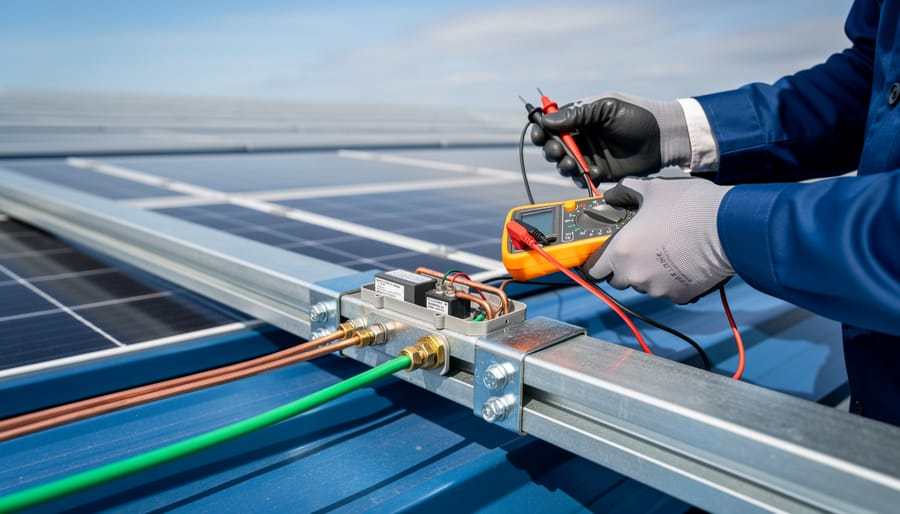
Grounding represents a critical safety component that inspectors thoroughly examine. Your solar system must have proper grounding connections to prevent electrical shock hazards and protect equipment from lightning strikes or power surges. This includes verifying ground wire connections, grounding electrode systems, and bonding between components.
Overcurrent protection devices like circuit breakers and fuses must be correctly sized and installed to prevent electrical fires. Inspectors confirm these protective devices match your system’s specifications and are properly labeled.
Finally, disconnect switches allow safe system shutdown during emergencies or maintenance. Inspectors verify that required disconnects are accessible, properly rated, and clearly marked for emergency responders and service technicians.
Labeling and Documentation Requirements
Your solar installation must include several key labels and documentation to pass AHJ inspection. The most visible requirement is a permanent placard near your electrical service panel that includes emergency shutdown procedures and system specifications. This placard helps first responders and electricians understand your system during emergencies.
Additional labels must identify the inverter location, maximum system voltage, and DC disconnect switches. Each label needs specific wording and sizing according to the National Electrical Code and Illinois state amendments. Your installer should also provide a detailed system diagram showing how your solar panels connect to your home’s electrical system, including wire sizes, breaker ratings, and equipment specifications.
Inspectors will verify that all documentation matches your approved permit drawings. Missing or incorrect labels are among the most common reasons for failed inspections, but they’re easily preventable. Working with experienced local solar professionals ensures all labeling requirements are met before the inspector arrives, helping you avoid unnecessary delays in activating your system.
Fire Safety and Access Pathways
Fire safety represents a critical component of AHJ inspections for solar installations. Inspectors verify that your system maintains proper setbacks from roof edges, typically three feet, allowing firefighters safe pathways to access your roof during emergencies. Your solar panels must also leave clear walkways for emergency responders to navigate and ventilate the structure if needed. Illinois fire codes require rapid shutdown systems on most residential installations, which automatically reduce electrical hazards within seconds during emergencies. These systems protect both firefighters and your property by quickly de-energizing conductors when activated. Working with experienced installers ensures your system meets all fire safety requirements from the start, preventing costly redesigns and helping your project pass inspection smoothly.
Common AHJ Inspection Issues and How to Avoid Them
Typical Inspection Failures
Understanding what can go wrong during an AHJ inspection helps you avoid delays and costly rework. Here are the most frequent issues that cause solar installations to fail inspection in Illinois:
Improper grounding and bonding is one of the leading causes of failure. The electrical system must be properly grounded according to National Electrical Code standards to protect against electrical faults and lightning strikes.
Missing or incorrect labeling often triggers reinspection. Every component, from the disconnect switch to the inverter and electrical panels, requires specific warning labels and system identification tags that meet code requirements.
Inadequate fire setbacks can stop your project in its tracks. Illinois fire codes require specific clearances around roof-mounted panels to provide firefighter access pathways. These setbacks vary by roof type and building height.
Incorrect disconnect placement is another common problem. The AC and DC disconnects must be readily accessible, properly positioned, and clearly marked for emergency responders.
Conduit and wiring issues, including exposed wiring, improper wire sizing, or incorrect conduit sealing, frequently require correction before approval.
Working with experienced solar professionals familiar with common solar challenges in Illinois helps ensure your installation passes inspection the first time, keeping your project on schedule and avoiding unnecessary expenses.
How Professional Installers Ensure First-Time Pass Rates
The difference between a smooth inspection and costly delays often comes down to installer expertise. Experienced solar installers in Illinois understand that passing AHJ inspections on the first attempt requires more than basic technical knowledge—it demands familiarity with local code requirements and each jurisdiction’s specific expectations.
Professional installation teams study the building codes and electrical standards that govern their service areas. They know which jurisdictions require specific conduit materials, what grounding methods meet local standards, and how inspection officials prefer documentation. This local expertise means they build systems to code from day one, eliminating the common mistakes that trigger failed inspections.
Quality installers also maintain detailed documentation throughout the project. They photograph each installation phase, track equipment serial numbers, and organize permit paperwork before inspectors arrive. This preparation demonstrates professionalism and helps inspectors verify compliance quickly.
Additionally, established solar companies often have working relationships with local AHJs. Regular communication with inspection offices helps them stay current on code updates and understand any new requirements before they become problems. These relationships don’t guarantee approval, but they do ensure installers know exactly what officials will be looking for during the visit.
By choosing a locally owned solar company with proven experience in Illinois installations, property owners significantly reduce the risk of inspection delays and the expenses that come with them.
Your Role as the Property Owner During AHJ Inspections
What You Need to Provide
As a property owner, you play an important role in helping the AHJ inspection process go smoothly. You’ll need to ensure clear access to your solar installation site on the scheduled inspection day, including access to your electrical panel and any roof-mounted equipment. Be prepared to provide documentation about your property’s electrical system and utility connection if requested. It’s also helpful to coordinate with your solar installer ahead of time, as they typically handle most of the technical aspects and communication with inspectors. Keep any permits and system documentation readily available. Your installer should guide you through what’s needed, but maintaining open communication and being available during the inspection window ensures there are no delays. Most inspections are straightforward when you work with experienced professionals who understand Illinois requirements and can prepare everything properly beforehand.
Being Present for Inspections
You typically don’t need to be present during the AHJ inspection of your solar installation, though some inspectors may prefer having someone available to answer questions or provide access to specific areas. Your solar installer will usually coordinate with the inspector and handle the technical aspects of the visit.
During the inspection, the AHJ representative will examine your solar array, mounting system, electrical connections, and inverter installation to verify everything meets Illinois building codes and safety standards. They’ll check that the work matches the approved permit plans and that all components are properly labeled and secured. The inspector will also review the electrical disconnect switches and grounding systems to ensure safe operation.
Most solar inspections take between 30 minutes to an hour, depending on the system’s size and complexity. Larger commercial installations may require more time than residential systems. The inspector will document their findings and either approve the installation or note any corrections needed before final approval.
Working with experienced local solar professionals ensures your system is installed correctly the first time, minimizing the chances of inspection delays. Their familiarity with Illinois requirements and relationships with local inspectors helps streamline the entire process, getting your solar system operational quickly.
After the Inspection: Next Steps to Powering On Your System
From AHJ Approval to Utility Permission to Operate
Once your solar installation passes the AHJ inspection, you’re one step closer to generating clean energy, but there’s still an important milestone ahead. The approval from your local Authority Having Jurisdiction confirms that your system meets all safety and building code requirements. However, before you can start using your solar panels, you’ll need Permission to Operate from your utility company.
This handoff involves your solar installer submitting the AHJ approval documentation to the utility company, along with interconnection paperwork. The utility reviews these materials to ensure your system can safely connect to the electrical grid without causing issues for other customers or the broader network. They verify that proper safety equipment, like disconnect switches and appropriate metering, is in place.
The utility review process in Illinois typically takes anywhere from a few days to several weeks, depending on the specific utility company and current application volume. During this time, the utility may schedule their own brief inspection to verify the installation details. Once approved, they’ll issue formal Permission to Operate, authorize your net metering agreement if applicable, and you can officially flip the switch on your solar energy system.
System Activation and Monitoring Setup
Once your solar system passes the AHJ inspection, the final activation phase begins. Your installer will energize the system, connecting it to the electrical grid through the approved interconnection process. This involves flipping the breakers, verifying that solar panels are generating electricity, and ensuring all safety mechanisms function correctly.
Next, your monitoring system gets activated, allowing you to track your system’s energy production in real-time through a smartphone app or web portal. This monitoring capability helps you understand your energy generation patterns and confirms your system operates at peak efficiency.
Your installer will provide a comprehensive customer orientation, walking you through system operation, monitoring features, and basic maintenance requirements. They’ll explain how to read your production data, what to do if you notice performance issues, and answer any questions about your new solar investment. As a locally owned company with expertise in solar energy, we ensure Illinois homeowners feel confident operating and maintaining their systems for years to come.
Working With Illinois Renewables for Smooth AHJ Inspections
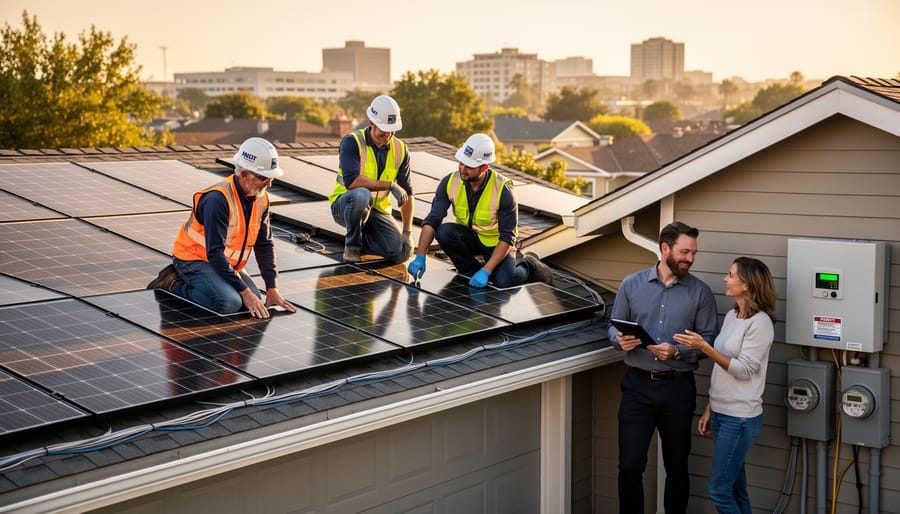
Navigating AHJ inspections becomes significantly easier when you work with a locally owned solar installer who understands Illinois-specific requirements. At Illinois Renewables, our established relationships with Authority Having Jurisdiction officials throughout the state make a meaningful difference in how smoothly your solar project proceeds from installation to final approval.
Our team’s familiarity with local building codes, permit requirements, and inspection procedures means we know exactly what inspectors look for in each jurisdiction. This expertise allows us to prepare documentation correctly the first time, schedule inspections at optimal times, and address any concerns proactively before they become delays. We’ve built trust with AHJ officials through years of consistently delivering compliant installations that meet or exceed safety standards.
When issues arise during inspections, our experience becomes invaluable. We understand the specific preferences and priorities of different jurisdictions across Illinois, which helps us resolve concerns quickly and efficiently. Rather than homeowners navigating unfamiliar technical requirements alone, our team handles communication with inspectors and coordinates any necessary adjustments.
This local expertise translates directly into peace of mind for our customers. You won’t face unexpected delays due to documentation errors or code misunderstandings. Our knowledge of regional inspection timelines helps set realistic expectations, and our professional relationships often facilitate faster scheduling. By choosing a solar installer with deep roots in Illinois communities, you’re not just getting technical installation skills—you’re gaining an advocate who ensures your project moves through the inspection process as smoothly as possible.
AHJ inspections represent a crucial quality assurance step in your solar installation journey, not a barrier to overcome. These inspections exist to protect you, your property, and your community by ensuring that solar systems meet safety standards and perform reliably for decades. Rather than viewing inspections as obstacles, think of them as verification that your investment is sound and properly installed.
Working with experienced local professionals makes all the difference in navigating the AHJ inspection process smoothly. Companies familiar with Illinois requirements understand the specific codes, documentation, and installation standards that inspectors look for. This expertise translates directly into fewer delays, reduced revision requests, and faster system activation. Professional installers handle the technical complexities, coordinate with inspectors, and ensure every component meets or exceeds local standards.
At Illinois Renewables, our locally owned team brings deep knowledge of Illinois AHJ requirements and a track record of successful inspections across the state. We manage the entire process from permit applications through final approval, so you can focus on the benefits your solar system will deliver. Ready to start your solar journey with confidence? Contact Illinois Renewables today for a consultation and discover how our expertise ensures a smooth path to clean, renewable energy.
