
How to Schedule Your Solar Inspection in Illinois Without Delays or Headaches
Contact your Authority Having Jurisdiction (AHJ) directly to confirm their specific inspection scheduling requirements, as procedures vary significantly across Illinois municipalities. Most jurisdictions allow scheduling once you receive permit approval, but some require 24-48 hours advance notice while others need up to two weeks.
Verify your system is completely installed and ready before requesting an inspection—inspectors typically won’t return for free if your installation is incomplete. This means all panels must be mounted, electrical connections finished, and equipment properly labeled according to code requirements outlined during your solar installation process.
Prepare documentation including your approved permit, system design plans, and equipment specifications sheets before the inspection date. Inspectors will verify your installation matches approved plans and meets National Electric Code standards and local requirements.
Schedule during the inspector’s available windows rather than requesting specific times, as flexibility speeds up the process. Many Illinois jurisdictions now offer online scheduling portals, while others still require phone calls or email requests. Understanding your local AHJ’s preferred method prevents unnecessary delays that postpone your system’s activation and your ability to start generating clean energy and savings.
Understanding Illinois Solar Inspection Requirements
Before your solar installation can start producing clean energy, it must pass several inspections required by Illinois solar regulations. These inspections serve as critical safety checkpoints and ensure your system meets the standards necessary for connecting to the electrical grid.
The inspection process typically involves three key parties. First, your local Authority Having Jurisdiction (AHJ), usually your municipal or county building department, conducts a structural and electrical inspection to verify that the installation meets building codes. Second, a certified electrical inspector examines the system’s wiring, inverters, and electrical connections to confirm everything is properly grounded and safely configured. Finally, your utility company sends a representative to inspect the interconnection point where your solar system connects to the grid.
These inspections are not bureaucratic hurdles but essential safety measures. They protect you, your property, and utility workers who may service lines connected to your system. The structural inspection ensures your roof can support the solar panels and that mounting systems are secure. The electrical inspection verifies that all components can handle the power loads safely and won’t create fire hazards. The utility inspection confirms your system includes proper disconnect switches and anti-islanding protection, which prevents your panels from sending electricity into the grid during power outages when utility workers might be making repairs.
Without passing these inspections, your system cannot be legally energized or connected to the grid, meaning you cannot start generating solar power or receiving credits for excess energy production. Understanding this process helps you prepare properly and avoid delays in activating your solar investment.
When to Schedule Your Inspection
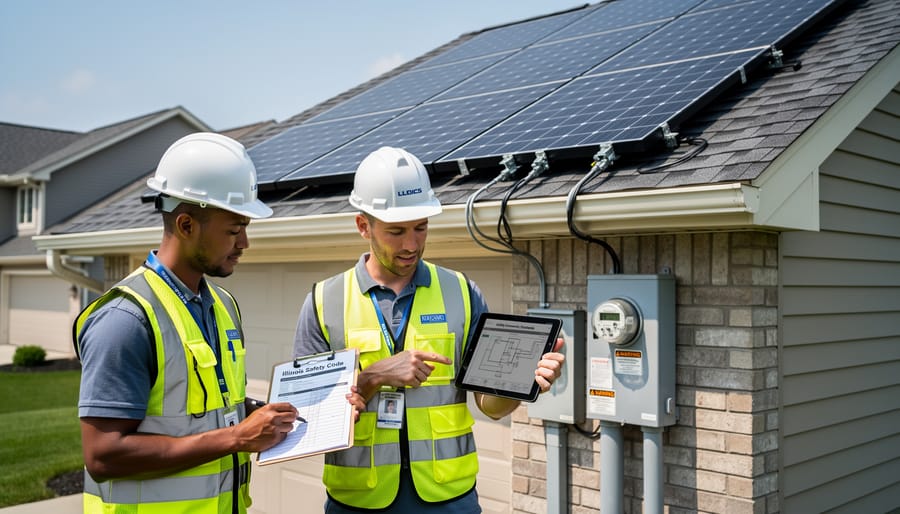
Timing your inspection request correctly is essential to keeping your solar installation on track. In Illinois, you should schedule your inspection only after your solar system installation is completely finished and ready for evaluation. This means all panels must be mounted, electrical connections completed, inverters installed, and safety equipment in place.
Before contacting your local Authority Having Jurisdiction to request an inspection, walk through a final checklist with your installer. Verify that all work matches the approved permit drawings, labeling is complete, and the site is safe and accessible for the inspector. Scheduling too early when work remains incomplete will result in a failed inspection and require rescheduling, adding weeks to your project timeline.
Most Illinois jurisdictions allow inspection requests through online portals, phone calls, or email submissions. The scheduling timeline varies significantly by location. In larger municipalities like Chicago or Springfield, you might wait one to two weeks for an available inspection slot due to high demand. Smaller rural counties often offer more flexibility, sometimes scheduling within just a few business days.
Plan ahead by contacting your AHJ early in the installation process to understand their current scheduling timelines. Some jurisdictions experience seasonal backlogs, particularly during peak construction months in spring and summer. If you’re working with a locally owned solar company with expertise in Illinois installations, they typically handle inspection scheduling on your behalf and understand the specific timing requirements for your jurisdiction. This local knowledge helps avoid common scheduling mistakes and ensures your system moves smoothly toward final approval and activation.
How to Schedule an Inspection with Your Local AHJ
Finding Your Authority Having Jurisdiction (AHJ) Contact Information
Before you can schedule your solar inspection, you need to identify which Authority Having Jurisdiction oversees your property. In Illinois, this is typically your local municipal building department, though some areas fall under county jurisdiction if you’re outside city limits.
Start by visiting your city or village’s official website and look for the building department or code enforcement section. Most Illinois municipalities list their building inspector contact information, office hours, and inspection scheduling procedures online. If you’re unsure which jurisdiction applies to your location, your property tax bill or deed will indicate the governing municipality.
For rural properties or unincorporated areas, contact your county building department. Some smaller Illinois communities contract inspection services through their county or neighboring municipalities, so don’t be surprised if you’re redirected.
When you locate your AHJ, save their direct phone number and email address. Many jurisdictions now offer online inspection scheduling portals, which can save you time. However, some smaller Illinois communities still require phone calls during specific business hours.
If you’re working with a solar installer, they often have established relationships with local AHJs and can provide this contact information immediately. At Illinois Renewables, our team maintains up-to-date contacts for jurisdictions throughout our service area, streamlining the scheduling process for our clients and ensuring nothing delays your system’s final approval.
Scheduling Methods: Online, Phone, and In-Person Options
Illinois jurisdictions offer multiple ways to schedule your solar system inspection, each with distinct advantages depending on your situation and preferences.
Online scheduling has become increasingly popular across Illinois municipalities. Many local building departments now provide web portals where you can request inspections 24/7. This method offers convenience since you can schedule outside business hours and receive immediate confirmation. You’ll typically need your permit number and project address. The downside is that some smaller jurisdictions haven’t yet implemented these systems, and technical issues can occasionally delay submissions.
Phone scheduling remains the most widely available option throughout Illinois. Calling your local Authority Having Jurisdiction directly allows you to speak with inspection staff who can answer questions and clarify requirements in real time. This personal interaction helps ensure you’re scheduling the correct inspection type and can address any concerns about your solar installation. However, you’re limited to business hours, and wait times can vary depending on call volume.
In-person scheduling at your local building department works well if you prefer face-to-face communication or have complex questions about your solar project. This approach lets you review paperwork together and get immediate feedback. It’s particularly helpful for first-time solar system owners navigating the process. The main drawback is the time commitment required to visit the office during working hours.
Regardless of which method you choose, have your permit documentation ready and schedule at least two to three business days in advance to secure your preferred time slot.
Required Information for Scheduling
Before you contact your local Authority Having Jurisdiction to schedule your solar inspection, gather the necessary information to make the process smooth and efficient. Having these details ready will help avoid delays and ensure your appointment is scheduled correctly.
First, you’ll need your solar permit number, which was issued when your application was approved. This number is essential for the AHJ to locate your project in their system. Have your complete property address on hand, including any specific location details for the solar installation, such as rooftop or ground-mounted system specifications.
Your contractor’s information is also required. This includes the business name, contractor license number, and contact details for the company performing the installation. If you’re working with a locally owned solar provider like Illinois Renewables, they typically handle this coordination for you.
Be prepared to describe your installation details, including system size in kilowatts, the number of panels, inverter type, and whether the system includes battery storage. You’ll also need to confirm that the installation is complete and ready for inspection.
Finally, have several preferred dates and times available. Most jurisdictions require scheduling at least a few business days in advance, and flexibility increases your chances of securing a convenient appointment. Some AHJs offer online scheduling, while others require phone calls during specific business hours.
Typical Inspection Timeframes in Illinois
Inspection scheduling timeframes vary significantly across Illinois municipalities. In smaller communities like Champaign or Springfield, you might secure an inspection within 3-5 business days during typical periods. Larger jurisdictions including Chicago suburbs often require 7-14 days advance notice, with some experiencing longer wait times during peak construction seasons from April through September.
Cook County municipalities generally need at least two weeks’ notice, while downstate regions may offer more flexibility with 5-7 day windows. Rural areas typically provide the quickest turnaround, sometimes accommodating inspections within 48 hours. However, these timeframes can extend during summer months when inspection departments face higher demand.
Plan to schedule your final solar inspection at least two weeks before your desired completion date to avoid delays. Many locally owned solar installers maintain relationships with inspection departments, which can help navigate scheduling efficiently and ensure your system gets approved promptly.
Preparing for Inspection Day
Proper preparation can make the difference between a smooth inspection and frustrating delays. Before the inspector arrives at your Illinois property, you’ll want to ensure everything is in order to demonstrate compliance with local codes and safety standards.
Start by gathering all required documentation. This includes your approved permit, system specifications, manufacturer’s cut sheets for all major components, electrical diagrams, and any structural engineering reports if applicable. Keep these documents in a folder or digital format that’s easily accessible. Many inspectors appreciate having copies they can reference during their walkthrough.
Site access is critical. Clear pathways to your solar array, inverter, main service panel, and any disconnects or combiner boxes. The inspector needs unobstructed access to examine connections, labeling, and installation quality. If your system is roof-mounted, ensure ladders or safe access points are available. Remove any debris, tools, or materials from the work area that might create safety hazards or impede the inspection process.
Your system should be fully installed but not yet energized unless specifically directed otherwise by your Authority Having Jurisdiction. All wiring must be complete, properly secured, and labeled according to National Electrical Code requirements. Grounding and bonding connections should be finished, and all required placards and warning labels must be visible and correctly positioned.
Safety considerations matter throughout the process. If you have pets, secure them away from the inspection area. Inform household members or employees that an inspector will be on-site. Weather conditions also play a role—if severe weather is forecasted, contact your local building department about rescheduling rather than risking unsafe working conditions.
Working with experienced local installers familiar with Illinois requirements significantly reduces preparation stress, as they understand exactly what inspectors expect to see.
What Happens During the Inspection
On inspection day, a certified inspector from your local Authority Having Jurisdiction will arrive at your property to evaluate your solar installation. The entire process typically takes between 30 minutes to two hours, depending on your system’s size and complexity.
The inspector will conduct a thorough examination of several key components. They’ll check your solar panels to ensure proper mounting and secure attachment to your roof or ground structure. The electrical connections receive careful attention, including wiring methods, grounding systems, and proper labeling of all components. Your inverter installation will be inspected for correct placement, ventilation, and compliance with manufacturer specifications. The inspector will also verify that all required safety disconnects are accessible and properly installed.
During the walkthrough, feel free to ask questions about the process. Most inspectors appreciate engaged property owners who want to understand their solar systems. They’ll examine your permit documents and compare the actual installation against the approved plans to ensure everything matches.
Inspectors typically look for common issues like improper wire sizing, inadequate grounding, missing labels, or installation methods that don’t meet current electrical codes. If they identify any concerns, they’ll note them on their inspection report.
After completing the physical inspection, the inspector will provide preliminary feedback. While official results usually arrive within a few business days through your local AHJ’s office, many inspectors will indicate whether they anticipate approval or if corrections are needed. If corrections are required, you’ll receive a detailed list of items to address before scheduling a re-inspection.
Common Scheduling Mistakes and How to Avoid Them
Even well-prepared solar installations can face inspection delays due to avoidable scheduling errors. Understanding these common pitfalls helps ensure your project stays on track.
One frequent mistake is scheduling the inspection too early, before the installation is completely finished. Inspectors cannot approve partial work, and premature scheduling means rescheduling fees and additional waiting periods. Always confirm with your installer that all components are installed, labeled, and ready for review before requesting an inspection.
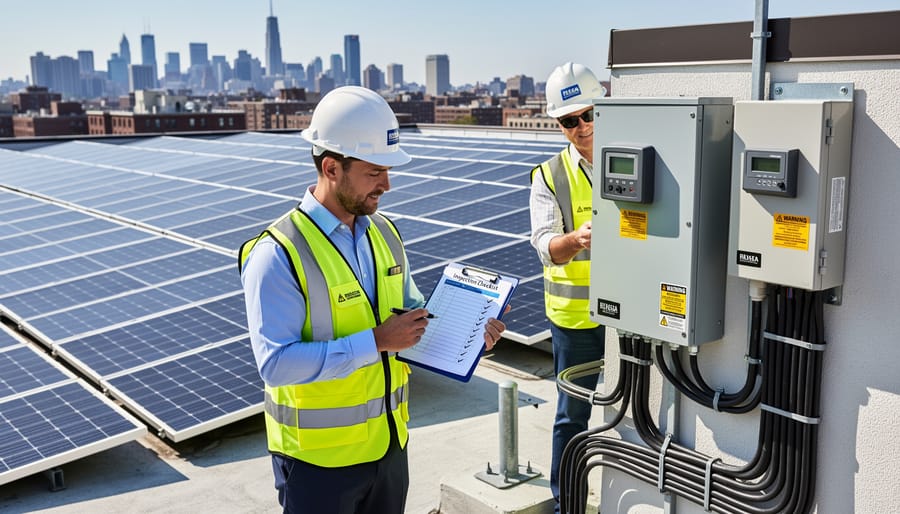
Missing or incomplete documentation causes significant delays. Your AHJ needs specific paperwork including permit numbers, equipment specifications, and electrical diagrams. Create a checklist of required documents before scheduling, and double-check that everything is accurate and readable. Incorrect serial numbers or outdated plans will result in failed inspections.
Poor coordination between installers, electricians, and property owners creates confusion about who needs to be present during the inspection. Some jurisdictions require the installer to attend, while others expect the property owner. Clarify these requirements with your AHJ beforehand and ensure all necessary parties can be available on the scheduled date.
Insufficient access to the system is surprisingly common. Inspectors need clear access to electrical panels, inverters, mounting hardware, and roof areas. Remove obstacles, unlock relevant spaces, and ensure pets are secured. Limited access wastes the inspector’s time and your scheduling slot.
These scheduling challenges are part of the broader common solar challenges Illinois property owners face. Working with experienced local professionals who understand your jurisdiction’s specific requirements significantly reduces these risks and keeps your solar project moving forward smoothly.
What If Your Inspection Fails?
A failed inspection doesn’t mean your project is derailed—it simply means certain items need correction before approval. The inspector will provide a detailed report identifying specific issues that require attention, which typically fall into categories like electrical connections, equipment placement, or documentation gaps.
Once you receive the failure notice, review the inspector’s comments carefully. Many issues are straightforward fixes that your installation team can address quickly, often within a few days. Common corrections include adjusting equipment labels, securing conduit properly, or updating as-built drawings to reflect actual installation conditions.
After making the necessary corrections, you’ll need to schedule a reinspection with your local AHJ. Some jurisdictions allow immediate rescheduling, while others require a brief waiting period. The reinspection process follows the same scheduling procedures as your initial inspection, though correction-based reinspections often have shorter wait times.
Most correction timelines range from three to ten business days, depending on the complexity of required changes and inspector availability. Working with experienced professionals who understand Illinois AHJ requirements significantly reduces the likelihood of failed inspections and helps resolve any issues efficiently, keeping your solar project on track toward final approval and system activation.
Working with Your Solar Installer on Inspection Scheduling
When you partner with a professional solar installation company in Illinois, much of the inspection scheduling burden is lifted from your shoulders. Experienced solar installers like Illinois Renewables typically handle the entire permitting and inspection process on behalf of their clients, serving as your advocate with local authorities having jurisdiction.
Your solar installer will coordinate directly with your municipality to schedule the required inspections at appropriate stages of installation. They know exactly when to request electrical, structural, and final inspections based on project milestones. Because they work regularly with Illinois AHJs, professional installers understand local requirements, preferred scheduling methods, and typical response times for different jurisdictions across the state.
While your installer manages most logistics, homeowners do have some responsibilities. You’ll need to ensure someone is available to provide property access during scheduled inspection times. You should also respond promptly to any questions from your installer about property details or documentation that inspectors might request.
The advantage of working with locally owned companies familiar with Illinois processes cannot be overstated. These contractors have established relationships with local inspectors, understand jurisdiction-specific requirements, and know how to navigate any complications that arise. They can anticipate potential issues before they cause delays and communicate directly with inspectors to resolve questions quickly.
This partnership approach means you benefit from professional expertise while staying informed about your project’s progress without managing complex regulatory interactions yourself.
Scheduling your solar inspection properly is one of the most critical steps toward successfully powering your home or business with clean, renewable energy. While the permitting and inspection process can seem complicated, understanding what’s required and staying organized throughout makes all the difference. By planning ahead, coordinating with your installer, and ensuring all documentation is complete before requesting an inspection, you’ll avoid unnecessary delays and keep your project moving forward smoothly.
Working with experienced local professionals who understand Illinois regulations and your specific AHJ requirements is essential. Local solar installers bring valuable knowledge about inspector expectations, common approval challenges, and the most efficient ways to navigate your municipality’s unique processes. This expertise saves you time, reduces stress, and helps ensure your system passes inspection on the first attempt.
At Illinois Renewables, we’ve guided countless homeowners and businesses through every stage of the solar journey, including the critical inspection phase. As a locally owned company with deep roots in Illinois communities, we understand both the technical requirements and the practical realities of working with local authorities. We’re committed to making your transition to solar energy as seamless as possible, handling the complexities so you can focus on the benefits your new system will bring.
