
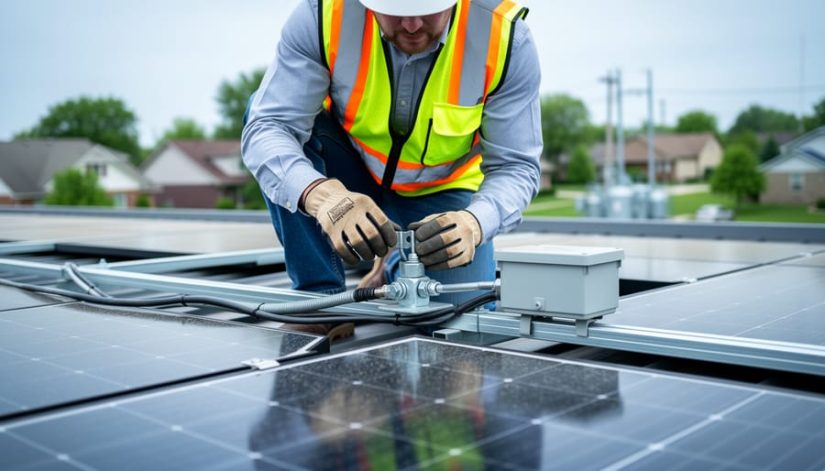
What Illinois Inspectors Actually Check During Your Solar Installation
Expect two to three separate inspections during your solar installation process: an electrical inspection to verify wiring and connections meet National Electrical Code standards, a structural inspection to confirm your roof can support the panel array, and a final interconnection inspection before your system connects to the grid. Schedule these inspections proactively with your local Authority Having Jurisdiction (AHJ) at least two weeks in advance, as inspection availability varies significantly across Illinois municipalities and can create project delays if left to the last minute. Prepare for inspectors to examine critical safety elements including proper grounding, conduit installation, disconnect switches, and clearance requirements around equipment—common failure points that extend timelines by weeks when contractors cut corners. Request detailed pre-inspection checklists from your installer that outline every component inspectors will review, ensuring nothing gets overlooked before the scheduled visit.
Understanding what happens during general inspections removes uncertainty from your solar investment and prevents costly rework. Illinois AHJs follow standardized codes but interpret requirements differently based on local conditions, meaning what passes in Chicago may need modifications in Springfield or Rockford. Working with locally owned solar companies familiar with your specific jurisdiction’s expectations dramatically increases first-time pass rates and keeps your project on schedule. Most inspection failures stem from preventable issues like inadequate documentation, missing labels, or incorrect wire sizing rather than major installation problems, making thorough preparation your best tool for smooth approval and faster activation of your solar system.
Understanding General Inspections in Illinois Solar Projects
What Qualifies as a General Inspection
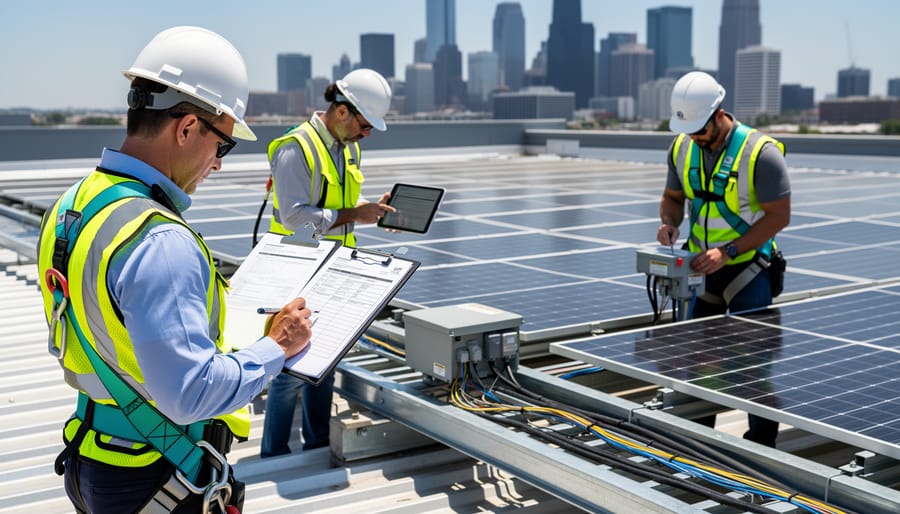
A general inspection covers the fundamental safety and structural components of your solar installation. Unlike specialty inspections that focus on specific areas like fire suppression systems or battery storage, general inspections examine the core elements that ensure your system operates safely and meets building codes.
During a general inspection for solar projects, inspectors review several key areas. The structural assessment verifies that your roof or ground-mount structure can support the weight of solar panels and withstand Illinois weather conditions, including snow loads and wind. The electrical portion examines wiring connections, conduit installation, grounding systems, and proper integration with your existing electrical panel. Inspectors also check that your system includes required safety features like rapid shutdown devices and proper labeling.
General inspections ensure compliance with the National Electrical Code and International Building Code, which form the foundation of most Illinois Authority Having Jurisdiction requirements. Your local inspector will confirm that installation work matches the approved permit drawings and that all components meet manufacturer specifications. As a locally owned company with expertise in solar energy, we help homeowners and businesses understand exactly what inspectors will evaluate, ensuring your project passes inspection on the first visit.
The Role of Your Local AHJ
Your Authority Having Jurisdiction, or AHJ, is the local entity responsible for reviewing permits and conducting inspections for solar installations in your community. Depending on where you live in Illinois, your AHJ might be your city or village building department, your county government, or in some cases, a regional authority. These officials have the legal authority to approve or reject installations based on compliance with state and local codes.
The AHJ uses established guidelines as a playbook to ensure every solar project meets safety and performance standards. This consistency means that whether you’re in Chicago, Springfield, or a smaller municipality, inspectors follow similar protocols during the AHJ inspection process. They verify electrical connections, structural mounting, proper equipment labeling, and adherence to the National Electrical Code and International Building Code.
Working with a locally owned solar installer who understands your specific AHJ’s requirements can streamline the entire process. These professionals know the nuances of different municipalities and can prepare your project documentation to meet local expectations, reducing the likelihood of delays or failed inspections.
The General Inspection Timeline for Solar Installations
Pre-Installation Inspections
Before your solar installation begins, inspectors conduct a thorough pre-installation assessment to ensure your property is ready for the project. This early inspection protects both you and your contractor by identifying potential issues that could delay construction or affect system performance.
Inspectors start by evaluating your roof’s structural integrity, checking for adequate load-bearing capacity to support solar panels. They examine the roof’s age, condition, and material type, as older or damaged roofs may need repair or replacement before installation proceeds. This step is especially important in Illinois, where snow loads during winter months add extra weight to your roof system.
Site conditions also receive careful attention. Inspectors verify proper electrical service capacity at your main panel and confirm that your property meets local setback requirements and zoning regulations. They assess shading patterns, potential obstructions, and whether your roof orientation maximizes solar production throughout the year.
Structural readiness extends beyond the roof itself. Inspectors check attic framing, verify adequate ventilation, and ensure mounting locations can handle the additional weight without compromising your building’s integrity. This comprehensive evaluation helps prevent costly surprises during installation and sets the foundation for a successful solar project that meets all Illinois safety standards.
Mid-Installation Checkpoints
During your solar installation, you may encounter mid-installation checkpoints, especially for larger commercial projects or systems with complex mounting requirements. These inspections typically focus on structural mounting and rough electrical work before panels are installed and systems are energized.
A structural inspection examines your roof attachments, racking systems, and mounting hardware to ensure everything meets load-bearing requirements and local building codes. Your inspector will verify that penetrations are properly sealed and that the mounting system can withstand Illinois weather conditions, including snow loads and wind forces.
The rough electrical inspection occurs after conduit installation but before final connections. Inspectors check wire sizing, grounding systems, and proper routing from your roof to the electrical panel. They’ll also verify that your installation meets National Electrical Code standards specific to photovoltaic systems.
Your contractor will schedule these inspections at appropriate project milestones and typically handles any corrections needed. These checkpoints help catch potential issues early, ultimately streamlining your final inspection and reducing project delays.
Final Inspection Requirements
The final general inspection is the last checkpoint before your solar system can go live. During this comprehensive walkthrough, your local inspector verifies that everything has been installed according to approved plans and meets all safety codes. They’ll examine the completed electrical connections, confirm proper grounding and bonding, and ensure all components are securely mounted and accessible for future maintenance. The inspector also checks that required labels and documentation are in place, including DC disconnect warnings and system specifications.
This inspection builds on the electrical and structural checks completed earlier. Your contractor plays a crucial role in scheduling your inspection at the right time and ensuring all work is ready for review. Once you pass, the inspector issues a certificate of completion, which your utility company requires before approving grid interconnection. Most systems pass on the first visit when installed by experienced professionals familiar with Illinois requirements, getting you one step closer to clean, renewable energy production.
Key Areas Inspectors Evaluate During General Inspections
Structural and Mounting Systems
Inspectors pay close attention to how your solar panels are attached to your roof and the structural integrity of the entire system. They’ll examine the mounting hardware to ensure it’s properly secured to roof rafters or trusses, not just the roof decking. In Illinois, where we experience heavy snow loads in winter and strong winds throughout the year, this verification is essential for your system’s long-term safety.
The racking system that holds your panels must meet specific load requirements based on your building’s design and local weather conditions. Inspectors check that all bolts are torqued to manufacturer specifications and that waterproofing measures around roof penetrations are correctly installed to prevent leaks. They’ll also verify that the mounting system doesn’t compromise your roof’s structural integrity.
For ground-mounted systems, inspectors examine foundation work and post installations to confirm they can withstand environmental stresses. They review engineering calculations to ensure the design accounts for wind uplift, snow accumulation, and seismic factors relevant to your Illinois location. Your locally owned solar installer should provide all necessary documentation showing that materials and installation methods comply with current building codes, making this portion of the inspection straightforward and efficient.
Electrical Components and Safety
During general inspections, inspectors carefully examine your solar installation’s electrical components to ensure safe, compliant operation. Understanding what they evaluate helps you prepare for a successful inspection.
Inspectors verify that all wiring meets local code requirements, checking wire sizing, insulation quality, and proper routing. They examine conduit installation to confirm electrical cables are adequately protected from physical damage and environmental exposure. Properly installed conduit prevents wire deterioration and maintains system safety over time.
Grounding systems receive thorough scrutiny since they protect your home or business from electrical faults and lightning strikes. Inspectors confirm that all equipment grounding conductors are correctly sized and bonded, creating a continuous path to safely direct fault currents.
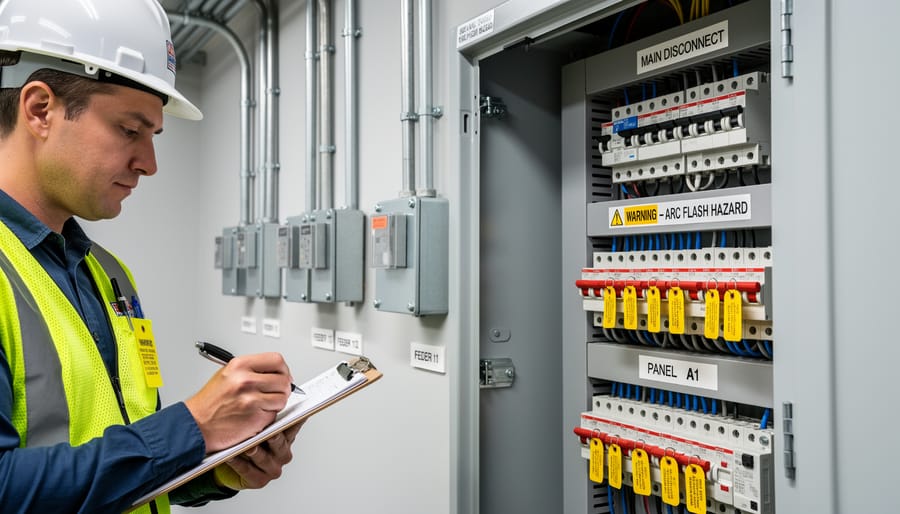
Disconnect switches must be clearly labeled and easily accessible, allowing emergency responders or maintenance personnel to quickly de-energize the system when needed. Inspectors verify these disconnects meet electrical inspection requirements and are positioned correctly.
Overcurrent protection devices, including breakers and fuses, must be appropriately rated for your system’s specifications. Inspectors confirm these devices will trip at the correct amperage to prevent overheating and potential fire hazards.
Working with an experienced Illinois solar installer ensures these components are installed correctly from the start, minimizing inspection delays and keeping your project on schedule.
Fire Safety and Access Compliance
Fire safety is a critical component of rooftop solar inspections in Illinois. Inspectors verify that your system maintains proper setbacks from the roof edge, typically three feet on each side, creating clear pathways for firefighters to access and ventilate the roof during emergencies. These pathways must remain unobstructed and free of panels to ensure safe movement across your rooftop.
Your installation must also include rapid shutdown capabilities, which allow first responders to quickly de-energize the system in case of fire or other emergencies. This safety feature has become standard in modern solar installations and is required by current electrical codes. Inspectors will verify that shutdown controls are properly labeled and accessible from ground level.
Additionally, your system needs appropriate clearances around vents, chimneys, and other roof penetrations. Illinois inspectors pay close attention to these details because proper spacing prevents fire hazards and ensures your solar array doesn’t interfere with existing building safety systems. Your installer should design the layout with these requirements in mind, preventing delays during the inspection process.
Labeling and Documentation
Your solar installation must display specific labels and documentation to pass inspection. Inspectors will verify that your system has proper DC disconnect labels, circuit identification tags, and warning placards that meet National Electrical Code requirements. These labels identify system voltages, indicate shutdown procedures, and provide emergency responder information.
Required signage typically includes photovoltaic system warning labels on the main service panel, rapid shutdown markings, and arc fault circuit interrupter notifications. Your installer should place a permanent placard near the main electrical panel that details system specifications, inverter location, and shutdown instructions.
Documentation requirements vary by jurisdiction in Illinois, but most inspectors expect to see approved permit paperwork, manufacturer specification sheets, and electrical diagrams on-site during the inspection. Some local authorities also require a reflective roof placard visible from the street that alerts firefighters to the presence of solar panels.
Working with a locally owned solar company familiar with Illinois requirements ensures all labeling meets both state and municipal standards. Proper documentation isn’t just about passing inspection—it protects future homeowners and emergency personnel who need to understand your system quickly and safely.
Common Inspection Issues and How to Avoid Them
Documentation and Permit Discrepancies
One of the most common reasons solar projects fail inspection is a mismatch between what’s installed and what appears on the approved permit documents. Inspectors compare your physical system against the submitted plans, including panel layout, equipment specifications, wiring routes, and electrical connections. If they find discrepancies—even minor ones like different mounting hardware or relocated components—they may issue a failure notice.
These mismatches often occur when contractors make field adjustments without updating the permit paperwork or when homeowners request changes mid-project. In Illinois, where permit requirements vary by municipality, maintaining accurate documentation is particularly important. Your installer should notify the Authority Having Jurisdiction of any modifications before implementation.
This is why detailed upfront planning matters. Working with experienced local professionals who understand Illinois-specific requirements helps prevent documentation errors that cause delays. Always review your permit plans carefully and ensure any changes are formally documented. Proper coordination between your contractor and local officials keeps your project on schedule and ensures a smooth inspection process.
Installation Quality Concerns
Inspectors carefully examine installation quality to ensure your solar system operates safely and efficiently for decades. Common workmanship issues include improper electrical grounding, which can create shock hazards and equipment damage risks. Inadequate weatherproofing around roof penetrations often raises red flags, as water intrusion can compromise your home’s structure over time. Inspectors also look for loose or improperly secured racking systems that might not withstand Illinois weather conditions, including high winds and heavy snow loads. Poor wire management, such as exposed or improperly rated conduit, frequently requires correction before approval. Flashing installation around mounting points must meet local building codes to prevent leaks. Working with experienced local contractors familiar with Illinois-specific requirements significantly reduces the likelihood of these issues. Quality installers understand what inspectors expect and build systems to exceed those standards from the start, helping you avoid costly delays and ensuring your investment is protected.
The Value of Working with Local Experts
Navigating Illinois solar inspections becomes significantly easier when you partner with experienced local contractors who understand the specific requirements of your Authority Having Jurisdiction. Each municipality across Illinois may have unique expectations for documentation, equipment specifications, and installation standards. Locally owned solar companies have established relationships with regional inspectors and building departments, which helps streamline communication and reduce potential delays. These experts know exactly what inspectors will look for during both electrical and structural reviews, ensuring your system is installed correctly the first time. They’re familiar with common issues that cause inspection failures in Illinois and can proactively address them during installation. This local knowledge translates to fewer revision requests, faster approval times, and a smoother overall experience as you transition to clean energy for your home or business.
Preparing for Your General Inspection
Your Contractor’s Responsibilities
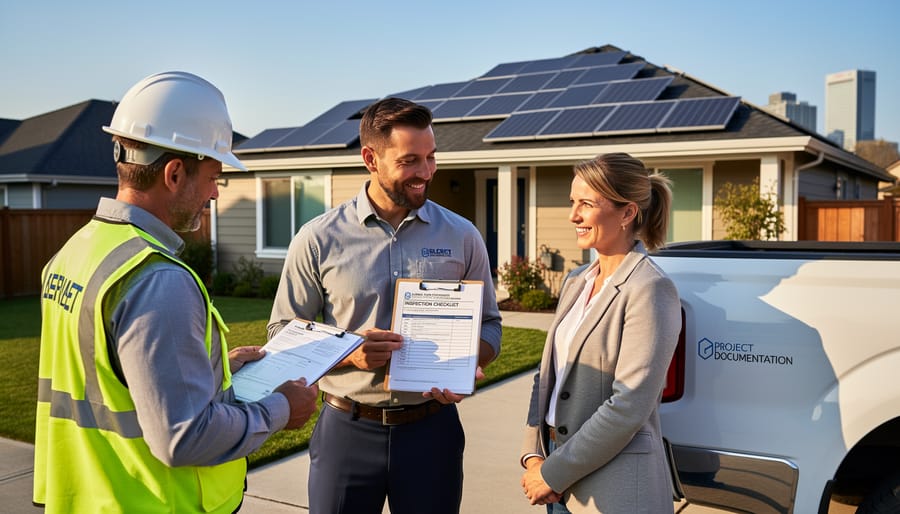
Your solar installer plays a crucial role in ensuring a smooth inspection process. A reputable contractor should handle all the scheduling with your local Authority Having Jurisdiction, coordinating inspection dates that work within your project timeline. They’ll prepare comprehensive documentation, including installation photos, equipment specifications, and completed permit applications that demonstrate code compliance.
On inspection day, your installer should have a representative on-site to walk the inspector through the installation, answer technical questions, and address any concerns immediately. They’ll ensure all required labels are properly affixed to equipment, wiring is clearly marked, and safety disconnects are accessible. Your contractor should also have made any necessary corrections from earlier plan reviews before the inspector arrives.
Working with a locally owned Illinois solar company means your installer already understands what local inspectors expect and can proactively address common issues. If the inspector identifies any deficiencies, your contractor should clearly explain what corrections are needed and schedule the re-inspection promptly.
What Property Owners Should Know
Preparing for a general inspection is straightforward when you know what to expect. First, ensure inspectors have clear, safe access to your solar array, electrical panels, and any related equipment. This means removing obstacles, securing pets, and unlocking necessary gates or doors. Your contractor will typically coordinate the inspection timing, but you should be available or designate someone who can provide access.
Don’t hesitate to ask questions throughout the process. Property owners should feel comfortable asking their contractor about specific code requirements, what the inspector will evaluate, and how long the inspection typically takes. You can also ask about common issues that might trigger a re-inspection and how your system addresses Illinois-specific electrical and structural standards.
While inspectors focus on code compliance rather than system performance, understanding what they’re reviewing helps you appreciate the safety measures built into your installation. Most inspectors are happy to explain their findings, and a quality local contractor will walk you through any corrections needed before final approval.
General inspections are a critical safeguard that protect your solar investment and ensure your system operates safely and efficiently for decades to come. While the inspection process may initially seem complex with its multiple review stages and technical requirements, you don’t have to navigate it alone. Working with knowledgeable local Illinois solar professionals who understand the specific requirements of your Authority Having Jurisdiction makes the entire process straightforward and stress-free.
A properly inspected, code-compliant solar installation means you can have complete confidence in your system’s safety, performance, and longevity. These inspections verify that every component meets stringent electrical and structural standards, protecting not only your property but also your family or employees. The time invested in thorough inspections pays dividends through decades of reliable clean energy production, protection of your manufacturer warranties, and compliance with insurance requirements.
By partnering with experienced solar installers who prioritize quality workmanship and code compliance from the start, you’ll minimize delays and ensure a smooth path from permit application to final approval. The long-term benefits of a professionally installed, properly inspected solar system far outweigh the brief inspection period, setting the foundation for years of sustainable energy savings.
