
How Agrivoltaics Farming Protects Your Land While Powering Illinois
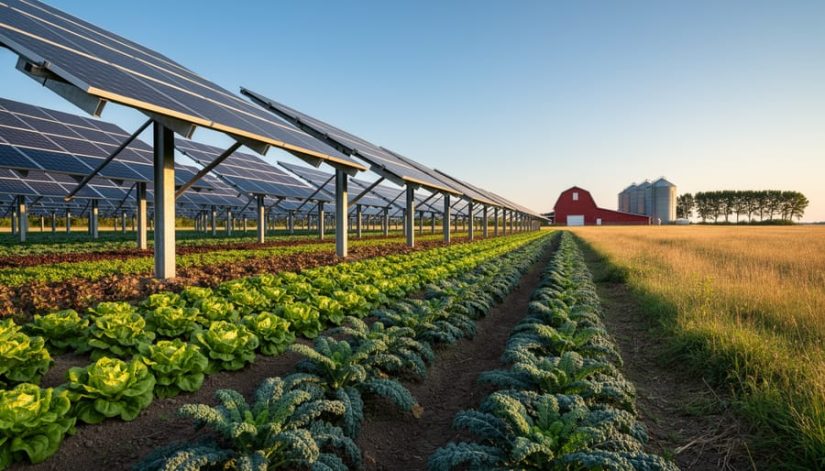
Imagine transforming farmland into a dual-purpose powerhouse where crops flourish beneath solar panels while generating clean electricity. Agrivoltaics farming makes this possible by strategically elevating photovoltaic arrays above agricultural land, creating a symbiotic relationship between food production and renewable energy generation. This innovative approach addresses two of our most pressing challenges simultaneously: feeding growing populations and transitioning away from fossil fuels.
For Illinois landowners and farmers, agrivoltaics represents more than just an emerging trend. It’s a practical solution that turns conventional thinking about land use on its head. Rather than choosing between agriculture and solar development, you can optimize both on the same acreage. The elevated solar panels provide partial shade that reduces water evaporation, moderates soil temperatures, and can actually increase yields for certain crops like leafy greens, tomatoes, and berries. Meanwhile, the land continues producing food while generating substantial renewable energy revenue.
The environmental benefits extend well beyond carbon reduction. Agrivoltaic systems improve soil health by reducing erosion, enhance biodiversity by creating varied microclimates, and decrease water consumption through reduced evapotranspiration. In Illinois, where agriculture forms the economic backbone and sustainable land management matters deeply to communities, agrivoltaics offers a pathway to preserve farming heritage while embracing clean energy innovation. This dual-use approach doesn’t force an either-or decision—it creates opportunity for landowners to maximize their property’s productivity, sustainability, and long-term value simultaneously.
What Makes Agrivoltaics Different from Traditional Solar Farms
The Science Behind Dual Land Use
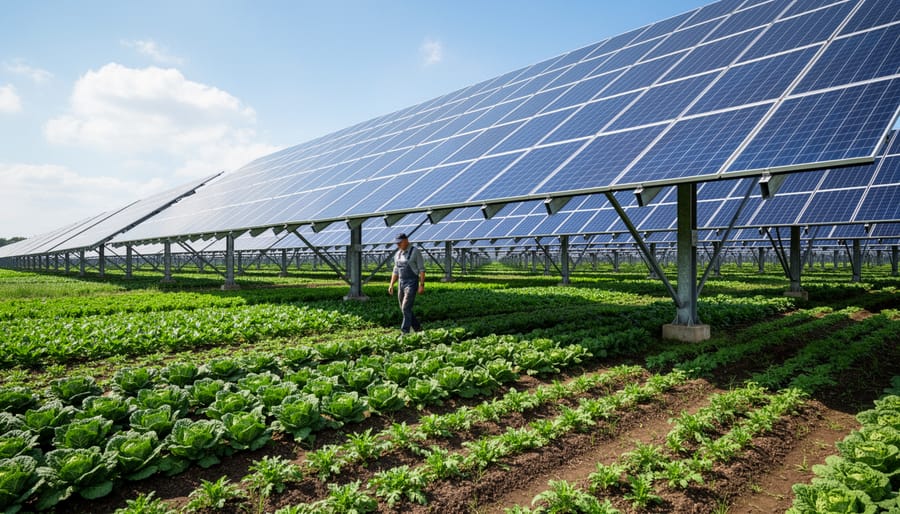
Agrivoltaics works because solar panels create a unique microclimate that actually benefits certain crops and animals. When panels are elevated and spaced appropriately, they provide partial shade that reduces heat stress on plants during Illinois’s hot summers while still allowing sufficient sunlight for photosynthesis. This shading effect also slows soil moisture evaporation, meaning crops require less irrigation—a significant advantage during dry spells.
Research shows that shade-tolerant crops like lettuce, spinach, kale, and other leafy greens often thrive under solar arrays. Root vegetables such as carrots and beets also perform well in these conditions. For Illinois farmers, this opens opportunities to diversify crop production beyond traditional corn and soybeans.
Livestock, particularly sheep and chickens, benefit from the shelter solar panels provide. The panels offer protection from extreme weather while animals naturally manage vegetation growth beneath the arrays, reducing maintenance costs. This grazing approach has proven successful on several Midwestern solar farms.
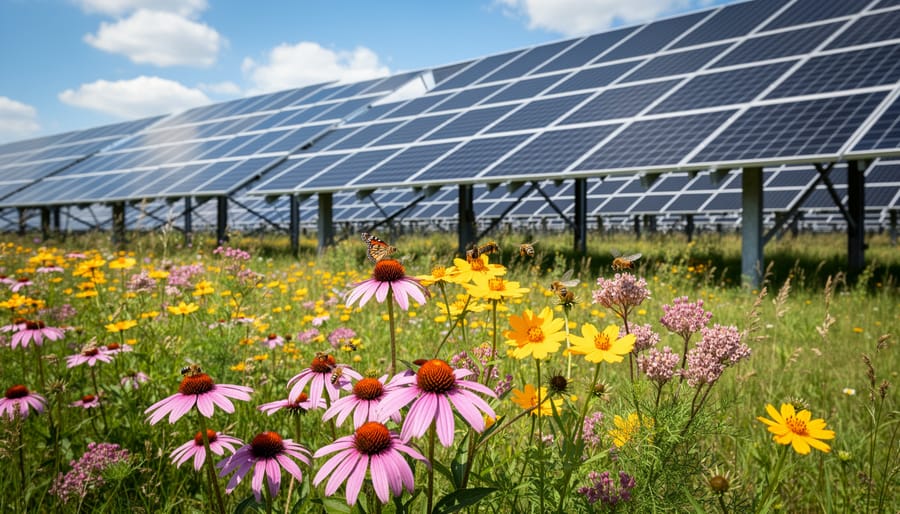
Pollinators find sanctuary in agrivoltaic systems too. Native wildflowers and prairie grasses planted between panel rows create valuable habitat for bees and butterflies—populations that have declined significantly in conventional agricultural landscapes. These pollinator-friendly plantings support both biodiversity and nearby crop production.
The elevated panel design allows rainwater to reach the ground effectively, and the varied sun exposure creates diverse growing zones across the same property. This dual-use approach maximizes land productivity while generating clean energy, making it an increasingly attractive option for Illinois landowners seeking both agricultural and environmental benefits.
Environmental Benefits That Go Beyond Clean Energy
Soil Health and Water Conservation
One of the most surprising advantages of agrivoltaics is how solar panels function as protective shields for the soil beneath them. In Illinois, where weather patterns swing from intense summer heat to seasonal droughts, solar panels create a microclimate that dramatically reduces water evaporation from the soil surface. Studies show that shaded agricultural areas under solar arrays can retain up to 30% more soil moisture compared to fully exposed fields.
This shade coverage also protects soil from erosion caused by heavy rainfall and wind—common challenges across Illinois farmland. The panel structures act as barriers that reduce the impact of raindrops hitting bare soil, preventing topsoil loss that can deplete nutrients and harm crop productivity over time.
For Illinois farmers facing increasingly unpredictable precipitation patterns, these water conservation benefits translate into reduced irrigation needs and lower water costs. The cooler, more stable soil temperatures under panels also support beneficial microorganism activity, improving overall soil health and fertility.
Additionally, the reduced evaporation means less stress on local water resources during dry periods—an important consideration for communities managing groundwater supplies. As a locally owned company with expertise in solar energy, we understand how these environmental advantages align with Illinois landowners’ goals of maintaining productive, sustainable agricultural operations while generating clean energy income.
Supporting Biodiversity and Pollinators
Agrivoltaic installations create unexpected opportunities for supporting local ecosystems, particularly when it comes to pollinators like bees, butterflies, and other beneficial insects. The space beneath and between solar panels can be transformed into thriving habitats through strategic native plantings, offering environmental benefits that extend well beyond the property boundaries.
In Illinois, many agrivoltaic sites incorporate native prairie grasses, wildflowers, and low-growing vegetation that naturally attract pollinators. These plantings require minimal maintenance once established and provide food sources throughout the growing season. Unlike traditional solar installations that might use gravel or turf grass, pollinator-friendly vegetation creates mini-ecosystems that support biodiversity while still allowing for proper solar panel operation and maintenance access.
The benefits ripple outward to surrounding agricultural operations. Farms within several miles of pollinator-rich agrivoltaic sites often see improved crop yields, particularly for fruits and vegetables that depend on insect pollination. This creates a mutually beneficial relationship between energy production and food production in the broader community.
Native plantings also help with stormwater management and soil health, reducing erosion and filtering runoff before it reaches local waterways. For Illinois landowners considering agrivoltaics, incorporating pollinator habitats represents a practical way to enhance the environmental value of their solar investment while contributing to regional agricultural productivity. This approach aligns with growing recognition that energy infrastructure can actively support, rather than simply coexist with, natural ecosystems.
Reducing the Carbon Footprint of Agriculture
Agrivoltaics delivers significant environmental advantages by reducing carbon footprint through a dual-purpose approach. When solar panels and crops share the same land, the combined system produces cleaner energy while maintaining agricultural productivity, creating a more efficient use of resources than keeping these activities separate.
Traditional farming operations require substantial energy inputs for irrigation, equipment operation, and crop processing. By generating renewable electricity on-site, agrivoltaic systems offset these energy demands with clean power, eliminating the need for fossil fuel-generated electricity. This direct replacement of carbon-intensive energy with solar power significantly lowers greenhouse gas emissions from farm operations.
The arrangement also reduces the carbon footprint compared to conventional solar farms built on cleared land. Installing solar panels over existing agricultural areas preserves the carbon sequestration benefits of actively growing plants and healthy soil. Crops continue photosynthesizing and storing carbon while the panels generate electricity, doubling down on climate benefits.
For Illinois landowners, this integrated approach means contributing to state renewable energy goals without sacrificing agricultural heritage or productive farmland. The shade from solar panels can even improve growing conditions for certain crops during hot summers, reducing water stress and the energy needed for irrigation. This creates a more resilient farming system that produces both food and clean energy while minimizing overall environmental impact. As locally owned experts in solar solutions, we help Illinois property owners understand how agrivoltaics can transform their land into a carbon-reducing asset.
Real Sustainability Impacts for Illinois Landowners
Stable Income While Maintaining Agricultural Use
One of the most compelling advantages of agrivoltaics is the financial stability it offers through multiple revenue streams. Rather than forcing landowners to choose between farming and solar energy production, this innovative approach allows both activities to coexist on the same property. This diversification creates a safety net that traditional farming alone cannot provide.
For Illinois farmers, weather-related challenges like drought, excessive rainfall, or late-season frosts can devastate crop yields in any given year. By generating income from solar energy production alongside agricultural activities, agrivoltaics reduces dependence on a single revenue source. The electricity generated by solar panels provides consistent, predictable income regardless of weather conditions or commodity price fluctuations that affect crop sales.
This dual-income model is particularly valuable during agricultural transitions or difficult growing seasons. Lease payments from solar installations or revenue from selling excess electricity back to the grid can help cover operating expenses, equipment investments, or family living costs when crop income falls short. Many Illinois landowners find this financial cushion allows them to continue farming operations they might otherwise need to abandon.
Importantly, agrivoltaics preserves the agricultural character of the land and keeps it in productive use. Properties remain eligible for farmland assessments and agricultural tax benefits in many cases, while the solar component adds value without requiring permanent conversion to industrial use. This balanced approach respects farming heritage while embracing modern renewable energy opportunities that benefit both individual landowners and broader environmental goals.
Long-Term Land Productivity
One of the most compelling aspects of agrivoltaics is its ability to maintain productive farmland for generations. Research and real-world installations demonstrate that agricultural land beneath and around solar panels can continue yielding crops and supporting livestock for 25 years or more, matching the typical lifespan of solar installations.
Unlike conventional solar developments that may temporarily remove land from agricultural use, agrivoltaic systems are specifically designed to preserve farming operations. The dual-use approach means Illinois farmland can generate both food and clean energy simultaneously, protecting the state’s agricultural heritage while adapting to modern energy needs. When solar arrays eventually reach the end of their productive life, the land remains viable for full-scale farming, giving property owners flexibility for future generations.
Studies from agricultural universities show that soil quality under properly designed agrivoltaic systems often improves over time due to reduced erosion and increased organic matter from shade-tolerant cover crops. This stands in contrast to intensive monoculture farming, which can deplete soil nutrients over decades. The land productivity benefits extend beyond the solar installation period, as the land retains its agricultural classification and infrastructure.
For Illinois landowners considering agrivoltaics, this long-term perspective is crucial. Your property can contribute to renewable energy goals today while preserving options for your children and grandchildren to continue farming traditions tomorrow.
Community and Local Food System Benefits
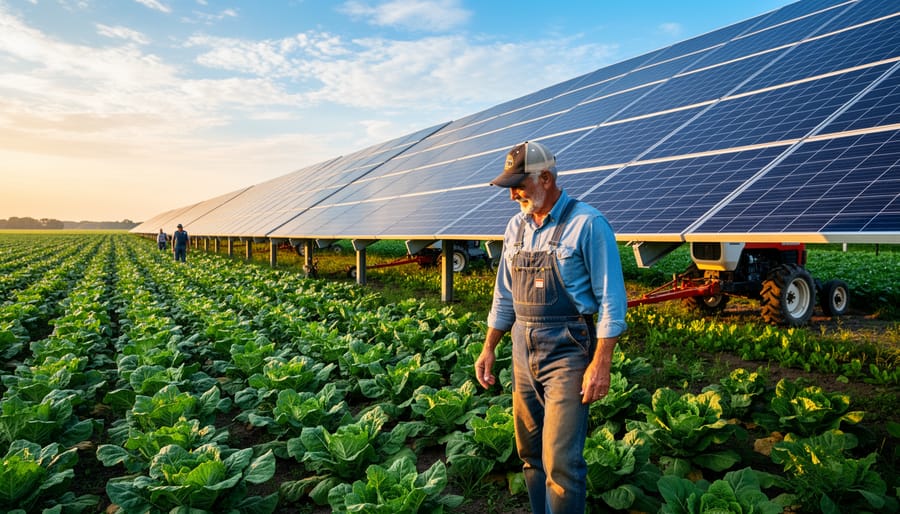
Agrivoltaics offers significant advantages for Illinois communities by strengthening local food systems and supporting regional sustainability efforts. When solar panels and crops share the same land, communities gain access to both clean energy and locally grown food, reducing dependence on distant supply chains and keeping economic benefits within the region.
The shade provided by solar panels creates favorable microclimates for many crops, particularly those sensitive to Illinois’s increasingly hot summers. Leafy greens, herbs, and certain vegetables actually thrive under partial shade, experiencing reduced heat stress and requiring less water. This protection becomes especially valuable as our state faces more frequent extreme weather events. Farmers can extend growing seasons and diversify their crop offerings while maintaining steady income from solar energy production.
For Illinois communities committed to sustainability goals, agrivoltaics represents a practical path forward. Locally owned solar installations combined with agricultural production help towns and counties meet renewable energy targets while preserving farmland character and supporting rural economies. Rather than choosing between energy development and food production, communities can pursue both simultaneously.
Small-scale and mid-sized farms particularly benefit from this dual-use approach. The reliable income from solar leases or energy generation helps family farms remain financially viable, keeping agricultural knowledge and traditions alive in local communities. This stability allows farmers to invest in sustainable practices, experiment with specialty crops suited to partial shade conditions, and contribute to food security for nearby residents. By integrating clean energy with agriculture, Illinois communities build resilience while honoring their farming heritage.
Making Agrivoltaics Work in Illinois
Illinois offers promising conditions for agrivoltaics, with its strong agricultural heritage and increasing solar adoption creating natural opportunities for this dual-use approach. However, success requires careful planning and the right partnerships.
Our state’s climate presents both advantages and considerations for agrivoltaics. Illinois experiences hot, humid summers that can stress certain crops, making the shade provided by solar panels particularly beneficial. The panels can reduce soil temperature by 10-15 degrees Fahrenheit during peak summer months, helping crops like lettuce, spinach, and other leafy greens thrive when they might otherwise bolt in direct sun. Additionally, reduced evaporation under panels means less water stress during dry periods, a significant advantage given Illinois’ increasingly variable precipitation patterns.
Crop selection is crucial for agrivoltaics success. Shade-tolerant vegetables, herbs, and berries perform well under solar arrays. Some Illinois farmers have successfully grown tomatoes, peppers, and specialty crops that command premium prices at farmers markets. Pasture grass for livestock grazing also works exceptionally well, with sheep often used for vegetation management beneath panels. This dual revenue approach helps landowners maintain agricultural income while generating clean energy.
When exploring agrivoltaics, choosing the right solar partner makes all the difference. Look for companies with genuine agricultural understanding, not just solar installation experience. The best partners will conduct soil assessments, discuss crop compatibility, and design panel height and spacing that accommodates your farming operations and equipment access. Locally owned companies often bring deeper knowledge of Illinois growing conditions and regional agricultural practices.
Questions to ask potential partners include: How will panel placement affect my existing drainage patterns? What maintenance access will I need? Can the system be designed to accommodate my equipment? How have similar projects performed in Illinois?
The right partnership ensures your land continues producing both food and energy for decades, creating a sustainable model that benefits your operation, your community, and the environment.
Agrivoltaics represents a meaningful opportunity for Illinois landowners to participate in a land-use solution that serves both agricultural productivity and environmental stewardship. By integrating solar energy generation with farming operations, this dual-use approach addresses multiple sustainability challenges simultaneously—reducing carbon emissions, conserving water, improving soil health, and supporting biodiversity while maintaining food production.
For property owners evaluating their options, agrivoltaics offers a practical pathway to contribute to Illinois’ clean energy goals without sacrificing agricultural value. The environmental benefits extend beyond your property line, contributing to cleaner air, healthier ecosystems, and a more resilient energy grid for your community.
As a locally owned company with expertise in solar energy, we understand that every property is unique. Whether agrivoltaics suits your land depends on factors like soil type, farming operations, and long-term goals. We encourage you to explore this innovative approach and consider how it might align with your vision for sustainable land management. The future of farming and clean energy can coexist successfully—and your property could be part of that solution.
