
Why Your Illinois Solar Project Needs Clean Air Act Approval (And How to Get It)
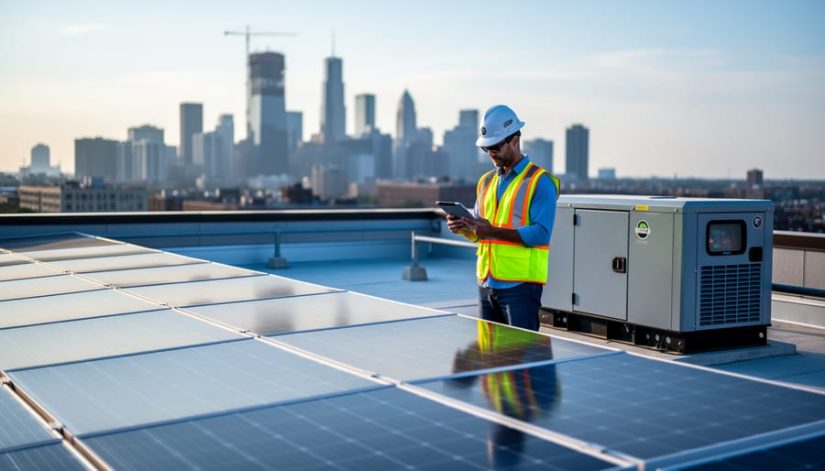
Determine whether your solar project requires Clean Air Act permitting by assessing your system size and type first. In Illinois, most residential and commercial solar installations are exempt from federal air quality permits because photovoltaic systems produce no air emissions during operation. However, if your project involves backup generators, combined heat and power systems, or construction equipment that exceeds emission thresholds, permitting becomes necessary.
Understand that Clean Air Act permitting primarily affects two categories: major sources emitting significant pollutants and minor sources in non-attainment areas. Solar energy systems themselves generate clean, emission-free electricity, which is why they typically bypass this regulatory hurdle entirely. The complexity arises when ancillary equipment or construction activities trigger review thresholds set by the Environmental Protection Agency and the Illinois Environmental Protection Agency.
Review your project scope against federal and state emission standards early in the planning phase. Construction permits may be required if diesel generators or heavy equipment operate for extended periods during installation. Most solar developers in Illinois complete projects without Clean Air Act permits, but documenting your exemption status protects against future compliance questions.
Recognize that navigating environmental regulations requires local expertise and familiarity with Illinois-specific requirements. Working with experienced solar professionals who understand both renewable energy technology and regulatory frameworks ensures your project moves forward efficiently while maintaining full compliance with all applicable environmental laws.
What Is Clean Air Act Permitting?
The Clean Air Act is a federal environmental law enacted in 1970 to protect public health and the environment by regulating air pollution from stationary and mobile sources. While this might sound complex, the basic idea is straightforward: businesses and facilities that emit pollutants into the air must follow specific rules to minimize their environmental impact.
When it comes to construction and energy projects, including solar installations, Clean Air Act permitting focuses on managing emissions that occur during the building phase. This includes dust from construction activities, exhaust from heavy machinery and vehicles, emissions from generators, and any temporary equipment used on-site. It’s important to understand that the permitting requirements address the construction process itself, not the solar panels or renewable energy equipment you’re installing.
The Clean Air Act categorizes emission sources into major and minor categories based on the amount of pollutants they could potentially release. Major sources typically require more comprehensive permits, while smaller projects may qualify for simplified permitting or exemptions. Many solar projects fall into categories that require less intensive review, but this varies depending on project size, location, and specific construction activities.
Similar to zoning permit requirements, Clean Air Act permitting aims to ensure your project proceeds responsibly. For solar energy projects in Illinois, understanding these requirements early helps you plan appropriately and avoid delays. The good news is that renewable energy installations generally have minimal air quality impacts, especially when compared to traditional power generation facilities, making the permitting process more manageable than you might expect.
When Does Your Solar Project Need Clean Air Act Permits?
Construction Activities That Trigger Permitting
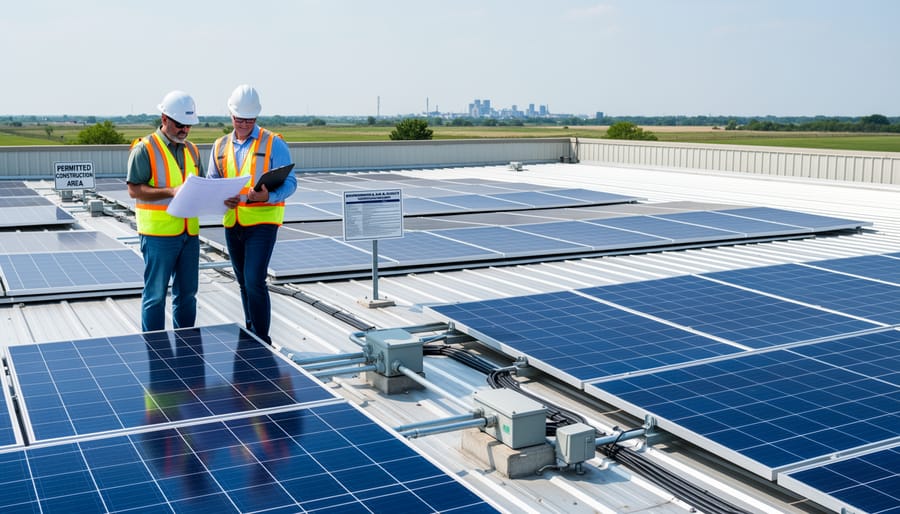
Understanding which construction activities trigger Clean Air Act permitting is essential for planning your solar project timeline and budget. While solar energy systems themselves produce zero emissions during operation, the construction phase may involve activities that require regulatory oversight.
Diesel generators are commonly used during solar installation to power equipment before the renewable energy system becomes operational. Depending on the generator’s size and runtime hours, temporary air permits may be necessary. In Illinois, generators exceeding certain capacity thresholds or operating for extended periods typically require notification to the Illinois Environmental Protection Agency.
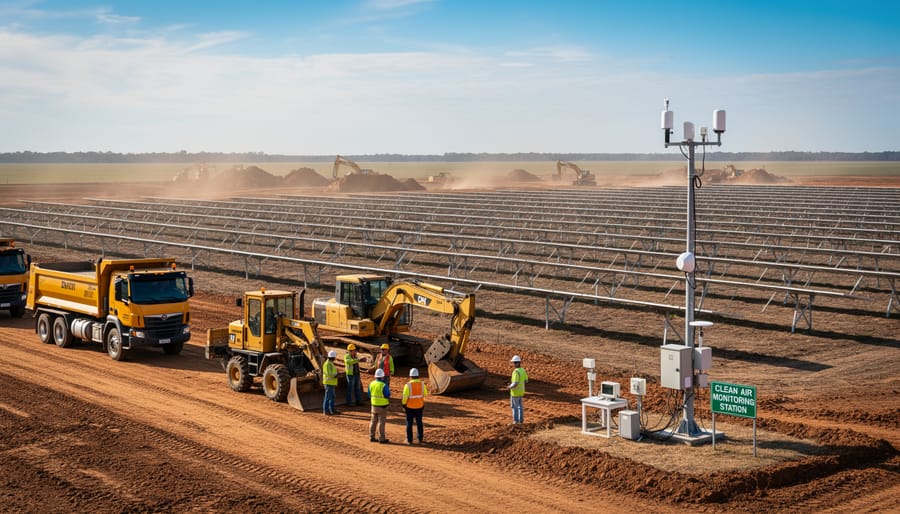
Large-scale land clearing activities can also trigger permitting requirements, particularly for commercial or utility-scale solar projects. Site preparation involving vegetation removal, grading, and earth-moving operations creates potential air quality concerns that regulators monitor closely.
Equipment operation during construction presents another consideration. Heavy machinery like excavators, bulldozers, and cranes emit exhaust that may need documentation, especially for projects spanning several months. The cumulative emissions from multiple pieces of equipment operating simultaneously can reach levels requiring permit applications.
Dust control measures during site preparation are critically important in Illinois, where weather conditions can quickly turn exposed soil into airborne particulates. Your construction plan should outline specific dust suppression strategies, such as water trucks, soil stabilizers, or temporary ground covers. Proper dust management not only helps meet regulatory standards but also demonstrates good neighbor practices.
Working with experienced professionals who understand these requirements ensures your solar project moves forward smoothly while maintaining compliance with all applicable regulations.
Project Size and Scope Considerations
The scale of your solar project directly determines whether Clean Air Act permitting applies and what level of review is required. In Illinois, understanding these thresholds can help you plan effectively and avoid unexpected delays.
Residential rooftop installations typically fall well below Clean Air Act permitting thresholds. Most home solar systems range from 5 to 15 kilowatts and generate no emissions during operation, making them exempt from air quality permits. However, homeowners should still verify compliance with local building codes and Illinois solar zoning laws before proceeding.
Commercial solar projects occupy middle ground. Ground-mounted systems for businesses, schools, or municipal buildings generally don’t trigger Clean Air Act requirements unless they involve substantial construction equipment emissions or operate near non-attainment areas for air quality standards. Projects under 2 megawatts rarely need air permits in Illinois.
Large-scale solar farms and industrial installations face more scrutiny. Projects exceeding 25 acres or 5 megawatts may require environmental assessments that consider air quality impacts during construction phases. While solar energy produces zero operational emissions, regulators examine dust control, equipment exhaust, and construction-related particulate matter.
Illinois-specific considerations include proximity to environmental justice areas and federally designated non-attainment zones. Projects near these locations may face enhanced review regardless of size. Working with experienced local professionals ensures your project correctly navigates these requirements from the start.
Types of Clean Air Act Permits for Solar Projects in Illinois
Minor Source Permits
Minor source permits apply to facilities with lower emission levels that don’t meet the thresholds requiring major source permits under the Clean Air Act. For solar installations in Illinois, these permits typically cover medium-sized commercial projects with equipment like backup generators or certain manufacturing components that produce air emissions below major source levels.
Most solar projects themselves produce zero emissions during operation, but minor source permits may be triggered during construction phases or if your facility includes auxiliary equipment. The permitting timeline for minor sources is generally shorter than major source permits, typically ranging from three to six months depending on your project’s specifics and local air quality district requirements.
Illinois regulations set specific thresholds for various pollutants that determine when a minor source permit is necessary. These limits consider both individual pollutant types and total facility emissions. Business owners planning commercial solar installations should assess whether construction equipment, diesel generators for backup power, or other facility operations might require this permitting level.
Working with experienced renewable energy professionals familiar with Illinois environmental regulations helps ensure your project stays compliant without unnecessary delays. Understanding these requirements early in your planning process allows for realistic timeline expectations and smooth project implementation.
Construction Permits
During the construction phase of solar projects in Illinois, specific Clean Air Act permits may be required to manage air quality impacts from building activities. Construction permits primarily address dust control, emissions from temporary equipment, and activities that could affect local air quality.
Most solar installations generate minimal air emissions during construction, but larger commercial or utility-scale projects may need permits if they involve significant earthmoving, demolition, or the operation of diesel generators and heavy machinery. Fugitive dust from site preparation is a common concern, and projects may need to implement dust control plans that include water spraying, covering exposed soil, or restricting activities during high-wind conditions.
Temporary equipment like generators, concrete mixers, and construction vehicles may trigger permitting requirements if they exceed certain emission thresholds. Illinois EPA evaluates whether equipment will operate long enough or produce sufficient emissions to warrant a construction permit. Many smaller projects qualify for exemptions or general permits that simplify the approval process.
It’s important to coordinate construction permits with other environmental requirements, including Clean Water Act permits for stormwater management. As a locally owned company with expertise in solar energy, we help Illinois project developers navigate these requirements efficiently, ensuring your construction activities comply with all applicable air quality regulations while keeping your project on schedule.
General Permits and Exemptions
Good news for many homeowners considering solar: your project may qualify for streamlined permitting or even exemptions under the Clean Air Act. The EPA recognizes that smaller installations, particularly residential solar systems, typically have minimal air quality impact and limited construction footprints.
Most residential solar installations fall under general permits or exemptions because they don’t involve significant emissions during construction or operation. These projects usually involve rooftop installations with minimal ground disturbance and no combustion processes. If your solar array is being installed on an existing structure without major modifications to equipment that affects air emissions, you’ll likely benefit from simplified regulatory pathways.
However, larger commercial or industrial solar projects may require more detailed review, especially if they involve extensive land clearing, demolition of existing structures, or integration with existing emission sources at your facility. The key factors determining your permitting needs include project size, construction activities, and whether you’re modifying any existing air emission equipment.
Understanding where your project falls on this spectrum saves time and resources during planning. Our locally owned team has navigated these regulations across Illinois and can quickly assess whether your installation qualifies for streamlined processing, allowing you to move forward with confidence.
The Permitting Process: What to Expect
Initial Assessment and Application
Determining whether your solar energy project requires Clean Air Act permitting starts with understanding your project’s scale and potential emissions. In Illinois, most residential and small commercial solar installations don’t trigger Clean Air Act permit requirements since they produce no air emissions during operation. However, larger renewable energy projects or those involving manufacturing components may need assessment.
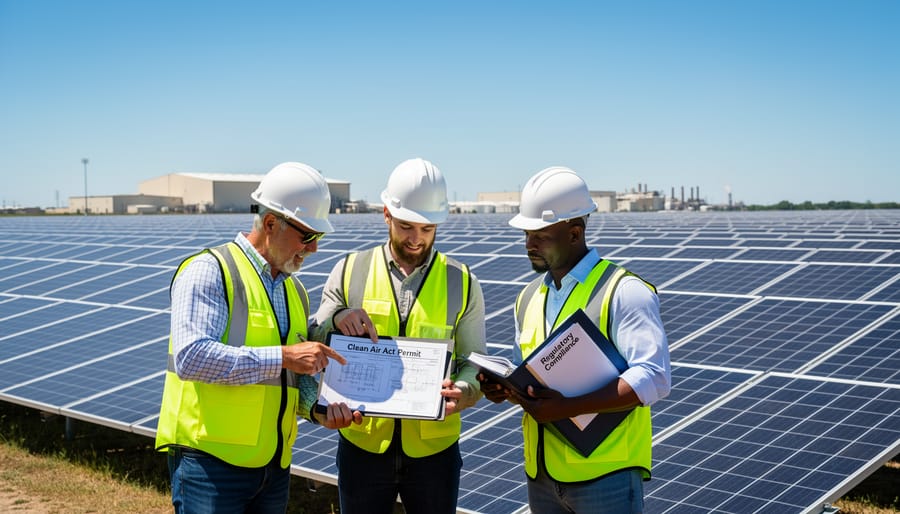
To evaluate your permit needs, contact the Illinois Environmental Protection Agency’s Bureau of Air. They’ll help you determine if your project requires a construction permit or operating permit based on factors like facility size, equipment type, and emission sources. Documentation typically includes project plans, equipment specifications, emission calculations, and site information.
The application process involves submitting completed forms through the Illinois EPA’s online portal or by mail. Required materials generally include detailed engineering plans, air quality impact assessments for larger projects, and applicable fees. Processing times vary depending on project complexity, ranging from a few weeks for minor sources to several months for major facilities.
As a locally owned company with expertise in solar energy, we understand navigating these regulations can feel overwhelming. Most solar projects we install fall outside Clean Air Act requirements, but we’ll help you understand exactly what applies to your situation and connect you with the right resources.
Review Timeline and Approval
Understanding the timeline for Clean Air Act permitting helps you plan your solar project realistically. For most commercial solar installations in Illinois, the permitting review process typically takes between 30 to 90 days, though timelines can vary based on your project’s complexity and the specific permits required.
During the review period, the Illinois Environmental Protection Agency examines your application to ensure your project complies with federal and state air quality standards. Reviewers assess emission calculations, pollution control measures, and how your project fits within the broader air quality management plan for your region. They may request additional information or clarification, which can extend the timeline if responses aren’t provided promptly.
For minor sources or projects qualifying for general permits, approval often comes more quickly, sometimes within 30 to 45 days. Major sources or projects in non-attainment areas require more extensive review and may take several months. The good news for solar projects is that they generate minimal emissions, which generally streamlines the approval process compared to traditional energy facilities.
Once you receive your permit approval, you can legally begin construction. However, starting before approval can result in significant penalties and project delays. It’s essential to factor permitting time into your overall project schedule from the beginning. Working with experienced professionals who understand Illinois-specific requirements can help prevent common delays caused by incomplete applications or missing documentation, keeping your solar installation on track.
How Illinois Renewables Handles Permitting for You
Navigating Clean Air Act permitting requirements can feel overwhelming, but you don’t have to manage the process alone. At Illinois Renewables, we handle the entire permitting journey for our clients, transforming a potentially complex regulatory process into a straightforward path toward clean energy.
As a locally owned solar provider with deep roots in Illinois, we understand the specific requirements set by the Illinois Environmental Protection Agency and local jurisdictions. Our team stays current with evolving regulations, ensuring your project meets all necessary compliance standards from day one.
When you work with us, we begin with a comprehensive permit assessment. We evaluate your proposed solar installation to determine whether Clean Air Act permitting applies and identify any additional local or state requirements. This upfront analysis prevents costly surprises and delays down the road.
Our services include complete application preparation. We gather all necessary documentation, prepare technical specifications, and submit permit applications on your behalf. This means you won’t need to decipher complicated forms or worry about missing critical details that could slow approval.
Throughout the process, we coordinate directly with the Illinois EPA and relevant regulatory agencies. Our established relationships and familiarity with agency expectations often accelerate review timelines. We respond to questions, provide supplemental information when requested, and keep you informed every step of the way.
During construction, we ensure ongoing compliance with permit conditions. Our team monitors installation activities, maintains required documentation, and addresses any compliance concerns that arise. This comprehensive approach protects your investment and gives you peace of mind.
By partnering with Illinois Renewables, you gain more than a solar installer—you gain a knowledgeable advocate who understands Illinois-specific requirements and manages regulatory complexity so you can focus on the benefits of clean, renewable energy.
Common Questions About Clean Air Permitting for Solar
Navigating clean air permitting can raise many questions for those considering solar energy. Here are straightforward answers to the most common concerns we hear from Illinois property owners.
Does my home solar installation need a Clean Air Act permit? Most residential solar installations do not require Clean Air Act permitting. The Clean Air Act primarily applies to facilities that emit pollutants, and solar panels produce no emissions. However, you’ll still need standard building and electrical permits from your local municipality. Clean Air Act permitting typically becomes relevant only for large-scale solar manufacturing facilities or installations with backup generators that emit pollutants.
How much does permitting cost? For residential solar projects, standard local permits typically range from $100 to $500, depending on your municipality and system size. These costs are usually included in your installation quote. Clean Air Act permits for larger commercial or industrial projects vary significantly based on project scope and complexity, ranging from several hundred to several thousand dollars. As a locally owned company with expertise in solar energy, we help clients understand all applicable costs upfront.
Will permits delay my project? Standard permitting for residential solar typically adds two to six weeks to your timeline, depending on your local jurisdiction’s workload. We’ve developed strong relationships with Illinois permitting offices, which helps streamline the process. For projects requiring more complex environmental reviews, timelines may extend, but proper planning minimizes delays.
What happens if I skip permitting? Installing solar without required permits creates serious risks. You could face fines, be required to remove equipment, encounter insurance claim denials, or experience difficulties selling your property. Unpermitted work may also void equipment warranties and prevent you from accessing solar incentives. Working with experienced professionals ensures compliance and protects your investment from unnecessary complications.
Navigating Clean Air Act permitting may seem daunting at first, but it’s an entirely manageable aspect of your solar energy project when you partner with experienced professionals. The regulatory landscape exists to protect our environment and public health, and compliance doesn’t have to be complicated or overwhelming. Understanding which projects require permits and what the process entails is the first step toward a smooth installation experience.
At Illinois Renewables, we recognize that your primary goal is harnessing clean, renewable energy to power your home or business, not wrestling with regulatory paperwork. That’s why our comprehensive services include managing all permitting and compliance requirements on your behalf. From initial assessment to final approval, our team handles the technical details, documentation, and agency communications. We stay current with federal regulations and state initiatives like the Illinois Renewable Portfolio Standard to ensure your project meets all necessary standards.
As a locally owned company with deep expertise in solar energy, we’re committed to making your transition to renewable power as seamless as possible. Ready to explore solar for your property? Contact Illinois Renewables today for a consultation, and let us handle the complexities while you enjoy the benefits of clean energy.
