
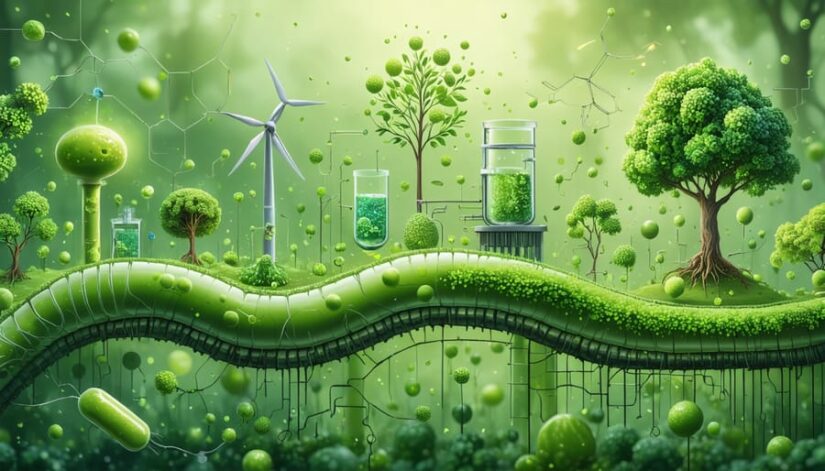
How Microbes Power Our Future: Breakthrough Bioenergy Technologies
Bioenergy technologies are revolutionizing the renewable energy landscape, offering sustainable power solutions through natural biological processes. From agricultural waste conversion to advanced microbial fuel cells, these innovations transform organic materials into clean, renewable energy sources that power homes, businesses, and entire communities. Common examples include biogas production from food waste digesters, ethanol generation from corn and sugarcane, and wood pellet systems that convert forestry residues into heating fuel. As Illinois transitions toward greener energy solutions, these bioenergy applications demonstrate how naturally occurring biological processes can be harnessed to create reliable, sustainable power sources while reducing waste and carbon emissions. Understanding these practical examples helps homeowners and businesses make informed decisions about incorporating bioenergy into their existing energy systems, particularly when combined with other renewable technologies like solar power.

Microbial Fuel Cells: Converting Waste to Watts
Real-World Applications
Microbial fuel cell technology is making significant strides in real-world applications across various sectors. In wastewater treatment facilities, MFCs are proving their worth by simultaneously treating waste and generating electricity. The Urbana-Champaign Water Reclamation Facility has implemented a pilot program using MFCs to reduce operating costs while producing clean energy.
In the agricultural sector, Illinois farmers are exploring MFC systems to convert agricultural waste into usable electricity. One notable success story comes from a dairy farm in central Illinois, where MFC technology processes cattle waste while generating enough power to run the farm’s essential operations.
Industrial applications are also gaining traction, with breweries and food processing plants using MFCs to treat organic waste streams. A craft brewery in Chicago has installed an MFC system that converts spent grain and wastewater into electricity, reducing their energy costs by 15%.
Research institutions across the state continue to develop new applications, including portable MFC devices for remote power generation and biosensors for environmental monitoring. These innovations demonstrate the versatility and growing potential of bioenergy solutions in our renewable energy future.
Biogas Production Through Anaerobic Digestion
From Farm to Fuel
Agricultural waste represents a vast untapped resource for bioenergy production. Illinois farmers are discovering innovative ways to transform their agricultural byproducts into valuable fuel through organic waste conversion processes. Corn stalks, soybean residue, and livestock manure are being converted into biogas through anaerobic digestion, providing a sustainable energy solution while addressing waste management challenges.
Local farms equipped with biodigesters can process tons of agricultural waste daily, producing methane-rich biogas that powers on-site operations or feeds into the local energy grid. For example, dairy farms in northern Illinois use manure-based biogas systems to generate electricity for their facilities, reducing operational costs while decreasing greenhouse gas emissions.
These farm-based bioenergy systems create a circular economy where waste becomes a valuable resource. The process not only generates renewable energy but also produces nutrient-rich fertilizer as a byproduct, which farmers can use to enrich their soil naturally. This sustainable approach demonstrates how agricultural communities can contribute to Illinois’s renewable energy goals while maintaining profitable operations.


Algal Biofuels: The Green Gold
Commercial Applications
Bioenergy has made significant strides in commercial applications across various industries. Leading ethanol producers now use advanced microbial fermentation to convert corn and other agricultural waste into fuel, with Illinois being a major contributor to national production. Several wastewater treatment facilities have implemented anaerobic digestion systems that transform organic waste into biogas for electricity generation and heating. Food processing companies are increasingly adopting similar technologies to handle organic waste while generating energy for their operations. The transportation sector has also embraced biofuels, with major airlines conducting successful test flights using microbial-derived sustainable aviation fuel. Looking ahead, emerging technologies in algal biofuels and cellulosic ethanol production show promise for wider commercial adoption, particularly as production costs continue to decrease and efficiency improves.
Integration with Solar Energy Systems
Microbial bioenergy systems can work harmoniously with solar power installations to create more reliable and efficient renewable energy solutions. During nighttime hours or cloudy days when solar production decreases, bioenergy systems can maintain consistent power generation through bacterial metabolic processes. This complementary approach is particularly valuable in Illinois, where seasonal variations affect solar efficiency. Microorganisms can process organic waste materials continuously, providing a steady baseline of power that helps stabilize the overall energy output. Some innovative facilities are now using excess solar energy during peak production to power bioreactors, creating a synergistic relationship between these two renewable technologies. This integrated approach maximizes energy production while reducing waste and maintaining a more consistent power supply throughout the year.
Microbial bioenergy technologies represent a promising frontier in our transition to sustainable energy solutions. As research advances and technology improves, these biological processes are becoming increasingly efficient and cost-effective. The future of microbial bioenergy looks particularly bright, with innovations in genetic engineering and process optimization leading to higher yields and broader applications. From wastewater treatment plants generating power from bacteria to agricultural facilities producing biofuels, these technologies are already making a significant impact. As we continue to face climate challenges, microbial bioenergy will play a crucial role alongside other renewable energy sources, offering sustainable solutions for both waste management and energy production. The integration of these technologies into existing energy infrastructure presents exciting opportunities for businesses and communities committed to reducing their carbon footprint while maintaining energy independence.
