

Why Your Kids Need Solar Education Before They Graduate High School
Evaluate K-12 online learning platforms by prioritizing those offering structured renewable energy curricula aligned with Illinois Next Generation Science Standards, ensuring students gain both theoretical knowledge and practical applications of solar technology. Select platforms that include interactive simulations, virtual labs, and real-world case studies demonstrating photovoltaic systems, energy efficiency principles, and grid integration concepts that connect directly to Illinois’s growing clean energy sector.
Choose programs featuring career pathway modules that bridge classroom learning with actual job opportunities in solar installation, energy auditing, and renewable systems design. Quality platforms integrate solar energy in schools through project-based learning where students calculate energy production, analyze consumption patterns, and design renewable solutions for local buildings.
Prioritize platforms offering teacher dashboards with assessment tools, progress tracking, and customizable lesson plans that accommodate different learning paces while maintaining rigorous technical content. The most effective programs include video demonstrations from working solar professionals, virtual site tours of operational installations, and connections to apprenticeship opportunities with Illinois-based renewable energy companies.
Verify that chosen platforms provide certificate programs or competency badges recognized by industry organizations, giving students tangible credentials for future employment. Look for resources specifically addressing Illinois’s Climate and Equitable Jobs Act requirements, preparing students for the state’s commitment to 100% clean energy by 2050 while creating immediate pathways into well-paying local careers in solar energy installation and renewable systems management.
The Growing Renewable Energy Skills Gap in Illinois
What Illinois Solar Companies Actually Need
While K-12 online learning platforms provide excellent foundational knowledge about renewable energy, the professionals who design and install solar systems in Illinois need specific, practical skills that go beyond classroom theory. Understanding what these real-world requirements look like helps parents and educators guide students toward relevant educational pathways.
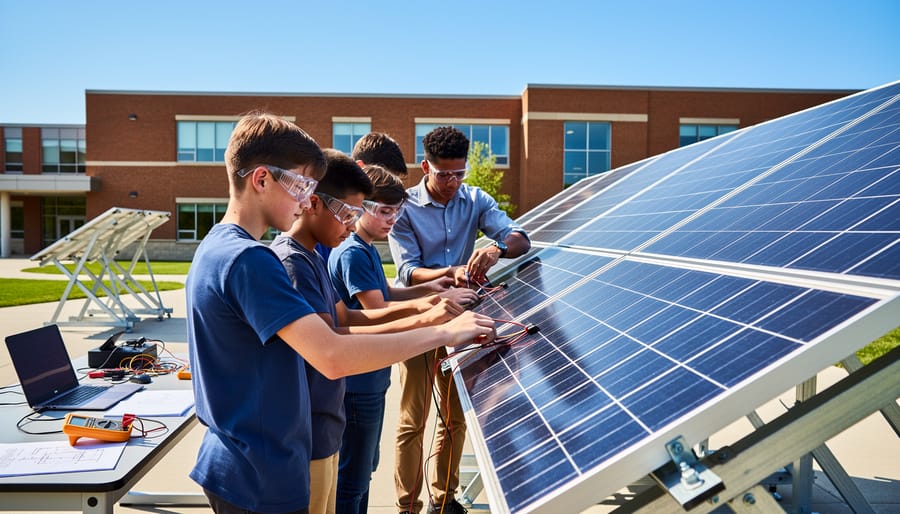
Solar installers working across Illinois need a solid grasp of basic electrical concepts, including voltage, current, and circuit design. They must understand how electricity flows through a system and how to safely work with both direct current (DC) from solar panels and alternating current (AC) used in homes and businesses. This electrical foundation is essential for every project, from residential rooftops to commercial installations.
System design professionals require knowledge of solar panel specifications, inverter selection, and how Illinois weather patterns affect energy production. They need to calculate energy consumption, determine appropriate system sizes, and understand net metering policies specific to Illinois. These designers also work with structural considerations, ensuring that rooftop installations meet local building codes and can withstand our Midwest weather conditions.
Energy professionals in our industry benefit from understanding financial incentives available to Illinois residents, including federal tax credits and state-specific rebate programs. They also need strong communication skills to explain technical concepts to homeowners and business owners in straightforward terms.
Quality online learning platforms should introduce these practical elements to students, helping them understand not just the science of solar energy, but the hands-on applications that create meaningful careers in our growing renewable energy sector.
Career Opportunities Your Students Might Be Missing
Illinois students exploring renewable energy through K-12 online learning platforms gain exposure to rewarding career paths right here in their home state. The solar energy careers available today offer stable employment with competitive salaries across multiple skill levels.
Solar installation technicians, often the entry point into the industry, earn between $40,000 and $55,000 annually in Illinois. These professionals handle the hands-on work of mounting panels, connecting electrical systems, and ensuring proper installation. With additional training and certifications, experienced installers can advance to lead positions earning $60,000 or more.
Project managers oversee solar installations from planning through completion, coordinating teams, managing timelines, and ensuring quality standards. These positions typically offer salaries ranging from $70,000 to $95,000, requiring both technical knowledge and organizational skills that students can begin developing through online learning platforms.
System designers and solar engineers represent higher-level opportunities, with salaries often exceeding $85,000 annually. These roles involve creating custom solar solutions for homes and businesses, requiring strong math and science foundations that online platforms help students build early.
Illinois also needs sales consultants, energy auditors, and maintenance technicians as the solar industry continues expanding statewide. Many locally owned companies actively seek trained professionals, making early education in renewable energy through online platforms a practical investment in your student’s future financial stability.
How Online Learning Platforms Teach Solar Fundamentals
Interactive Simulations That Make Solar Energy Click
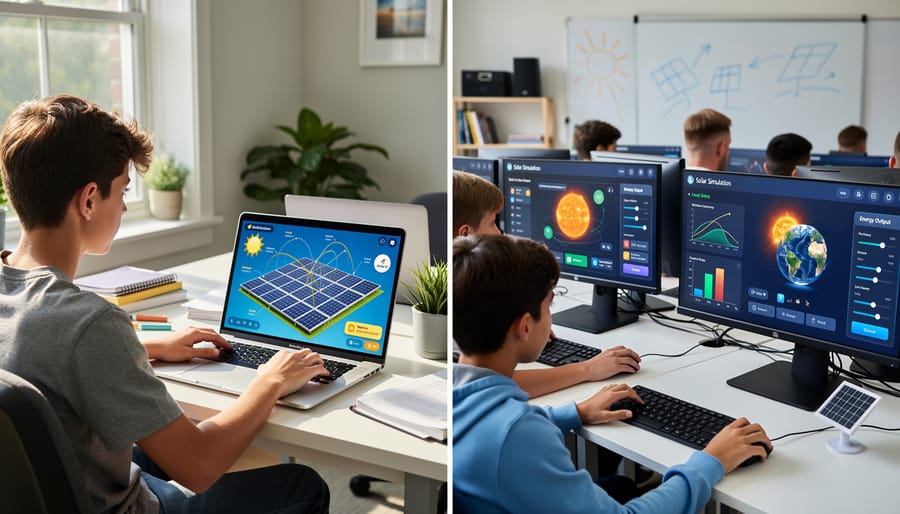
Interactive digital simulations transform abstract solar energy concepts into tangible learning experiences for K-12 students. These virtual tools allow young learners to explore how photovoltaic panels convert sunlight into electricity without requiring expensive physical equipment. Students can adjust variables like panel angles, weather conditions, and geographic locations to see real-time impacts on energy production, helping them grasp the science behind solar technology.
One significant advantage of these online platforms is their ability to demonstrate environmental benefits through data visualization. Students can compare carbon footprint reductions, calculate energy savings, and explore how solar installations affect local communities over time. This hands-on approach makes the connection between renewable energy choices and environmental stewardship more concrete and memorable.
For Illinois educators, these simulations offer particular value by incorporating regional weather patterns and solar potential specific to the Midwest. Students can experiment with local conditions, understanding how seasonal changes affect energy generation in their own communities. This localized learning helps prepare students for real-world applications they might encounter in their home state.
These interactive experiences also introduce students to career possibilities in the growing solar industry. By working through virtual design challenges and system planning exercises, young learners develop problem-solving skills while gaining exposure to professional practices used by solar installation companies. This early familiarity with renewable energy technology can inspire future career paths in a field experiencing significant growth across Illinois and beyond.
Real-World Projects Students Can Complete at Home
Students can transform abstract solar concepts into hands-on learning experiences right from home, building practical understanding of renewable energy that connects directly to Illinois’s growing solar industry.
A popular starting project involves creating a simple solar oven using a pizza box, aluminum foil, and plastic wrap. This experiment demonstrates solar thermal energy collection and helps students understand how the sun’s rays can be concentrated and converted to heat. Students can measure temperature changes, calculate efficiency, and even prepare simple foods like s’mores while learning about energy conversion.
Building small solar-powered devices offers another engaging activity. Using affordable solar panel kits available online, students can construct phone chargers, LED light systems, or small fans. These projects teach circuit design, voltage requirements, and energy storage basics. Students gain firsthand experience with photovoltaic technology while creating useful devices they can actually use at home.
Home energy audits provide valuable real-world application of solar concepts. Students can inventory their household’s energy consumption by reading utility bills, identifying major energy users, and calculating potential solar panel requirements to offset usage. This practical exercise helps families understand their energy footprint while teaching students about system sizing and cost-benefit analysis relevant to Illinois homes.
Weather tracking projects allow students to monitor local solar potential by measuring sunlight hours, cloud cover patterns, and seasonal variations. This data collection helps students understand why Illinois experiences different solar production levels throughout the year and how weather impacts renewable energy generation. These hands-on activities prepare students for potential careers in solar installation, energy consulting, and system design within their local community.
What Parents and Schools Should Look For in Online Energy Programs
Age-Appropriate Content That Actually Prepares Students
Building a strong foundation in renewable energy requires age-appropriate content that grows with students. Here’s how quality online learning platforms structure their curriculum across grade levels.
Elementary students (K-5) begin with the basics: understanding what energy is, where it comes from, and why sunlight is a powerful natural resource. At this level, interactive lessons focus on simple concepts like how solar panels capture sunlight and convert it into electricity for homes and businesses. Students learn about Illinois’s abundant sunny days and how families across our state use solar energy. Visual demonstrations and simple experiments help young learners grasp these foundational ideas without overwhelming technical details.
Middle school students (6-8) dive deeper into the science behind solar technology. They explore photovoltaic cells, energy conversion processes, and basic electrical principles. Curriculum at this level introduces students to Illinois’s renewable energy landscape, including how local installations work and the environmental benefits of choosing clean energy. Students begin understanding practical applications, such as calculating energy savings and comparing conventional versus renewable power sources. This knowledge prepares them for more advanced concepts while connecting classroom learning to real-world scenarios they see in their communities.
High school students (9-12) engage with professional-level content that prepares them for careers in the solar industry. Advanced coursework covers system design, installation techniques, energy efficiency calculations, and Illinois-specific regulations and incentives. Students learn about grid connections, battery storage, and commercial-scale projects. Many platforms partner with locally owned solar companies to provide mentorship opportunities and career pathway information, ensuring students understand how their education translates into meaningful employment opportunities right here in Illinois.
Connecting Classroom Learning to Illinois Solar Industry
Internships and Apprenticeships for High School Students
For Illinois high school students interested in renewable energy careers, several pathways exist to gain real-world experience before graduation. Many solar companies throughout the state offer structured internship and apprenticeship programs designed specifically for younger learners who have completed foundational renewable energy coursework through online platforms.
Local solar installation companies typically look for apprentices who demonstrate strong problem-solving skills, attention to detail, and genuine interest in sustainable technology. While technical knowledge is valuable, employers understand that high school students are still learning. What matters most is reliability, willingness to learn, and basic understanding of electrical safety principles—concepts often introduced through quality online learning platforms.
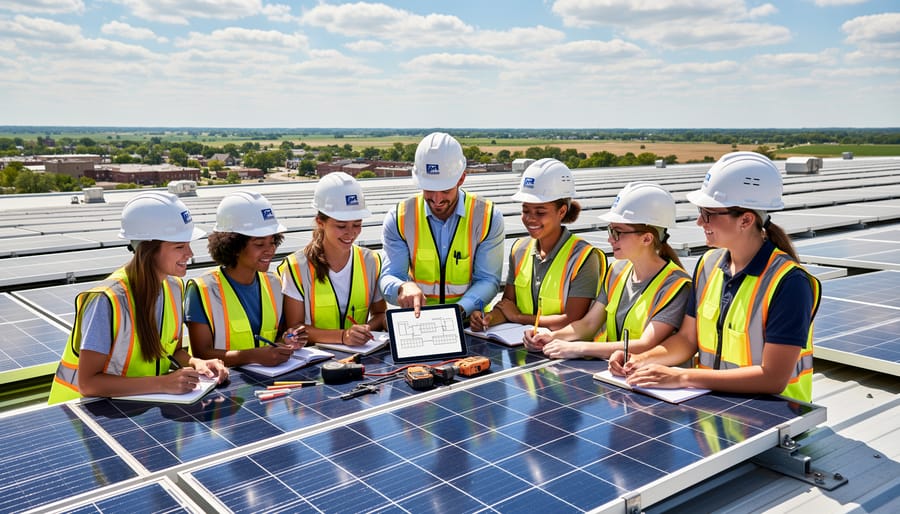
Summer internships provide excellent opportunities for students to shadow experienced technicians, assist with site assessments, and observe the installation process from planning through completion. Some Illinois companies, including locally owned solar businesses, offer part-time positions that accommodate school schedules during the academic year. These arrangements allow students to apply classroom knowledge in practical settings while building professional connections within the industry.
Students interested in pursuing these opportunities should focus on completing hands-on solar training modules that emphasize safety protocols and basic system components. Demonstrating familiarity with photovoltaic terminology, understanding of local building codes, and commitment to professional development significantly strengthens applications. Many successful apprentices transition into full-time positions after graduation, creating clear pathways from education to meaningful careers in Illinois’s growing renewable energy sector.
How Local Solar Companies Support Student Education
Illinois renewable energy companies recognize that today’s students are tomorrow’s solar professionals. Many locally owned solar firms actively partner with K-12 schools to bridge the gap between online learning and real-world application, creating meaningful connections that inspire students and strengthen our local workforce.
These partnerships take several forms. Local solar companies offer virtual and in-person site visits where students can see operational solar installations, from residential rooftop arrays to commercial-scale projects. During these visits, students learn how the concepts they’ve studied online translate into actual energy production. They observe solar panels in action, understand system monitoring, and ask questions about installation techniques and maintenance practices.
Mentorship programs represent another valuable connection point. Solar professionals volunteer their time to guide students interested in renewable energy career paths, sharing insights about daily responsibilities, required skills, and educational requirements. These mentors help students understand the diverse opportunities available, from engineering and project management to sales and system design.
Some Illinois solar companies also provide equipment donations or sponsor curriculum development for schools implementing renewable energy programs. This support ensures students have access to quality learning materials and hands-on tools that complement their online coursework.
By investing in student education, local renewable energy firms create a pipeline of knowledgeable, skilled workers ready to meet Illinois’s growing demand for clean energy solutions while strengthening community ties.
Preparing Illinois students for a sustainable future starts with education today. As our state continues expanding its renewable energy infrastructure, the demand for skilled solar professionals will only grow. By introducing K-12 students to solar concepts through quality online learning platforms, we’re not just teaching science—we’re opening doors to meaningful career pathways right here in Illinois.
Parents and educators have a unique opportunity to shape the next generation of energy leaders. Solar literacy goes beyond understanding panels and inverters; it cultivates critical thinking about environmental responsibility and practical problem-solving skills that students will carry throughout their lives. When young people grasp how renewable energy works and why it matters, they become informed citizens capable of making sustainable choices for their families and communities.
Local solar companies understand this connection between education and workforce development. As Illinois moves toward cleaner energy solutions, students who gain early exposure to renewable energy concepts will be better positioned to enter this growing field, whether as installers, engineers, project managers, or entrepreneurs.
The investment in solar education today creates tangible benefits tomorrow—both for individual students seeking stable, well-paying careers and for Illinois communities working toward energy independence. We encourage parents, teachers, and school administrators to prioritize renewable energy literacy as an essential component of modern education. By doing so, you’re equipping students with knowledge that serves both their professional futures and our collective environmental responsibility.
