
Turn Your Solar Investment Into Cash Flow: What Every Illinois Property Owner Should Know About Renewable Asset Securitization
Your solar installation represents more than clean energy—it’s a quantifiable financial asset with measurable cash flows, tax advantages, and long-term value that can be strategically managed, leveraged, or securitized. In Illinois, where favorable solar policies and incentive programs make renewable energy investments particularly attractive, understanding renewable asset management has shifted from optional to essential for property owners seeking to maximize their solar investment returns.
Renewable asset management encompasses the strategic oversight of solar installations as income-generating investments rather than simple equipment purchases. This approach treats your solar array as a portfolio asset requiring performance monitoring, maintenance optimization, financial tracking, and strategic planning to protect and enhance its value over 25-30 years of operation. For Illinois homeowners and businesses, proper asset management can mean the difference between modest utility savings and a robust financial instrument that generates predictable returns, qualifies for favorable financing terms, and maintains peak valuation for potential securitization opportunities.
The sophistication of today’s solar market demands more than installation expertise—it requires comprehensive asset stewardship that aligns technical performance with financial objectives. Whether you’re considering solar as a straightforward energy solution or evaluating complex investment strategies like renewable asset securitization, understanding how professional asset management preserves and amplifies your investment value is fundamental to making informed decisions that serve your long-term financial interests.
What Is Renewable Asset Securitization?
How Your Solar System Becomes an Asset
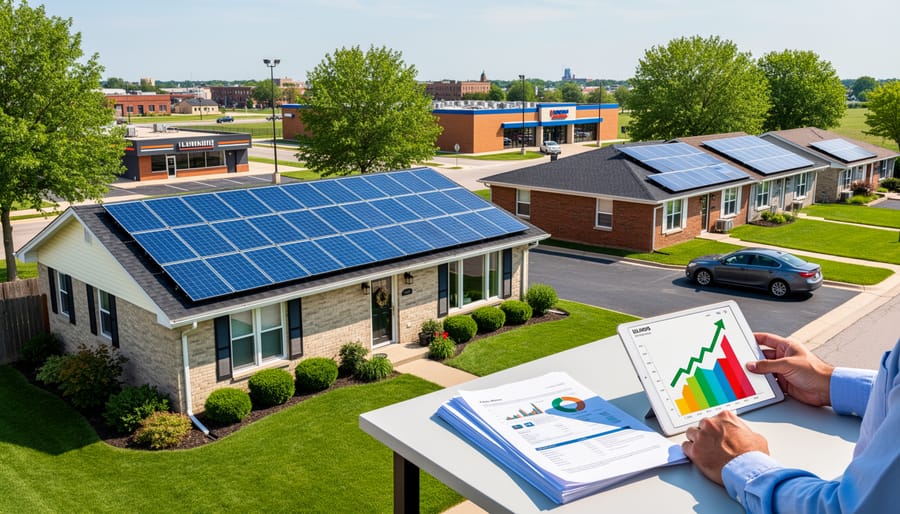
When you install a solar energy system, you’re not just reducing your electric bill—you’re creating a tangible financial asset. Much like real estate generates rental income, your solar installation produces quantifiable value through two primary revenue streams: energy production and ongoing savings.
Solar systems generate electricity with remarkable predictability. Unlike other investments subject to market volatility, your panels’ output can be accurately forecasted based on historical weather data, system specifications, and proven performance metrics. In Illinois, this means your solar installation becomes a reliable producer of measurable energy, month after month, year after year.
This predictability transforms your solar system into investment assets with calculable returns. Every kilowatt-hour your system produces either reduces your purchased electricity or generates credits through net metering programs. These savings represent real cash flow—money that would otherwise go to your utility company now stays in your pocket.
For business owners, this asset value extends further. Solar installations can be depreciated for tax purposes, improve property valuations, and demonstrate corporate sustainability commitments that increasingly matter to customers and stakeholders. The system’s production data provides concrete documentation of environmental impact and financial performance.
As a locally owned Illinois solar provider, we’ve seen firsthand how proper system design and ongoing management maximize these asset values. The key is treating your solar installation not as a one-time purchase, but as a productive asset requiring strategic oversight to ensure optimal long-term returns.
The Role of Asset Management in Protecting Your Investment
When you invest in a solar energy system for your Illinois property, you’re making a significant financial commitment with expectations of long-term returns through energy savings and potential revenue generation. Just as you wouldn’t purchase a commercial property and leave it unattended, your solar installation requires ongoing attention to protect and maximize your investment.
Renewable asset management is the comprehensive process of monitoring, maintaining, and optimizing your solar system throughout its operational lifetime, which typically spans 25 to 30 years. This proactive approach ensures your panels consistently perform at their designed capacity, delivering the financial returns you anticipated when making your initial investment.
Think of it as the difference between simply owning equipment and actively managing an income-producing asset. Without proper oversight, even high-quality solar installations can underperform due to weather damage, component degradation, soiling, or system inefficiencies that develop over time. In Illinois, where changing seasons bring unique challenges from snow accumulation to summer storms, regular asset management becomes even more critical.
Effective renewable asset management encompasses several key activities: continuous performance monitoring through advanced software systems, scheduled preventive maintenance, rapid response to equipment issues, and ongoing system optimization as technology evolves. For business owners and property managers, this translates directly to protecting your bottom line and ensuring the investment performs as projected in your financial models.
Why Renewable Asset Management Matters for Illinois Solar Owners
Performance Monitoring and Optimization
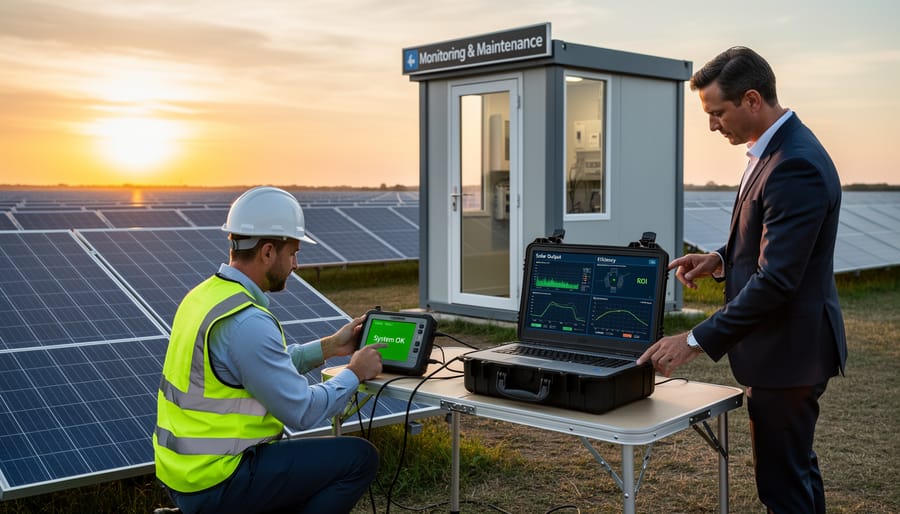
Once your solar system is operational, consistent performance monitoring becomes the foundation of maintaining its value as a financial asset. Advanced monitoring systems track energy production in real-time, immediately flagging any deviations from expected output. This proactive approach means potential issues—whether a malfunctioning inverter, shading problems, or soiling that reduces panel efficiency—get identified and resolved quickly, often before you notice any impact on your electric bill.
For investors and lenders involved in renewable asset securitization, this ongoing oversight provides essential assurance. Regular performance data demonstrates that the asset continues generating the predicted cash flows that underpin the investment. In Illinois, where weather variations affect solar production throughout the year, having locally owned experts who understand regional performance patterns adds significant value. They can distinguish between normal seasonal fluctuations and actual system problems, preventing unnecessary service calls while catching genuine issues early.
Optimization goes beyond troubleshooting. Detailed performance analytics reveal opportunities to enhance system efficiency through cleaning schedules, vegetation management, or minor adjustments. This continuous improvement approach maximizes energy production, which directly translates to stronger financial returns and more attractive securitization terms for renewable energy portfolios.
Maintenance and Longevity
Protecting your solar investment requires strategic preventive maintenance tailored to Illinois conditions. Regular inspections and cleaning schedules help maximize energy production and extend system lifespan, directly preserving asset value for securitization purposes.
Illinois weather presents unique challenges that impact solar performance. Winter snow accumulation can reduce energy output and create structural stress, making snow load monitoring essential. Professional maintenance teams familiar with local conditions understand when snow removal is necessary versus allowing natural melt-off. Spring and fall inspections address debris accumulation, check mounting system integrity, and verify electrical connections remain secure after temperature fluctuations.
A comprehensive maintenance program includes panel cleaning, inverter performance checks, and monitoring system diagnostics. Most solar installations benefit from professional cleaning twice yearly, though properties near agricultural areas or highways may require more frequent attention. Tracking these maintenance activities creates documentation that demonstrates responsible asset management to potential investors or lenders.
Working with locally owned solar providers offers distinct advantages for long-term maintenance. Their expertise in solar energy combined with understanding of Illinois-specific weather patterns ensures appropriate preventive strategies. They can quickly respond to storm damage or performance issues, minimizing downtime that could affect your asset’s financial returns. Establishing a maintenance relationship from installation ensures continuity of care and preserves manufacturer warranties, both critical factors in maintaining asset value throughout the system’s 25-plus year lifespan.
Investment Strategies: Making Solar Assets Work for You
Financing Your Solar Installation Through Asset-Backed Agreements
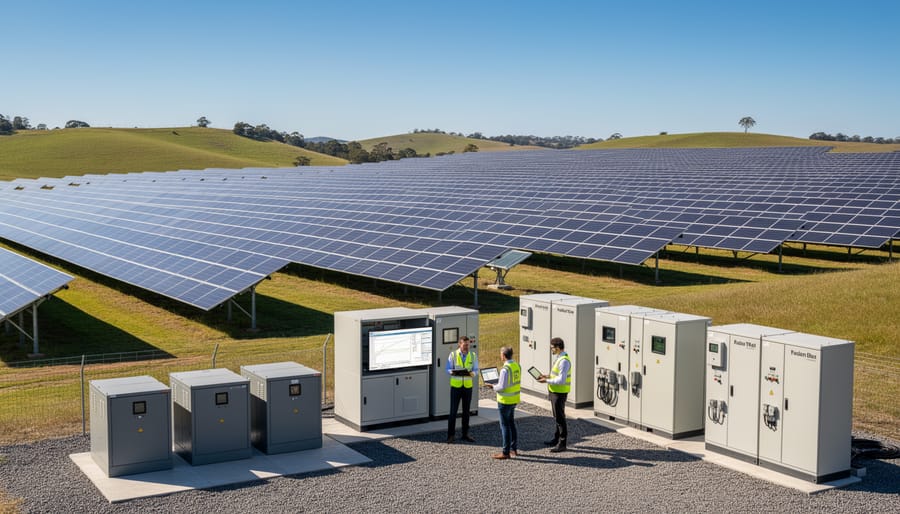
When your solar installation becomes a financial asset, new financing possibilities emerge that make renewable energy more accessible than ever. Through asset-backed agreements, Illinois property owners can secure solar systems with little to no upfront investment while maintaining or improving their cash flow.
Securitization transforms your solar installation into a revenue-generating asset that lenders can confidently finance. This process enables smart financing models specifically designed for renewable energy systems. When your solar panels have documented performance data, professional maintenance records, and predictable output, financial institutions view them as reliable collateral rather than risky technology investments.
Power purchase agreements represent one popular structure where a third party owns and maintains your solar system while you purchase the electricity at predetermined rates, typically lower than utility prices. This eliminates upfront costs entirely while guaranteeing energy savings from day one.
Solar lease arrangements offer another pathway, allowing you to use the system for fixed monthly payments that often cost less than your previous electricity bills. The lessor handles maintenance and performance guarantees, reducing your operational responsibilities.
Both structures rely on proper renewable asset management to succeed. Consistent monitoring, preventive maintenance, and performance documentation ensure the system generates expected returns, which directly affects financing terms and availability. Working with locally owned Illinois solar providers who understand regional conditions and financing landscapes helps secure the most favorable terms while ensuring your installation performs optimally throughout its financing period.
Long-Term Value Creation
Properly managed solar assets function as appreciating investments rather than static installations. While the physical panels themselves depreciate, the financial value of your solar system increases through multiple revenue streams and benefits specific to Illinois property owners.
The primary value driver comes from ongoing energy cost savings. As utility rates continue to rise—typically 3-5% annually in Illinois—your fixed solar production becomes increasingly valuable each year. A system producing $2,000 in savings today could generate $2,600 in equivalent value within five years, simply due to utility rate escalation.
Beyond immediate savings, Illinois solar owners benefit from substantial financial incentives. The Federal Investment Tax Credit provides immediate value, while Illinois’ Adjustable Block Program through the Illinois Shines initiative offers Solar Renewable Energy Credits (SRECs) that generate income over 15 years. These tax incentives and credit programs can represent 40-60% of your total system cost recovery.
Renewable Energy Credits represent ongoing value creation. Each megawatt-hour your system produces generates tradable credits, providing quarterly or annual payments throughout the contract period. Professional asset management ensures these credits are properly claimed, tracked, and monetized at optimal rates.
Property value appreciation represents another dimension of long-term value. Studies consistently show solar installations increase property values, with buyers willing to pay premiums for homes and commercial properties with established solar systems. This appreciation effect strengthens over time as the system’s performance history and remaining warranty period are documented through professional management practices.
Key Components of Effective Renewable Asset Management
Data Collection and Analytics
Modern renewable asset management relies on sophisticated data collection and analytics systems that provide real-time visibility into your solar investment’s performance. These monitoring platforms continuously track energy production, weather conditions, equipment status, and system efficiency, creating a comprehensive picture of how your assets are performing against expectations.
For Illinois solar owners, this transparency is particularly valuable given our variable weather patterns and seasonal sunlight changes. Advanced analytics can quickly identify underperformance issues—whether from equipment malfunction, shading problems, or maintenance needs—allowing for rapid response before small issues become costly problems. This proactive approach protects your investment returns and extends equipment lifespan.
These systems also generate detailed performance reports that are essential for investors and business owners who need to demonstrate asset value. Whether you’re considering securitization strategies or simply want to understand your return on investment, data-driven insights provide the documentation necessary for financial planning and reporting. For commercial operations, this level of monitoring ensures that your solar installation continues delivering the expected energy savings and revenue generation that justified the initial investment, making your renewable asset a reliable component of your broader financial strategy.
Scheduled Maintenance and Rapid Response
Well-maintained solar systems consistently outperform neglected ones, making scheduled maintenance essential for maximizing your renewable energy investment. Professional asset management combines preventive care with rapid response capabilities to keep your system generating optimal power and revenue throughout its 25-30 year lifespan.
Regular maintenance schedules typically include quarterly or semi-annual inspections covering panel cleaning, electrical connection checks, inverter performance monitoring, and structural assessments. These routine visits identify minor issues before they escalate into costly repairs or production losses. For Illinois solar owners, seasonal maintenance is particularly important—clearing debris after autumn storms, inspecting for winter damage, and optimizing panel positioning for seasonal sun angles all contribute to consistent energy production.
Equally important is rapid response capability when unexpected issues arise. Lightning strikes, equipment failures, or grid connection problems can halt energy production and interrupt revenue streams. Professional asset managers maintain emergency protocols with defined response times, typically within 24-48 hours for critical issues. This quick action minimizes downtime and ensures your system continues generating expected returns.
Beyond technical service, comprehensive maintenance programs provide detailed performance documentation essential for protecting investment returns. These records verify system performance for potential buyers if you securitize your solar assets, support warranty claims, and demonstrate proper care to financial partners. For Illinois property owners treating solar installations as long-term financial assets, this documentation proves invaluable when leveraging systems for financing or investment purposes.
Choosing the Right Partner for Your Solar Investment
Selecting the right solar partner is perhaps the most critical decision you’ll make in your renewable energy journey. The difference between a solar installation that becomes a valuable, income-generating asset and one that underperforms comes down to expertise in both installation quality and ongoing management.
Look for a provider with deep roots in your community and understanding of Illinois-specific conditions. Local expertise matters because solar performance varies dramatically based on regional weather patterns, utility regulations, and available incentive programs. A locally owned company will have firsthand knowledge of how systems perform through Illinois winters, how to navigate ComEd or Ameren rebate programs, and which equipment withstands our climate best.
Beyond installation capabilities, your solar partner should offer comprehensive asset management services. This means they’re equipped to handle monitoring, maintenance, financial reporting, and performance optimization for the lifetime of your system. Ask potential providers about their monitoring technology, response times for performance issues, and whether they provide detailed production reports that matter for financial planning or potential securitization.
The best solar partners view themselves as long-term stewards of your investment, not just installers who disappear after commissioning. They should be able to explain how they’ll track your system’s performance against projections, maintain equipment warranties, and ensure your asset retains its value over time. This is especially important if you’re considering your solar installation as part of a broader investment strategy.
Request references from clients who’ve worked with the provider for several years, not just recent installations. Ask about their experience with system performance, communication quality, and how issues were resolved. A provider committed to asset management will have satisfied long-term customers who can speak to reliability beyond the installation phase.
Finally, ensure your chosen partner offers transparent service agreements that clearly outline responsibilities for monitoring, maintenance, and reporting. This clarity protects your investment and ensures your solar asset performs as expected year after year.
Renewable asset management transforms your solar installation from a collection of panels and equipment into a strategic financial asset that generates reliable returns for decades. The difference between simply owning solar panels and truly maximizing their value lies in how those assets are managed, monitored, and optimized over time. Without proper oversight, even the best solar systems can underperform, reducing both energy savings and the potential for advanced financial strategies like securitization.
Working with experienced, locally-owned providers makes all the difference. These partners understand Illinois-specific regulations, weather patterns, and interconnection requirements that impact system performance. More importantly, they recognize that solar investments require both technical expertise and financial acumen. A provider who can maintain your equipment while also documenting performance data, managing warranties, and ensuring regulatory compliance positions your solar assets for maximum value whether you’re pursuing securitization, seeking financing, or simply wanting optimal returns.
As you consider solar energy for your home or business, think beyond the installation date. Your solar system represents a 25-plus year investment that should deliver consistent value throughout its lifetime. The question isn’t just whether to install solar, but who will help you manage and protect that investment over the long term. By prioritizing comprehensive asset management from day one, you’re not just generating clean energy—you’re building a valuable financial asset that can open doors to innovative investment strategies and sustained economic benefits for your Illinois property.
