
How Local Climate Action Groups Are Revolutionizing Illinois Solar Policy
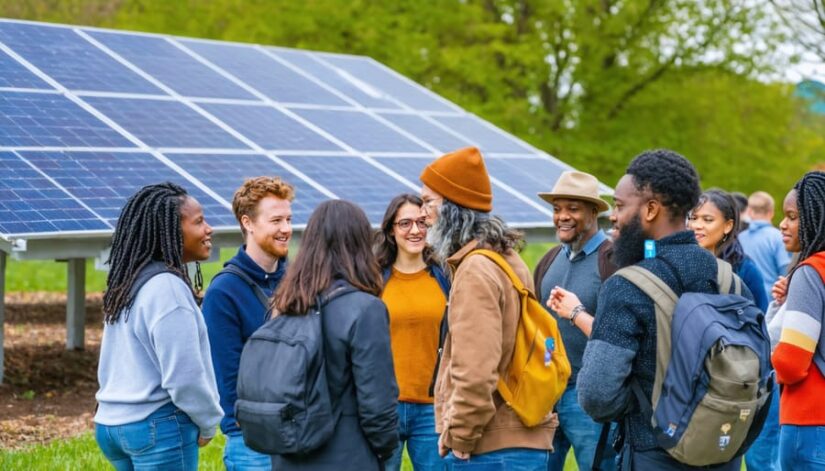
Grassroots climate organizations across Illinois are transforming local communities into powerful forces for environmental change. From neighborhood solar cooperatives in Chicago’s suburbs to community-led initiatives advocating for clean energy policies in Springfield, these organizations demonstrate how collective action drives meaningful climate solutions. Local groups have successfully pushed for the installation of solar panels on public buildings, implemented community-wide composting programs, and secured commitments from municipalities to transition to 100% renewable energy by 2050.
By connecting concerned citizens with policy makers, technical experts, and funding sources, these organizations bridge the critical gap between environmental awareness and concrete action. Their achievements include securing over $50 million in clean energy investments across Illinois communities, establishing youth climate education programs in 200+ schools, and developing innovative models for community solar projects that make renewable energy accessible to all income levels.
These grassroots efforts showcase how local action catalyzes broader systemic change, proving that sustainable solutions often start at the community level.
The Power of Local Climate Action in Illinois
Success Stories from Illinois Communities
Across Illinois, local communities driving energy change have achieved remarkable victories through grassroots organizing. In Urbana-Champaign, a coalition of residents successfully lobbied for the adoption of a 100% renewable energy commitment by 2025, leading to the installation of community solar projects on municipal buildings. The Springfield Clean Energy Alliance demonstrated the power of community action by securing a $2.5 million grant for residential solar installations in underserved neighborhoods.
In Lake County, grassroots efforts led to the creation of a green building ordinance that requires new commercial construction to include solar-ready infrastructure. The Rockford Climate Coalition achieved a significant win by working with local businesses to implement a voluntary emissions reduction program, resulting in a 15% decrease in commercial energy consumption within its first year.
These successes showcase how organized community action can create lasting change. From policy reforms to practical implementations, Illinois communities are proving that local initiatives can significantly impact our state’s renewable energy future.

Building Community Support for Solar Initiatives
Building community support for solar initiatives requires a strategic combination of education, engagement, and relationship building. Successful grassroots organizations in Illinois often start by hosting informational workshops at local libraries and community centers, where residents can learn about solar technology benefits and available incentives. These sessions address common concerns about installation costs, maintenance, and property values.
Door-to-door outreach campaigns have proven particularly effective, especially when volunteers share their personal experiences with solar installations. Organizations frequently partner with local businesses and faith-based groups to expand their reach and credibility within the community. Some groups organize solar home tours, allowing skeptical homeowners to see installations firsthand and speak with solar adopters in their neighborhood.
Social media campaigns and neighborhood-specific messaging help organizations target their outreach efforts effectively. Many groups create simple fact sheets highlighting local success stories and economic benefits specific to Illinois communities. By emphasizing job creation and energy independence, these organizations help residents understand how solar initiatives benefit the entire community, not just individual homeowners.
To maintain momentum, successful organizations regularly celebrate milestones and share progress updates through community newsletters and local media outlets. This continuous engagement helps build lasting support for solar initiatives while inspiring more residents to get involved.
Effective Grassroots Strategies for Policy Change
Education and Awareness Campaigns
Grassroots organizations play a vital role in educating communities about climate change through innovative and engaging campaigns. These organizations employ various strategies to make complex environmental issues more accessible and actionable for local residents. Through workshops, community forums, and interactive presentations, they help Illinois residents understand the impact of climate change on their daily lives and the importance of renewable energy solutions.
Many organizations partner with local schools and universities to develop educational programs that reach younger generations. These programs often include hands-on activities, such as solar panel demonstrations and energy audit workshops, making the learning experience both practical and memorable. Social media campaigns and digital outreach efforts complement these in-person initiatives, extending their reach across various demographics.
Local climate action groups also focus on solar accessibility initiatives through targeted awareness campaigns that highlight available incentives and benefits for homeowners and businesses. They organize neighborhood tours of solar-powered homes, providing real-world examples of successful renewable energy adoption.
These organizations often create customized educational materials that address specific local concerns and opportunities, making the information more relevant and actionable for Illinois residents. By combining education with practical solutions, they help community members understand not just the challenges of climate change, but also the concrete steps they can take to make a difference in their own communities.
Working with Local Government
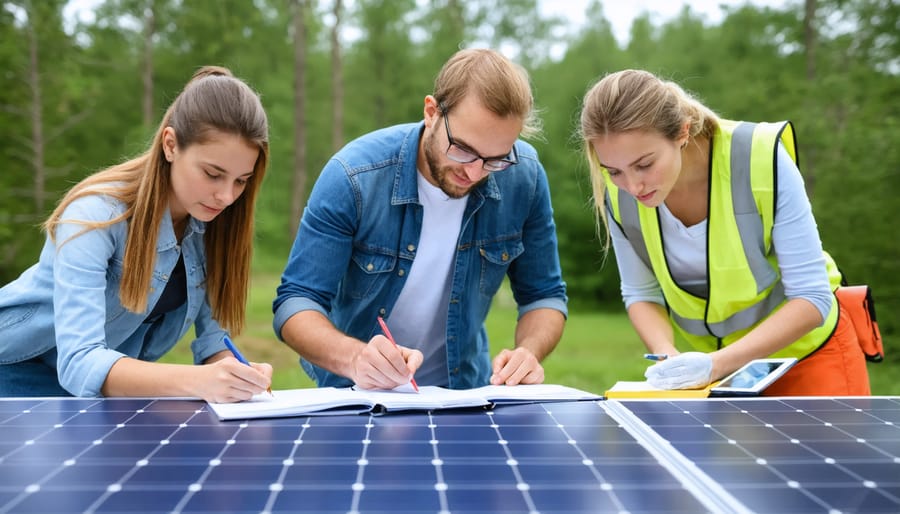
Engaging with local government officials is a crucial step for grassroots organizations seeking to advance climate initiatives. Success often begins with building relationships through regular attendance at city council meetings, planning commission sessions, and environmental committee gatherings. This consistent presence helps establish credibility and demonstrates long-term commitment to community improvement.
Effective collaboration requires understanding municipal processes and identifying key decision-makers. Organizations should research local climate policies, zoning regulations, and sustainability plans to align their proposals with existing frameworks. Many Illinois communities have sustainability coordinators or environmental committees who can serve as valuable allies and entry points for new initiatives.
Data-driven approaches resonate strongly with local officials. Groups should prepare well-researched presentations that include cost-benefit analyses, environmental impact assessments, and specific implementation timelines. Highlighting successful case studies from similar municipalities can help build confidence in proposed solutions.
Building coalitions with other community groups strengthens advocacy efforts. Partner with business associations, neighborhood organizations, and educational institutions to demonstrate broad support for climate initiatives. This unified approach can be particularly effective when proposing policy changes or seeking funding for renewable energy projects.
Remember to maintain open lines of communication and be patient with the legislative process. Regular updates to stakeholders, constructive feedback on existing programs, and willingness to compromise can help build lasting partnerships with local government entities.
From Policy to Practice: Implementation Success
Local Solar Projects and Their Impact
Illinois has seen remarkable success in local solar initiatives, with communities leading the charge for renewable energy adoption. In Champaign-Urbana, a grassroots campaign successfully advocated for the Solar Urbana-Champaign program, resulting in over 500 new residential solar installations. This community-driven project not only reduced carbon emissions but also created local jobs and decreased energy costs for participants by an average of 30%.
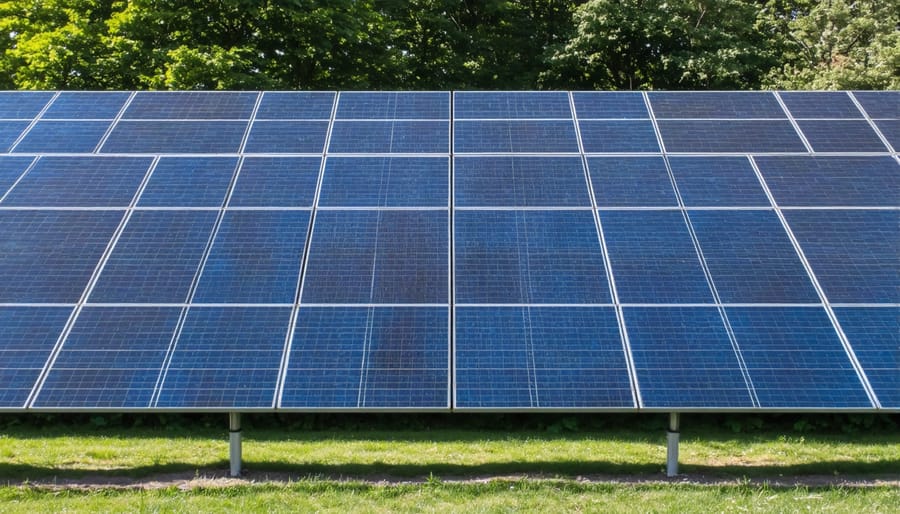
The Village of Mount Morris demonstrates another inspiring example, where citizen advocacy led to policy changes enabling the development of a 3-megawatt community solar farm. This installation now powers over 500 homes and has become a model for other small towns across the state.
In Cook County, persistent grassroots efforts resulted in the adoption of simplified solar permitting processes, reducing installation times from months to weeks. This policy change has led to a 40% increase in residential solar applications since 2020.
The City of Bloomington’s success story showcases how organized community action influenced local government to implement solar-friendly zoning regulations. These changes paved the way for the city’s first solar-powered business district, featuring 15 commercial installations that collectively offset 1,200 tons of carbon emissions annually.
Economic Benefits for Illinois Communities
Climate change grassroots organizations are driving significant economic growth across Illinois communities through various initiatives and programs. These organizations have been instrumental in creating new job opportunities, particularly through solar workforce development programs that prepare residents for careers in the renewable energy sector.
Local communities are experiencing direct economic benefits through increased property values, reduced energy costs, and new business opportunities. For example, solar installation projects initiated by grassroots organizations have created hundreds of jobs for local contractors and technicians. These positions often offer competitive wages and long-term career growth potential.
Small businesses are also benefiting from the transition to renewable energy. Local solar companies, energy efficiency consultants, and green building specialists are seeing increased demand for their services. Additionally, community solar projects are helping Illinois residents save on their energy bills while keeping energy dollars within their local economies.
The ripple effect extends beyond the energy sector. Training programs, educational initiatives, and awareness campaigns run by these organizations create administrative and teaching positions. Local manufacturers and suppliers are also expanding their operations to meet the growing demand for renewable energy components and materials, further strengthening Illinois’s economic foundation.
Future Directions for Climate Action Groups
As climate change continues to impact communities across Illinois and beyond, grassroots organizations face both challenges and opportunities in their mission to promote sustainable solutions. One key future direction involves leveraging digital technology to enhance community engagement and coordination. Organizations are increasingly using social media platforms and mobile apps to organize events, share resources, and mobilize supporters more effectively.
Another emerging trend is the focus on environmental justice and ensuring that renewable energy initiatives benefit all communities equally. Grassroots groups are developing strategies to address disparities in access to clean energy solutions, particularly in underserved neighborhoods throughout Illinois.
Collaboration between different climate action groups is becoming increasingly important. By forming networks and sharing resources, these organizations can amplify their impact and create more comprehensive approaches to addressing climate change. This includes partnerships with local businesses, educational institutions, and government agencies.
Financial sustainability remains a crucial challenge. Groups are exploring innovative funding models, including community solar projects, green bonds, and partnerships with socially responsible investors. These approaches not only provide necessary resources but also demonstrate the economic viability of renewable energy solutions.
Looking ahead, grassroots organizations will need to adapt to evolving policy landscapes while maintaining their core mission of promoting sustainable practices. This includes staying informed about new technologies, regulations, and opportunities in the renewable energy sector while continuing to advocate for positive change at the local level.
Grassroots organizations continue to play a pivotal role in shaping Illinois’s renewable energy future. Through persistent community engagement, educational initiatives, and policy advocacy, these local groups have successfully influenced decision-makers and accelerated the adoption of sustainable energy solutions. Their efforts have led to meaningful policy changes, increased public awareness, and growing support for renewable energy projects across the state. As Illinois faces ongoing climate challenges, the importance of grassroots activism cannot be overstated. These organizations serve as the bridge between community needs and policy implementation, ensuring that the transition to renewable energy remains equitable, effective, and responsive to local concerns. By supporting these grassroots efforts, Illinois residents can directly contribute to a more sustainable future while fostering positive change in their communities.
