
How AI is Revolutionizing Energy Efficiency (Without Breaking the Bank)
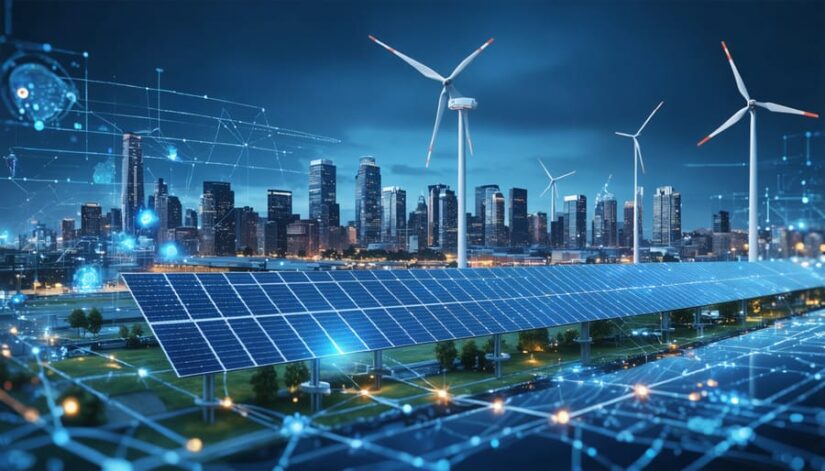
Artificial intelligence stands at a critical crossroads of technological innovation and environmental responsibility. As AI systems become increasingly powerful and prevalent, their energy footprint grows exponentially – with modern language models consuming as much electricity as small towns. Yet paradoxically, AI also represents one of our most promising tools for optimizing energy use and accelerating the transition to renewable sources.
For Illinois businesses and homeowners, this dual nature of AI’s relationship with energy presents both challenges and opportunities. While data centers housing AI systems strain local power grids, smart AI applications are revolutionizing how we monitor and manage energy consumption in homes and commercial buildings. Advanced machine learning algorithms now predict solar output with unprecedented accuracy, optimize battery storage systems, and automatically adjust power usage based on real-time conditions.
Understanding this complex interplay between AI and energy consumption isn’t just academic – it’s essential for making informed decisions about sustainable technology adoption in our communities. As Illinois pushes toward its ambitious clean energy goals, the strategic implementation of AI will play a pivotal role in balancing innovation with environmental stewardship.
The Energy Footprint of AI Systems
Understanding AI’s Power Requirements
Artificial Intelligence systems require significant amounts of energy to function, primarily due to the massive computational power needed for processing and analyzing data. The energy consumption of AI varies greatly depending on several key factors: the complexity of the model, the volume of data being processed, and the hardware being used. For example, training a large language model can consume as much electricity as several American households use in a year.
The primary energy draw comes from the powerful processors and cooling systems needed to run AI applications. Data centers housing these systems often operate 24/7, requiring constant power supply. Modern AI hardware improvements have made systems more energy-efficient, but the growing scale and complexity of AI applications continue to drive higher energy demands.
Understanding these power requirements is crucial for businesses and organizations planning to implement AI solutions, especially when considering their overall energy management strategy and environmental impact.
Real-World Impact on Energy Grids
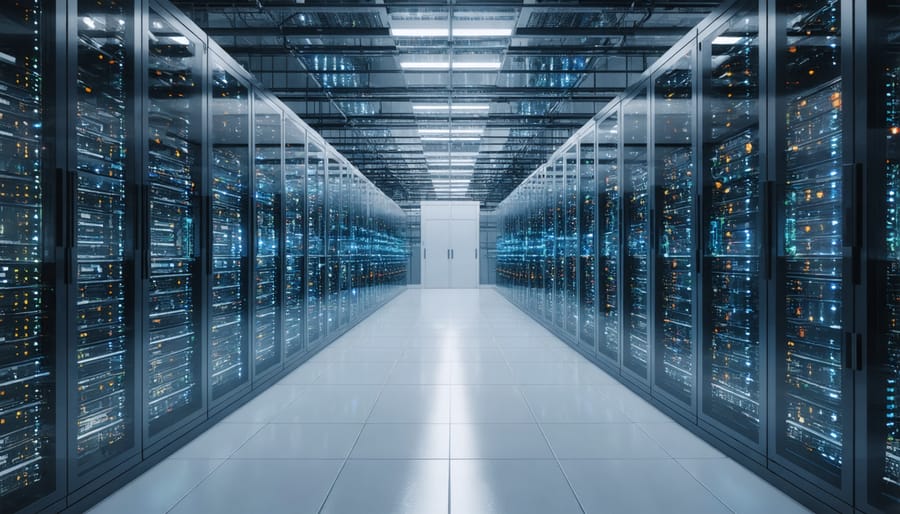
The growing deployment of AI systems is placing new demands on our energy infrastructure. In Illinois, data centers running AI applications can consume as much electricity as small towns, requiring careful grid management and enhanced capacity planning. Local utility companies are adapting by upgrading substations and distribution networks to handle these increased loads, particularly in areas with high concentrations of tech facilities.
This impact extends beyond just power consumption. During peak usage periods, AI operations can strain local grids, potentially affecting reliability for other customers. To address this, many facilities are incorporating solar energy systems and smart grid technologies to better manage their energy needs. Some Illinois businesses are partnering with utilities to implement demand response programs, shifting their AI workloads to off-peak hours when possible.
For homeowners and businesses considering solar installations, understanding these grid dynamics is crucial for planning system capacity and potential energy storage needs.
Smart Energy Management Through AI
Predictive Energy Analytics
Predictive energy analytics powered by artificial intelligence has revolutionized how we understand and manage energy consumption. By analyzing historical usage data, weather patterns, and real-time monitoring, AI systems can forecast energy needs with remarkable accuracy. This capability is particularly valuable for Illinois property owners looking to optimize their solar energy systems and reduce overall energy costs.
These smart systems continuously learn from your energy consumption patterns, identifying peak usage times and potential waste areas. For example, AI can predict when your home or business will require the most energy based on factors like occupancy patterns, seasonal changes, and equipment operation schedules. This information allows you to adjust your energy usage proactively, potentially shifting high-consumption activities to times when solar production is at its peak.
For businesses, AI-driven analytics can forecast energy demands days or even weeks in advance, enabling better resource allocation and cost management. The system might suggest running energy-intensive operations during periods of maximum solar generation or recommend maintenance schedules that optimize energy efficiency.
In residential settings, these predictive capabilities help homeowners make informed decisions about their daily energy use. The AI system can recommend the best times to run appliances, adjust temperature settings, or charge electric vehicles based on predicted solar production and energy costs. This intelligent forecasting helps maximize the benefits of your solar investment while maintaining comfort and convenience.

Automated Load Balancing
Artificial Intelligence plays a crucial role in managing energy distribution across modern power grid systems, particularly during periods of peak demand. By analyzing real-time data from thousands of sensors and smart meters, AI algorithms can predict energy consumption patterns and automatically adjust load distribution to maintain grid stability.
For Illinois businesses and homeowners with solar installations, AI-powered load balancing brings significant benefits. The system continuously monitors energy production from solar panels, battery storage levels, and household consumption patterns. During peak hours, when electricity costs are highest, AI automatically redirects stored solar energy to meet demand, reducing reliance on grid power and lowering utility bills.
This intelligent load management becomes especially valuable during extreme weather events, which are becoming more frequent in Illinois. AI systems can anticipate potential grid stress points and preemptively distribute power to prevent outages. For solar customers, this means more reliable energy supply and optimal use of their renewable resources.
The technology also enables dynamic response to changing conditions. If cloud cover temporarily reduces solar production, AI can instantly adjust power distribution from other sources to maintain consistent supply. This seamless automation ensures that homes and businesses always have access to power while maximizing the use of clean solar energy whenever possible.
AI Solutions for Solar Energy Systems
Solar Panel Performance Optimization
Artificial Intelligence is revolutionizing the way we harness solar energy in Illinois, making solar power more efficient and cost-effective than ever before. Through advanced solar panel optimization techniques, AI systems continuously monitor and adjust panel performance to maximize energy capture throughout the day.
These smart systems analyze real-time weather data, panel temperature, and sun position to automatically adjust tilt angles and tracking systems. By predicting cloud cover patterns and seasonal changes, AI helps solar installations maintain peak efficiency regardless of weather conditions. For Illinois homeowners and businesses, this means more consistent energy production, even during our variable Midwest weather.
AI-powered monitoring systems can detect potential issues before they become problems, identifying when panels need cleaning or maintenance. The technology also helps optimize energy storage by predicting peak usage times and adjusting charging cycles accordingly. This predictive capability is particularly valuable during Illinois winters when daylight hours are shorter and energy demands are higher.
Furthermore, machine learning algorithms analyze historical performance data to fine-tune system settings, resulting in up to 20% improved energy capture compared to traditional solar installations. For local businesses and homeowners, this translates to better return on investment and reduced energy costs throughout the year.
Smart Grid Integration
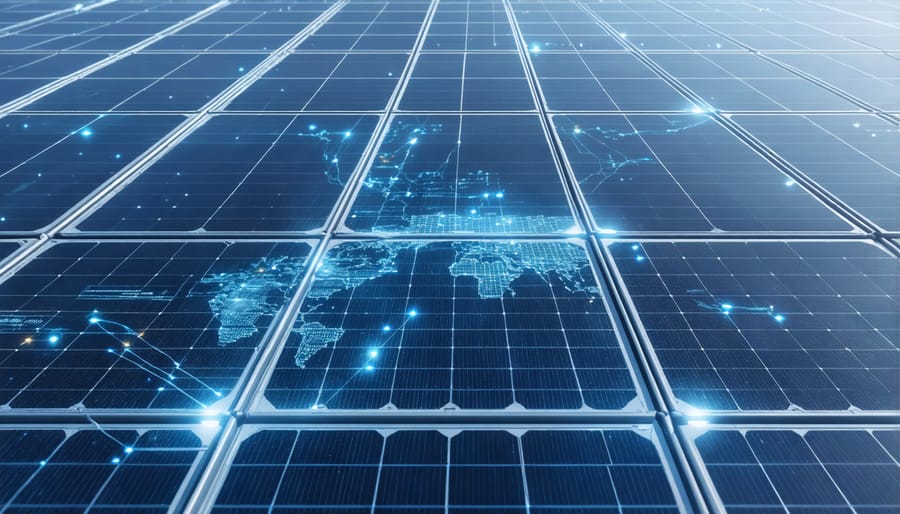
Smart grid integration represents one of the most promising applications of artificial intelligence in solar energy systems. AI algorithms help manage the complex dance between solar power generation, energy storage, and grid demand in real time. For Illinois homeowners and businesses with solar installations, this means more efficient power distribution and better returns on their renewable energy investments.
These intelligent systems continuously monitor weather patterns, energy consumption habits, and grid conditions to optimize power flow. When your solar panels generate excess electricity on sunny days, AI helps determine whether to store that energy in batteries, send it back to the grid, or use it immediately based on current electricity rates and predicted future demand.
The technology also enables automatic switching between solar and grid power to maintain consistent energy supply during cloudy periods or peak usage times. This seamless integration helps prevent power interruptions while maximizing the use of clean solar energy. For business owners, AI-powered smart grid systems can significantly reduce operating costs by automatically shifting energy-intensive operations to times when solar power is most abundant.
In Illinois’s varying climate, AI systems are particularly valuable as they can predict and prepare for seasonal changes in solar production. They analyze historical weather data alongside real-time conditions to optimize energy distribution throughout the year, ensuring reliable power supply even during the state’s challenging winter months.
Implementing AI Energy Solutions in Illinois
Illinois businesses and homeowners can take advantage of AI-powered energy solutions to optimize their solar installations and reduce overall energy consumption. By combining smart monitoring systems with machine learning algorithms, these solutions can predict energy generation patterns based on local weather data and historical performance metrics specific to Illinois’ climate.
Implementation typically begins with an energy audit using AI-powered assessment tools that analyze your current energy usage patterns. These systems can identify peak consumption periods and recommend optimal times for solar energy utilization, taking into account factors unique to Illinois such as seasonal variations and grid demand patterns.
For maximum benefit, property owners should consider integrating AI energy management systems with existing smart home or building automation systems. These integrations can automatically adjust heating, cooling, and lighting based on real-time solar production and energy prices. Many Illinois residents have reported energy savings of 15-30% after implementing these AI solutions alongside their solar installations.
To get started, consider consulting with local solar providers who offer AI-enhanced monitoring systems. Many of these solutions qualify for local energy incentives, making the initial investment more affordable. The most effective implementations often combine real-time monitoring, predictive maintenance, and automated load balancing to maximize energy efficiency while maintaining comfort and functionality.
Remember to regularly update your AI system’s parameters to account for changes in energy usage patterns and equipment performance, ensuring optimal operation year-round.
Artificial Intelligence continues to revolutionize energy management, offering promising solutions for both consumers and businesses in Illinois. As solar technology advances, AI systems are becoming more efficient at optimizing energy consumption while requiring less power to operate. The future outlook is particularly bright for our local community, where smart grid integration and automated energy management systems are helping homeowners and businesses achieve significant cost savings. With ongoing developments in machine learning algorithms and improved hardware efficiency, we can expect AI to play an even more crucial role in creating sustainable energy solutions. The combination of AI and renewable energy technologies presents a clear path forward, enabling more intelligent power distribution, predictive maintenance, and enhanced energy efficiency across our state’s power infrastructure.
