

Smart Meter Watchdogs: How Consumer Advocates Protect Your Privacy and Rights
Consumer advocates serve as powerful watchdogs in today’s complex marketplace, fighting to protect your rights and interests when dealing with utilities, products, and services. These dedicated professionals monitor issues like smart meter technology implementation, pricing fairness, and privacy protection while giving everyday citizens a voice against large corporations and utilities. In Illinois, consumer advocates have successfully pushed for stronger data protection measures, clearer billing practices, and more transparent communication between energy providers and customers. Whether working through nonprofit organizations, government agencies, or independent practices, these advocates combine legal expertise with deep industry knowledge to ensure consumers receive fair treatment, reasonable rates, and reliable service. Their work has become increasingly vital as energy systems grow more sophisticated and consumers face new challenges in understanding and managing their utility services.
What is a Consumer Advocate for Smart Meters?
Key Responsibilities and Focus Areas
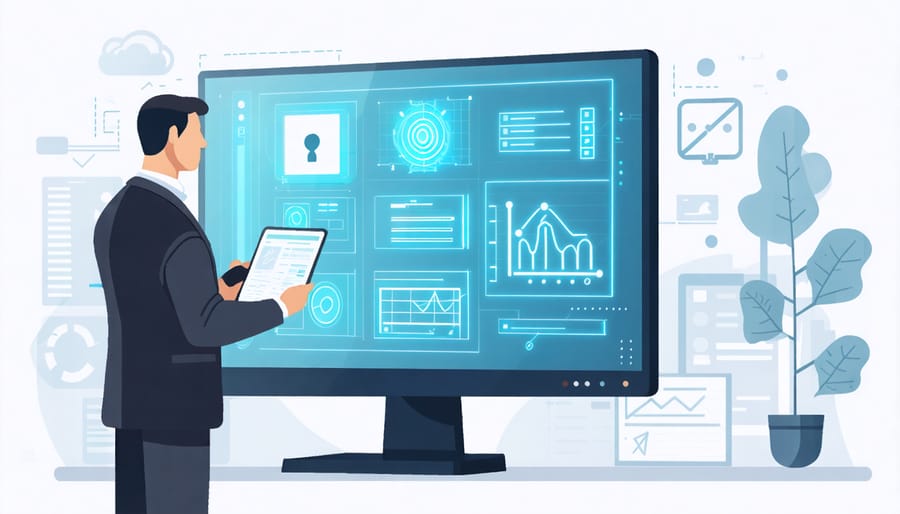
Consumer advocates play a vital role in protecting individual and community interests across multiple areas. Through various consumer advocacy programs, these professionals focus on safeguarding privacy rights, particularly regarding smart meter data collection and usage. They work diligently to ensure utility companies maintain strict data protection protocols and transparent practices.
Education forms another crucial responsibility, as advocates develop and implement programs to help consumers understand their rights, energy usage patterns, and available cost-saving opportunities. They create accessible materials, conduct workshops, and provide one-on-one guidance to empower informed decision-making.
In the policy arena, consumer advocates actively participate in regulatory proceedings and legislative discussions. They research industry trends, analyze proposed regulations, and present evidence-based recommendations to protect consumer interests. Their influence extends to rate case hearings, where they challenge unnecessary cost increases and promote fair pricing structures.
Additionally, these advocates serve as watchdogs, monitoring utility company practices, investigating complaints, and ensuring compliance with consumer protection laws. They also work to advance sustainable energy initiatives while maintaining affordability and reliability for all consumers.
Qualifications and Expertise
Consumer advocates typically hold bachelor’s degrees in fields such as law, public policy, business administration, or consumer affairs. Many pursue advanced degrees or specialized certifications in consumer protection, regulatory compliance, or advocacy. Strong analytical and research skills are essential, as advocates must understand complex policies, regulations, and market trends affecting consumers.
Effective consumer advocates possess excellent communication abilities, both written and verbal, to articulate consumer concerns to various stakeholders. They demonstrate strong negotiation skills and maintain a thorough understanding of consumer rights, industry practices, and relevant legislation. Experience in public speaking, community outreach, and media relations is valuable for raising awareness and building support for consumer issues.
Technical knowledge specific to the industry they advocate in, such as energy, telecommunications, or healthcare, is crucial. This expertise allows them to effectively evaluate industry proposals, identify potential consumer impacts, and propose meaningful solutions. Additionally, successful advocates display empathy, persistence, and integrity while maintaining professional relationships with industry representatives, government officials, and the communities they serve.
How Consumer Advocates Protect Your Privacy
Data Collection and Usage Rights
Consumer advocates play a crucial role in protecting individuals’ data privacy and usage rights, particularly in the age of smart meters and digital energy monitoring. They work diligently to ensure utility companies handle customer data responsibly and securely, while maintaining transparency about how this information is collected and used.
These advocates regularly review and negotiate data collection policies, ensuring they align with consumer protection laws and privacy regulations. They push for clear opt-in/opt-out options for data sharing programs and advocate for robust security measures to protect sensitive information from breaches or unauthorized access.
In Illinois, consumer advocates have been instrumental in establishing guidelines for smart meter data handling, including requirements for explicit consumer consent before sharing detailed energy usage data with third parties. They also work to ensure consumers retain rights to access their own energy usage data and control how it’s shared.
Additionally, these advocates monitor compliance with data retention policies and push for regular audits of utility companies’ data management practices. They help educate consumers about their rights regarding personal data and provide guidance on protecting their privacy while benefiting from smart meter technology.
Privacy Protection Strategies
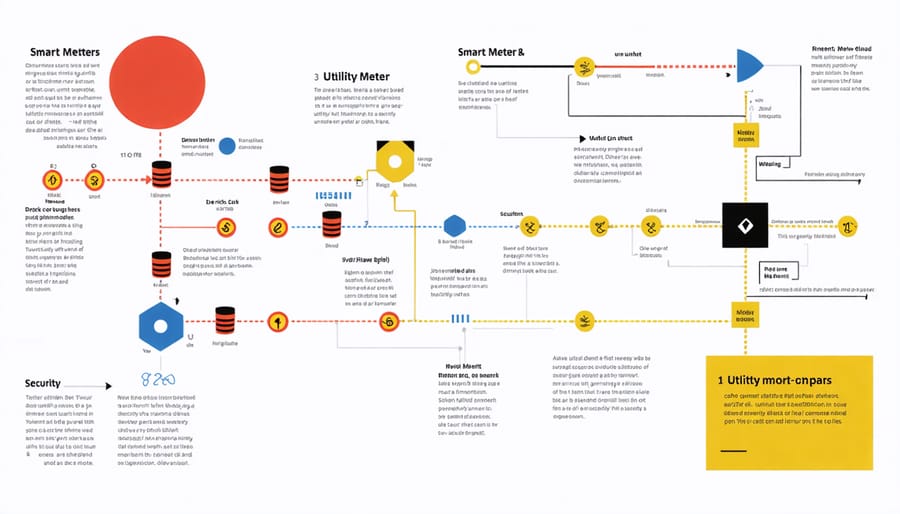
Consumer advocates employ various strategies to protect personal information in today’s digital age. They work diligently to ensure utility companies implement robust data encryption methods and secure storage protocols for smart meter readings and customer records. These advocates regularly audit data collection practices and push for strict access controls to prevent unauthorized use of consumer information.
A key focus is advocating for clear opt-out policies, allowing consumers to choose their level of data sharing. They also monitor third-party data sharing agreements and ensure utilities maintain transparency about how consumer data is used and stored. Consumer advocates frequently review and challenge privacy policies to ensure they protect consumer interests while maintaining service quality.
These professionals also work to establish strong breach notification protocols, ensuring consumers are promptly informed if their data is compromised. They push for regular security assessments and updates to stay ahead of emerging threats. Additionally, they advocate for data minimization practices, ensuring utilities collect only essential information needed for service delivery.
Consumer advocates also conduct educational campaigns to help Illinois residents understand their privacy rights and available protection measures, empowering them to make informed decisions about their data sharing preferences.
Educational Initiatives and Consumer Empowerment
Community Outreach Programs
Consumer advocates play a vital role in educating and empowering communities through various outreach programs and initiatives. These programs typically include free workshops, seminars, and informational sessions that help residents understand their rights and make informed decisions about their utilities and services.
Many advocates organize neighborhood meetings where they explain complex billing systems, energy-saving strategies, and consumer protection laws in simple terms. They also provide multilingual resources and materials to ensure information is accessible to diverse communities throughout Illinois.
Digital literacy programs are another key component, helping consumers understand how to read their smart meter data, use online portals, and protect their personal information. Advocates often partner with local libraries, community centers, and senior facilities to reach vulnerable populations who might need extra support.
Additionally, consumer advocates maintain helpful online resources, including downloadable guides, FAQ sections, and educational videos. They frequently conduct mobile outreach events, bringing their expertise directly to various neighborhoods and ensuring that all community members have access to vital consumer protection information.

Consumer Rights Awareness
As an Illinois consumer, you have specific rights regarding smart meters and their installation. These rights include the ability to refuse or defer smart meter installation, access to detailed information about your energy usage, and protection of your personal data. Utility companies must provide clear notice before installation and explain how the smart meter works, its benefits, and any potential impacts on your service.
You’re entitled to transparent billing practices and detailed explanations of any changes in your energy rates related to smart meter implementation. If you have concerns about electromagnetic fields (EMF) or privacy, you can request alternative solutions from your utility provider. Additionally, you have the right to file complaints with the Illinois Commerce Commission if you believe your rights have been violated.
Consumer advocates can help you understand these rights and navigate discussions with utility companies. They can assist in filing formal complaints, requesting meter alternatives, or addressing concerns about data security. It’s important to know that while utilities strongly encourage smart meter adoption, you maintain certain choices in how your energy consumption is measured and monitored.
Working with Illinois Utilities
Consumer advocates in Illinois work closely with major utilities like ComEd, Ameren, and Nicor Gas to ensure fair practices and protect consumer interests. These advocates regularly participate in regulatory proceedings before the Illinois Commerce Commission (ICC), presenting evidence and arguments on behalf of residential and small business customers.
When utilities propose rate changes or new programs, advocates thoroughly review these proposals, analyzing their impact on consumers. They often collaborate with technical experts to evaluate the financial implications and fairness of proposed changes, ensuring that utility companies maintain reasonable rates while providing reliable service.
Advocates also engage in settlement negotiations with utilities, working to secure better terms for consumers. This might include negotiating more favorable rate structures, improved customer service standards, or enhanced energy efficiency programs. Through these energy justice initiatives, advocates help ensure that clean energy transitions don’t disproportionately burden vulnerable populations.
In cases involving smart meter implementation, advocates focus on privacy protection and data security. They work with utilities to establish clear guidelines for data collection and usage, while pushing for consumer-friendly policies regarding meter installation and opt-out options.
Additionally, consumer advocates serve as watchdogs for utility compliance with state regulations and environmental standards. They monitor utility performance metrics, customer complaint data, and service reliability statistics, using this information to advocate for improvements when necessary. Through regular communication with both utilities and regulatory bodies, advocates help maintain a balanced energy marketplace that serves all Illinois residents fairly.
Consumer advocates play a vital role in ensuring the successful and equitable implementation of smart meters across Illinois. Their work bridges the gap between utility companies and consumers, ensuring that technological advancement doesn’t come at the expense of consumer rights and interests. By advocating for transparent policies, strong data protection measures, and fair pricing structures, these professionals help create a more balanced energy landscape that benefits all stakeholders.
The presence of consumer advocates in smart meter discussions has led to improved consumer education programs, stronger privacy protections, and more responsive customer service from utility providers. Their continued involvement remains essential as smart meter technology evolves and new challenges emerge. For Illinois residents and businesses, having dedicated advocates means their voices are heard and their interests are protected throughout the modernization of our power grid.
Looking ahead, consumer advocacy will become even more crucial as we transition toward a more connected and sustainable energy future. Their work ensures that smart meter implementation remains focused on delivering genuine benefits to consumers while maintaining the highest standards of privacy, security, and service quality.
