
How Illinois Solar Interconnection Actually Works (And Why Your Timeline Matters)
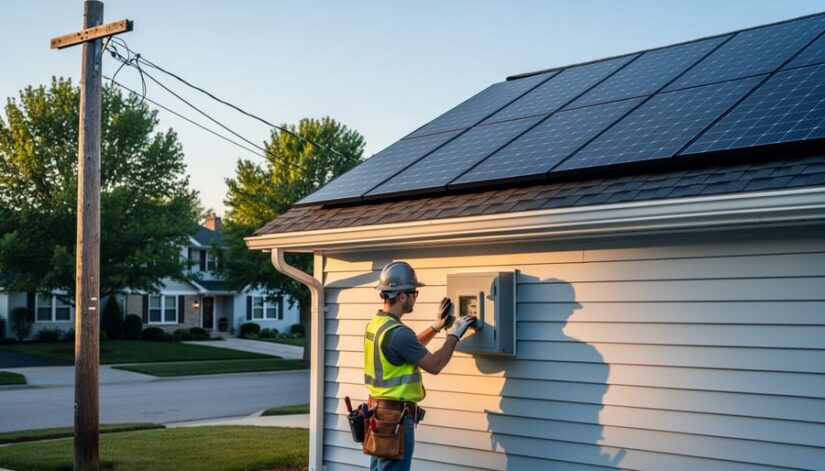
Your solar panels are installed on your roof, but there’s one critical step before they can power your home: utility interconnection. This administrative process connects your solar system to ComEd or Ameren Illinois’s electrical grid, allowing you to send excess energy back and receive credits on your bill through net metering.
In Illinois, interconnection approval typically takes 30 to 90 days after your installer submits the application to your utility company. The timeline depends on your system size, utility workload, and how quickly inspections are completed. Understanding this waiting period helps you set realistic expectations and avoid frustration during what should be an exciting transition to clean energy.
The interconnection process involves multiple parties: your solar installer, local building inspectors, and your utility company. Each must review and approve your system to ensure it meets safety standards and won’t disrupt grid operations. Your installer handles most paperwork, including technical specifications and electrical diagrams, but you’ll need to authorize the application and may need to coordinate inspection access.
Many Illinois property owners underestimate how interconnection delays can impact their solar investment timeline. While your system sits idle waiting for utility approval, you’re still paying your regular electric bill without enjoying solar savings. Working with experienced local solar professionals who understand Illinois-specific utility requirements and maintain strong relationships with ComEd and Ameren can significantly streamline this process and get your system generating power faster.
What Is Utility Interconnection?
Utility interconnection is the formal process that allows your solar energy system to connect to the electrical grid managed by your local utility company—either ComEd or Ameren Illinois, depending on your location. Think of it as establishing a two-way street between your solar panels and the broader power network that serves your community.
When you install solar panels on your property, you’re not just creating your own electricity—you’re becoming part of a larger energy ecosystem. Your solar system generates power during daylight hours, which you use to meet your immediate electricity needs. However, on sunny days, your panels often produce more energy than you’re consuming at that moment. Through utility interconnection, that excess electricity flows back into the grid, benefiting your neighbors and the broader community.
This connection matters tremendously for your financial return on solar investment. Once your system is properly interconnected, you become eligible for net metering, a program that credits you for the surplus energy your system sends to the grid. These credits offset the cost of electricity you draw from the grid when your panels aren’t producing—like at night or during cloudy weather.
The interconnection process ensures your system meets specific technical and safety standards set by your utility and Illinois regulations. This protects both utility workers and your equipment, guaranteeing that electricity flows safely in both directions. Without completing interconnection, your solar panels cannot legally operate, even if they’re fully installed and ready to generate power.
For Illinois property owners, understanding this process is essential because it represents the final administrative step between solar installation and actually benefiting from your renewable energy investment.
The Illinois Interconnection Process: Step by Step
Application Submission and Initial Review
Once your solar panels are installed, your solar installer will handle the interconnection application paperwork on your behalf. This is standard practice and part of their service, ensuring all technical details are accurately represented.
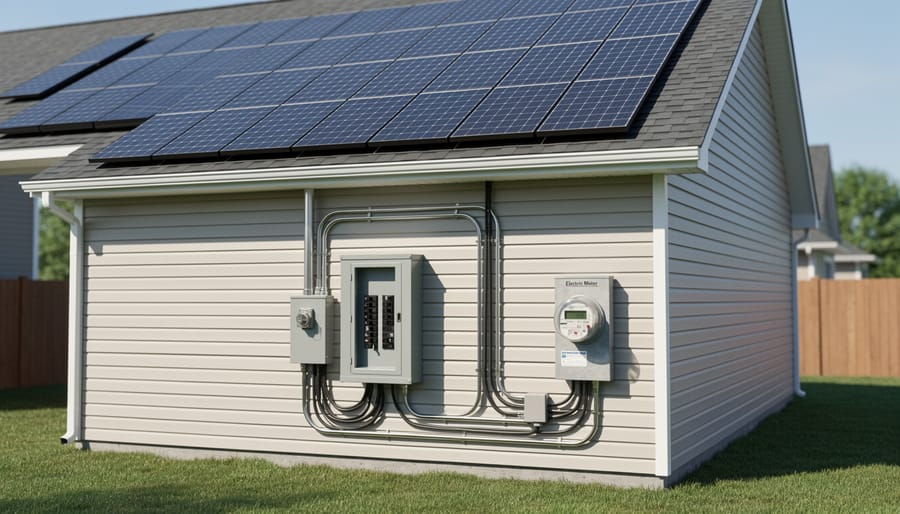
The application package typically includes several key documents. Your utility will need a completed interconnection agreement form, detailed electrical drawings showing how your system connects to the grid, specifications for your inverter and other equipment, and proof that your system meets safety standards. In Illinois, installers must also verify that the system complies with IEEE 1547 standards, which govern how distributed generation connects to the electrical grid.
During the initial review, your utility examines these documents to confirm your solar system is properly sized, safely designed, and won’t negatively impact grid operations in your neighborhood. They’ll check that protective equipment is correctly specified and that your system meets all technical requirements.
Review timelines vary by utility. ComEd generally completes initial application reviews within 15 business days for residential systems under 10 kilowatts, though complex projects may take longer. Ameren Illinois typically processes applications within 20 to 25 business days. These are average timeframes, and actual review periods can be shorter or longer depending on application volume and complexity.
Your installer will communicate with the utility throughout this process, addressing any questions or requested modifications. Working with experienced local solar professionals who understand Illinois utility requirements helps ensure your application is complete and accurate from the start, minimizing delays.
System Inspection and Approval
Before your solar system can begin producing power, it must pass two critical safety inspections that protect you, your property, and the electrical grid. The solar inspection process involves both your local jurisdiction and your utility company, each examining different aspects of the installation.
The local Authority Having Jurisdiction inspection typically comes first. Your municipal or county inspector verifies that the installation meets all building and electrical codes. They examine structural components like roof attachments and racking systems, ensuring they can safely support the panels. Inspectors also check electrical connections, grounding systems, conduit placement, and disconnects to confirm everything meets National Electrical Code standards and local requirements.
Following local approval, your utility company conducts its own inspection focused on interconnection equipment. Utility inspectors verify that inverters meet grid safety standards, examine metering equipment, and confirm that safety mechanisms will properly disconnect your system during grid outages. This prevents dangerous backfeeding that could harm utility workers repairing power lines.
These dual inspections safeguard your investment by confirming professional installation quality. They also protect the broader electrical grid from equipment that could cause disruptions or safety hazards. While the inspection process adds time to your project timeline, working with experienced local solar installers familiar with Illinois requirements helps ensure smooth approvals. Most installations pass inspection on the first attempt when completed by qualified professionals who understand both local codes and utility specifications.
Permission to Operate (PTO)
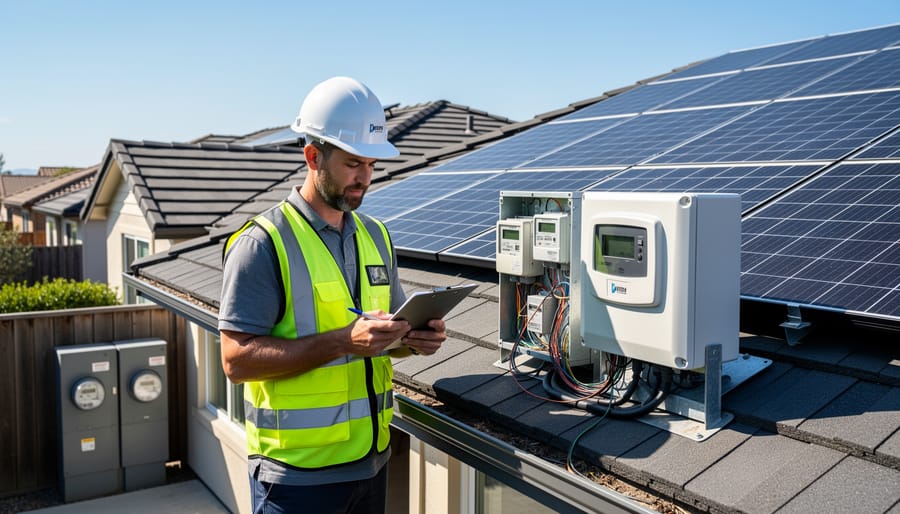
Permission to Operate is the final authorization from your utility company that officially allows you to turn on your solar energy system and begin generating power. Think of it as the finish line in your interconnection journey. After your system passes inspection and all paperwork is approved, your utility issues this critical document confirming that your solar installation meets their safety standards and grid connection requirements.
This permission isn’t just a formality. It protects both you and the electrical grid. Your PTO confirms that your system won’t cause power quality issues, that safety mechanisms are properly installed, and that metering is correctly configured to track the energy you produce and consume. In Illinois, most utilities require this explicit approval before you can flip the switch on your system.
Once you receive your PTO, you can immediately begin operating your solar panels and start seeing the benefits of clean energy generation. Your system will produce electricity during daylight hours, reducing your utility bills and potentially earning credits through net metering programs. The wait is finally over, and your investment begins paying dividends.
However, operating your solar system before receiving PTO can lead to serious consequences. Utilities may impose penalties, disconnect your system entirely, or refuse to credit you for energy produced during unauthorized operation. Some Illinois utility companies conduct random checks and take violations seriously. Beyond financial penalties, operating without permission could void warranties or create liability issues if your system causes grid problems.
The timeline for receiving PTO varies by utility, typically ranging from a few days to several weeks after your final inspection. Working with experienced solar installers familiar with Illinois utilities helps ensure all documentation is complete and accurate, minimizing delays in receiving this essential approval.
Common Delays and How to Avoid Them
The path to solar energy in Illinois isn’t always as quick as homeowners hope, and understanding common delays can help you set realistic expectations and take proactive steps to keep your project on track.
Incomplete or inaccurate paperwork ranks as the leading cause of interconnection delays. When your utility company receives an application with missing documentation, incorrect technical specifications, or outdated forms, they’ll send it back for corrections. This adds weeks to your timeline. Working with experienced solar installers who understand Illinois utility requirements ensures your application package is complete and accurate from the first submission.
Utility processing backlogs create another significant bottleneck, especially in areas where solar adoption is growing rapidly. Some Illinois utilities are experiencing unprecedented application volumes, which can extend review periods beyond their standard timelines. While you can’t control utility staffing levels, you can improve your position by submitting applications during less busy periods and maintaining regular communication with your utility representative.
Equipment specification mismatches occur when the installed system doesn’t align with what was approved in the interconnection application. Perhaps inverter models changed due to supply chain issues, or panel configurations were adjusted during installation. Any deviation requires resubmission and additional review time. Preventing this delay means coordinating closely with your installer to ensure any equipment changes are communicated to the utility before installation begins.
Meter availability sometimes creates unexpected holdups. Even after approval, you might wait several weeks for your utility to schedule the meter swap necessary for net metering. This is particularly common during peak installation seasons in spring and fall. Ask your installer about typical meter installation timeframes in your service area when planning your project timeline.
Permission to operate can be delayed if final inspections reveal issues or if your utility requires additional documentation after installation. The key to avoiding delays at this stage is thorough preparation and choosing installers with proven track records in your utility territory.
Locally owned solar companies with Illinois expertise understand regional utility requirements and have established relationships with utility interconnection departments. These connections often translate into smoother processing and faster problem resolution when issues arise.
Illinois-Specific Interconnection Requirements
Illinois has established a robust solar framework with specific interconnection requirements that vary depending on your location and system size. Understanding these nuances helps streamline your path to generating clean energy.
The state divides interconnection primarily between two utility territories: ComEd, serving northern Illinois including the Chicago metropolitan area, and Ameren Illinois, covering central and southern regions. While both utilities follow Illinois Commerce Commission regulations, their application processes and timelines can differ. ComEd typically processes smaller residential systems within 30 to 45 days, while Ameren’s timeline may extend slightly longer depending on application volume.
System size determines your interconnection pathway. Projects under 10 kilowatts generally qualify for expedited review with simplified paperwork. Systems between 10 and 25 kilowatts require additional technical documentation but still follow a streamlined process. Commercial installations exceeding 25 kilowatts face more comprehensive engineering studies and potentially longer approval timelines, sometimes requiring system upgrades at the interconnection point.
The Illinois Shines program and its Adjustable Block Program directly impact interconnection timing. Before your system receives interconnection approval, you’ll need proof of program acceptance to secure incentive payments. Your solar installer must submit your project for program approval, receive a contract designation, and coordinate this with utility interconnection applications. This dual-track process requires careful timing—starting interconnection too early without program acceptance can create complications, while waiting too long delays your system activation.
Illinois regulations mandate that utilities cannot unreasonably delay interconnection for qualifying systems. Net metering agreements, automatically included with interconnection approval for systems under 40 kilowatts, ensure you receive credit for excess energy sent to the grid. Working with experienced local solar providers familiar with both utility territories and state program requirements significantly reduces paperwork errors and accelerates approval, helping you start saving on energy costs sooner while contributing to Illinois’ renewable energy goals.
What Your Solar Installer Should Handle
A professional solar installer should manage the vast majority of the utility interconnection process, allowing you to focus on other aspects of your property. From start to finish, your contractor handles the technical documentation, submits application packages to your utility provider, and coordinates all necessary inspections. This includes preparing detailed system specifications, electrical diagrams, and engineering documentation that ComEd or Ameren requires for approval.
Your installer will also navigate the specific forms and procedures unique to each Illinois utility company, track application status, and respond to any utility questions or requests for additional information. They’ll schedule the final utility inspection and ensure all equipment meets safety and performance standards before interconnection approval.
As the property owner, your responsibilities are typically limited to signing authorization forms that allow your installer to act on your behalf with the utility company. You’ll also need to review and approve the interconnection agreement that outlines your rights and responsibilities as a solar energy producer. Additionally, you may need to provide utility account information and property documentation.
Working with a locally owned installer who has established relationships with ComEd and Ameren offers significant advantages. These experienced professionals understand Illinois-specific requirements and can often expedite the approval process through their existing utility contacts. They’re familiar with common issues that arise during the solar installation process and know how to resolve them efficiently, saving you time and reducing potential delays in activating your solar system.

Navigating the utility interconnection process may seem complex with its multiple steps, approvals, and various stakeholders, but you don’t have to figure it out alone. Working with experienced, locally owned solar professionals who understand Illinois regulations and have established relationships with utilities makes the entire journey significantly more manageable. These experts handle the technical documentation, coordinate inspections, and keep your project moving forward while you focus on the exciting prospect of generating clean energy.
When evaluating potential solar installers, ask specific questions about their interconnection track record. How many systems have they successfully connected in your utility territory? What are their typical timelines from installation to permission to operate? Do they have dedicated staff who manage the interconnection process? Their answers will reveal whether they’re prepared to guide you smoothly through this critical phase.
Your solar investment deserves careful planning from start to finish. By understanding the interconnection process and choosing a knowledgeable partner with proven expertise in solar energy, you’re setting yourself up for a successful transition to renewable power. Take the time to make informed decisions, and you’ll soon be enjoying the benefits of your own solar energy system.
