

How the Power Distribution Grid Brings Electricity to Your Illinois Home
Every time you flip a light switch or charge your phone, you’re tapping into one of the most sophisticated infrastructure networks ever built—the power distribution grid. This intricate system of wires, transformers, and substations delivers electricity from massive generation facilities to your front door, evolving dramatically since Thomas Edison’s first DC networks illuminated New York City streets in the 1880s.
Understanding how the grid works matters more than ever for Illinois property owners, especially as solar energy transforms from alternative technology to mainstream power source. The grid isn’t just delivering electricity to your home—it’s becoming a two-way street where your solar panels can send excess energy back into the system, reducing your utility bills while supporting your community’s energy needs.
Modern distribution grids represent the final stage of electricity’s journey, stepping down high-voltage transmission power to the 120/240 volts your appliances require. In Illinois, this network connects your property to diverse generation sources, from nuclear plants providing baseload power to wind farms across the prairies. The evolution of energy systems has brought us to an exciting crossroads where smart grid technology, renewable energy integration, and distributed generation are reshaping how we think about electricity distribution. For anyone considering solar installation, grasping these fundamentals helps you make informed decisions about how your system will interact with existing infrastructure.
What Is a Power Distribution Grid?
The Three Stages of Power Delivery
The journey of electricity from power plants to your Illinois home or business happens in three distinct stages, each operating at different voltage levels to ensure safe and efficient delivery.
The first stage is generation, where electricity is produced at power plants—whether traditional facilities or renewable sources like solar farms. This electricity begins at relatively moderate voltage levels, typically between 2,400 and 25,000 volts.
Next comes transmission, the long-distance transportation phase. Here, electricity is stepped up to extremely high voltages—often between 138,000 and 765,000 volts—using large transformers. These high voltages are necessary because they reduce energy loss during transmission across long distances. You’ve likely seen transmission lines supported by tall metal towers carrying power across the countryside. While this seems counterintuitive, higher voltages actually make long-distance electricity transport more efficient.
The final stage is distribution, which is most relevant to homeowners and businesses considering solar energy. This is where electricity voltage is stepped down through a series of transformers to levels safe for everyday use. Distribution begins at substations, where voltage is reduced to between 4,000 and 35,000 volts for local distribution lines. Then, smaller transformers—like those cylindrical units you see mounted on utility poles—further reduce voltage to the standard 120/240 volts that enter your property.
Understanding this distribution stage is particularly important for solar customers in Illinois, as your solar panels will connect to this same distribution network, allowing you to both draw power when needed and send excess energy back to the grid.
Key Components of Your Local Grid
As you drive through Illinois neighborhoods, you’ll notice several key components that make up your local power distribution grid. Understanding these elements helps clarify how electricity reaches your home or business, and how solar energy systems connect to this infrastructure.
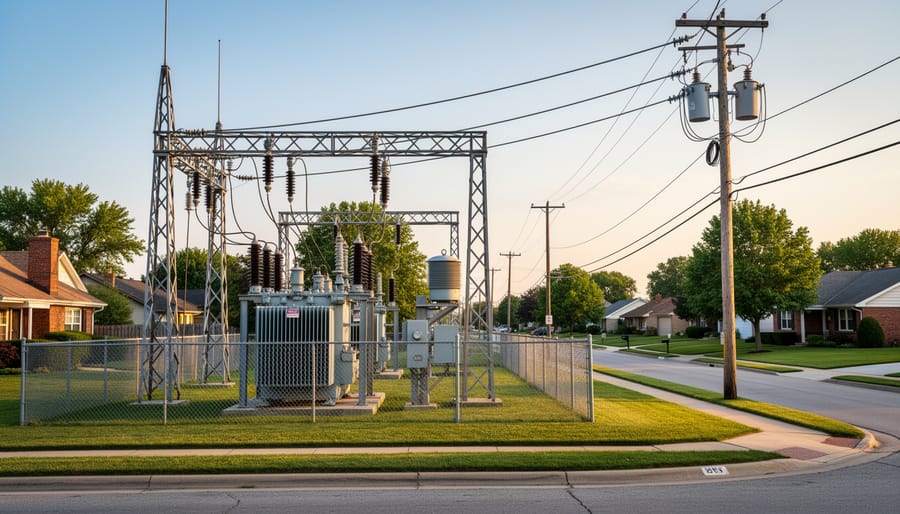
Substations are the large fenced facilities you might see near highways or in industrial areas. These installations step down high-voltage electricity from transmission lines to lower voltages suitable for local distribution. Think of them as the gateway between the regional power network and your community.
Distribution lines are the power lines you see along streets and alleys throughout Illinois. These lines carry electricity from substations to individual properties at voltages typically ranging from 4,000 to 35,000 volts. You’ll notice both overhead lines on utility poles and underground cables in newer developments.
Transformers are the cylindrical devices mounted on utility poles or sitting in metal boxes at ground level. These critical components reduce voltage one final time, converting distribution-level electricity to the 120/240 volts used in homes and most businesses. Every property connects to at least one transformer.
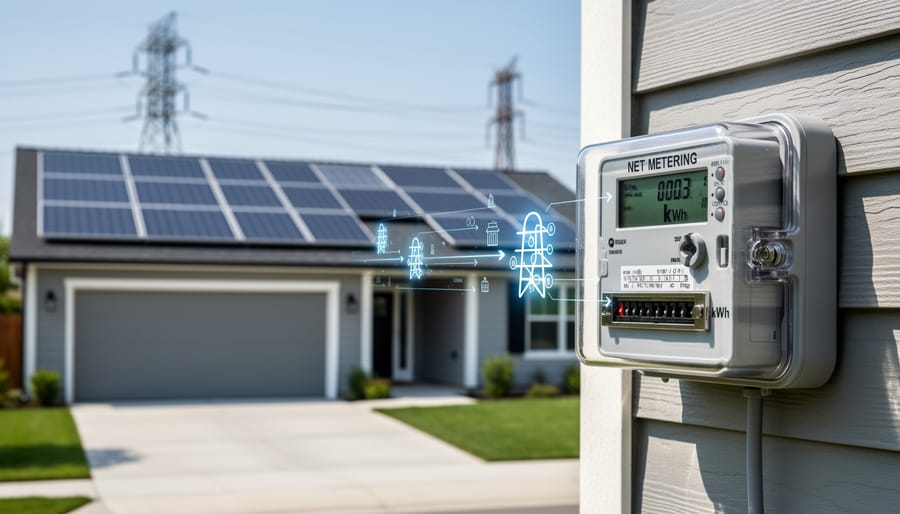
Electric meters, mounted on the exterior of buildings, measure your electricity consumption. For solar customers, these meters often run bidirectional, tracking both the power you draw from the grid and the excess energy your solar panels send back. This two-way flow represents how modern grid infrastructure supports renewable energy integration while maintaining reliable service for all customers.
From Edison’s Direct Current to Alternating Current Dominance
Why Direct Current Lost the Battle
While direct current powered early electrical systems successfully, it faced significant challenges that ultimately favored alternating current for widespread power distribution. The primary issue was voltage transformation. DC systems required power plants located within about one mile of customers because electricity loses energy when traveling long distances at low voltages. To reduce these losses, you need higher voltages for transmission, but early DC technology lacked an efficient way to step voltage up for long-distance travel and then step it back down for safe home use.
This meant cities needed multiple small power stations scattered throughout neighborhoods rather than a few large, efficient generating facilities. The cost and complexity made DC impractical as electricity demand grew. Thomas Edison’s original DC system operated at 110 volts, which created substantial power losses over even short distances. When alternating current emerged with transformers that could easily change voltage levels, it became possible to transmit electricity at high voltages across many miles with minimal losses, then reduce it to safe levels for homes and businesses. This efficiency advantage proved decisive, establishing the AC grid infrastructure that still serves us today and connects modern solar installations to the broader electrical network.
The Alternating Current Revolution
In the late 1800s, alternating current (AC) power emerged as the solution to early electricity distribution challenges. Unlike direct current, AC power could travel efficiently over long distances without significant energy loss, making it ideal for reaching homes and businesses across wide geographic areas.
The game-changing advantage of AC was its compatibility with transformers. These devices could easily step voltage up for long-distance transmission and step it down for safe use in buildings. This capability meant power plants could be located farther from population centers, transmitting electricity at high voltages to reduce line losses, then converting it to lower, safer voltages for local distribution.
By the early 1900s, AC became the standard for power grids across the United States, including Illinois. This infrastructure laid the foundation for the modern electrical system we rely on today. For homeowners and businesses considering solar energy, understanding this AC-based grid is essential because your solar panels will generate DC power that must be converted to AC through an inverter to integrate with the existing distribution system and power your property.
How Modern Power Distribution Works in Illinois
The Journey from Power Plant to Your Property
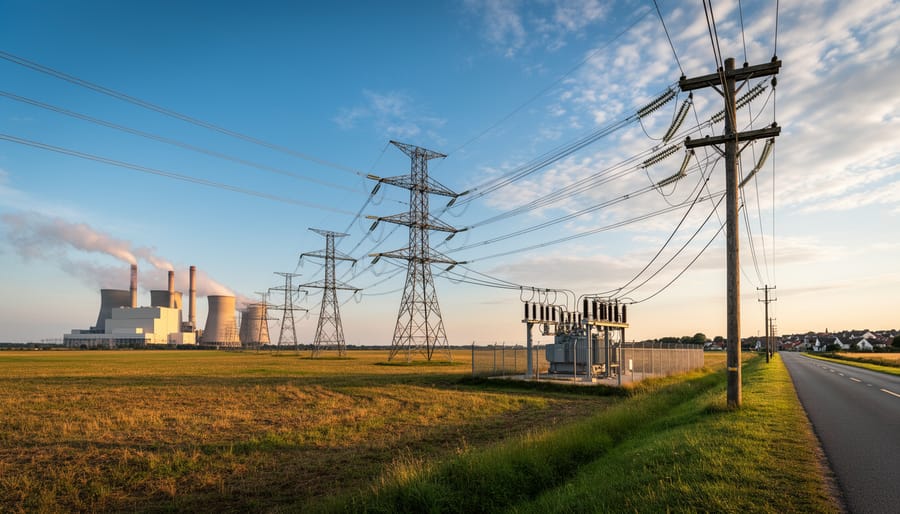
Your electricity’s journey begins at a power plant—perhaps a natural gas facility in Joliet or a wind farm in central Illinois. Here, massive generators produce electricity at extremely high voltages, typically between 13,000 and 24,000 volts. However, to efficiently transport this power across long distances with minimal energy loss, utilities must first step up the voltage dramatically.
This is where transmission lines enter the picture. You’ve likely seen these towering metal structures along Interstate 55 or crossing farmland throughout the state. These transmission lines carry electricity at voltages ranging from 69,000 to 765,000 volts, moving power from generation sites to population centers. Think of them as the interstate highway system for electricity.
As power approaches communities like Springfield, Peoria, or the Chicago suburbs, it reaches transmission substations. These facilities house transformers that step down voltage to safer, more manageable levels between 2,400 and 34,500 volts. From here, electricity enters the distribution system, traveling along smaller poles and lines you see throughout residential neighborhoods and commercial districts.
Local distribution substations further reduce voltage to standard household levels—120 and 240 volts—before the final leg of the journey. The familiar cylindrical transformers mounted on utility poles or pad-mounted boxes in your neighborhood complete this voltage transformation.
Finally, electricity travels through service lines into your property, passing through your meter which tracks consumption, and into your electrical panel. From there, it flows through your home’s wiring to power everything from lights to appliances. For solar-equipped properties, this connection becomes bidirectional, allowing excess solar generation to flow back onto the grid, benefiting both you and your community.
Managing Load and Maintaining Reliability
Utilities face the constant challenge of balancing electricity supply with demand in real-time. Unlike most products, electricity can’t be easily stored in large quantities, so power generation must match consumption at every moment. Grid operators monitor the system 24/7, adjusting power output from various sources to meet changing needs throughout the day.
Peak loads occur when demand spikes, typically during hot summer afternoons in Illinois when air conditioners run at full capacity. Utilities prepare for these periods by bringing additional power plants online or purchasing electricity from neighboring regions. This balancing act becomes more complex but also more efficient as renewable sources like solar energy enter the mix, since distributed solar systems can actually help reduce peak demand by generating power during sunny afternoons when consumption is highest.
Grid stability depends on maintaining proper voltage and frequency across the entire network. When equipment fails, weather events cause damage, or demand suddenly exceeds supply, automatic systems detect the problem and isolate affected areas to prevent cascading failures. This is why outages sometimes affect entire neighborhoods rather than individual homes.
Recovery involves systematically restoring power, starting with critical infrastructure like hospitals, then expanding outward. Modern smart grid technology allows utilities to identify problems faster and reroute power more efficiently. For solar system owners, understanding these processes helps explain why grid-connected systems typically shut down during outages as a safety measure to protect utility workers making repairs.
The Evolution Toward Smart Grids
What Makes a Grid ‘Smart’?
A “smart” grid represents a significant technological leap from traditional power distribution systems. While conventional grids operate as one-way streets—simply delivering electricity from power plants to your home or business—smart grids function more like interactive networks that communicate in both directions.
The key difference lies in digital communication technology. Smart grids use sensors, meters, and automated controls throughout the system to constantly monitor electricity flow. This real-time monitoring allows utility companies to detect problems instantly, often fixing issues before customers even notice disruption. For example, if a tree branch falls on a power line, the smart grid can automatically reroute electricity around the damaged section.
Another defining feature is two-way power flow. This capability is particularly important for solar energy users in Illinois. When your solar panels generate more electricity than you need, the smart grid can safely accept that excess power back into the system, crediting your account through net metering programs. Traditional grids weren’t designed to handle this reverse flow of electricity.
Smart grids also include automated controls that balance supply and demand more efficiently. During peak usage times, the system can make micro-adjustments to prevent overload. Smart meters at your property communicate your actual energy usage patterns, enabling more accurate billing and helping you identify opportunities to reduce consumption and costs. This technological infrastructure creates an ideal environment for integrating renewable energy sources like solar power into our everyday electrical system.
Advanced Metering and Real-Time Data
Smart meters represent a significant leap forward in how electricity usage is monitored and managed across modern distribution grids. Unlike traditional meters that require manual reading, these digital devices communicate usage data automatically to utility companies in real-time, creating a two-way flow of information between your property and the grid.
For homeowners and businesses in Illinois, smart meters bring tangible benefits. They enable utilities to detect power outages instantly, often before customers even report them, leading to faster restoration times. The detailed consumption data these meters provide helps you understand exactly when and how you use electricity, making it easier to identify opportunities to reduce costs. Many utilities now offer dynamic pricing programs based on smart meter data, allowing customers to take advantage of lower rates during off-peak hours.
The real-time monitoring capabilities are particularly valuable for solar energy system owners. Smart meters can track both the electricity you draw from the grid and the excess power your solar panels send back, ensuring accurate net metering credits. This bidirectional measurement is essential for maximizing your solar investment returns.
Utilities benefit too, gaining better visibility into grid performance and energy flow patterns. This information helps them balance supply and demand more effectively, prevent equipment failures through predictive maintenance, and reduce operational costs. As locally owned Illinois energy providers continue modernizing their infrastructure, smart meters are becoming the foundation for a more efficient, reliable, and solar-friendly power distribution system that benefits everyone connected to it.
Self-Healing Capabilities and Improved Reliability
Smart grids represent a significant leap forward in reliability for Illinois property owners. Unlike traditional systems that might leave entire neighborhoods in the dark during equipment failures, modern smart grids can detect problems in real-time and automatically reroute power around damaged sections. Think of it like GPS navigation for electricity—when one route becomes blocked, the system finds an alternative path.
When a tree falls on power lines during severe Illinois weather, smart grid sensors immediately identify the location and scope of the problem. The system then isolates the affected area and redirects power through alternate routes, often restoring service to most customers within minutes rather than hours. For homeowners with solar panels, this technology becomes even more valuable. Your solar system can continue supplying power to your home during grid disturbances, and in some cases, excess energy can help stabilize the local grid for your neighbors.
Utility companies can also predict potential equipment failures before they happen by monitoring performance patterns, allowing them to schedule preventive maintenance during convenient times rather than responding to emergency outages. This proactive approach means fewer interruptions to your daily life and business operations.
Why Smart Grids Matter for Solar Energy in Illinois
Two-Way Power Flow and Net Metering
Traditional power grids were designed for one-way electricity flow, from power plants to your home or business. However, smart grids have transformed this model by enabling two-way power flow. This means that when your solar panels generate more electricity than you need, that excess power can flow back into the grid for others to use.
This bidirectional capability is essential for solar energy systems. During sunny days, your solar panels might produce more electricity than your property requires. Instead of wasting this excess energy, the smart grid allows it to flow back through your meter to the distribution network, where it benefits your neighbors and community.
Net metering is the policy that makes this exchange financially beneficial for solar system owners. In Illinois, net metering programs allow you to receive credits on your utility bill for the excess electricity your solar system sends to the grid. When your panels produce more than you consume, your meter essentially runs backward, creating credits. During periods when your system produces less electricity than needed, such as at night or on cloudy days, you draw from the grid and use those accumulated credits.
Illinois has strong net metering policies that protect solar customers. The state requires utilities to offer net metering to eligible customers, ensuring that homeowners and businesses receive fair compensation for their contributions to the grid. This arrangement can significantly reduce or even eliminate your monthly electricity bills, depending on your system size and energy consumption patterns.
For Illinois property owners, net metering combined with modern grid infrastructure creates a win-win situation. You gain energy independence and cost savings while supporting a cleaner, more resilient power distribution system for your entire community.
Managing Variable Renewable Energy Sources
Smart grids have revolutionized how we manage renewable power by addressing one of solar energy’s biggest challenges: its variable nature. Since the sun doesn’t shine 24/7, modern distribution systems need sophisticated tools to ensure reliable electricity delivery.
Advanced forecasting systems now predict solar generation patterns with remarkable accuracy. By analyzing weather data, cloud movements, and historical production trends, grid operators can anticipate when solar panels will generate more or less power. This allows them to prepare backup sources or shift loads accordingly, ensuring your lights stay on even when clouds roll in.
Battery storage integration represents another game-changer for solar viability. Smart grids can automatically direct excess solar energy into storage systems during peak production hours, then release that stored power during evening demand spikes. This capability transforms solar from an intermittent resource into a dependable energy source.
Load balancing technology intelligently manages electricity demand across the grid. When solar production is high, smart systems can signal compatible devices to operate, such as charging electric vehicles or running industrial equipment. This maximizes the use of clean energy when it’s most abundant.
For Illinois property owners considering solar installation, these smart grid capabilities mean your investment delivers greater value. Successful renewable energy integration through modern distribution networks ensures that every kilowatt-hour your panels produce gets used efficiently, whether powering your property immediately, storing for later use, or feeding back into the grid for credit.
Benefits for Illinois Solar System Owners
Illinois solar system owners gain substantial advantages from modern power distribution grid infrastructure, whether residential, commercial, or industrial installations. Understanding these benefits helps property owners maximize their solar investment while contributing to grid stability.
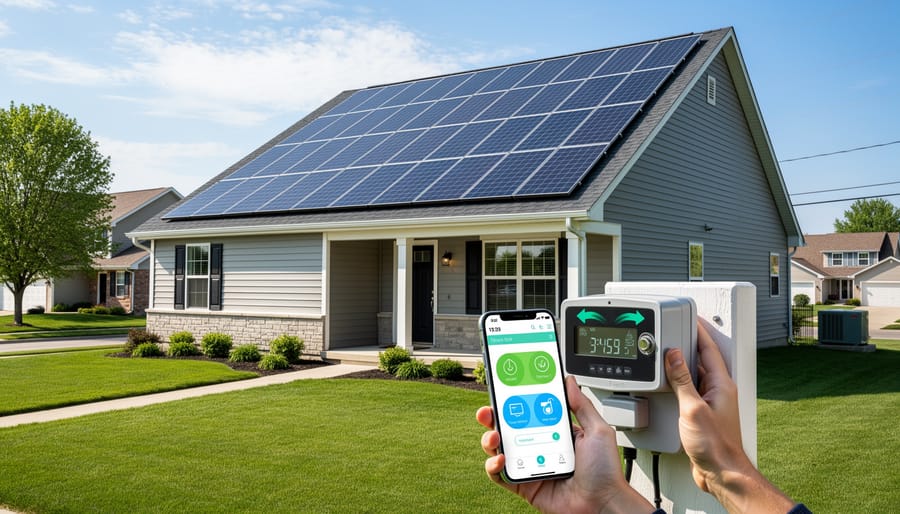
Grid integration has become significantly smoother with smart grid technology. Advanced metering infrastructure allows real-time monitoring of your solar system’s production and consumption patterns, enabling you to optimize energy usage throughout the day. This two-way communication between your property and the utility grid ensures seamless power flow, whether you’re generating excess electricity or drawing from the grid during low production periods.
Commercial and industrial solar customers particularly benefit from improved load management capabilities. Smart grid systems help businesses shift energy-intensive operations to peak solar production hours, reducing utility costs while supporting grid efficiency. These capabilities contribute to energy independence and provide greater control over operational expenses.
Illinois solar owners can access various incentive programs designed to reward grid-friendly solar installations. Net metering policies allow you to receive credits for excess electricity your system feeds back into the distribution grid, effectively using the grid as virtual storage. Enhanced monitoring systems also provide detailed performance data, helping identify maintenance needs quickly and ensuring your system operates at maximum efficiency year-round.
As a locally owned company with expertise in solar energy, we help Illinois property owners navigate these grid integration benefits, ensuring your solar system delivers optimal performance while supporting community-wide grid modernization efforts.
Challenges Facing the Modern Distribution Grid
Today’s power distribution grid faces several important challenges as it adapts to meet changing energy needs. Understanding these challenges helps explain why grid modernization is essential and how renewable energy solutions like solar can actually help address some of these issues.
One of the primary challenges is aging infrastructure. Many components of Illinois’ distribution grid were installed decades ago and are reaching the end of their designed lifespan. Transformers, power lines, and substations require ongoing maintenance and eventual replacement to ensure reliable service. This presents significant investment needs for utility companies, but it also creates opportunities to build smarter, more efficient systems from the start.
The integration of renewable energy sources, particularly solar, presents both challenges and opportunities. Traditional grids were designed for one-way power flow from large central plants to consumers. However, when homes and businesses generate their own solar electricity, power can flow in both directions. This requires utilities to upgrade equipment and implement new management systems to handle variable generation patterns. While this demands adaptation, it’s important to note that these upgrades ultimately create a more flexible and resilient grid.
Cybersecurity has emerged as a critical concern as distribution systems become more digital and interconnected. Protecting grid infrastructure from cyber threats requires ongoing investment in security systems and protocols. Utilities across Illinois are working diligently to implement robust protections while maintaining the connectivity that enables smart grid benefits.
Meeting growing electricity demand while transitioning to cleaner energy sources requires substantial capital investment. However, distributed solar generation can actually reduce strain on the distribution grid by generating power close to where it’s used, potentially delaying or eliminating the need for expensive infrastructure upgrades in some areas.
These challenges represent a natural evolution as our electrical infrastructure adapts to serve modern needs while incorporating cleaner, more sustainable energy sources.
What This Means for Your Property
Understanding how Illinois’ power distribution grid works empowers you to make smarter decisions about your property’s energy future. When you’re considering solar energy, knowing the infrastructure that will connect your system to the broader electrical network helps set realistic expectations and clarify the installation process.
For homeowners, this knowledge means understanding that your solar panels will interact with the local distribution system through a bidirectional meter. This allows you to draw power when needed and send excess electricity back to the grid, potentially earning credits through net metering programs available in Illinois. Knowing whether your property is served by overhead lines or underground cables can help you anticipate installation timelines and any necessary utility coordination.
Business owners benefit from understanding grid capacity in their area. Commercial solar installations typically require detailed interconnection studies to ensure the local distribution system can handle the additional power generation. Being familiar with grid terminology and processes helps you communicate effectively with utility companies and installers, streamlining approvals and reducing project delays.
Industrial facilities with larger energy demands need to consider how their solar systems will integrate with both the distribution grid and any on-site microgrids or backup systems. Understanding voltage levels, transformer requirements, and interconnection points helps facility managers plan installations that maximize efficiency and reliability.
Regardless of property type, comprehending the grid’s evolution toward smart technology means you’ll be better positioned to take advantage of emerging opportunities like time-of-use rates, demand response programs, and energy storage incentives. As Illinois continues modernizing its electrical infrastructure, properties equipped with solar energy systems are well-positioned to benefit from these advancements while contributing to a more resilient, sustainable power distribution network.
The evolution of America’s power distribution grid from early DC systems to today’s intelligent smart grid infrastructure has created unprecedented opportunities for renewable energy integration. This transformation represents more than just technological progress—it reflects a fundamental shift in how we generate, distribute, and consume electricity. For Illinois residents and businesses, understanding this grid evolution is essential when considering solar energy adoption.
Modern smart grid technology has effectively solved the challenges that once limited renewable energy integration. Real-time monitoring, advanced metering infrastructure, and bidirectional power flow capabilities mean your solar panels can work seamlessly with the existing electrical system. The grid that once relied solely on centralized power plants now welcomes distributed generation from homes and businesses across Illinois.
This energy transition positions solar energy as a practical, economically sensible choice rather than an experimental technology. The infrastructure supporting your property is ready for solar integration, with net metering policies and grid interconnection standards designed to make the process straightforward.
As a locally owned company with deep expertise in solar energy, Illinois Renewables understands both the technical requirements and the local context of connecting solar systems to our state’s distribution grid. We’re here to help you navigate this transition confidently.
Looking ahead, grid infrastructure will continue evolving to accommodate increasing renewable energy generation. By choosing solar now, you’re not just reducing energy costs—you’re participating in the future of electricity distribution while contributing to a more resilient, sustainable power system for Illinois communities.
