
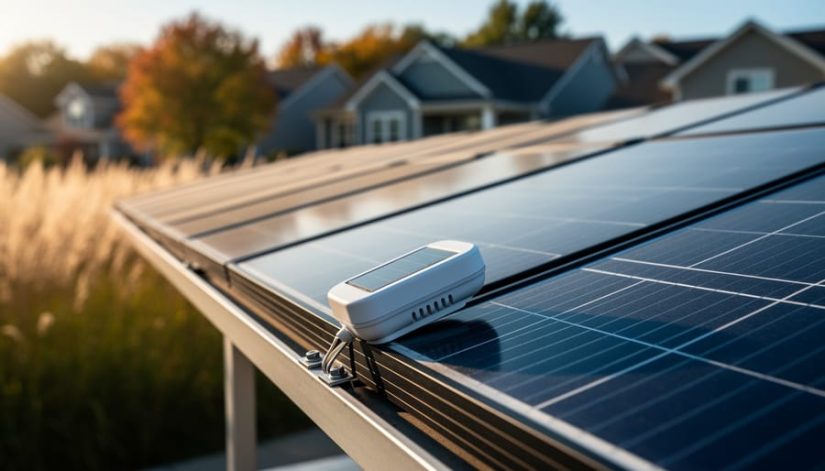
How Zero Energy Devices Are Transforming Solar Monitoring in Illinois
Your solar panels generate clean energy around the clock, but monitoring their performance shouldn’t require draining that very energy you’re working to produce. Zero energy devices represent a breakthrough in IoT-enabled renewable energy monitoring, using self-powered sensors and wireless technology to track your system’s output without tapping into your electrical supply or requiring battery replacements.
These innovative monitoring solutions harvest energy from their environment—whether through miniature solar cells, vibration, or radio frequency energy—to power themselves indefinitely. For Illinois solar system owners, this means continuous performance tracking without added electricity costs, maintenance visits, or the environmental impact of disposable batteries. The technology eliminates a common pain point: monitoring devices that ironically consume the energy you’re trying to save.
Understanding how zero energy devices work and integrate with your solar investment can transform your ability to maximize returns. These self-sustaining sensors provide real-time data on panel efficiency, shading issues, and system degradation, allowing you to catch problems before they significantly impact your energy production. In Illinois, where weather patterns and seasonal variations affect solar output, this constant visibility becomes particularly valuable for protecting your investment and ensuring optimal performance year-round. The question isn’t whether these devices are worth implementing, but rather how quickly you can start benefiting from maintenance-free, perpetual monitoring of your renewable energy system.
What Are Zero Energy Devices and How Do They Work?
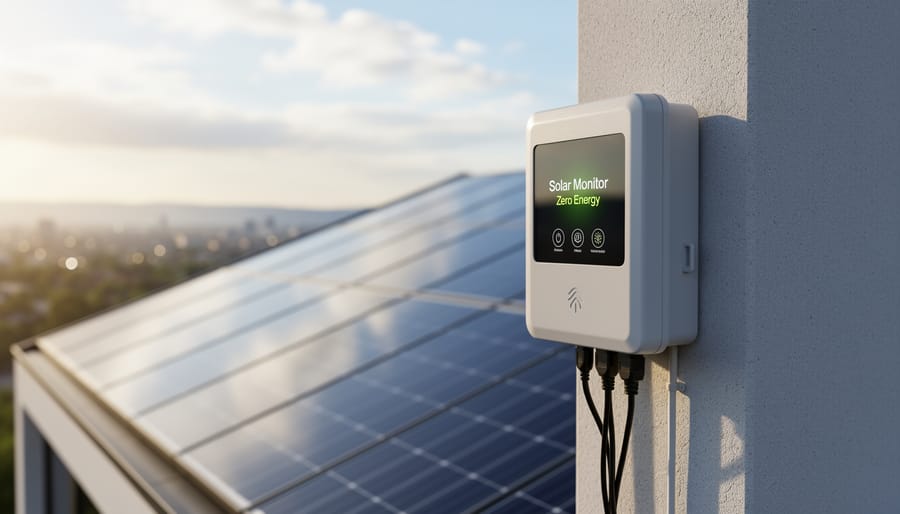
Energy Harvesting Technologies Explained
Zero energy devices tap into ambient energy sources around them to stay powered indefinitely without batteries or electrical connections. The most common method for Illinois solar applications is photovoltaic cells—miniature versions of the panels on your roof. These tiny cells convert even indoor lighting into usable electricity, making them perfect for monitoring equipment in lower-light conditions.
Thermoelectric generators offer another approach by converting temperature differences into power. When one side of the device is warmer than the other—such as a sensor mounted on equipment that heats up during operation—it generates a small electrical current. This works particularly well for monitoring inverters and other solar components that naturally produce heat.
Piezoelectric elements generate electricity from mechanical stress or vibration. While less common in stationary solar monitoring, these can power devices in areas with consistent vibration, such as near HVAC systems or in commercial facilities with regular foot traffic.
For homeowners and businesses in Illinois, photovoltaic-based energy harvesting typically provides the most reliable solution for solar monitoring equipment. These self-powered sensors eliminate wiring complexity and maintenance concerns while providing continuous performance data about your solar investment.
The Role of Ultra-Low Power Electronics
Modern zero energy devices take advantage of remarkable advances in ultra-low power electronics that have transformed what’s possible in solar monitoring. Today’s sensors and microprocessors can operate on incredibly small amounts of energy—sometimes just microwatts—making them perfect candidates for self-powered operation through energy harvesting.
These electronics achieve such efficiency through specialized chip designs that minimize power consumption while maintaining full functionality. For example, advanced sensors can take accurate measurements of your solar panel output, voltage, and environmental conditions while drawing less power than it takes to illuminate a single LED light. Between measurements, these devices enter sleep modes that consume almost no energy at all.
This technological breakthrough is what makes continuous solar system monitoring practical without external power sources. Your monitoring equipment can track performance 24/7, sending data wirelessly to your smartphone or computer, all while powered by the ambient light and energy already present at your installation site. For Illinois homeowners and businesses, this means gaining valuable insights into system performance without adding to your electricity consumption or maintenance requirements. The result is truly independent monitoring that works as long as your solar installation does, with no batteries to replace or wires to run.
Why Zero Energy Monitoring Matters for Your Solar Investment
Lower Total Cost of Ownership
Zero energy devices deliver significant cost savings over their lifespan by eliminating the need for batteries and external power infrastructure. For Illinois solar customers, this translates to reduced maintenance expenses and simplified system management. Traditional monitoring systems require periodic battery replacements, which add up over time when you consider labor costs, disposal fees, and replacement parts across multiple sensors.
By harvesting energy from their environment—whether through small solar panels, thermal differences, or vibration—these devices operate indefinitely without consumables. This self-sufficient approach means fewer service calls, no battery disposal concerns, and lower long-term operating costs. For businesses managing multiple monitoring points across large solar installations, the savings multiply quickly.
The reduced complexity also minimizes potential failure points in your monitoring system. Without batteries to degrade or external wiring to maintain, zero energy devices offer greater reliability and require less technical expertise to manage. This simplicity is particularly valuable for homeowners who want dependable solar monitoring without ongoing technical maintenance demands.
Enhanced System Reliability Through Continuous Monitoring
One of the most valuable advantages of zero energy devices in solar monitoring is their ability to provide continuous, uninterrupted data collection without relying on external power sources or battery replacements. These self-powered sensors keep working around the clock, ensuring you never miss critical information about your solar system’s performance.
This constant monitoring creates an early warning system for your solar investment. Self-powered sensors can detect subtle changes in energy production, equipment temperature, or system efficiency that might signal developing issues. For example, if a solar panel begins underperforming due to a manufacturing defect or developing electrical connection problem, the monitoring system alerts you immediately—often weeks or months before the issue becomes visible or causes significant energy loss.
For Illinois property owners, this proactive approach is particularly valuable during our varied weather conditions. Self-powered monitors can identify when snow accumulation, storm damage, or seasonal debris affects system performance, allowing you to address problems quickly and maintain optimal energy production year-round.
The reliability of zero energy devices eliminates a common weakness in traditional battery-powered sensors: the risk of monitoring gaps during battery failure. When conventional sensors lose power, you’re essentially flying blind, potentially missing critical performance data during that downtime. Self-powered devices eliminate this vulnerability entirely.
This continuous vigilance translates directly to cost savings. By catching small problems early—before they escalate into expensive repairs or extended downtime—these monitoring systems often pay for themselves through prevented losses and maintained system efficiency throughout your solar array’s 25-plus year lifespan.
Real-World Applications in Illinois Solar Installations
Residential Solar Monitoring
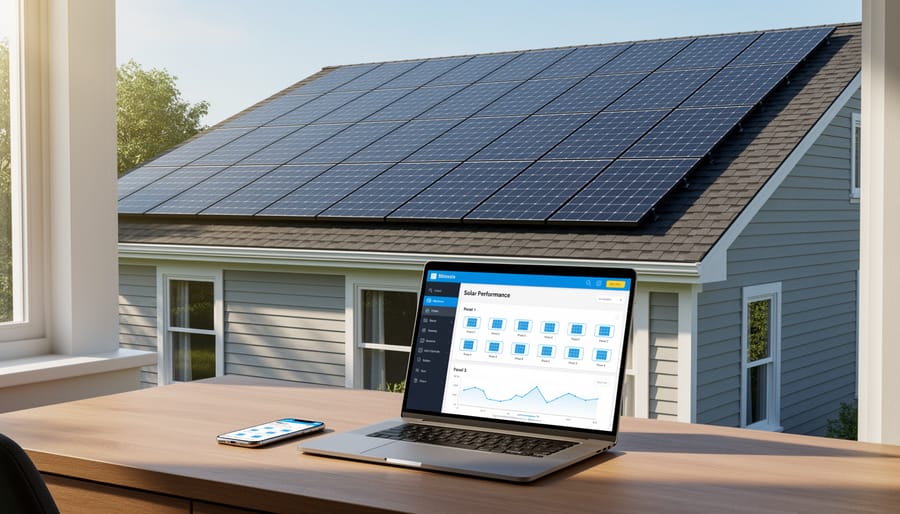
For homeowners in Illinois with solar installations, understanding exactly how your panels are performing throughout the day can make a significant difference in maximizing your energy production. Self-powered monitoring sensors offer a smart solution by tracking individual panel performance, temperature variations, and environmental conditions without drawing any electricity from your home or adding a single cent to your electric bill.
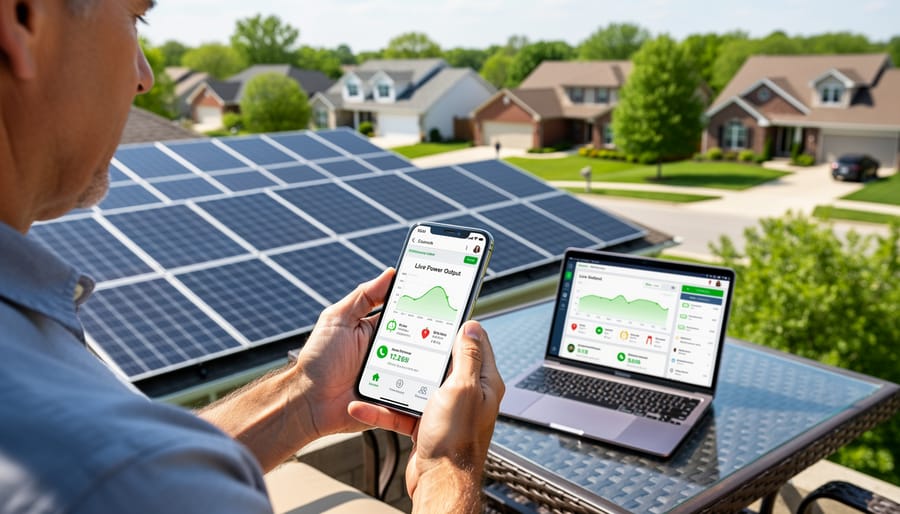
These zero-energy devices harvest their own power from ambient light or thermal differences, enabling them to continuously monitor crucial metrics like voltage output, current flow, and surface temperature of each solar panel. This detailed, panel-level monitoring helps you quickly identify issues such as shading problems, debris accumulation, or equipment malfunctions that might reduce your system’s efficiency. Instead of discovering performance drops when your utility bill arrives, you receive real-time insights through smartphone apps or web dashboards.
The environmental sensors also track local weather conditions, including solar irradiance and ambient temperature, helping you understand how Illinois-specific weather patterns affect your energy generation. This information proves valuable when determining if your system is performing as expected during cloudy winter days or hot summer afternoons. Since these monitoring devices operate independently of your household electrical system, they represent a truly cost-free way to protect and optimize your solar investment over its 25-plus year lifespan.
Commercial and Industrial Scale Deployments
For commercial and industrial properties across Illinois, zero energy devices create comprehensive monitoring networks that track performance across expansive solar installations. Unlike residential systems with panels concentrated on a single roof section, large-scale deployments often span multiple buildings, parking canopies, or ground-mounted arrays covering several acres.
These networked systems position zero energy sensors at strategic points throughout the installation, providing granular data from each array section. A manufacturing facility with solar panels across multiple rooftops can identify if one section underperforms due to shading, soiling, or equipment issues—problems that might go unnoticed in a system with just one centralized monitoring point.
The self-powered nature of these devices eliminates the complexity and cost of running power lines across large properties. Business owners appreciate this scalability, as adding monitoring points doesn’t require electrical contractors or additional wiring infrastructure.
For Illinois businesses managing substantial solar investments, this distributed monitoring approach delivers actionable insights that maximize energy production and return on investment. When one array section shows reduced output, facility managers receive immediate alerts, enabling quick maintenance responses that prevent extended production losses across hundreds or thousands of panels.
Weather and Environmental Monitoring
Self-powered weather stations and irradiance sensors represent a significant advancement in solar system monitoring, eliminating the need for external power sources or battery replacements. These zero energy devices continuously collect critical environmental data—including solar radiation levels, temperature, humidity, and atmospheric conditions—that directly impact your solar array’s performance. By generating their own power from small photovoltaic cells or kinetic energy, these monitoring tools provide real-time insights without adding to your energy costs. For Illinois solar system owners, this technology proves especially valuable given our variable weather patterns and seasonal sunlight fluctuations. The data collected helps predict energy production with greater accuracy, allowing you to identify when panels might need cleaning or maintenance before performance drops significantly. This proactive approach means you can schedule service during optimal times, maximizing your system’s efficiency year-round and ensuring you get the best return on your solar investment.
Integration with IoT Platforms and Data Analytics
Wireless Communication Technologies
Zero energy devices rely on low-power wireless protocols to transmit solar system data without depleting their harvested energy reserves. These specialized communication technologies are designed to operate on minimal power while maintaining reliable connectivity.
LoRaWAN (Long Range Wide Area Network) excels in scenarios where devices need to transmit data over long distances, making it ideal for large commercial solar installations or solar farms across Illinois. It consumes very little power and can send signals several miles, though at lower data rates.
Zigbee offers a mesh network approach where devices communicate with each other, extending range and reliability. This protocol works well for residential solar monitoring systems, allowing multiple sensors to share data efficiently while using minimal energy.
Bluetooth Low Energy (BLE) provides short-range communication perfect for homeowners who want to check their solar system performance via smartphone apps. BLE devices can run for months or years on harvested energy alone.
Each protocol balances three key factors: range, data transmission speed, and power consumption. For Illinois solar customers, the choice depends on your installation size and monitoring needs, but all three enable truly self-sustaining monitoring solutions.
What You Can Track and Control
Illinois solar customers equipped with zero energy monitoring devices gain access to comprehensive performance data that helps maximize their system’s efficiency and return on investment. These self-powered monitors track real-time energy production levels, showing exactly how much electricity your panels generate throughout the day and across different weather conditions. You’ll receive detailed insights into individual panel efficiency, allowing you to identify underperforming components that may need cleaning or maintenance attention.
System health alerts provide instant notifications when performance drops below expected thresholds or when potential issues arise, connecting you to predictive maintenance capabilities that catch problems early. Historical performance trends give you month-over-month and year-over-year comparisons, helping you understand seasonal variations and verify that your system meets projected output.
Many monitoring platforms also display environmental impact metrics, translating your solar production into carbon offset equivalents and utility bill savings. You can monitor inverter performance, battery storage levels if applicable, and grid interaction data. This comprehensive visibility empowers you to make informed decisions about energy usage patterns and helps verify that your solar investment delivers the promised benefits throughout its lifetime.
Considerations When Adding Zero Energy Monitoring to Your System
Before integrating zero energy monitoring into your solar installation, it’s important to evaluate several practical factors to ensure optimal performance and value.
Most zero energy monitoring devices are designed to work seamlessly with existing solar systems, regardless of when they were installed. However, verifying compatibility with your specific inverter model and system configuration is essential. If you’re considering adding monitoring to an older installation, consult with your solar provider to confirm the devices will communicate effectively with your equipment. For new installations, many locally owned Illinois solar companies now include these monitoring options as part of their standard offerings.
Installation requirements vary by device type. Many zero energy monitors feature straightforward setup processes that don’t require extensive electrical work. Current transformers that clip around existing wires and wireless communication modules typically offer the simplest installation paths. However, ensuring proper placement for optimal solar energy harvesting in Illinois conditions matters—monitors need adequate sunlight exposure even during our cloudier winter months.
Data security deserves careful attention since these devices transmit information about your energy usage patterns. Look for monitoring solutions that use encrypted communications and secure cloud platforms. Reputable manufacturers provide clear privacy policies explaining how your data is stored and used.
When selecting a monitoring solution for Illinois conditions, prioritize devices rated for our temperature extremes, from sub-zero winters to hot, humid summers. Weather-resistant enclosures and proven performance across wide temperature ranges ensure year-round reliability. Additionally, consider the granularity of data provided—real-time monitoring offers more actionable insights than systems that update hourly or daily.
Finally, evaluate the user interface and accessibility. The best monitoring systems provide intuitive dashboards accessible via smartphone apps or web browsers, making it easy to track your solar investment’s performance wherever you are.
Zero energy devices represent a significant advancement in solar energy monitoring, offering Illinois solar customers a smarter, more efficient way to protect their renewable energy investments. By eliminating the need for battery replacements or external power sources, these self-powered monitoring solutions provide continuous system oversight without the maintenance burdens of traditional devices. For homeowners and businesses across Illinois, this means greater peace of mind knowing their solar arrays are being monitored around the clock with no ongoing maintenance costs.
The combination of energy harvesting technology and IoT connectivity creates a truly set-it-and-forget-it monitoring experience. Your system stays protected against potential issues while you enjoy uninterrupted energy production and savings. This maintenance-free approach not only reduces long-term costs but also ensures your solar investment delivers maximum returns for decades to come.
Ready to enhance your solar installation with advanced monitoring technology? Illinois Renewables brings locally owned expertise and deep knowledge of solar energy solutions to every project. Our team can help you incorporate zero energy monitoring devices into your new or existing solar system, ensuring you benefit from the latest innovations in renewable energy technology. Contact us today to discuss how these smart monitoring solutions can maximize the value and performance of your Illinois solar investment.
