
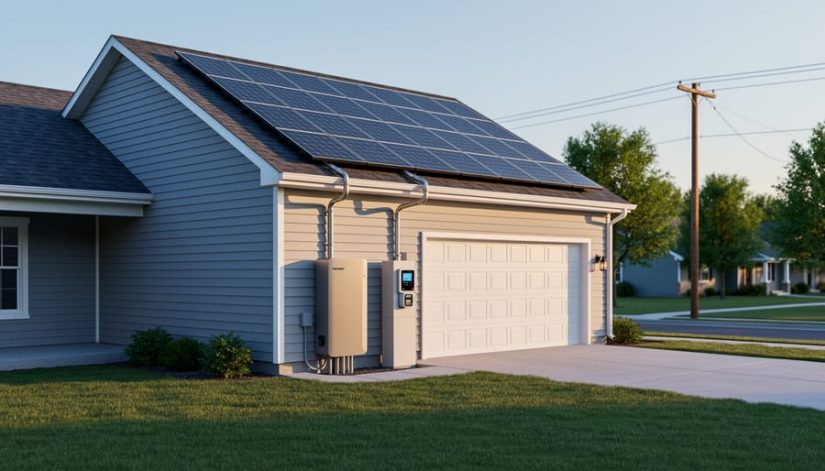
Why Your Solar System Needs Smart Communication (And How It Saves You Money)
Your solar panels are only as smart as the system monitoring them. Advanced communication systems transform solar installations from passive energy generators into intelligent, self-optimizing power plants that alert you to issues before they cost you money.
These systems work by connecting your solar panels, inverters, and batteries to sophisticated monitoring platforms that track performance in real-time. Instead of discovering a malfunctioning panel months later through an unexpectedly high electric bill, you receive immediate notifications when energy production drops below expected levels. For Illinois homeowners and businesses investing $15,000 to $50,000 in solar installations, this early warning capability protects your investment by catching problems when they’re still minor and inexpensive to fix.
The technology goes beyond simple monitoring. Modern communication systems analyze weather patterns, energy consumption habits, and grid conditions to optimize when your system stores energy versus when it feeds excess back to the grid. This intelligence becomes particularly valuable during Illinois peak demand periods when utility rates spike, potentially saving you hundreds of dollars annually through strategic energy management.
What makes these systems “advanced” is their ability to integrate multiple data sources and make autonomous decisions. They communicate between your solar panels, battery storage, home energy management systems, and even your utility company’s smart meter. This constant dialogue ensures your system operates at maximum efficiency regardless of changing conditions, whether that’s an unexpected cloudy week in summer or a sudden cold snap increasing your heating needs.
For property owners evaluating solar investments, understanding these communication capabilities separates basic solar installations from truly intelligent energy solutions that deliver measurable returns year after year.
What Are Advanced Communication Systems in Solar Energy?
The Components That Communicate
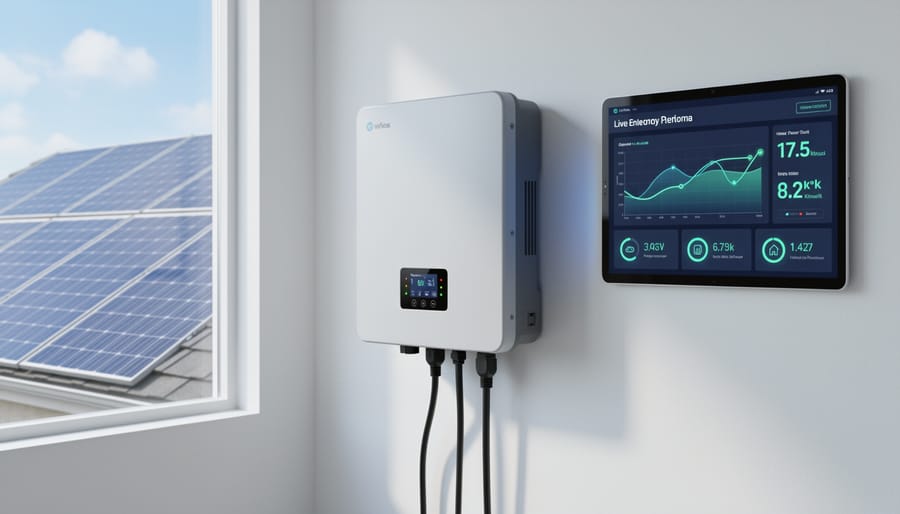
Modern solar energy systems rely on several key components working together through advanced communication networks. At the heart of your system, inverters serve as the primary communication hub, converting DC power from your panels into usable AC electricity while constantly sharing performance data. These sophisticated devices monitor energy production in real-time and can alert you to potential issues before they impact your savings.
Power optimizers, when installed at each panel, provide granular monitoring capabilities that track individual panel performance. This component-level visibility helps identify shading problems, soiling, or equipment failures affecting specific panels rather than your entire array. For Illinois homeowners dealing with varying weather conditions and seasonal changes, this detailed insight proves invaluable.
Battery storage systems add another communication layer, coordinating with inverters to manage energy storage and release based on your usage patterns and utility rates. These smart batteries learn your consumption habits and optimize when to store excess solar energy versus when to draw from the grid.
Monitoring devices and gateways round out the communication ecosystem, collecting data from all components and transmitting it to cloud-based platforms. This allows you to track your system’s performance from any smartphone or computer, ensuring your investment continues delivering maximum returns throughout Illinois’s diverse climate conditions.
How Data Flows Through Your Solar System
Modern solar energy systems work like a well-coordinated network, constantly sharing information to keep your system running at peak performance. Here’s how the data journey unfolds:
It starts at your solar panels, where microinverters or optimizers monitor each panel’s energy production in real-time. These devices convert sunlight into usable electricity while simultaneously collecting performance data—tracking voltage, current, and power output every few seconds.
This information travels through your home’s wiring or wireless connection to a central monitoring gateway, similar to how your Wi-Fi router manages internet traffic. The gateway processes this data and sends it securely to cloud-based servers using your internet connection.
Once in the cloud, sophisticated software analyzes your system’s performance, comparing it against expected output based on weather conditions and historical patterns. This processed information becomes accessible through user-friendly apps on your smartphone, tablet, or computer.
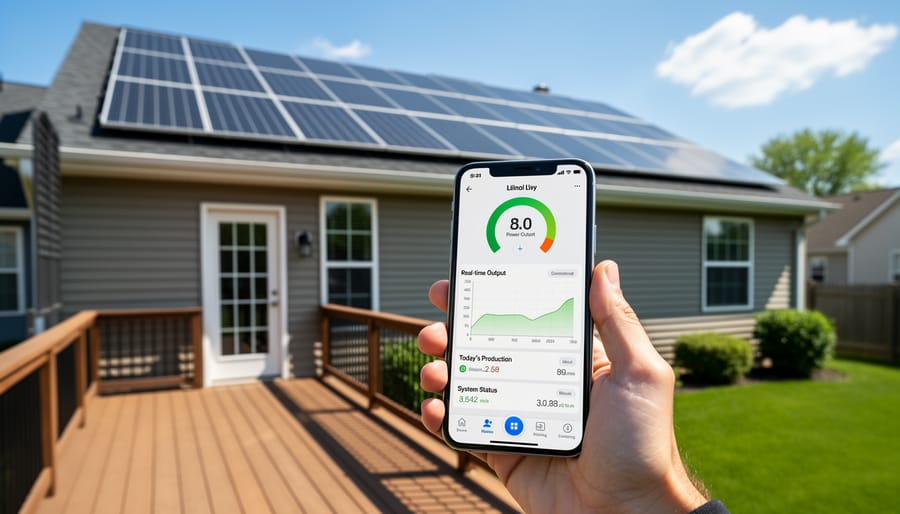
Within seconds of checking your app, you can see exactly how much energy each panel is producing, your total daily output, and even your carbon footprint reduction. Many smart home solar systems integrate this data with other home energy devices, creating a comprehensive view of your energy ecosystem. This seamless flow of information empowers you to make informed decisions about your energy usage while your installer can remotely diagnose issues before they impact your savings.
Common Communication Protocols Used in Solar Installations
Wired vs. Wireless Communication
When choosing a communication system for your solar installation, you’ll need to decide between wired and wireless connectivity options. Each approach offers distinct advantages depending on your property layout and local conditions.
Wired communication systems use physical cables, typically Ethernet connections, to link your solar equipment to your home network and the internet. These systems provide consistently reliable data transmission regardless of weather conditions. In Illinois, where we experience heavy snowfall, thunderstorms, and temperature extremes, wired connections maintain stable performance without weather-related interruptions. They’re particularly suitable for new construction or installations where running cables between components is straightforward.
Wireless communication systems utilize Wi-Fi or cellular networks to transmit data from your solar panels and inverters to monitoring platforms. These systems offer easier installation with minimal property disruption and work well for retrofit applications. However, wireless signals can occasionally be affected by severe weather conditions common in Illinois, such as heavy storms or extreme cold. Signal strength also depends on your property’s proximity to the router or cellular tower.
For most Illinois property owners, wireless systems provide sufficient reliability while offering cost-effective installation. The key consideration is ensuring strong signal strength at your solar equipment location. If your installation site is far from your home network or in an area with weak cellular coverage, a wired connection may prove more dependable. Many locally owned solar providers can assess your property and recommend the most practical option based on your specific circumstances, ensuring consistent monitoring performance year-round.
Industry-Standard Protocols You Should Know
When shopping for solar panels or evaluating your existing system, you’ll encounter several communication protocols that help your equipment talk to each other and to monitoring systems. Understanding these standards can help you make informed decisions about system compatibility and future expansion.
Modbus is one of the oldest and most widely used protocols in industrial settings, including solar installations. Think of it as a universal language that allows different manufacturers’ equipment to communicate. If your inverter uses Modbus, it can typically connect with a variety of monitoring systems and third-party devices, giving you flexibility in how you manage your solar array.
SunSpec is a newer protocol specifically designed for solar and energy storage systems. It standardizes how solar equipment communicates, making it easier to integrate components from different manufacturers. Many modern inverters and monitoring systems support SunSpec, which is particularly valuable if you plan to add battery storage or expand your solar installation down the road.
Other protocols you might encounter include Ethernet-based systems and proprietary manufacturer protocols. While proprietary systems sometimes offer advanced features, they can limit your options for future upgrades or equipment replacements.
For Illinois property owners considering solar, choosing equipment with industry-standard protocols means better long-term flexibility. You won’t be locked into one manufacturer’s ecosystem, and you’ll have more options when technology improves or your energy needs change. When discussing your solar project, ask about protocol compatibility to ensure your system can grow and adapt with your needs.
Real Benefits for Illinois Homeowners and Businesses
Real-Time Monitoring and Performance Tracking
Modern solar communication systems put you in the driver’s seat with 24/7 access to your energy data through smartphone apps or web portals. You can monitor exactly how much electricity your panels are generating, how much your home or business is consuming, and track your savings in real-time from anywhere. This instant visibility helps Illinois property owners maximize their net metering benefits by understanding when to shift high-energy tasks to peak production hours.
The real value lies in early problem detection. These systems send automatic alerts if panel output drops unexpectedly, whether from equipment issues, shading problems, or dirt accumulation. Catching a malfunctioning inverter or a single underperforming panel early can prevent thousands of dollars in lost production. Instead of discovering problems during your annual maintenance check, you’ll know within hours if something needs attention. This proactive approach protects your investment and ensures your system delivers the energy savings you expect throughout Illinois’s varied seasons.
Faster Problem Detection and Maintenance
Modern solar communication systems act as an early warning network for your investment, constantly monitoring performance and alerting you to potential issues before they impact energy production. When a panel underperforms, an inverter malfunctions, or wiring develops problems, these advanced protocols immediately notify both installers and homeowners through smartphone apps or email alerts. This real-time detection is particularly valuable in Illinois, where dramatic seasonal shifts from harsh winters to humid summers can stress system components.
Rather than discovering problems during routine inspections months later, communication systems enable swift intervention. For example, if heavy snow coverage reduces output or spring storms damage connections, you’ll receive instant notifications. Your installer can then assess whether the issue requires immediate attention or will resolve naturally, minimizing unnecessary service calls while ensuring genuine problems get addressed quickly.
This proactive approach significantly reduces downtime and keeps your system operating at peak efficiency year-round. The result is maximized energy production and lower solar maintenance expenses, since catching small issues early prevents them from escalating into costly repairs. For Illinois property owners, this monitoring capability transforms solar ownership from reactive troubleshooting to confident, data-driven management.
Optimization for Maximum Energy Savings
Smart communication systems constantly monitor your solar array’s performance and automatically make adjustments to maximize energy production throughout the day. These systems analyze weather patterns, energy consumption habits, and grid conditions to optimize when your panels generate power and how that energy is stored or used.
For Illinois property owners, this technology translates directly into lower utility bills. The system can automatically shift energy-intensive operations to peak production hours, reducing reliance on grid power when rates are highest. When paired with battery storage systems, advanced communication enables intelligent charging schedules that preserve battery life while ensuring power availability when you need it most.
The real advantage lies in the system’s ability to learn and adapt. It recognizes seasonal variations in Illinois weather, adjusting performance expectations and energy distribution accordingly. This means your solar investment works harder during summer months while intelligently managing resources during shorter winter days. The result is consistent cost savings and extended equipment lifespan, maximizing your return on investment without requiring manual intervention.
What to Look for When Choosing a Solar System
Questions to Ask Your Solar Installer
Before committing to a solar installation, having a detailed conversation with your installer about communication systems will protect your investment. Start by asking which communication protocol your system will use and whether it’s compatible with future technology upgrades. This is particularly important for Illinois property owners planning to expand their systems over time.
Inquire about the specific monitoring capabilities included with your installation. Will you receive real-time data on energy production and consumption? Can the system send automatic alerts if performance drops or equipment malfunctions? Understanding what information you’ll have access to helps you maximize your solar investment.
Ask about data accessibility and ownership. Will you be able to view your system’s performance through a mobile app, web portal, or both? How long is historical data stored, and who owns that information? These details matter when tracking your system’s performance over months and years.
Discuss long-term support and compatibility. What happens if the monitoring platform changes or the company is acquired? Will your communication system work with battery storage if you decide to add it later? As a locally owned installer with expertise in solar energy, your provider should offer clear answers about ongoing system support and future integration options specific to Illinois renewable energy programs and incentives.
Future-Proofing Your Investment
When investing in solar communication technology for your Illinois property, selecting systems with upgrade pathways ensures long-term value. Look for platforms that support over-the-air software updates, which allow manufacturers to add new features and maintain compatibility with evolving utility requirements without physical modifications.
Illinois continues advancing its grid modernization efforts, making scalability essential. Choose communication systems that support multiple protocols and can integrate with emerging smart home technologies and utility programs. This flexibility protects your investment as ComEd and Ameren Illinois roll out new demand response initiatives and time-of-use rate structures.
Consider systems with open API architecture, enabling seamless solar integration with future battery storage, electric vehicle chargers, and home energy management systems. As Illinois expands its renewable energy infrastructure, these connections become increasingly valuable for maximizing savings and participating in grid support programs.
Work with locally owned installers who understand regional grid requirements and can guide you toward communication platforms with proven track records of manufacturer support and regular updates. Ask about warranty coverage for communication equipment and whether firmware updates are included. Systems backed by established companies with strong service networks provide better assurance your monitoring capabilities will function reliably throughout your solar system’s 25-plus year lifespan.
How Illinois Renewables Implements Advanced Communication
At Illinois Renewables, we understand that a solar investment is only as good as your ability to monitor and optimize its performance. That’s why we integrate advanced communication systems into every installation we complete across Illinois. As a locally owned company with deep roots in our community, we’re committed to providing solar solutions that deliver lasting value through reliable monitoring and data transparency.
Our team carefully selects and installs communication hardware that matches each system’s specific needs. Whether you’re a homeowner with a residential rooftop array or a business owner with a larger commercial installation, we ensure your system includes the right communication protocol to keep you informed. We primarily work with industry-leading inverter manufacturers that support secure, real-time data transmission, giving you instant access to production metrics, consumption patterns, and system health indicators.
What sets our approach apart is our attention to detail during installation and configuration. We don’t just connect the hardware and walk away. Our technicians thoroughly test all communication pathways, verify data accuracy, and train you on how to use your monitoring platform effectively. We configure alerts customized to your preferences, ensuring you’ll be notified immediately if performance drops or issues arise.
We also understand that technology evolves, which is why we choose systems with proven track records and ongoing manufacturer support. This forward-thinking approach protects your investment and ensures your monitoring capabilities will remain functional for decades to come. Our local presence means we’re always available to troubleshoot communication issues, update software when needed, or answer questions about your system’s performance data. We believe informed customers make the most of their solar investment, and reliable communication systems make that possible.
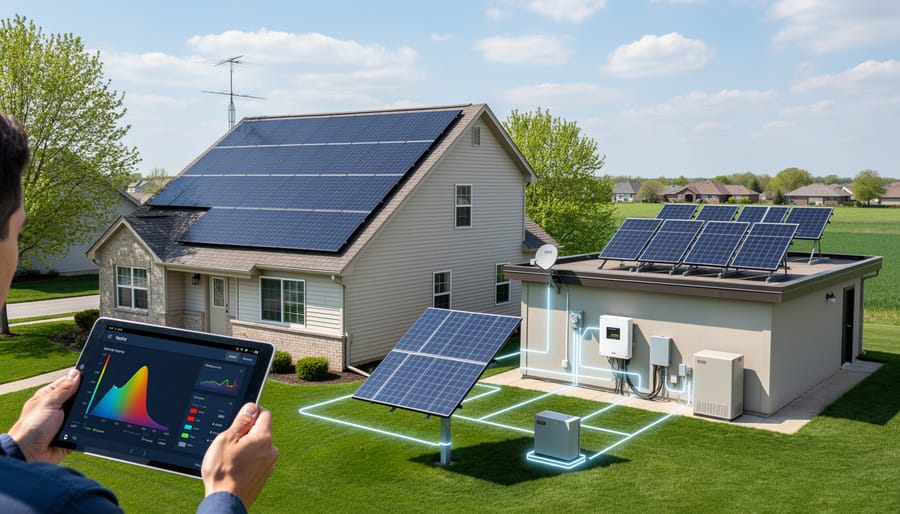
Advanced communication systems are essential for maximizing your solar investment and ensuring long-term performance. For Illinois property owners, these capabilities transform your solar installation from a simple energy generator into an intelligent, self-monitoring asset that protects your financial returns. By choosing systems with robust monitoring and communication features, you gain visibility into production, immediate alerts to potential issues, and the data needed to verify your system delivers expected savings year after year.
As you plan your solar project, prioritize communication capabilities alongside panel efficiency and warranty terms. A locally owned solar provider with expertise in solar energy can guide you through selecting systems that match your monitoring needs and budget while ensuring compatibility with Illinois utility requirements.
Ready to explore solar solutions with advanced monitoring built in? Contact our team for a consultation tailored to your property’s specific needs and goals.
