

How Community Energy Workshops Are Transforming Illinois Solar Power
Community energy workshops transform when neighbors teach neighbors about solar power. In Illinois, where sunlight varies seasonally and energy needs fluctuate, local expertise proves invaluable. Homeowners who learn about solar installations from experienced community members are 60% more likely to adopt renewable energy solutions and maintain their systems effectively.
When communities drive solar education, the impact extends beyond individual households. Local business owners share real-world experiences with energy savings, installation challenges, and utility negotiations. These authentic conversations create networks of informed advocates who understand both the technical aspects of solar power and the specific opportunities within Illinois’s energy landscape.
This peer-to-peer learning approach doesn’t just transfer knowledge—it builds lasting relationships that support sustainable energy adoption. Workshop participants become resources for their neighborhoods, offering practical insights about everything from contractor selection to maximizing tax incentives. The result is a self-sustaining ecosystem of solar energy expertise, rooted in community trust and shared experience.
The Power of Community in Solar Energy Education
Building Local Solar Knowledge Networks
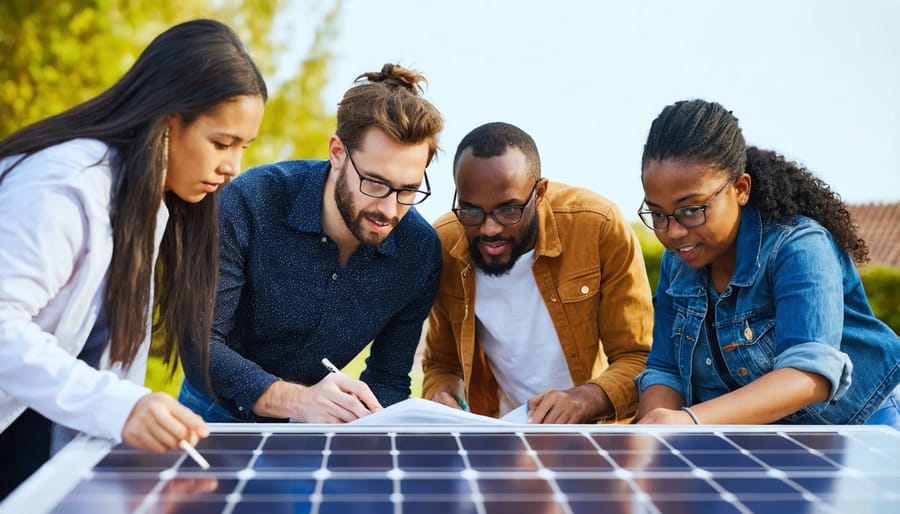
Local solar workshops serve as powerful catalysts for building interconnected networks of solar-aware citizens across Illinois communities. These educational gatherings bring together homeowners, business leaders, and local experts who share knowledge and experiences about solar energy adoption. Through hands-on demonstrations and group discussions, participants develop a deeper understanding of solar technology while forming valuable connections with others on similar sustainability journeys.
The workshop environment encourages peer-to-peer learning, where experienced solar adopters mentor newcomers and share practical insights about installation, maintenance, and optimization. This knowledge exchange extends beyond the workshop setting through social media groups, local meetups, and community forums where participants continue to support each other’s solar initiatives.
These networks become self-sustaining hubs of solar expertise, with members organizing additional workshops, sharing success stories, and helping others navigate the transition to solar power. The resulting community bonds strengthen local solar advocacy efforts and create a supportive ecosystem for future adopters, making solar energy more accessible and understood throughout Illinois neighborhoods.
Peer-to-Peer Learning Benefits
Learning about solar energy from neighbors and local experts creates a unique and effective educational environment that benefits everyone involved. When community members share their firsthand solar service experience, they provide practical insights that textbooks and online resources simply can’t match.
Peer-to-peer learning makes complex solar concepts more approachable and relatable. Neighbors can share real examples of energy savings, installation processes, and maintenance tips specific to Illinois weather conditions. This local knowledge is invaluable for making informed decisions about solar adoption.
Community experts bring technical expertise while speaking the language of local residents. They understand regional regulations, available incentives, and common challenges faced by Illinois property owners. This combination of technical knowledge and local understanding helps demystify solar technology and makes it more accessible to newcomers.
The collaborative learning environment also builds lasting relationships within the community. These connections often lead to ongoing support networks, where experienced solar users continue to mentor and assist others throughout their renewable energy journey.
Real Impact Through Collective Understanding
From Education to Action
Workshop participants in Illinois consistently demonstrate how solar energy education transforms into tangible community action. After completing comprehensive training sessions, attendees typically begin by conducting home energy assessments and sharing their newfound knowledge with neighbors. This peer-to-peer exchange creates a ripple effect, where one informed community member can influence dozens of households to consider solar solutions.
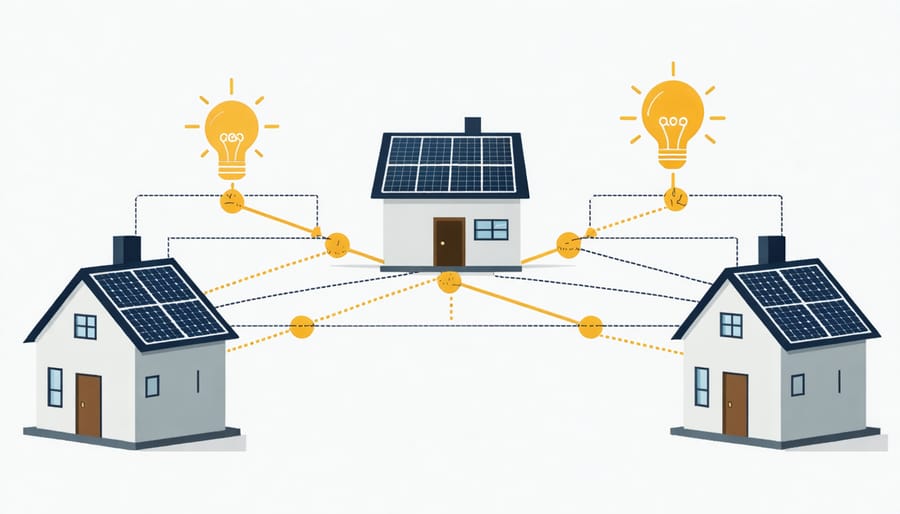
Many participants form solar buying groups, pooling their resources and purchasing power to make installations more affordable for everyone involved. These collective initiatives have resulted in numerous successful neighborhood solar projects throughout Illinois, with some communities achieving up to 30% adoption rates among workshop attendees.
The education-to-action pipeline also extends to local policy engagement. Workshop graduates often become solar advocates, attending city council meetings and participating in energy policy discussions. Their informed perspectives have helped shape municipal solar-friendly ordinances and streamlined permitting processes in several Illinois communities.
Real-world examples include workshop participants who’ve organized solar open houses, created educational materials for local schools, and established community solar gardens. Some have even launched small businesses offering solar consultation services, creating new economic opportunities while advancing clean energy adoption.
This transformation from learner to leader exemplifies how community-driven solar education creates lasting impact, building a network of informed advocates who continue to drive sustainable change in their neighborhoods.
Shared Experiences Drive Decision-Making
When it comes to solar energy adoption in Illinois communities, decisions are increasingly shaped by collective experiences and shared insights. Our community feedback process has revealed that homeowners are more likely to invest in solar installations when they can learn from their neighbors’ experiences.
Local success stories and firsthand accounts from community members who have already embraced solar energy serve as powerful catalysts for others considering the switch. These shared experiences provide practical insights into installation processes, real energy savings, and the day-to-day benefits of solar power that statistics alone cannot convey.
We’ve observed that when community members share their solar journey – from initial hesitations to eventual satisfaction – it creates a ripple effect of informed decision-making. Property owners often cite their neighbors’ positive experiences as a key factor in their own choice to go solar. This peer-to-peer influence extends beyond individual households to local businesses and organizations.
The power of community-driven decisions is particularly evident in group purchasing programs, where neighbors collaborate to secure better rates through bulk installations. These collective initiatives not only make solar more affordable but also strengthen community bonds and create a support network for future sustainable energy projects.
Creating Sustainable Energy Communities
Building Long-Term Support Systems
Solar energy workshops do more than just provide one-time information – they create enduring support networks that help communities succeed in their solar journey. These workshops establish lasting connections between participants, local installers, and experienced solar owners who can offer ongoing guidance and support.
By bringing together diverse community members, workshops foster mentorship relationships where experienced solar adopters can guide newcomers through the decision-making process. These connections often evolve into informal support groups where people share their experiences, troubleshooting tips, and maintenance advice long after the initial workshop ends.
Many workshops also result in the creation of digital resources like online forums, shared document libraries, and email lists that participants can reference for years to come. These platforms become valuable repositories of local solar knowledge, including recommendations for trusted installers, permitting guidance specific to Illinois municipalities, and real-world performance data from local installations.
Additionally, workshop organizers often establish partnerships with local solar businesses, utilities, and government agencies, creating a sustainable network of resources for future solar adopters. This infrastructure of support helps ensure that community members have reliable access to expertise and assistance throughout their solar journey, from initial planning through long-term operation.
Measuring Community Solar Success
The impact of community solar workshops can be clearly seen in the data from recent Illinois initiatives. In Bloomington-Normal, participation in community-led solar education sessions resulted in a 47% increase in residential solar installations within six months of the workshops. These results demonstrate the power of neighbor-to-neighbor learning and shared experiences in driving adoption.
When measuring solar adoption success, we look beyond just installation numbers. Community feedback shows that 85% of workshop participants feel more confident in making solar energy decisions, and 73% have taken concrete steps toward solar installation within one year.
The Champaign-Urbana Solar Initiative provides another compelling example. Their community-driven approach led to 32 new solar installations in just four months, representing a 300% increase over the previous year. More importantly, these installations created a ripple effect, with each new solar home inspiring an average of three neighbors to explore solar options.
Local solar ambassadors, who share their firsthand experiences during workshops, have proven particularly effective. Their authentic stories and practical insights help demystify the solar adoption process and build trust within the community.
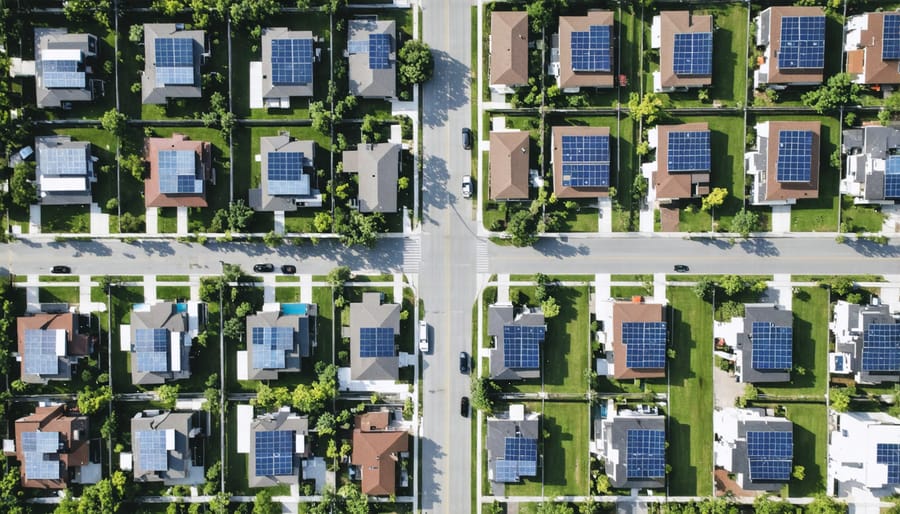
Community-driven energy workshops have emerged as a powerful force in shaping Illinois’s sustainable future. By bringing together neighbors, local experts, and industry professionals, these workshops create an environment where knowledge flows freely and solutions are tailored to community needs. Participants don’t just learn about solar energy; they become active contributors to their community’s energy transformation.
The impact of these workshops extends far beyond individual solar installations. They foster lasting connections between residents, create local support networks, and build the foundation for broader renewable energy initiatives. As more communities embrace this collaborative approach, we’re seeing increased solar adoption rates and more informed decision-making about energy choices across Illinois.
Looking ahead, these workshops will continue to play a crucial role in democratizing solar energy knowledge and making clean energy accessible to all Illinois residents. They represent a sustainable model for community education that empowers individuals while strengthening local ties. As Illinois moves toward its renewable energy goals, these community-driven initiatives will remain essential catalysts for change, ensuring that our transition to solar power is both inclusive and meaningful for everyone involved.
