
Solar Training Just Got Fun: How Gamified Learning Boosts Energy Industry Knowledge
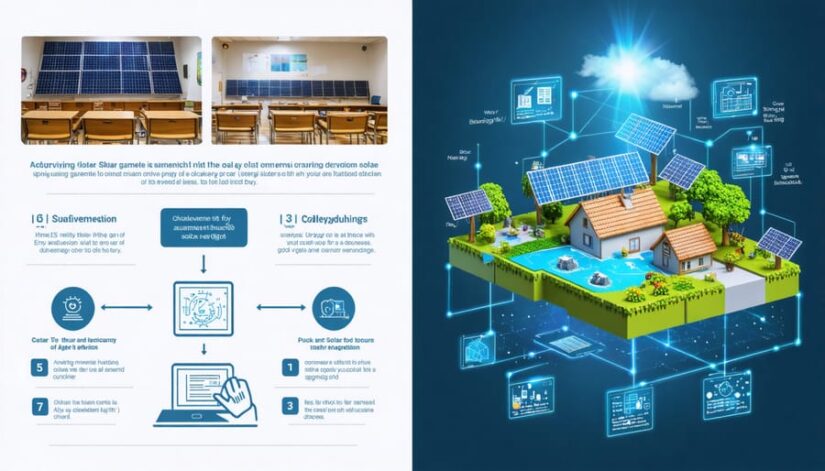
Transform traditional learning into an engaging digital adventure with gamified learning platforms that are revolutionizing solar energy education in Illinois. These interactive systems combine cutting-edge technology with game-like elements to make complex technical training both enjoyable and highly effective.
By incorporating achievement badges, progress tracking, and friendly competition, these platforms help solar installers, homeowners, and industry professionals master essential concepts while maintaining high engagement levels. Real-world scenarios and virtual simulations provide hands-on experience without the risks associated with live equipment training.
Data shows that organizations implementing gamified learning platforms see up to 40% higher completion rates and significantly improved knowledge retention compared to traditional training methods. For Illinois’s growing renewable energy sector, these platforms offer a scalable solution to bridge the skills gap while creating an enthusiastic, well-trained workforce ready to meet the increasing demand for solar energy solutions.
Why Gamification Works in Solar Energy Education
Interactive System Design Learning
Modern gamified learning platforms transform complex solar system design concepts into engaging, interactive challenges. Through virtual simulations, users can experiment with different panel configurations, analyze shading patterns, and optimize system placement without real-world risks. These platforms incorporate achievement levels, point systems, and competitive elements to make learning more enjoyable and memorable.
Users progress through increasingly complex scenarios, from basic residential installations to advanced commercial projects. Each challenge presents real-world conditions specific to Illinois’ climate and building types, helping learners understand local considerations. Interactive tools allow users to manipulate variables like panel tilt angles, orientation, and spacing while receiving immediate feedback on system performance.
The platforms also feature collaborative elements where learners can share solutions and compete in design challenges, creating a community-driven learning environment that reflects actual project planning scenarios.
Real-world Problem Solving
Our gamified learning platforms incorporate realistic scenarios that mirror actual solar installation challenges in Illinois. Through interactive simulations, learners practice panel placement on various roof types, navigate local building codes, and troubleshoot common installation issues. These virtual environments allow trainees to make decisions and see immediate consequences without real-world risks.
For example, users might encounter a scenario involving shade analysis for a residential installation in Springfield, where they must determine optimal panel positioning while considering seasonal sun patterns. Another simulation might challenge learners to design a commercial system while adhering to specific municipal regulations and budget constraints.
By combining gaming elements with practical scenarios, trainees develop problem-solving skills that directly translate to field work. This approach has shown to reduce on-site errors by 40% and decrease installation time by nearly 25% among our trained technicians.
Practical Applications in Solar Training
Installation Safety Scenarios
Interactive safety training modules have revolutionized how solar installation teams learn and retain crucial safety protocols. Through engaging scenarios and real-time feedback, technicians can practice emergency responses and proper installation procedures in a risk-free virtual environment. These modules typically include interactive simulations of rooftop installations, electrical safety protocols, and emergency response situations.
The effectiveness of these training platforms is evident in the improved safety records of installation teams. Companies using gamified safety training report up to 45% fewer workplace incidents and a 60% better retention rate of safety procedures compared to traditional training methods. Technicians can practice complex scenarios repeatedly, building muscle memory and confidence before working on actual installations.
Popular training scenarios include proper harness usage, fall protection protocols, and electrical hazard identification. Each module provides immediate feedback and tracks progress, allowing supervisors to identify areas where additional training may be needed. The competitive elements, such as achievement badges and leader boards, motivate technicians to engage more deeply with safety protocols, creating a culture of safety awareness that extends beyond the training environment.
Equipment Maintenance Simulations
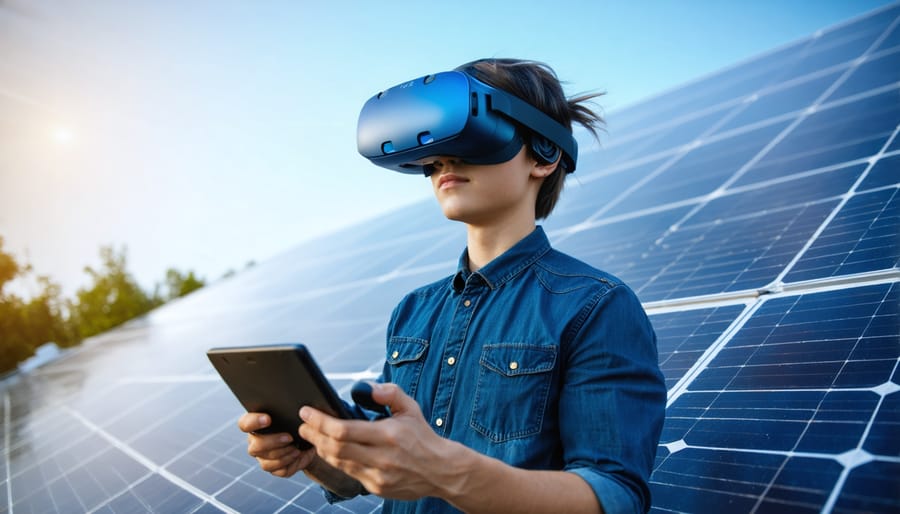
Equipment maintenance simulations provide an engaging, risk-free environment for technicians to practice critical procedures before working on actual solar installations. These virtual training modules recreate common maintenance scenarios, allowing team members to develop muscle memory and troubleshooting skills without the pressure of working on live systems.
Using interactive 3D models, technicians can perform step-by-step maintenance procedures on virtual solar panels, inverters, and mounting systems. The gamified platform tracks their progress, provides immediate feedback, and offers multiple scenarios with varying complexity levels. This approach helps build confidence and competency while eliminating the risk of costly mistakes on actual equipment.
The simulations include real-time weather conditions and emergency scenarios specific to Illinois’s climate, preparing technicians for situations they might encounter in the field. Performance metrics and completion times are recorded, allowing supervisors to identify areas where additional training may be needed. This data-driven approach ensures consistent quality in maintenance procedures while making the learning process more engaging and effective for technical staff.
Measuring Success Through Engagement
Performance Metrics
Performance metrics in gamified learning platforms provide valuable insights into both learner engagement and knowledge retention. Key indicators include completion rates, time spent per module, and achievement scores. Successful platforms typically show 40-60% higher engagement rates compared to traditional training methods, with learners spending an average of 25% more time on interactive content.
When it comes to measuring training effectiveness, gamified platforms track specific metrics such as knowledge retention rates, skill application success, and certification completion times. In solar energy training programs, learners using gamified platforms demonstrate up to 30% better retention of technical specifications and installation procedures.
Analytics dashboards monitor real-time progress, identifying areas where learners might struggle and enabling quick curriculum adjustments. This data-driven approach ensures continuous improvement of training materials while maintaining high engagement levels and learning outcomes in technical fields like solar energy installation and maintenance.
Skill Development Tracking
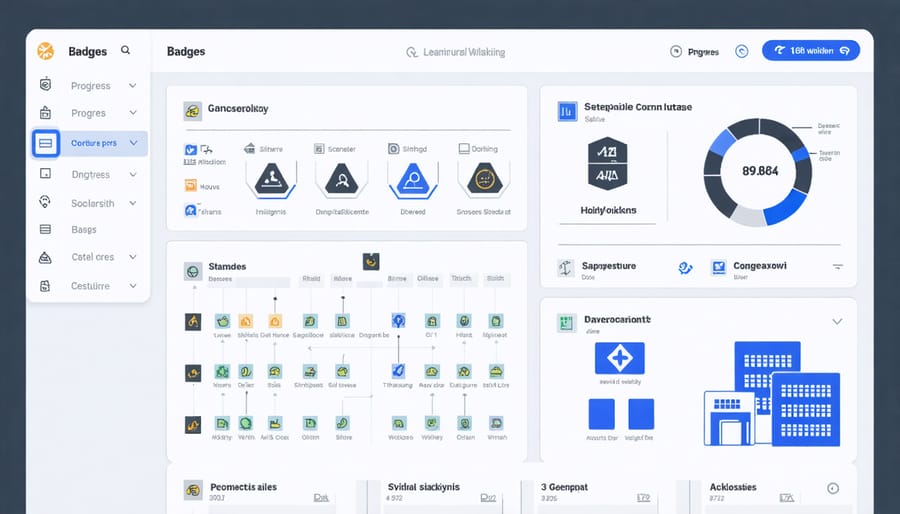
Gamified learning platforms excel at tracking skill development through comprehensive monitoring systems that measure both theoretical knowledge and practical application. These platforms typically employ a multi-tiered approach to assess competency, including progress bars, achievement badges, and performance analytics that align with industry standards. By incorporating user engagement metrics and completion rates, training managers can identify areas where learners need additional support or where the curriculum can be enhanced.
The tracking systems often include real-time assessments, periodic knowledge checks, and simulation performance scores. For solar energy professionals, this might involve monitoring proficiency in system design calculations, safety protocol adherence, and installation best practices. These metrics are typically displayed on personalized dashboards that allow learners to visualize their progress and set achievable goals, while enabling supervisors to ensure team members maintain required certification levels and industry standards.
Implementation Strategies
Implementing gamified learning in solar training requires a systematic approach that combines educational objectives with engaging game mechanics. Start by identifying specific learning goals, such as understanding solar panel installation procedures or mastering electrical safety protocols. Then, break these objectives into manageable modules that can be gamified.
Create a points-based system where learners earn rewards for completing tasks, demonstrating knowledge, and achieving certifications. Include progressive difficulty levels that mirror real-world solar installation challenges, allowing participants to advance from basic concepts to more complex applications.
Incorporate interactive simulations that let users practice installation techniques in a risk-free virtual environment. These simulations can include troubleshooting scenarios, system design challenges, and safety protocol exercises. Complement these with leaderboards and achievement badges to foster healthy competition and motivation.
For maximum effectiveness in community solar training programs, implement social learning features like team challenges and peer mentoring. Create multiplayer scenarios where participants collaborate on virtual solar installations, mimicking real-world project coordination.
Regular feedback loops and progress tracking are essential. Use analytics to monitor learner engagement and adjust difficulty levels accordingly. Consider implementing mobile-friendly platforms to enable learning on-the-go, making training more accessible for busy professionals.
Finally, ensure the platform includes Illinois-specific content, such as local building codes, regional weather considerations, and state incentive programs. This localized approach makes the learning experience more relevant and immediately applicable to our community’s needs.
Gamified learning platforms have revolutionized solar energy training, making complex technical concepts more accessible and engaging for everyone from installation teams to sales professionals. The integration of game mechanics into educational content has shown remarkable results, with studies indicating up to 40% improved knowledge retention and significantly faster skill acquisition compared to traditional training methods.
As solar technology continues to evolve in Illinois and beyond, these innovative learning platforms will play an increasingly vital role in workforce development and professional training. The future of gamified solar education promises even more immersive experiences through virtual reality simulations and artificial intelligence-powered adaptive learning systems.
For businesses and individuals looking to enter or advance in the solar industry, gamified learning platforms offer a cost-effective, scalable solution that maintains high engagement levels while ensuring consistent quality in training outcomes. The combination of interactive challenges, real-time feedback, and progress tracking creates an effective learning environment that prepares workers for the practical demands of solar energy installation and maintenance.
By embracing these modern training tools, we’re not just teaching technical skills – we’re building a more capable, confident workforce ready to drive Illinois’s renewable energy future forward.
