

Build a Better Solar Team: Essential Sustainability Training That Drives Results
Transform your workforce into sustainability champions through comprehensive employee training that drives both environmental impact and bottom-line results. In today’s competitive business landscape, companies leading in sustainability practices consistently outperform their peers, with trained employees reducing operational costs by up to 20% through resource efficiency and waste reduction initiatives.
Effective sustainability training does more than teach environmental basics—it creates a culture of innovation and responsibility that resonates throughout your organization. When employees understand the direct connection between sustainable practices and business success, they become active participants in your company’s environmental goals, driving measurable improvements in energy efficiency, waste management, and resource conservation.
For Illinois businesses, particularly in the solar sector, implementing robust sustainability training programs has become crucial for maintaining competitive advantage and meeting increasingly stringent environmental regulations. By investing in employee education now, companies position themselves at the forefront of the green economy while building a skilled workforce capable of navigating future environmental challenges.
Core Sustainability Principles for Solar Installation Teams
Environmental Impact Assessment
Environmental impact assessment training equips employees with the skills to evaluate and minimize the ecological footprint of solar installations. This crucial component helps teams understand how their work affects local ecosystems, soil conditions, and wildlife habitats across Illinois’ diverse landscapes.
During training, employees learn to conduct thorough site evaluations, considering factors like land use, drainage patterns, and native vegetation. They develop expertise in identifying potential environmental risks and implementing mitigation strategies specific to Illinois’ environmental regulations.
The training covers best practices for minimizing construction disturbance, managing stormwater runoff, and protecting local flora and fauna. Employees learn to document environmental conditions before, during, and after installation, ensuring compliance with state and federal guidelines.
Special attention is given to sensitive areas like wetlands, protected habitats, and agricultural lands common in Illinois. Teams also learn about proper waste management, recycling protocols for solar equipment, and techniques to reduce dust and noise pollution during installations.
By understanding these environmental considerations, installation teams can better protect local ecosystems while delivering sustainable energy solutions to Illinois communities.
Waste Reduction Protocols
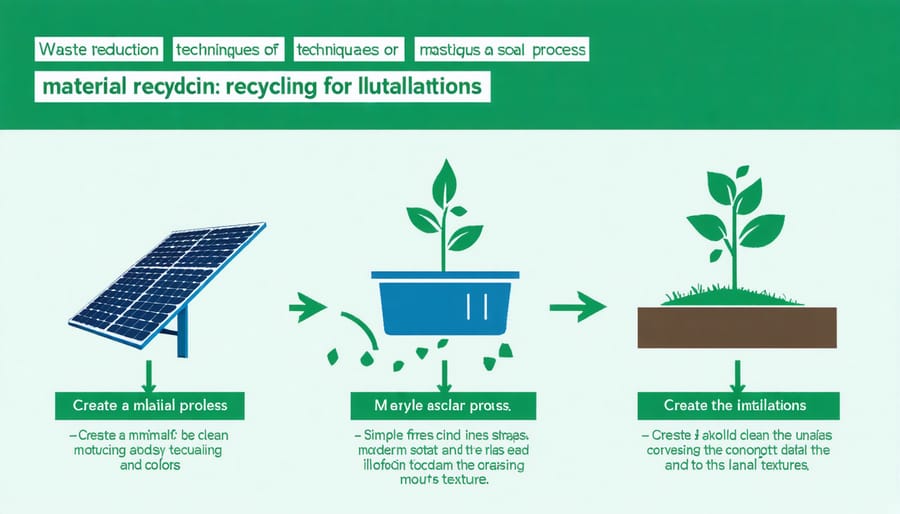
Effective waste management during solar installations not only supports environmental sustainability but also improves operational efficiency and reduces costs. Train employees to implement the “reduce, reuse, recycle” principle at every project stage. Begin by accurately measuring materials needed for each installation to prevent overordering. Establish a systematic approach to storing and organizing leftover materials that can be used in future projects.
Create designated recycling stations at job sites for different materials, including cardboard packaging, metal components, and recyclable plastics. Implement a digital inventory system to track materials and minimize waste from expired or damaged items. Train staff to properly handle and dispose of potentially hazardous materials like batteries and electronic components according to Illinois state regulations.
Encourage employees to suggest waste reduction innovations and recognize team members who consistently demonstrate good waste management practices. Consider implementing a waste audit system to track progress and identify areas for improvement. Partner with local recycling facilities and waste management companies that specialize in handling solar installation materials.
Remember to document all waste reduction efforts, as these practices can contribute to green certification requirements and demonstrate environmental commitment to clients.
Technical Skills for Sustainable Installation
Energy Efficient Installation Methods
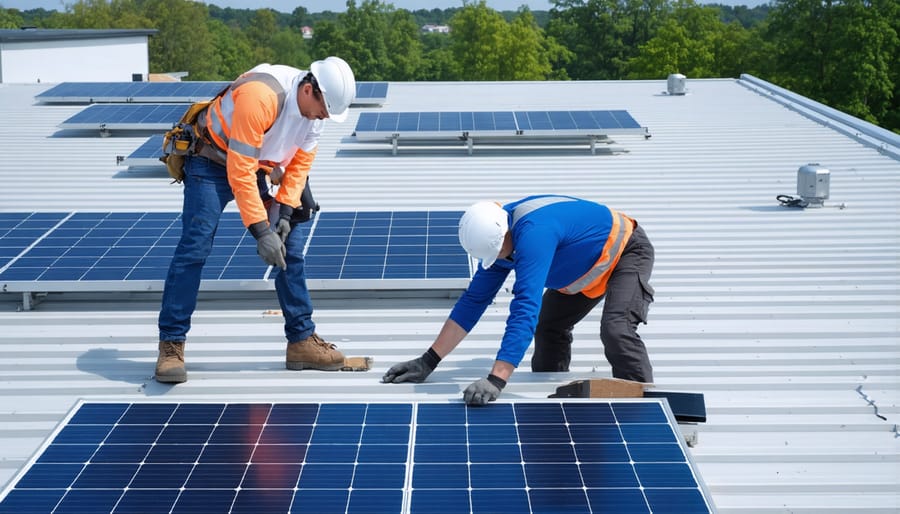
Proper installation techniques are crucial for maximizing the efficiency and longevity of solar energy systems. Our comprehensive hands-on technical training ensures that employees understand best practices for optimal system performance.
Training covers essential aspects such as proper panel orientation and tilt angles specific to Illinois’ latitude, ensuring maximum solar exposure throughout the year. Employees learn precise mounting techniques that maintain structural integrity while allowing proper airflow for temperature regulation. Special attention is given to wire management and connection methods that minimize energy losses and prevent potential hotspots.
Our program emphasizes the importance of proper insulation and weatherproofing techniques unique to Illinois’ climate conditions. Employees receive detailed instruction on selecting appropriate mounting hardware and using thermal imaging to verify installation quality. They also learn about optimal inverter placement and proper grounding techniques to ensure safety and system efficiency.
The training includes practical exercises on sealing techniques for roof penetrations, proper torque specifications for mounting hardware, and strategies for minimizing shading impacts. By mastering these installation methods, our team ensures that each solar system operates at peak efficiency, delivering maximum energy savings for our customers while maintaining the highest safety standards.
System Longevity and Maintenance
Training employees in system longevity and maintenance practices is crucial for ensuring sustainable operations and maximizing the lifespan of solar installations. By focusing on preventive measures and proper maintenance techniques, staff can help reduce system downtime and minimize replacement needs.
Key maintenance practices include regular inspection protocols, cleaning procedures, and early problem detection. Employees learn to identify common wear patterns, conduct routine checks, and document system performance metrics. This proactive approach helps prevent major issues before they develop, saving both time and resources in the long run.
The training emphasizes the importance of proper documentation and record-keeping, enabling teams to track system performance over time and identify patterns that might indicate potential problems. Employees learn to use monitoring systems effectively, interpret data readings, and respond appropriately to various system alerts.
Understanding the environmental factors specific to Illinois, such as seasonal weather patterns and their impact on system performance, is also covered. This local knowledge helps staff adapt maintenance schedules and procedures to optimize system efficiency throughout the year.
The program also covers sustainable waste management practices, including proper disposal of replaced components and recycling procedures. By implementing these practices, organizations can extend the life of their systems while minimizing their environmental impact and reducing long-term operational costs.

Safety and Compliance in Sustainable Practices
OSHA Compliance and Sustainability
Integrating OSHA compliance with sustainable practices creates a powerful framework for workplace safety and environmental responsibility. In Illinois, solar companies must ensure their training programs address both OSHA safety requirements and sustainable business practices. This dual approach not only protects workers but also reinforces the company’s commitment to environmental stewardship.
Key areas where safety and sustainability overlap include proper handling of solar equipment, waste reduction protocols, and energy-efficient workplace practices. For example, when training employees on fall protection during solar panel installation, incorporate best practices for minimizing material waste and protecting the surrounding environment.
Create clear documentation that outlines both safety procedures and sustainable practices for each task. This might include proper disposal of packaging materials, recycling guidelines for damaged panels, and energy-efficient equipment operation procedures. Regular safety meetings can incorporate sustainability topics, helping employees understand how their daily actions impact both workplace safety and environmental goals.
Remember that compliance isn’t just about following rules—it’s about creating a culture where safety and sustainability become second nature to every employee.
Environmental Regulations and Standards
Effective sustainability training includes a thorough understanding of Illinois environmental regulations and industry standards. Employees need to be well-versed in the Illinois Environmental Protection Act, particularly sections pertaining to renewable energy installations and waste management. Key focus areas include air quality standards, proper handling of solar panel materials, and compliance with local permitting requirements.
Training should cover the Illinois Commerce Commission’s guidelines for renewable energy projects and the state’s specific requirements under the Future Energy Jobs Act. Employees must understand proper documentation procedures, reporting requirements, and maintenance standards that align with both state and federal regulations.
Special attention should be given to OSHA safety standards related to solar installations, as well as industry-specific certifications like the North American Board of Certified Energy Practitioners (NABCEP) requirements. Regular updates on changing regulations and emerging industry standards ensure your team stays compliant while maintaining high-quality service standards in the Illinois solar energy sector.
Measuring and Improving Sustainability Performance
Effective sustainability training programs require robust measurement systems to track progress and identify areas for improvement. Start by establishing clear, measurable Key Performance Indicators (KPIs) aligned with your organization’s sustainability goals. These might include energy consumption reduction targets, waste management metrics, or renewable energy adoption rates.
Implement regular audits and assessments to monitor progress, using digital tools for measuring team performance and tracking sustainability initiatives. Consider using sustainability scorecards that evaluate both individual and department-level achievements in areas like resource conservation and green practices adoption.
Employee feedback surveys and performance reviews should incorporate sustainability metrics, helping identify knowledge gaps and training needs. Data collection should focus on both quantitative measures (energy savings, recycling rates) and qualitative indicators (employee engagement, behavioral changes).
To enhance performance, implement continuous improvement strategies such as:
– Regular feedback loops between trainers and participants
– Peer-to-peer learning opportunities
– Recognition programs for sustainability champions
– Updated training materials based on performance data
– Monthly sustainability challenges and team competitions
Remember to communicate progress regularly through company newsletters, dashboards, or team meetings, celebrating successes while identifying areas needing additional focus. This transparency helps maintain engagement and demonstrates the tangible impact of sustainability efforts.
Investing in sustainability training for employees yields significant returns for solar companies and businesses across Illinois. Well-trained staff become environmental stewards who not only implement green practices effectively but also inspire colleagues and customers to embrace sustainable solutions. This knowledge empowerment leads to reduced operational costs through improved resource management and waste reduction, while simultaneously strengthening your company’s reputation as an environmentally responsible organization.
The impact extends beyond immediate environmental benefits. Employees who understand sustainability principles make more informed decisions, contribute innovative ideas for improvement, and become more engaged in their work. This increased engagement translates to higher productivity, better customer service, and improved employee retention rates. Additionally, businesses with robust sustainability training programs often gain a competitive advantage in the growing green economy, attracting environmentally conscious customers and top talent.
By making sustainability training a core component of employee development, Illinois businesses position themselves for long-term success while contributing to a more sustainable future. The investment in training today creates a workforce ready to meet tomorrow’s environmental challenges and opportunities.
